The Producers
"How to succeed in show business by really, really failing."
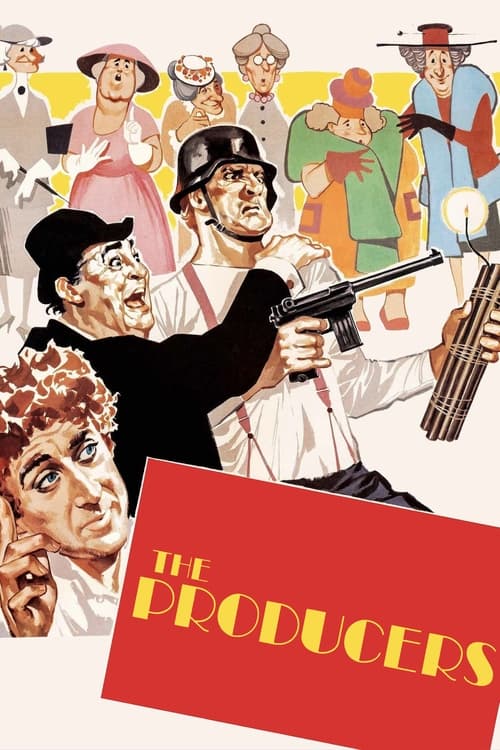
The first time I saw The Producers, I was wearing a pair of incredibly itchy wool socks I’d found in the back of a drawer, and honestly, that low-level physical agitation was the perfect headspace for entering Mel Brooks’ world. From the moment the movie starts, it feels like it’s vibrating. It’s a film that doesn’t just tell a joke; it grabs you by the lapels, shakes you until your teeth rattle, and screams the punchline directly into your ear canal. It is loud, it is sweaty, and in 1968, it was probably the most dangerous thing happening in a movie theater.
The Sweat and the Scream
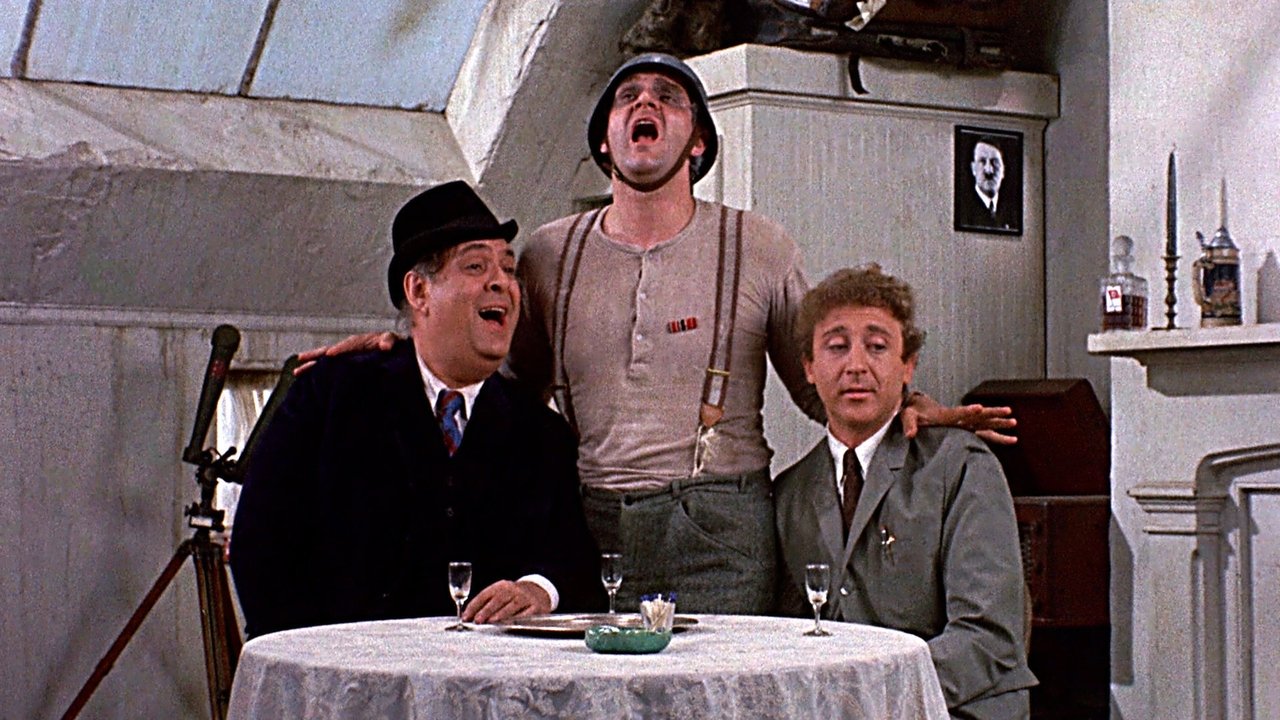
At the center of this hurricane is Zero Mostel as Max Bialystock, a man who looks like a discarded sofa that’s somehow been granted sentience and a hunger for cash. Mostel is a force of nature. He doesn’t "act" so much as he erupts. Watching him woo "Hold Me Touch Me" (the legendary Estelle Winwood, who was about 85 at the time) is both hysterical and deeply uncomfortable. He is the ultimate "Old Hollywood" figure being dragged kicking and screaming into a new era of cynicism.
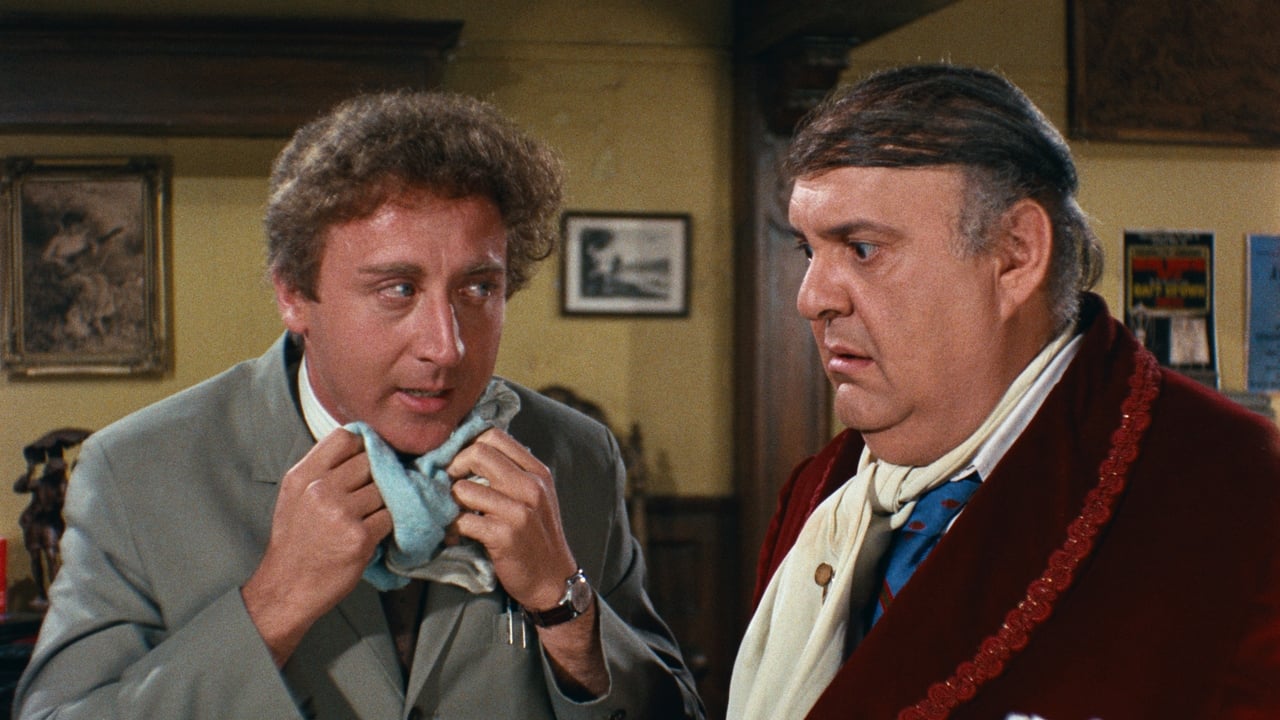
Then there’s Gene Wilder. This was his big breakout after a small but memorable turn in Bonnie and Clyde (1967), and Wilder’s high-pitched panic is the most accurate depiction of a tax-induced mental breakdown in cinematic history. As Leo Bloom, the meek accountant who realizes you can make more money with a flop than a hit, Wilder is the perfect "straight man" who isn't actually straight at all—he’s just a different flavor of crazy. The "blue blanket" scene, where Leo descends into a hysterical fit because Max took his security object, is a masterclass in physical comedy. You can almost feel the spit flying off the screen.
A Masterpiece of "Bad Taste"
What makes The Producers such a fascinating specimen of the late 60s is how it treats the "Independent" spirit. Mel Brooks had never directed a feature before. He was a TV writer, a funny guy in the writers' room for Your Show of Shows, and he had to fight tooth and nail to get this made. The budget was a hair under a million dollars, which, even in 1968, was shoestring for a musical-within-a-movie.

Brooks shot the film on location in New York, giving it a gritty, lived-in texture that you just don't get on a Hollywood backlot. You can smell the stale cigarettes and the dust in Bialystock’s office. It’s a "passion project" in the sense that Brooks was obsessed with the idea of "Springtime for Hitler." Apparently, the distributor, Joseph E. Levine, was terrified of the title and wanted to call it The Two Schnorrers. Thankfully, Brooks held his ground on the script, even if the title eventually shifted to The Producers.
The creative ingenuity born from that tight budget is everywhere. Look at the "Springtime for Hitler" number itself. It’s staged with such garish, over-the-top sincerity that it circles all the way back to being a work of art. They couldn't afford a cast of thousands, so they used clever camera angles and Dick Shawn as Lorenzo St. DuBois (L.S.D.)—a hippie Hitler who looks like he wandered off the set of a low-budget biker flick—to sell the absurdity.
The Audacity of the Flop
The film’s secret weapon is the supporting cast. Kenneth Mars as Franz Liebkind, the pigeon-loving Nazi playwright, is a performance so unhinged I’m surprised he didn’t pull a muscle. And then there’s Christopher Hewett as Roger De Bris, the world’s worst director, whose apartment looks like a high-end thrift store exploded. The chemistry among this ensemble of weirdos is what keeps the movie from becoming just a series of sketches.
I often think about how this movie would have played on a 19-inch CRT television in the late 70s. This is the kind of film that built its cult status through early home video and midnight screenings. It’s a movie that rewards repeat viewings because the dialogue is so dense with wordplay. When Max yells, "I’m wearing a cardboard belt!" it’s funny the first time, but it’s the desperation in Mostel’s eyes that makes it stick with you for years.
The humor here is undeniably of its time, yet it feels strangely modern because it’s so fearless. Most modern comedies are too afraid of being "offensive" to be truly funny, but Brooks knew that the only way to beat a monster like Hitler was to make him look absolutely ridiculous. It’s satire as a weapon.
Ultimately, The Producers is a miracle of a movie. It’s a first-time director catching lightning in a bottle with two lead actors who were born to scream at each other. It’s a reminder that sometimes the best creative decisions come from having your back against the wall and a budget that barely covers the craft services table. If you haven't seen it lately, go back and watch the "Springtime for Hitler" sequence again—it remains the gold standard for how to be beautifully, perfectly offensive. Just make sure your socks aren't too itchy.

Keep Exploring...
-
Young Frankenstein
1974
-
Blazing Saddles
1974
-

History of the World: Part I
1981
-
Spaceballs
1987
-
Everything You Always Wanted to Know About Sex *But Were Afraid to Ask
1972
-
How the Grinch Stole Christmas!
1966
-

Willy Wonka & the Chocolate Factory
1971
-
The Discreet Charm of the Bourgeoisie
1972
-
Robin Hood: Men in Tights
1993
-

Lolita
1962
-
Love and Death
1975
-
Annie Hall
1977
-

A Christmas Story
1983
-
Police Academy
1984
-

This Is Spinal Tap
1984
-
After Hours
1985
-

Re-Animator
1985
-
Critters
1986
-
Bad Taste
1987
-
Evil Dead II
1987