Where Eagles Dare
"Snow, spies, and a very high body count."
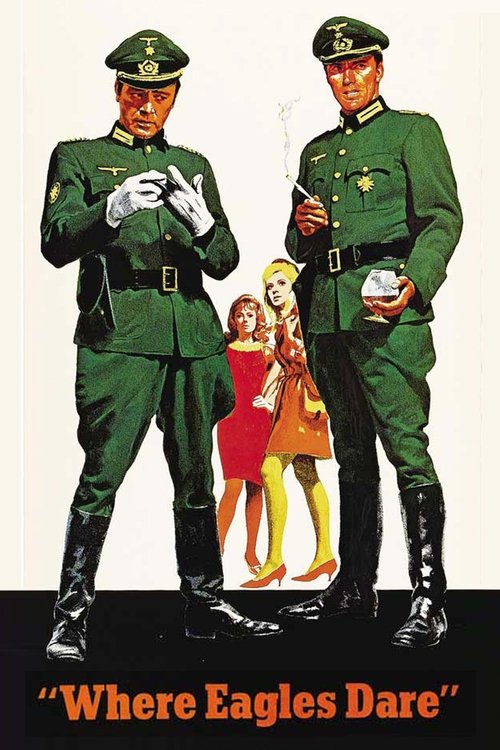
I remember the first time I sat down with Where Eagles Dare. I was twelve years old, home from school with a fake stomach ache, and I’d found a double-cassette VHS copy tucked behind a stack of National Geographics. I watched it while eating a bowl of lukewarm SpaghettiOs, and despite the grainy tracking on my old CRT television, the sheer cold of the Austrian Alps seemed to bleed right through the glass. By the time the second tape hissed into the VCR, I realized I wasn’t watching a standard war movie; I was watching a high-stakes, cold-blooded chess match played with submachine guns.
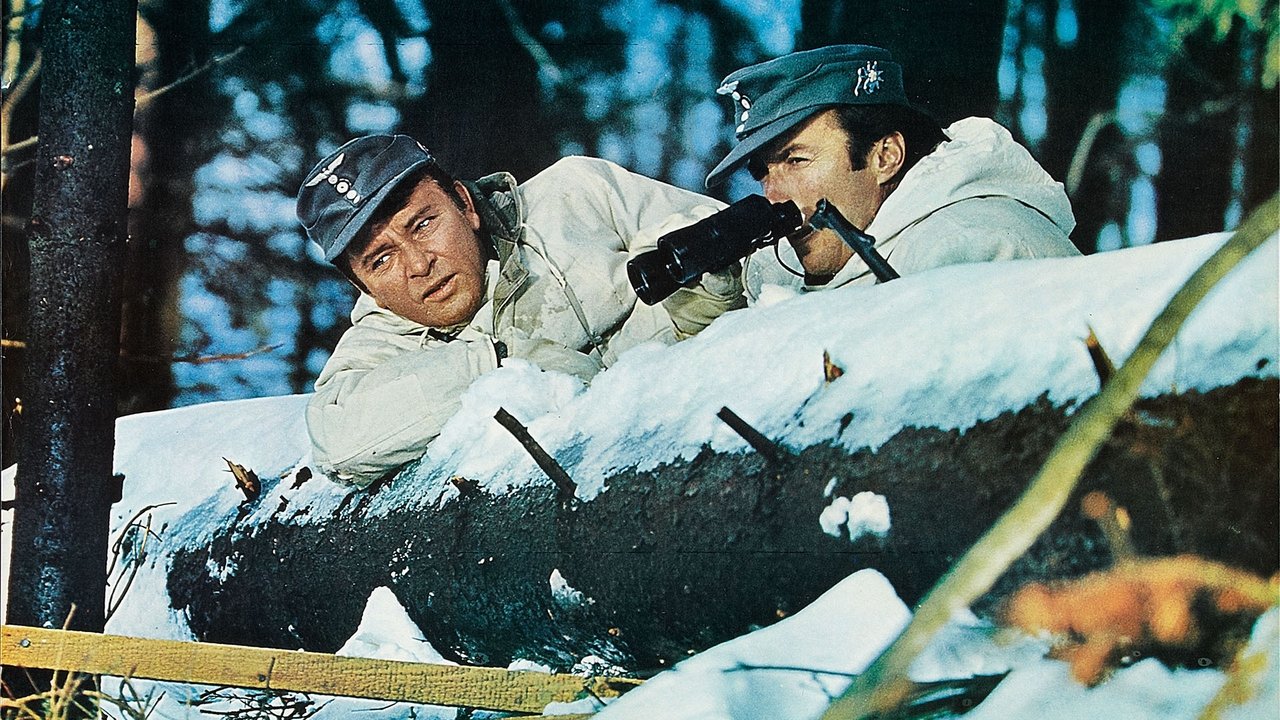
Released in 1968, the film sits at a fascinating crossroads. It has the gargantuan scale of the old-school studio epics, but it carries the ruthless, cynical DNA of the "New Hollywood" that was about to explode. It’s an Alistair MacLean special—he wrote the screenplay and the novel simultaneously—and it functions like a clockwork mechanism designed to stress-test your nervous system.
The Coldest Game of Poker
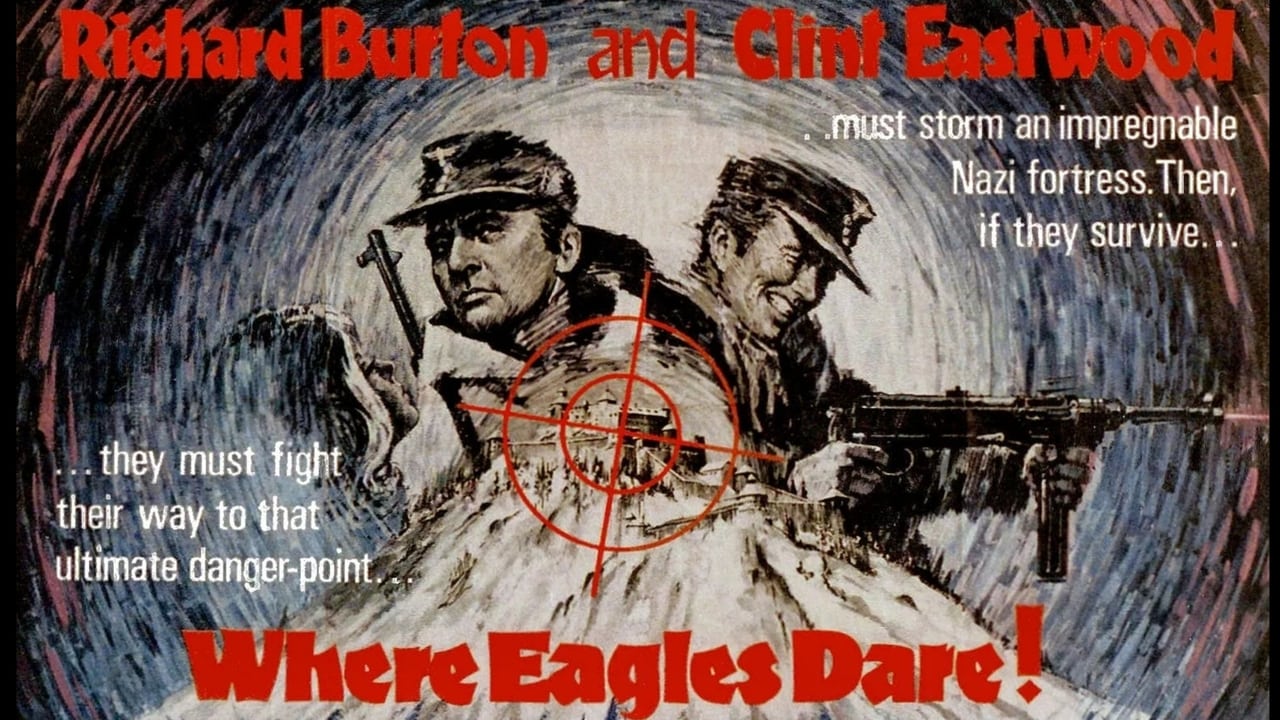
The premise is a classic "Men on a Mission" setup: an American general is held in the Schloss Adler, an Alpine fortress reachable only by cable car. A team of British commandos, led by Richard Burton’s Maj. Smith and flanked by an American interloper, Lt. Schaffer (Clint Eastwood), must get in, get the general, and get out.
But the plot is a nest of vipers. This isn't a film about the nobility of war; it’s a film about the professional's craft of deception. The "Dark/Intense" tone isn't just a stylistic choice; it’s baked into the snow-blind atmosphere. Richard Burton brings a weary, almost ghostly gravity to the role of Smith. He’s not a hero; he’s a man who has clearly seen too much and is willing to burn everything down to win.
The centerpiece of the film’s narrative tension isn't actually an explosion—though there are many—but a long, agonizingly quiet scene in a dining room where Smith plays multiple factions against each other. It’s a masterclass in screenwriting where the dialogue feels as lethal as a garrote. I remember rewinding that scene three times just to figure out who was lying to whom. It turns out, everybody was lying.
The Man with No Name Meets the Man with All the Words
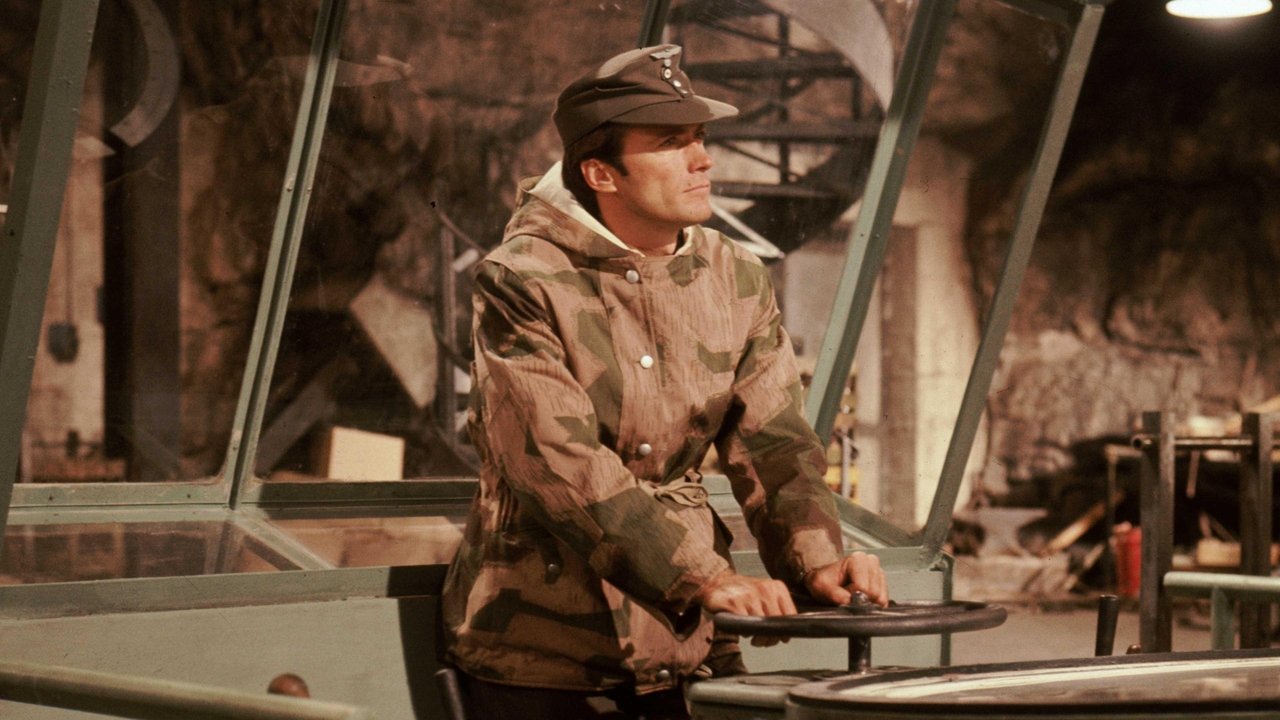
The casting is an inspired bit of alchemy. You have Richard Burton, the Shakespearean powerhouse who could make a grocery list sound like a funeral oration, paired with Clint Eastwood, who was fresh off his "Man with No Name" success with Sergio Leone. Eastwood famously complained that his character was "the second lead," and he asked for his dialogue to be slashed, preferring to let his weapons do the talking.
It worked. Clint Eastwood essentially plays a silent lawnmower for Nazis here. While Burton handles the intricate double-crosses and the intellectual weight, Eastwood provides the physical punctuation. His performance is a precursor to the 80s action hero: efficient, slightly detached, and terrifyingly capable. There’s a specific scene where he’s holding back a hallway of soldiers with a submachine gun in each hand, and you can practically see the DNA of every Arnold Schwarzenegger or Bruce Willis movie being written in real-time.
Practical Magic and Gravity Defiance
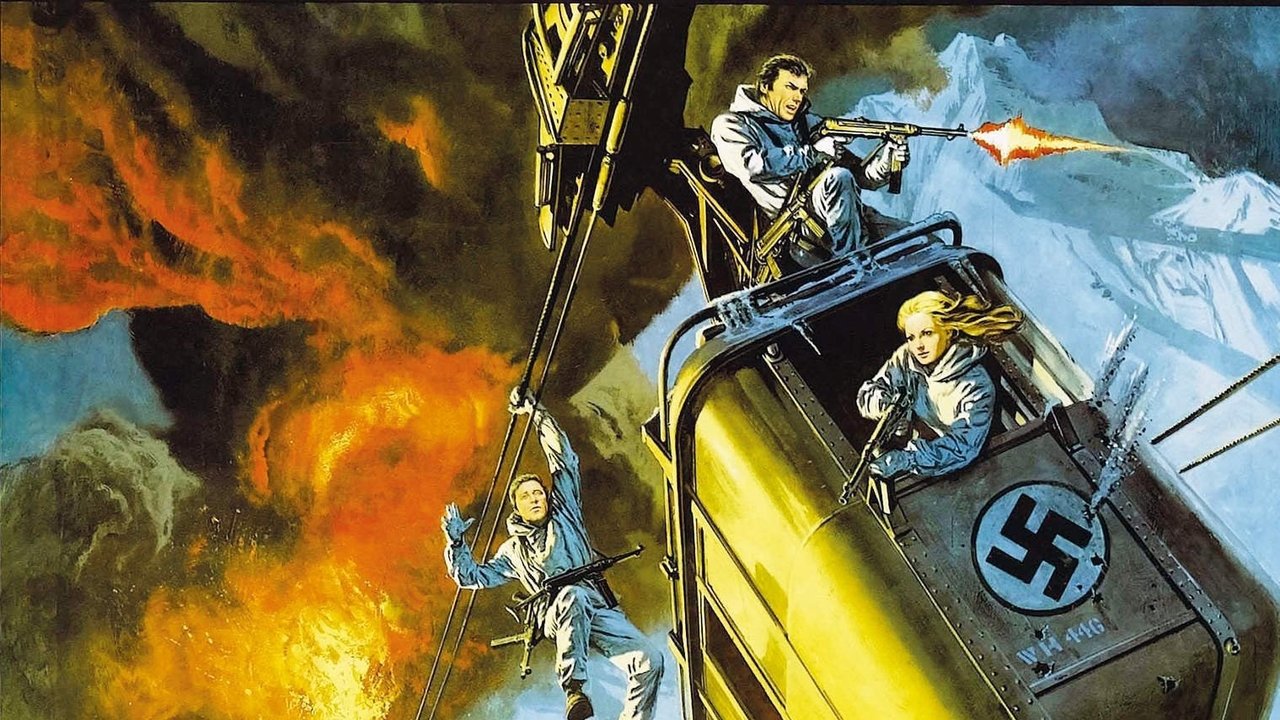
Before CGI rendered physics irrelevant, films like Where Eagles Dare relied on the terrifying reality of practical effects. The stunt work here, coordinated by the legendary Alf Joint (who doubled for Burton), is jaw-dropping. The cable car sequence—filmed at the Feuerkogel Mountain in Austria—is a genuine white-knuckle experience. When you see men fighting on top of a moving metal box suspended thousands of feet above a jagged abyss, you aren't looking at a green screen. You’re looking at a stuntman who really didn't have much of a safety net.
The cinematography by Arthur Ibbetson (who worked on The Roots of Heaven) captures the Bavarian winter with a harsh, high-contrast clarity. The whites are blinding, and the shadows are pitch black. This visual language reinforces the grim stakes; there is no middle ground in the Schloss Adler. You are either a ghost or a survivor.
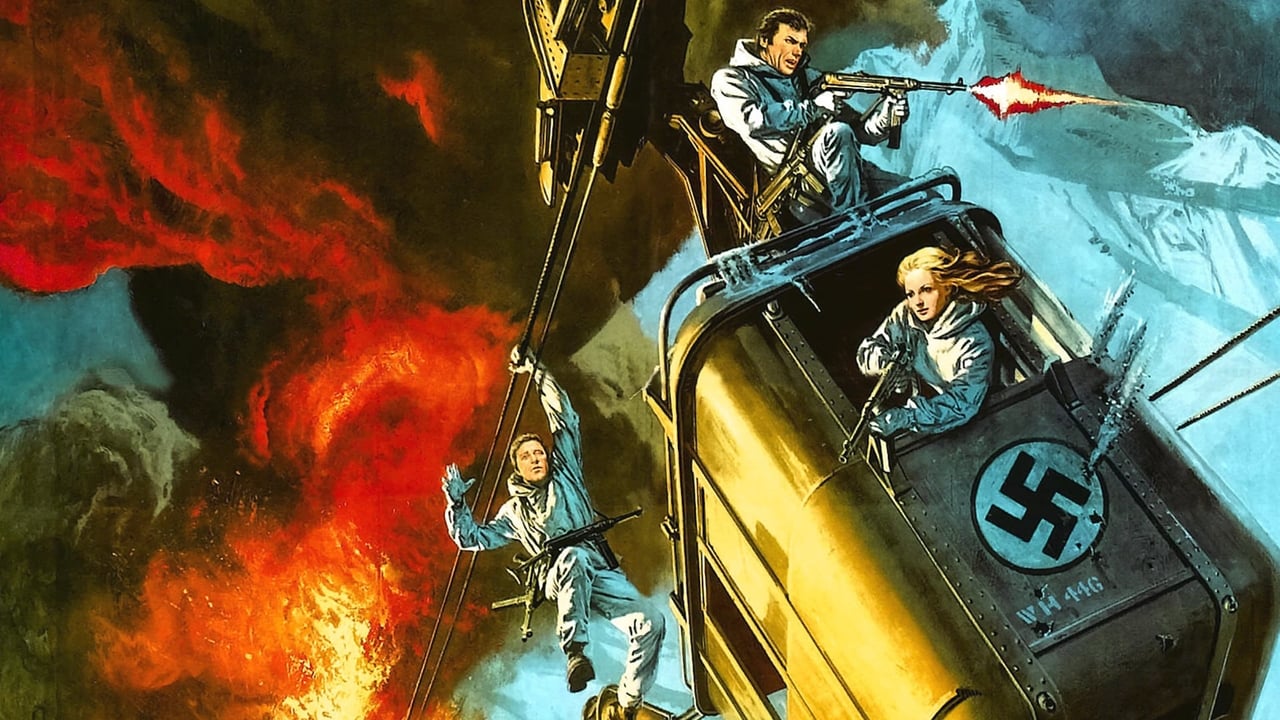
The score by Ron Goodwin (who also did Battle of Britain) is the final ingredient. It’s a driving, percussive march that keeps the momentum from sagging during the 155-minute runtime. Most action movies today feel bloated at two hours, but Where Eagles Dare earns its length by constantly escalating the stakes until the final, explosive descent.
One of the best pieces of trivia about this production is that Clint Eastwood jokingly referred to it as "Where Doubles Dare" because of the sheer volume of stunt work required for the leads. It was a massive financial success, earning $21 million against a $7.7 million budget, proving that audiences were hungry for a more cynical, professional grade of action. Even the supporting cast, like Mary Ure as the undercover agent Mary Ellison, brings a necessary grit to a genre that often relegated women to the sidelines.
If you’ve never seen it, find the biggest screen possible, turn the lights off, and let the Bavarian winter swallow you whole. It’s a film that demands your attention and rewards it with a relentless, cold-blooded efficiency that few modern blockbusters can match. It isn't just a war movie; it’s the ultimate survivalist thriller that happens to have a very loud soundtrack.
Keep Exploring...
-
The Dirty Dozen
1967
-
First Blood
1982
-
The Longest Day
1962
-
The Great Escape
1963
-
Rambo: First Blood Part II
1985
-
Bullitt
1968
-
Patton
1970
-
The Poseidon Adventure
1972
-
Spartacus
1960
-

Star Trek II: The Wrath of Khan
1982
-

Platoon
1986
-

Predator
1987
-
From Russia with Love
1963
-

Goldfinger
1964
-
Rurouni Kenshin Part I: Origins
2012
-
Deliverance
1972
-

Magnum Force
1973
-
Romancing the Stone
1984
-

Star Trek III: The Search for Spock
1984
-
Young Guns
1988