Butch Cassidy and the Sundance Kid
"The frontier is dead, but the legends are bleeding."
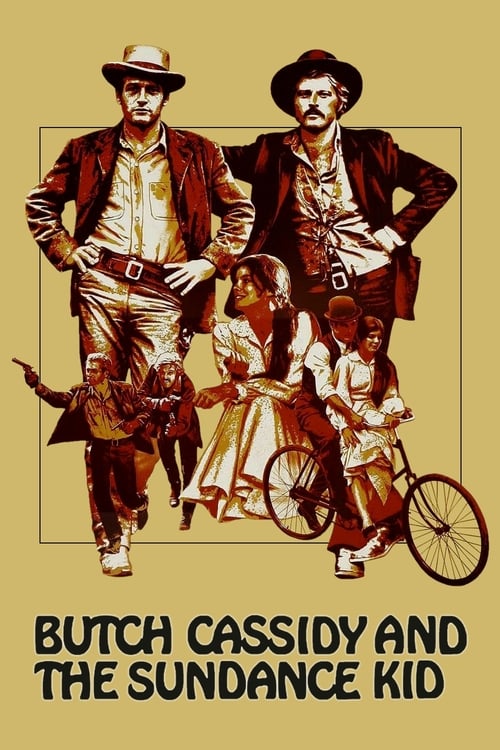
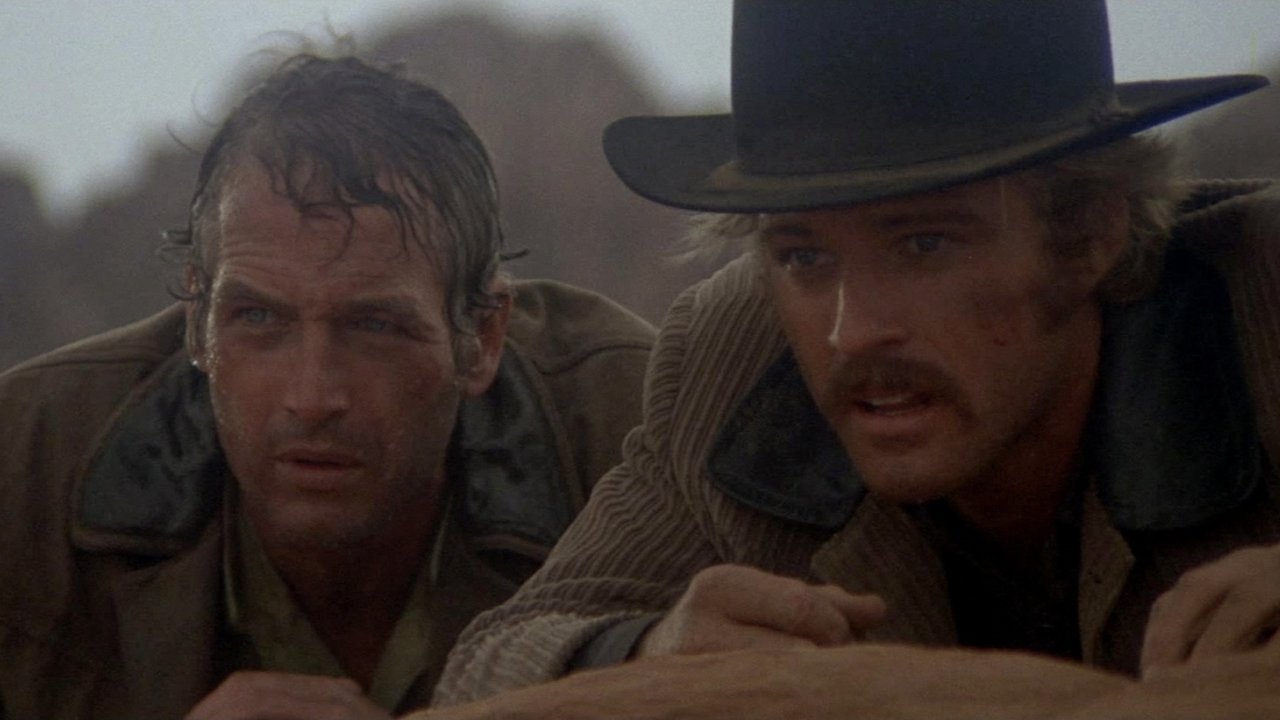
I watched this film again last night while wearing a pair of itchy wool socks that were a size too small, and honestly, the physical discomfort perfectly matched the tightening noose of the "Super Posse" that haunts the second half of this movie. Most people remember Butch Cassidy and the Sundance Kid as the ultimate hang-out movie—a breezy, sun-drenched romp through the Wild West with two of the most handsome men to ever grace a screen. But if you look past the blue-eyed winks and the Burt Bacharach trills, there’s a cold, existential dread lurking in the shadows of the canyon.
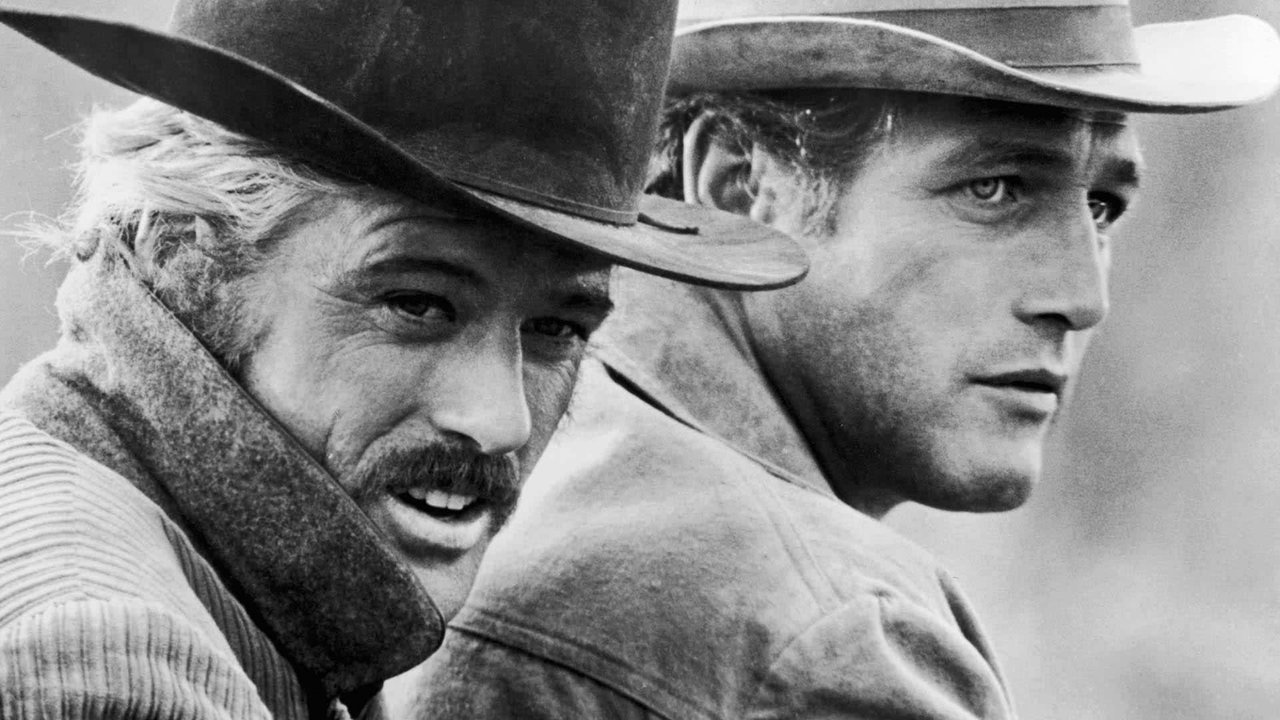
Released in 1969, the same year as Easy Rider and The Wild Bunch, this film is a eulogy for the outlaw. It’s a drama disguised as an adventure, marking the exact moment Hollywood stopped believing in the myth of the noble gunslinger and started worrying about the "No Trespassing" signs of the 20th century.
The Chemistry of Encroaching Doom
The heart of the film is the impossible charisma between Paul Newman and Robert Redford. It’s easy to forget that before George Roy Hill paired them up, Redford was a struggling actor and Newman was already the king of the world after Cool Hand Luke. Steve McQueen’s ego inadvertently gave us the greatest duo in cinema history when he turned down the role of Sundance because he wouldn’t accept second billing. Their chemistry isn't just about the banter; it’s about a shared realization that they are becoming obsolete.
Newman’s Butch is the "idea man," a guy who thinks he can outrun progress with a smile. Redford’s Sundance is the silent muscle, the guy who knows he’s only as good as his last shot. When they ask, "Who are those guys?" while staring at the relentless posse on the horizon, they aren't just asking about the law. They’re asking about the future. The "Super Posse" is a faceless, nameless machine. They don’t sleep, they don’t eat, and they don’t stop. In a genre usually defined by clear-cut shootouts, George Roy Hill treats the pursuers like a creeping shadow in a horror movie.
A Masterpiece of Muted Tones
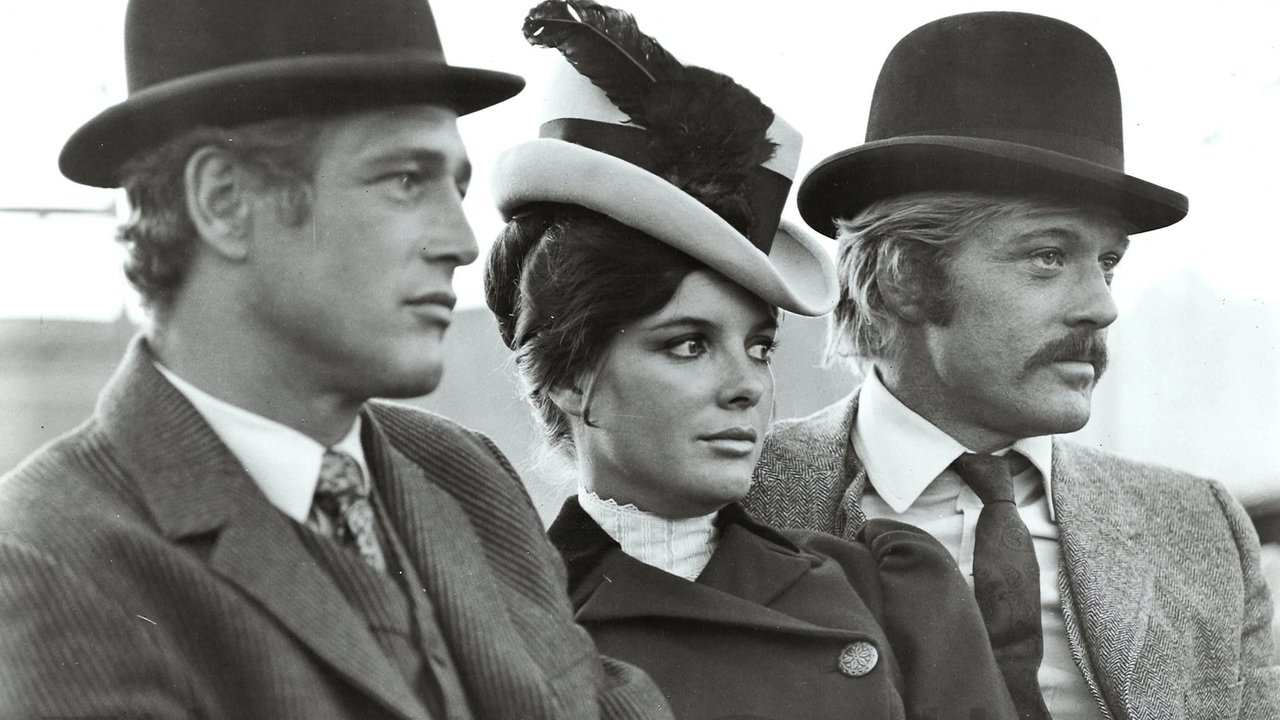
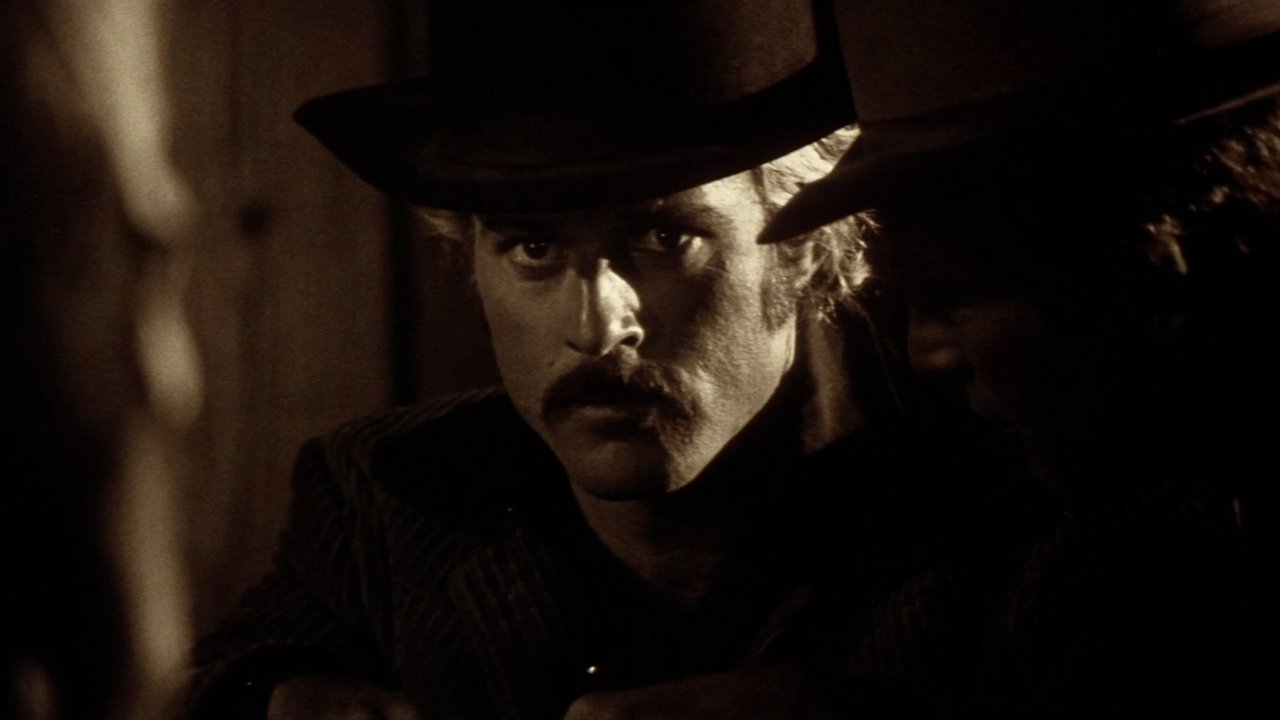
The look of this film is legendary, thanks to the late Conrad L. Hall. He didn't just film a Western; he filmed a memory. The sepia-toned prologue makes the movie feel like an old photograph coming to life, and as the story progresses, the colors feel increasingly washed out, as if the world itself is tired of Butch and Sundance’s antics.
Even the famous "Raindrops Keep Fallin' on My Head" sequence—often mocked for being out of place—serves a dark purpose. It’s the last gasp of pure, innocent joy before the film descends into the dusty, blood-soaked reality of Bolivia. When they leave for South America with Katharine Ross (who is wonderful as the pragmatic Etta Place), they aren't going on a vacation. They are fleeing the industrialization of America for a place where they think they can still be dinosaurs. But as Katharine Ross (later of The Stepford Wives fame) eventually realizes, you can’t hide from the end of an era. The drama here isn't in the bank robberies; it’s in the slow, agonizing death of their freedom.
The Blockbuster That Broke the Bank
It’s hard to overstate how massive this film was. On a $6 million budget—a decent chunk of change in '69—it pulled in over $102 million. Adjusted for inflation, that’s over $700 million today. It wasn't just a hit; it was a tectonic shift. It proved that audiences wanted something more sophisticated than the John Wayne archetype. They wanted William Goldman's sharp, cynical, and heartbreakingly funny screenplay. Goldman, who also wrote All the President's Men, reportedly sold the script for $400,000, which was the highest price ever paid for an original screenplay at the time.
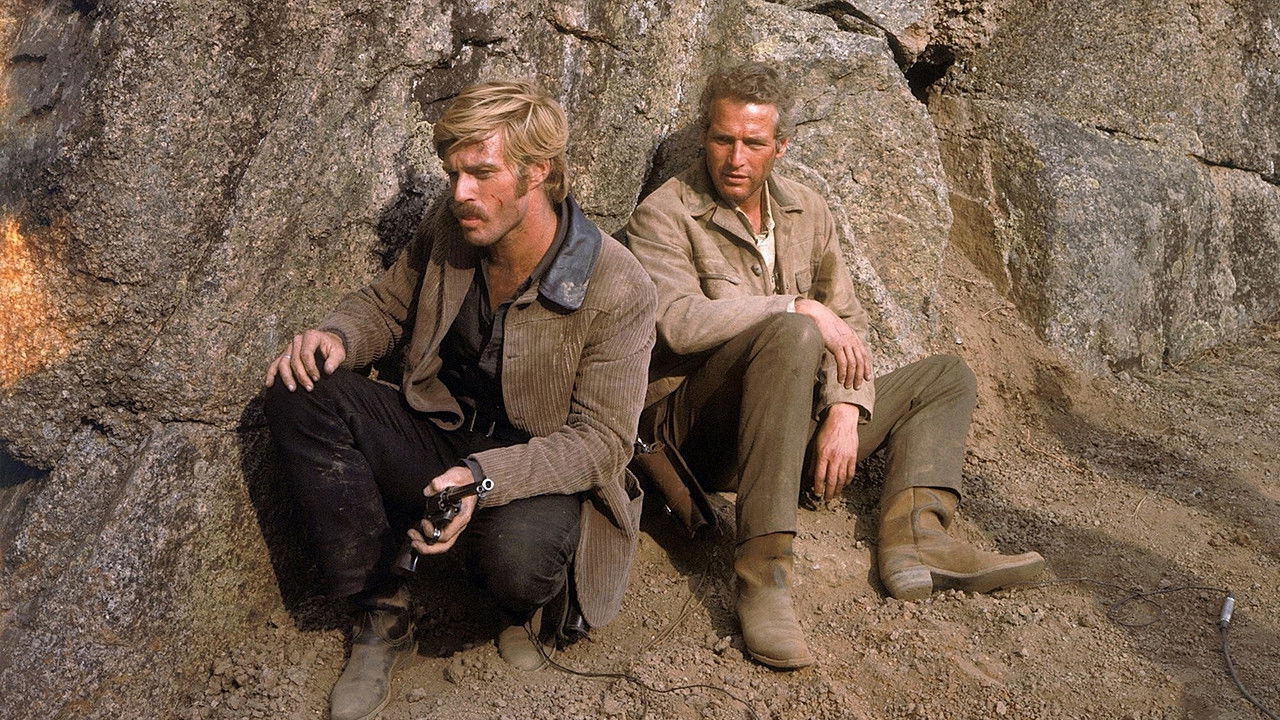
Every cent is on the screen. From the massive location shoots in Utah and Mexico to the meticulous period costumes, the scale is huge, yet the movie feels intensely private. The trivia surrounding the production is endless—Paul Newman supposedly did many of his own stunts (including that bike crash) just to prove he could, and the studio famously hated the bicycle scene because they thought it slowed the movie down. They were wrong; it’s the scene that makes the eventual violence in the Bolivian square feel so much more devastating.
Butch Cassidy and the Sundance Kid is that rare blockbuster that manages to be both a crowd-pleaser and a deeply somber character study. It captures the transition from the Golden Age of Hollywood to the gritty realism of the 70s perfectly. By the time that final freeze-frame hits—and if you haven't seen it, prepare yourself for one of the most iconic endings in history—you realize you haven't just watched a Western. You’ve watched two friends refuse to grow old in a world that has no use for them anymore. It’s funny, it’s beautiful, and it’s profoundly sad. Just leave the itchy socks in the drawer.
Keep Exploring...
-
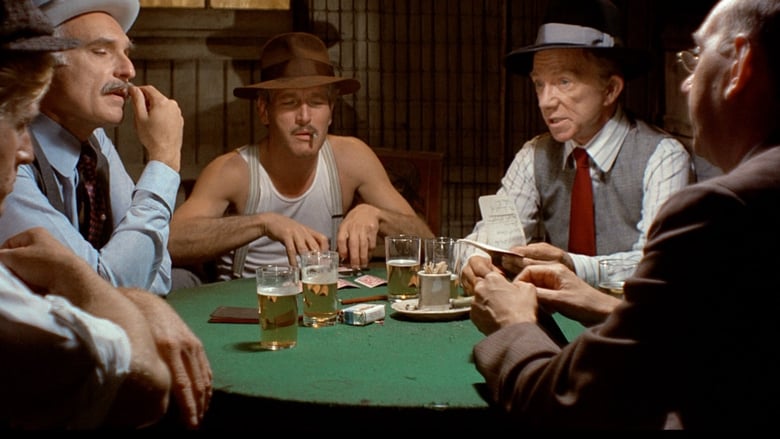
The Sting
1973
-
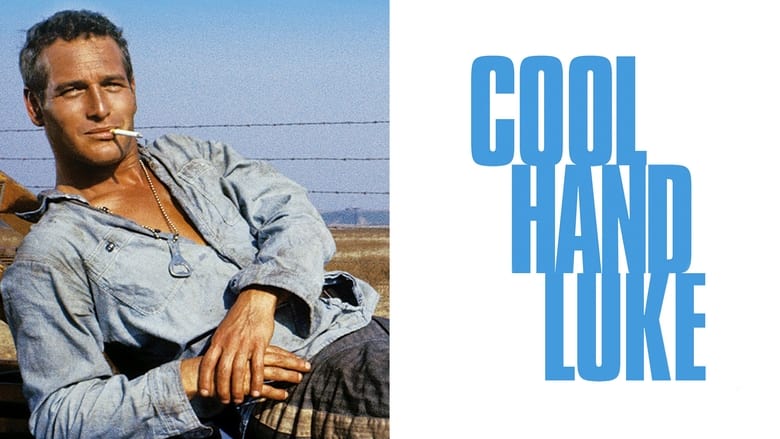
Cool Hand Luke
1967
-
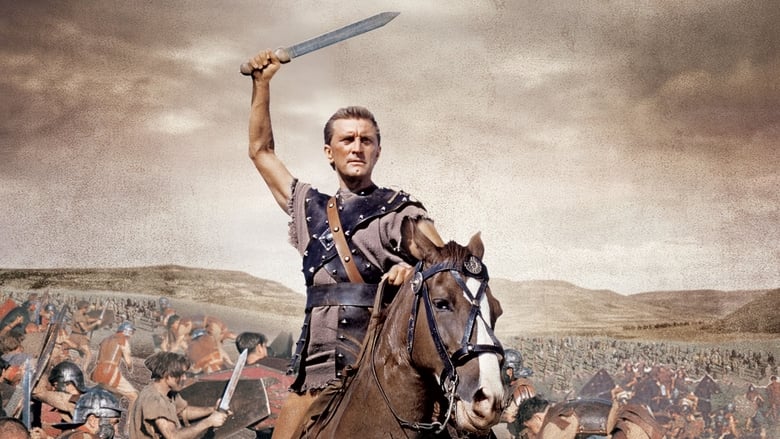
Spartacus
1960
-
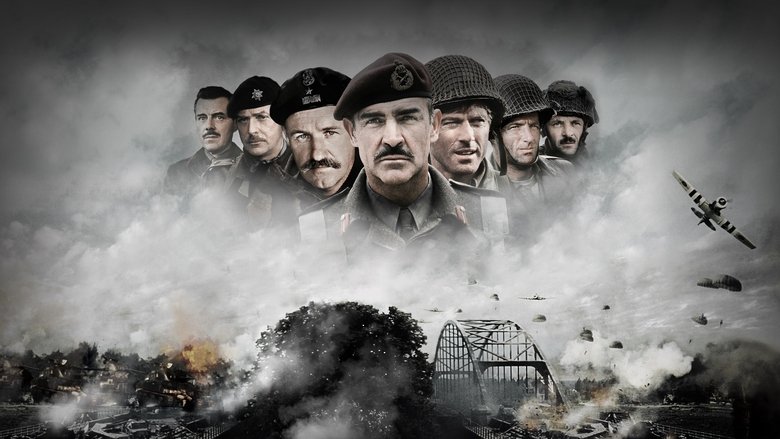
A Bridge Too Far
1977
-
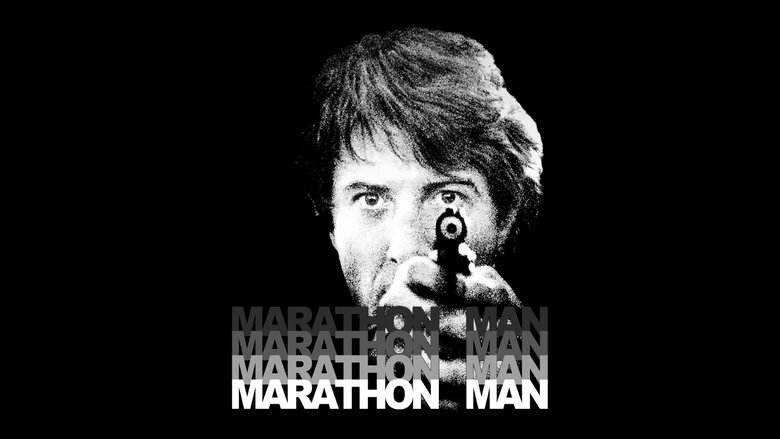
Marathon Man
1976
-
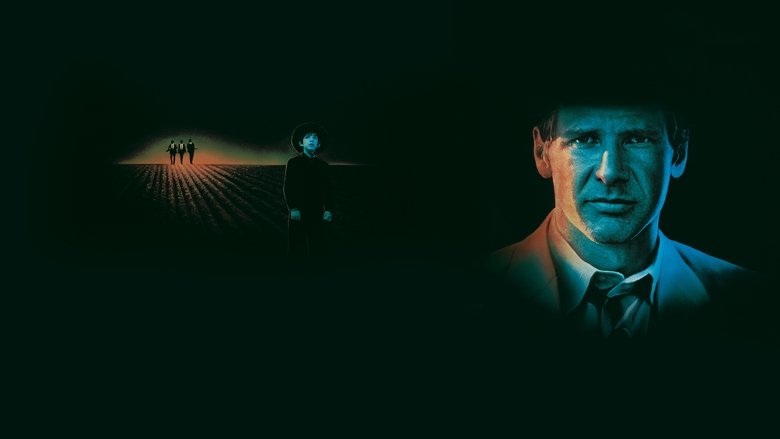
Witness
1985
-
Patton
1970
-
The Poseidon Adventure
1972
-
Papillon
1973
-
Chinatown
1974
-
The Godfather Part II
1974
-
Bonnie and Clyde
1967
-
In the Heat of the Night
1967
-
Deliverance
1972
-

Magnum Force
1973
-
Mean Streets
1973
-
Serpico
1973
-
Badlands
1974
-

The Conversation
1974
-

The Right Stuff
1983