Easy Rider
"The open road leads nowhere fast."
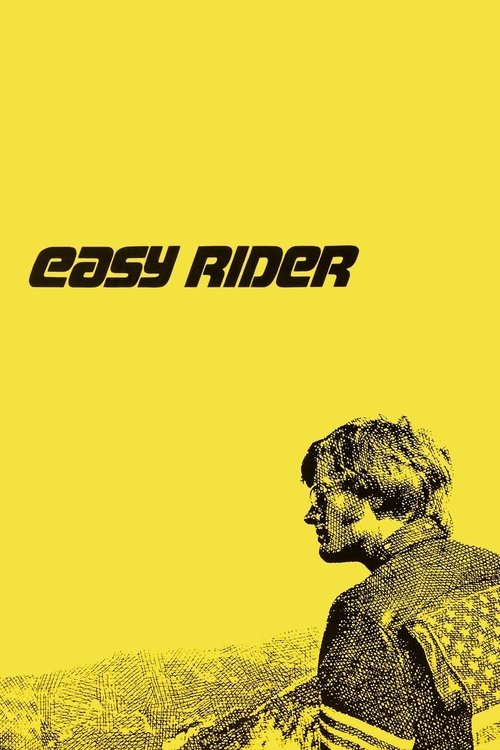
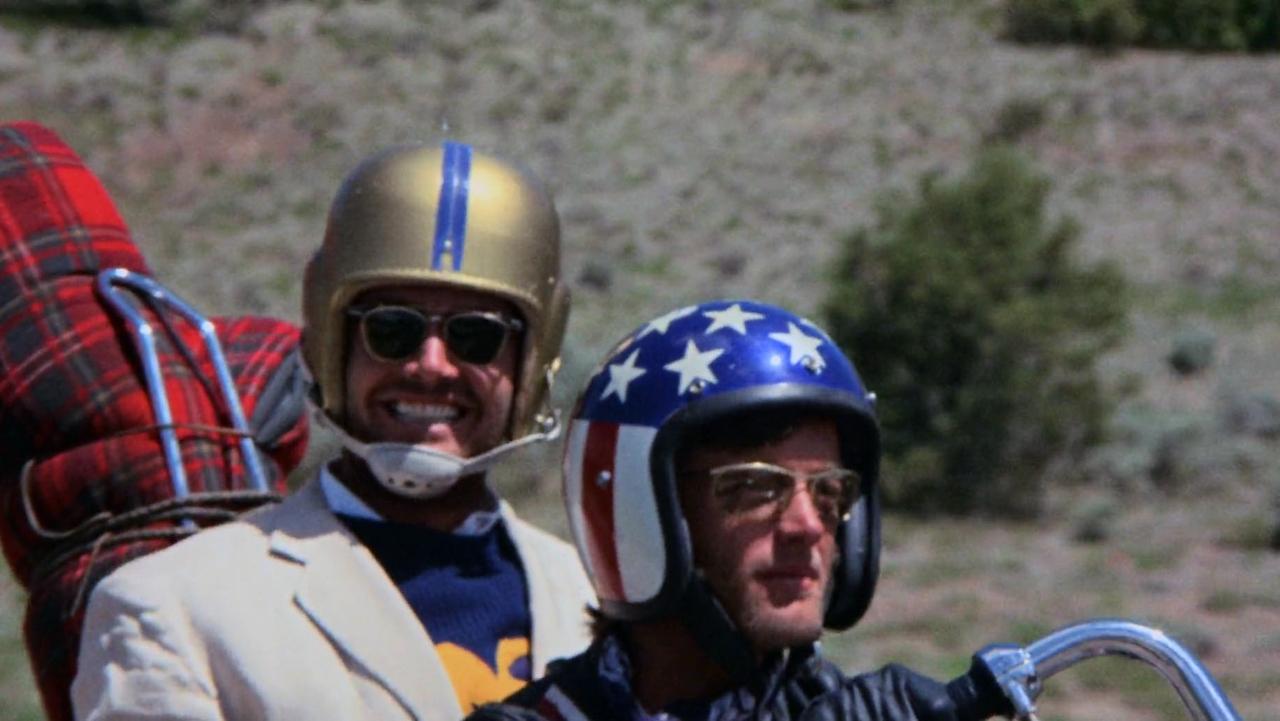
There is a specific, low-frequency hum that starts in your chest when you watch Peter Fonda kickstart that "Captain America" chopper. It’s the sound of the 1960s revving its engine right before driving off a cliff. I remember watching this for the first time on a humid Tuesday while my cat was aggressively grooming my forearm, which added a strange, sandpaper-textured layer of discomfort to the film’s increasingly paranoid second half. Even with the feline distractions, Easy Rider felt less like a movie and more like a transmission from a frequency Hollywood had spent decades trying to jam.
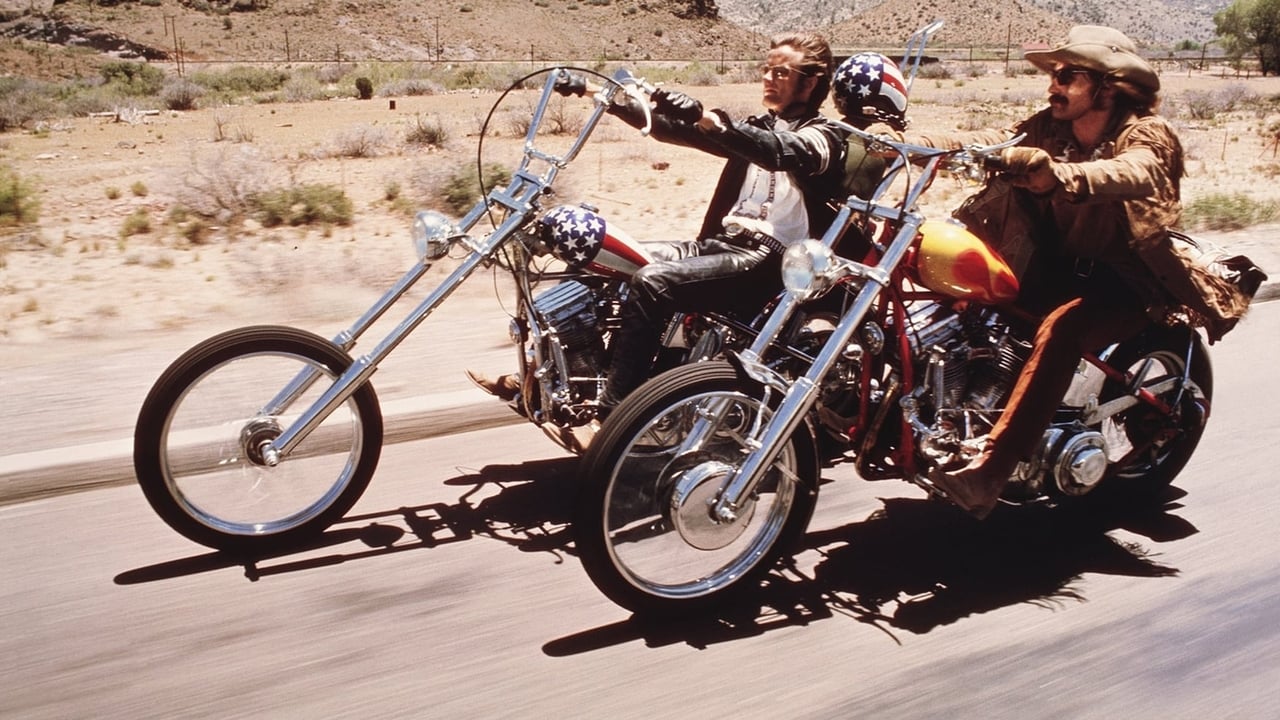
By 1969, the old studio system was a dinosaur watching the meteor hit. While big-budget musicals were hemorrhaging cash, Dennis Hopper and Peter Fonda took $400,000—a catering budget for a modern blockbuster—and turned it into a $60 million cultural earthquake. It’s the ultimate indie success story, proving that if you have two bikes, a 16mm camera, and enough recreational substances to fuel a small village, you can change cinema history.
The Chaos of the Unscripted Road
The production of Easy Rider is the stuff of legend, mostly because it was barely a production at all. It was a traveling circus of paranoia. Dennis Hopper wasn’t just directing; he was essentially waging war against the traditional idea of "filmmaking." He famously clashed with the crew to the point of near-mutiny, and much of the dialogue was improvised on the spot because the script was more of a polite suggestion than a roadmap.
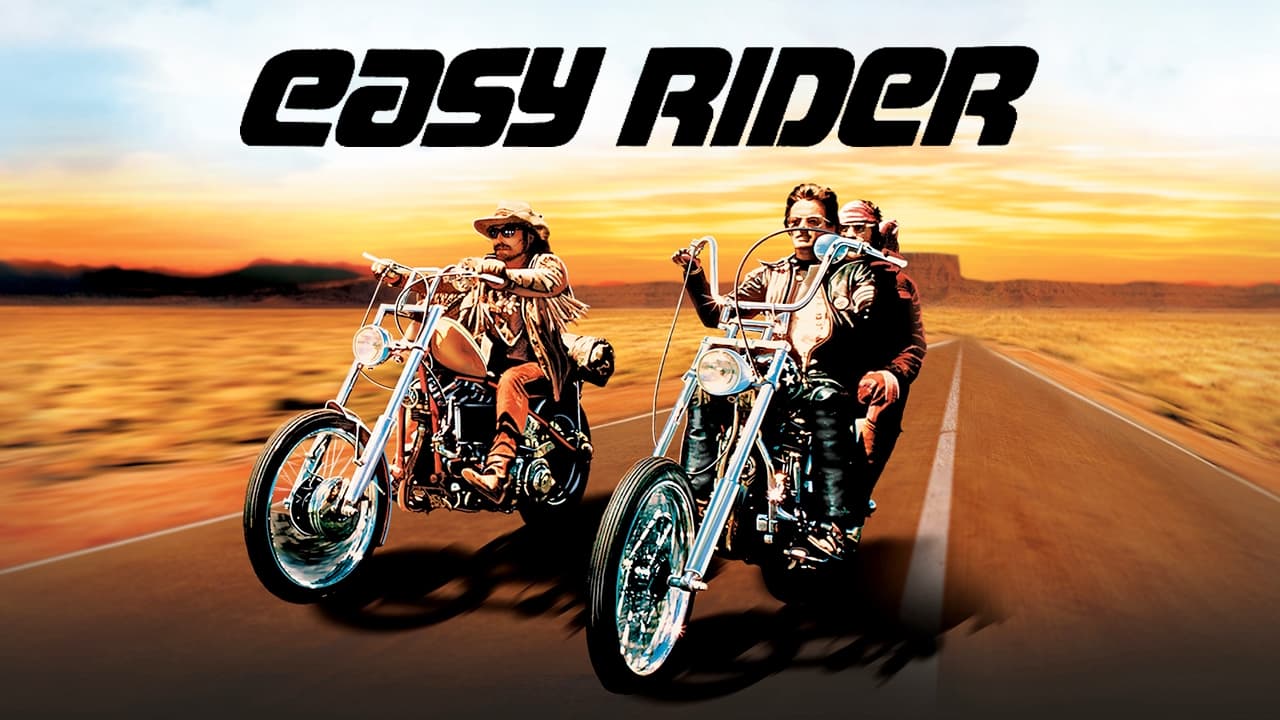
The film follows Wyatt (Fonda) and Billy (Hopper) as they trek from Los Angeles to New Orleans for Mardi Gras. They aren’t heroes in the classical sense. They’re drug dealers who just made a score off a guy played by Phil Spector (in a weirdly prophetic cameo) and are now looking for "freedom." But the brilliance of the film is how it reveals that "freedom" in America is often just a fancy word for being an outsider that nobody likes. It’s essentially a very stylish, very depressing travel vlog with better music.
One of the most authentic things about the film is the cinematography by László Kovács. Because they were shooting mostly on the fly with a small crew, they used natural light and handheld techniques that give the movie a documentary-like grit. On a modern 4K screen, it looks beautiful, but I actually prefer the way it looked on the old Columbia Pictures VHS tapes. The grainy 16mm footage, blown up to 35mm, had a specific texture on a CRT television—a hazy, sun-bleached quality that made the desert landscapes feel like a dream you were slowly waking up from.
The Jack Nicholson Effect
For the first forty minutes, the movie is a vibe—lots of riding, lots of scenery, and the occasional awkward encounter. Then, Jack Nicholson shows up as George Hanson, a small-town lawyer with a penchant for Jim Beam, and the movie finds its soul. This was the role that launched Nicholson into the stratosphere, and you can see why. He brings a warmth and a jittery, intelligent energy that the stoic Wyatt and the twitchy Billy lack.
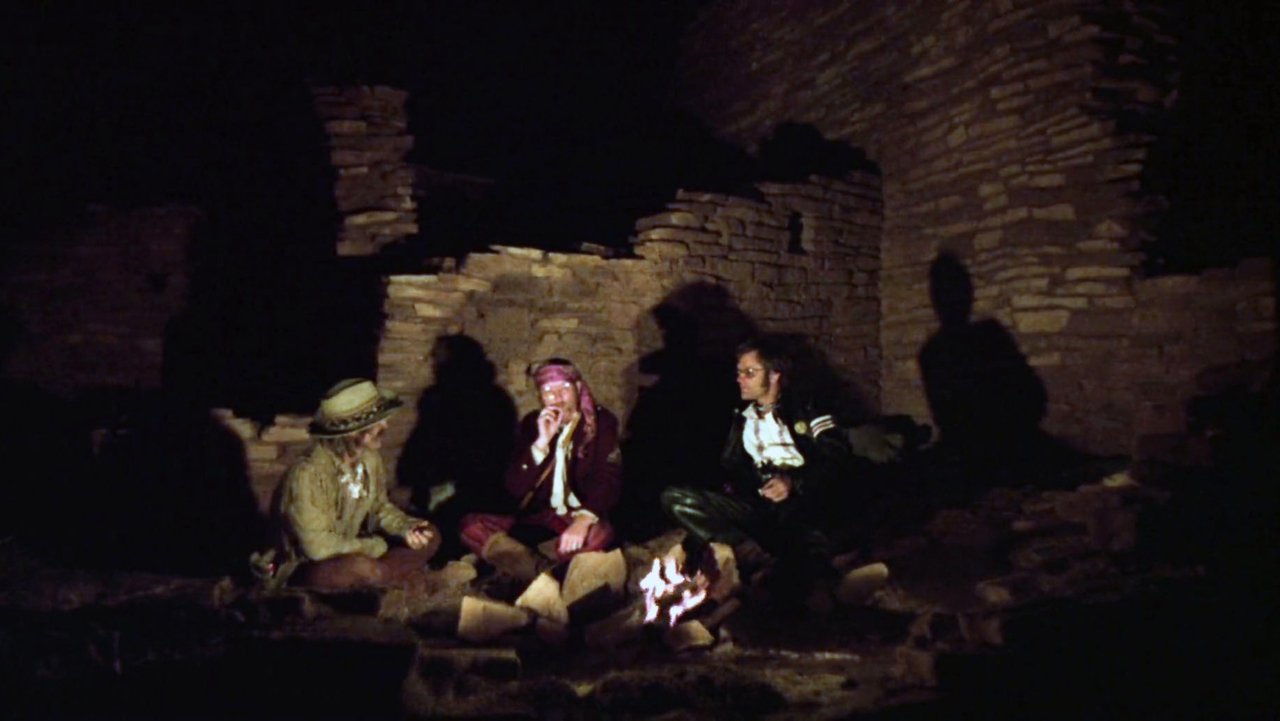
His monologue by the campfire about "The Venutians" is iconic, but it’s his observation about why the "straight" world hates the hippies that hits the hardest. He explains that people talk a lot about freedom, but they’re terrified of anyone who actually lives it. Nicholson manages to out-act everyone on screen while wearing a football helmet and looking like he’s having the time of his life. It’s the definitive performance of his early career, turning a road trip movie into a poignant drama about the crushing weight of the status quo.
The Death of the Dream
If you go into Easy Rider expecting a lighthearted romp about bikers, you’re in for a rough ride. The film’s final act is famously hallucinatory and deeply cynical. The New Orleans cemetery sequence was shot on 16mm and used real LSD—a fact that becomes painfully obvious when you watch the actors’ pupils. It’s messy, uncomfortable, and intentionally jarring. Dennis Hopper’s directing style often feels like a man trying to operate a camera while falling down a flight of stairs, but in these moments, that chaotic energy works perfectly.
The ending is a gut punch that still lands fifty years later. Wyatt’s final realization—"We blew it"—is one of the most debated lines in film history. Did they blow it by selling out? By becoming the very capitalists they despised? Or was the dream of a peaceful, counter-culture America just a hallucination to begin with? It’s a heavy question for a movie that started with a drug deal and a Steppenwolf song.
What makes Easy Rider an "Indie Gem" isn't just its budget; it’s its fearlessness. It didn't care about pleasing a test audience or hitting three-act structure beats. It captures a very specific moment when the optimism of the 60s turned into the hangover of the 70s. It’s a messy, beautiful, flawed, and absolutely vital piece of art that proved you don't need a studio lot to capture the soul of a nation—you just need a full tank of gas and something to say.
Easy Rider remains the ultimate document of American restlessness. It’s a film that earns its place in history not by being perfect, but by being honest about the friction between who we are and who we want to be. It's the kind of movie that makes you want to buy a motorcycle and sell all your belongings, right up until the credits roll and you realize you're probably safer on your couch. It’s a trip worth taking at least once.
Keep Exploring...
-
Aguirre, the Wrath of God
1972
-
The Great Escape
1963
-
The Blue Lagoon
1980
-
Deliverance
1972
-
Planet of the Apes
1968
-
Butch Cassidy and the Sundance Kid
1969
-
The Poseidon Adventure
1972
-
Cool Hand Luke
1967
-
Guess Who's Coming to Dinner
1967
-
In the Heat of the Night
1967
-

Midnight Cowboy
1969
-
Cabaret
1972
-
Mean Streets
1973
-
Serpico
1973
-
The Holy Mountain
1973
-

Westworld
1973
-
Badlands
1974
-
Death Wish
1974
-

The Conversation
1974
-

The Umbrellas of Cherbourg
1964