Midnight Cowboy
"The American Dream is a sidewalk in Manhattan."
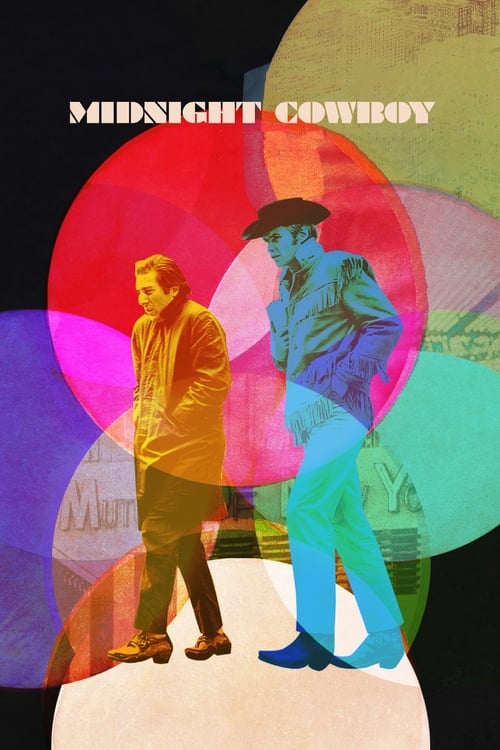
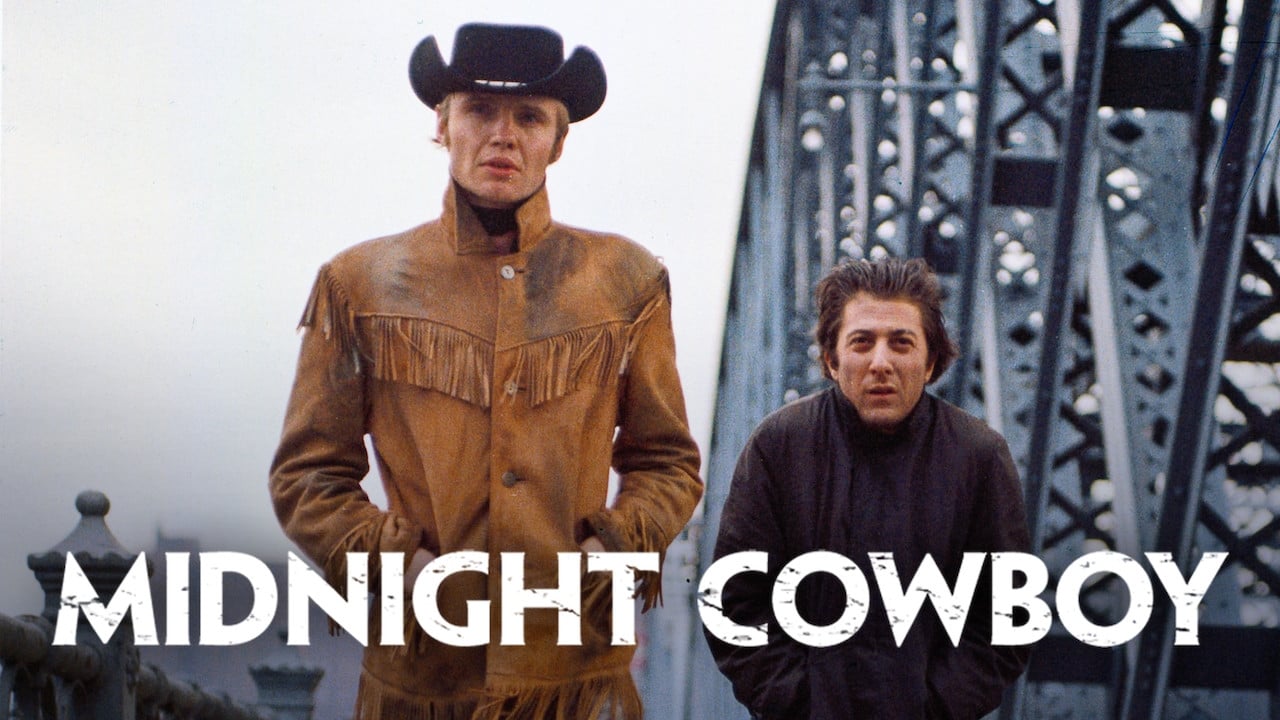
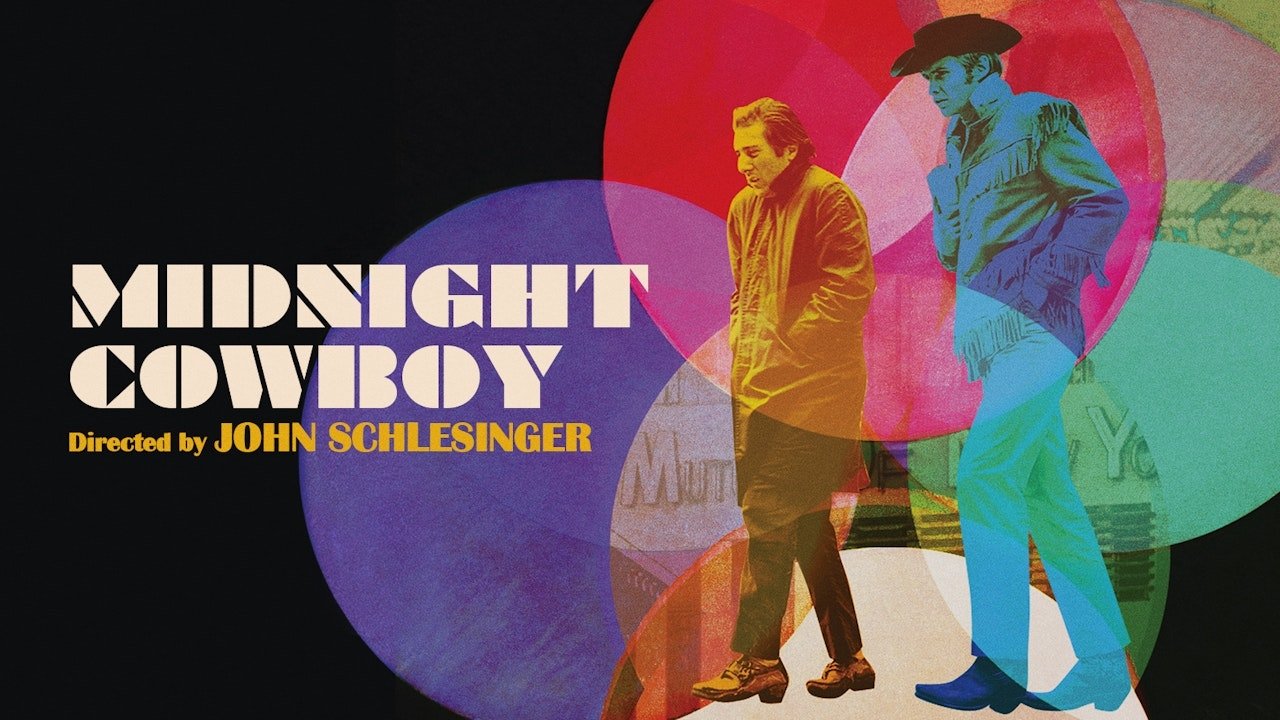
Joe Buck steps off the Greyhound bus in Manhattan with the swagger of a man who thinks he’s the main character in a movie that ended ten years ago. His fringe jacket is pristine, his cowboy hat is tall, and his confidence is fueled by the delusion that New York City is just waiting for a handsome Texan to provide companionship to its lonely socialites. But the city John Schlesinger captures in Midnight Cowboy isn't the sparkling metropolis of a Doris Day rom-com; it’s a gray, crumbling meat grinder that eats optimism for breakfast.
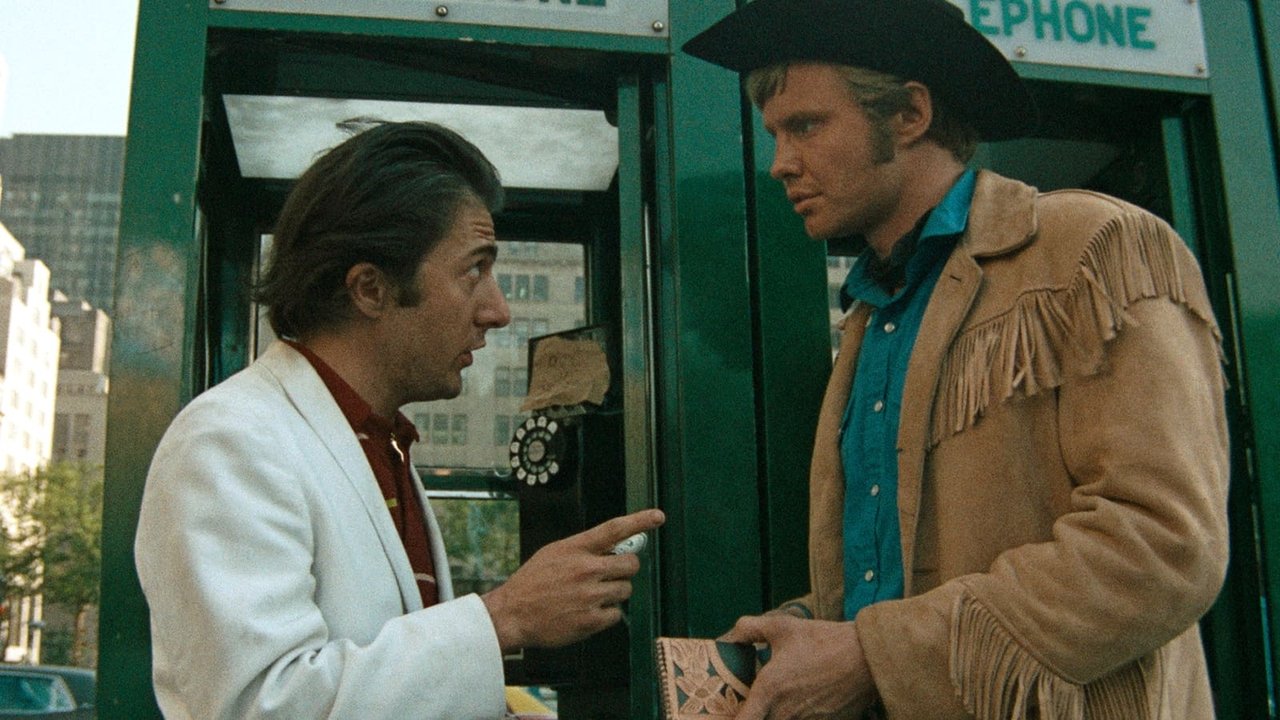
The Cowboy and the Rat
The soul of this movie isn’t the hustle; it’s the heartbreaking, platonic love story between two guys who have absolutely nothing left to lose. Jon Voight (whom you might know from Deliverance or as the father of Angelina Jolie) plays Joe with a mix of puppy-dog naivety and deep-seated trauma that’s hard to watch. He’s a "cowboy" in a world that has no use for the frontier, and his gradual realization that he’s just another piece of street debris is devastating.
Then there’s Dustin Hoffman as Enrico "Ratso" Rizzo. Coming off the clean-cut success of The Graduate, Hoffman basically disappeared into this role. He’s a limping, sweating, coughing embodiment of urban decay. I’ll never forget the first time I saw him—the grease under his fingernails and that desperate, frantic energy. While watching the scene where Ratso collapses in their freezing, condemned apartment, I realized I’d been absent-mindedly picking a hole in my favorite wool socks for twenty minutes. That’s the kind of movie this is; it makes you feel the cold and the grit.
Their chemistry is the real magic. Voight and Hoffman spent weeks hanging out in the actual New York gutters to get the rhythm right. When Ratso screams, "I’m walkin’ here!" at a taxi, it wasn't even in the script. A real cab driver nearly hit them during a low-budget guerrilla shoot, and Hoffman stayed in character, creating one of the most iconic moments in cinema history because the production couldn't afford to block off the streets.
The Grime of New Hollywood
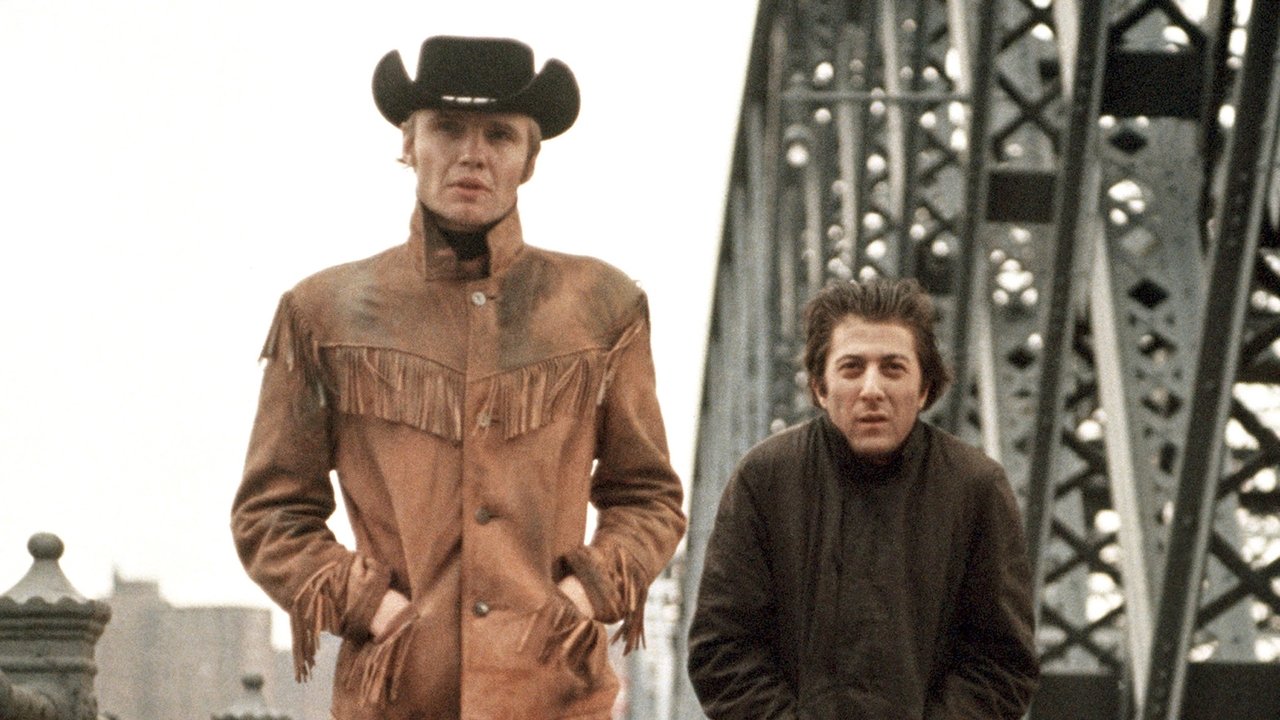
In the late 60s, Hollywood was going through a massive identity crisis. The old studio system was dying, and directors were looking toward Europe for a more honest, jagged way of telling stories. Midnight Cowboy is a prime example of this "New Hollywood" energy. It’s got these experimental, hallucinatory flashback sequences and a cynical edge that felt like a slap in the face to the "Happy Days" version of 1950s America.
The film was famously the first (and only) X-rated movie to win Best Picture at the Oscars. Nowadays, that X-rating seems ridiculous—it was mostly due to the frank depiction of homosexuality and the general "sordidness" of the story—but back then, it was a badge of honor. It signaled that the film was dealing with the real world, not the sanitized version. I picked up a VHS copy of this in the late 80s, and the box art still had that "X" prominently displayed like it was some kind of forbidden fruit. In reality, it’s not pornographic; it’s just profoundly, unapologetically human.
Sylvia Miles also leaves a huge impression in her tiny bit of screen time as a bored socialite. She was nominated for an Oscar for only about six minutes of work, which has to be some kind of record for maximum impact per second. She and John McGiver help round out a New York populated by people who are either predators or ghosts.
The Myth of Florida
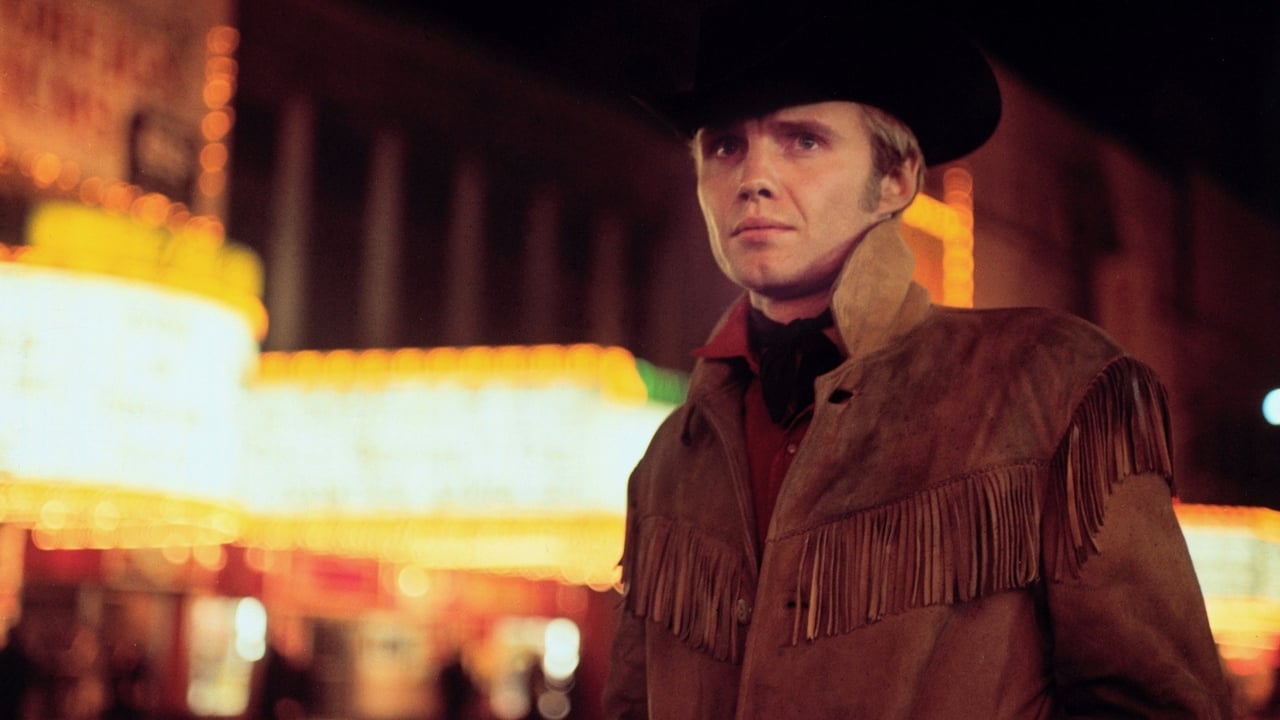
Philosophically, Midnight Cowboy is about the "somewhere else" we all carry in our heads. For Joe, it was the big city; for Ratso, it’s Florida. Florida represents a paradise where the sun always shines, the orange juice is free, and your leg doesn't hurt anymore. It’s a tragic, beautiful dream that keeps them moving through the filth.
The film asks some heavy questions about what happens when the symbols we build our lives around—like the "Cowboy" or the "American Dream"—turn out to be empty. Joe’s transition from a confident hustler to a man who just wants to save his friend is one of the most moving arcs you’ll find in a 60s drama. It’s a film about dignity in the face of total failure. New York City in 1969 looked like a dumpster fire that someone tried to extinguish with cheap gin, yet Schlesinger finds a weird, flickering beauty in the way these two losers look out for each other.
Midnight Cowboy is a gritty, essential piece of the New Hollywood puzzle that hasn't lost any of its emotional punch. It's a movie that invites you to look at the people on the fringes of society with a little more empathy. Between John Barry’s haunting score and the "Everybody’s Talkin’" theme that will stay stuck in your head for a week, it’s a cinematic experience that feels both of its time and oddly timeless. Just make sure you have some tissues handy for that bus ride at the end.
Keep Exploring...
-
Guess Who's Coming to Dinner
1967
-
The Holy Mountain
1973
-
Serpico
1973
-
The Apartment
1960
-
Judgment at Nuremberg
1961
-
Network
1976
-
Annie Hall
1977
-
Marathon Man
1976
-
Harold and Maude
1971
-
Deliverance
1972
-
Mirror
1975
-
Stalker
1979
-
Paris, Texas
1984
-
Wings of Desire
1987
-

My Left Foot: The Story of Christy Brown
1989
-
Breakfast at Tiffany's
1961
-

To Kill a Mockingbird
1962
-
In the Heat of the Night
1967
-
Easy Rider
1969
-
Cabaret
1972