On Her Majesty's Secret Service
"Love is a target even 007 can't dodge."
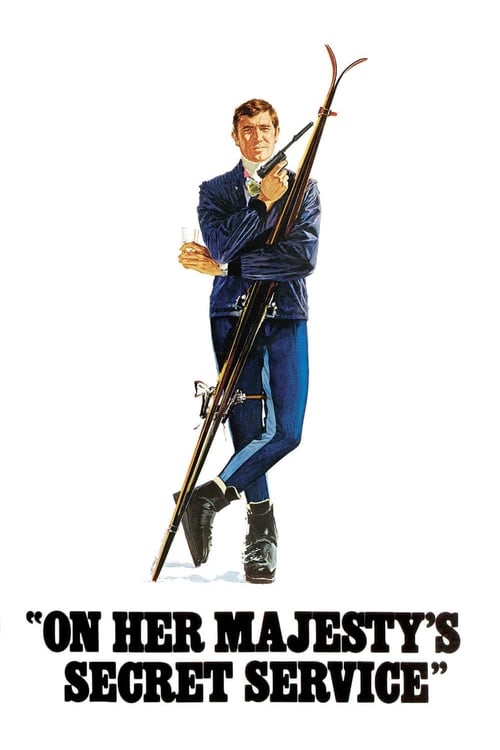
Imagine being the guy who had to follow the Beatles. Or the guy tasked with replacing Elvis. In 1969, George Lazenby—a car salesman turned model with zero acting credits—stepped into the tailored suit of Sean Connery, a man who didn’t just play James Bond; he was James Bond. The result, On Her Majesty's Secret Service, was initially treated like a weird cinematic hiccup, a footnote in the franchise. But history is a funny thing. I watched this again on a drizzly Tuesday while nursing a slightly stale bag of salt-and-vinegar chips that made my tongue sting during the mountain scenes, and it hit me: this isn’t just a "good" Bond movie. This is the best-directed film in the entire 60-year franchise.
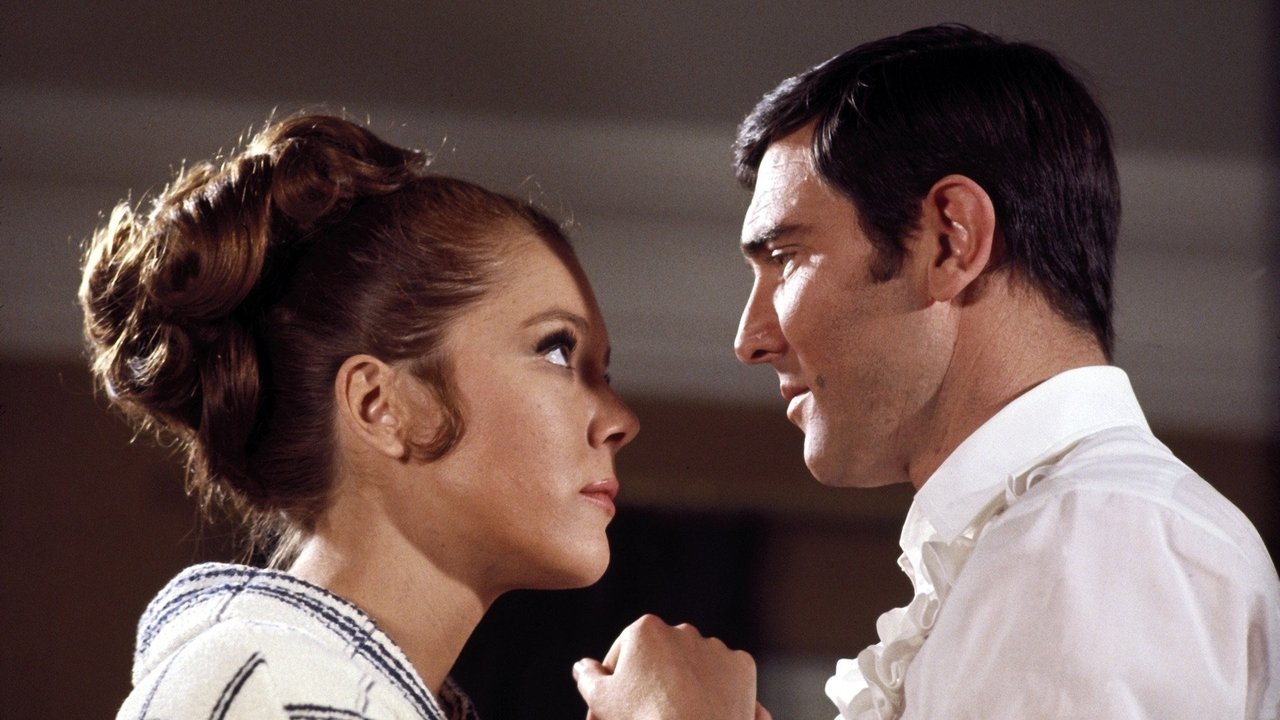
The Man Who Would Be Bond
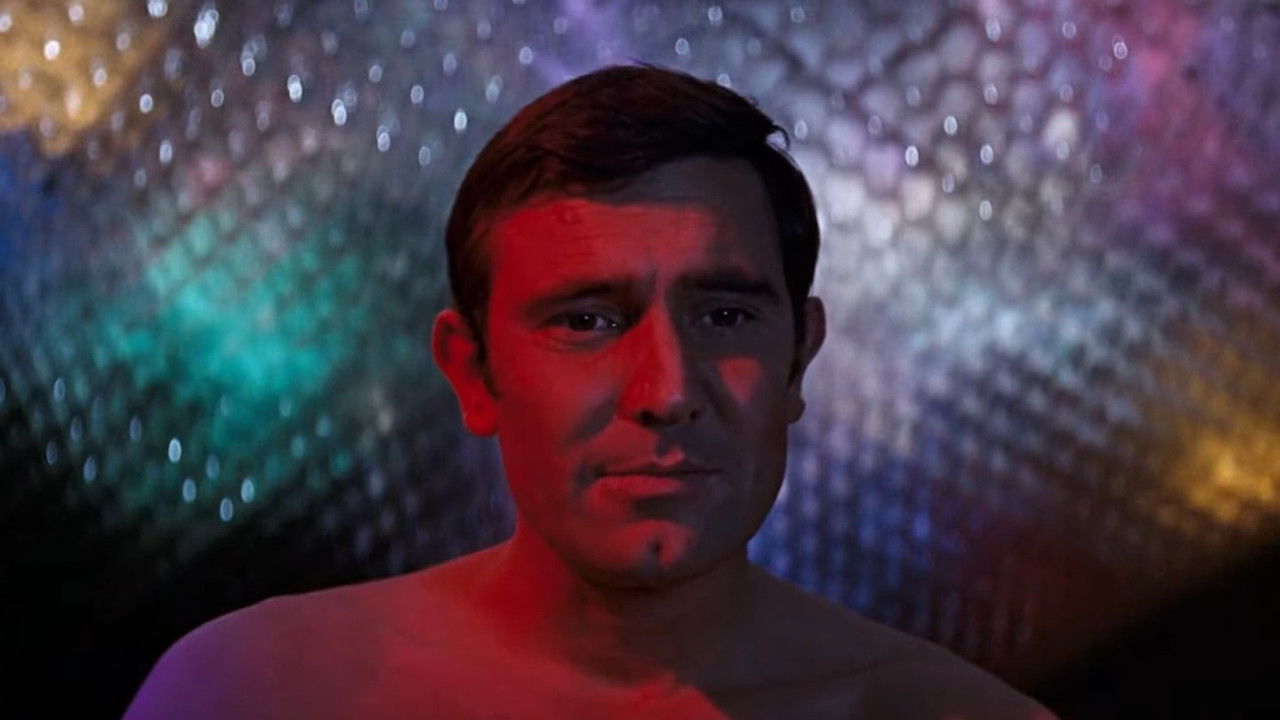
Let's address the tuxedo in the room. George Lazenby isn't as effortlessly cool as Sean Connery (Goldfinger), and he isn’t as witty as Roger Moore. He’s a bit stiff, sure, but that physical vulnerability actually works. For the first time, Bond looks like he might actually lose a fight. When he’s being hunted through a Swiss village, he looks genuinely terrified. It’s a humanizing performance that the series wouldn't see again until Daniel Craig took over decades later.
The story takes us to the Swiss Alps, where Telly Savalas (The Dirty Dozen)—trading his future Kojak lollipops for a monocle—plays a refined, cat-stroking Ernst Stavro Blofeld. He’s running a "clinical research" clinic atop Piz Gloria, which is actually a front for a biological warfare plot involving "Angels of Death." It’s peak 60s spy-fi, but handled with a grit that feels surprisingly modern. Telly Savalas brings a physical menace to Blofeld that makes the previous iterations look like cartoon villains.
High-Altitude Carnage and Jump-Cuts
Director Peter R. Hunt, who had been the editor on the previous Bond films, brought a frantic, jagged energy to the action. He broke the rules of "invisible" editing. The fight scenes are punchy, chaotic, and edited with a speed that predates the Bourne films by thirty years. But the real star here is the practical stunt work.
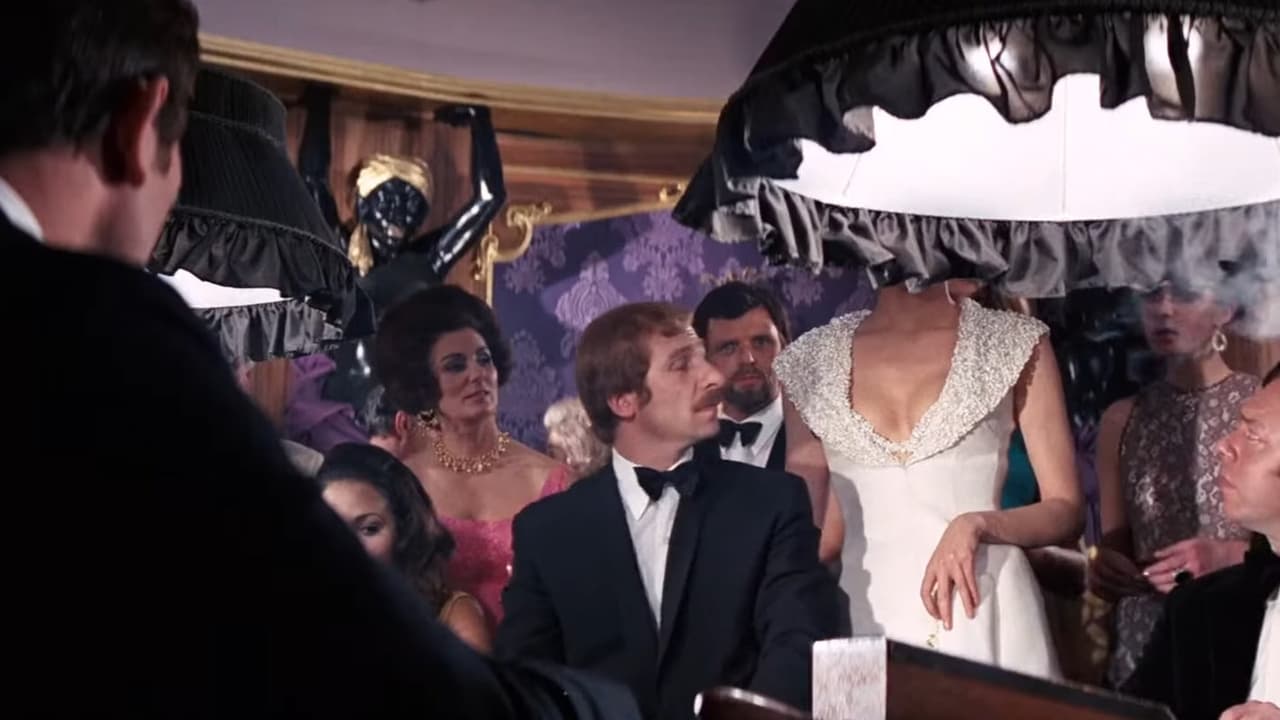
Before CGI ruined our sense of wonder, Peter R. Hunt sent stuntmen hurtling down actual bobsled runs and off the sides of mountains. The ski chases are terrifyingly fast, filmed with a "you-are-there" intensity that makes my knees ache just watching. I’ll go on record saying the bobsled finale is more thrilling than 90% of modern green-screen chases. They used a device called a "Pregame" camera sled to get right in the thick of the ice, and you can feel the bone-rattling vibration in every frame. It’s a masterpiece of practical execution, proving that nothing beats the physics of real humans moving through real space.
A Heart Beneath the Tuxedo
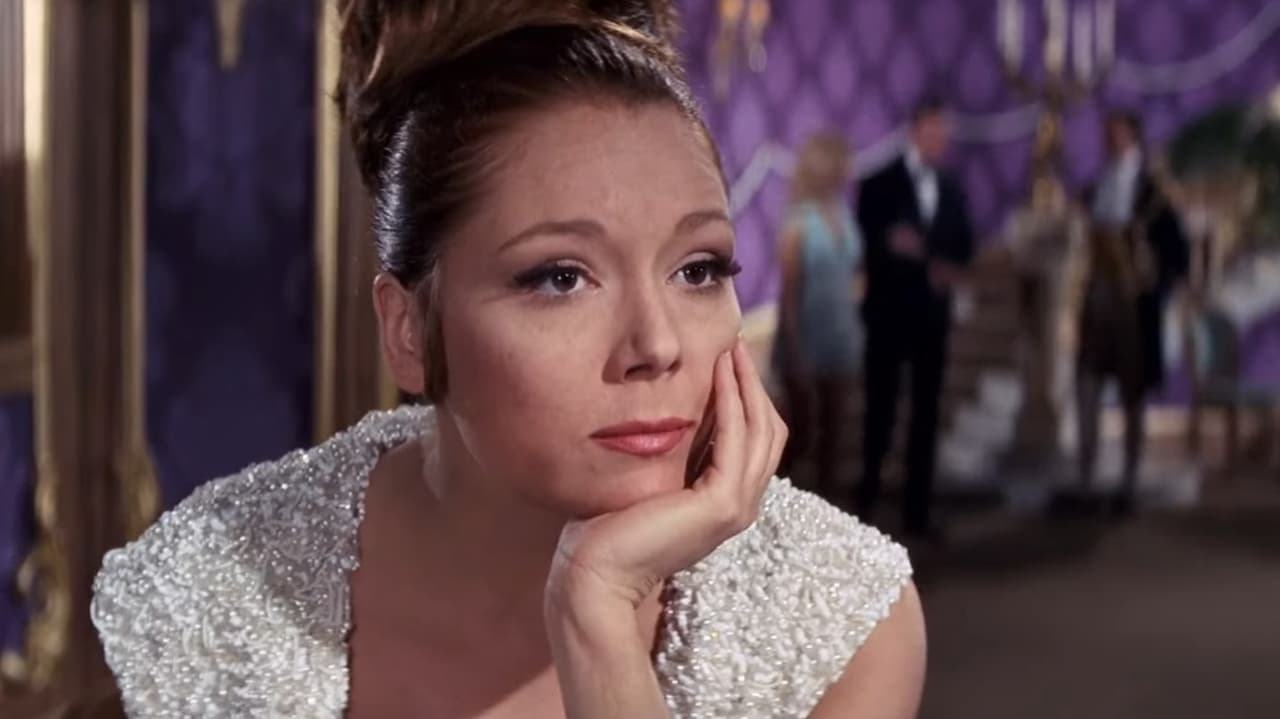
What truly elevates this film is Diana Rigg as Tracy Di Vicenzo. Fresh off her success in The Avengers, Diana Rigg doesn’t just play a "Bond Girl"; she plays Bond’s equal. She’s sharp, damaged, and fiercely independent. The romance doesn’t feel like a mandatory plot point; it feels like a genuine connection between two lonely people.
The film's ending remains the biggest gut-punch in the series. I won't spoil it for the uninitiated, but let’s just say it’s the only time James Bond feels like a tragic figure rather than an invincible icon. John Barry, arguably the greatest composer to ever touch the series, provides a score that trades the usual brassy swagger for a haunting, melancholic beauty. The theme song, "We Have All the Time in the World," sung by a frail Louis Armstrong, is enough to make a grown man weep into his salt-and-vinegar chips.
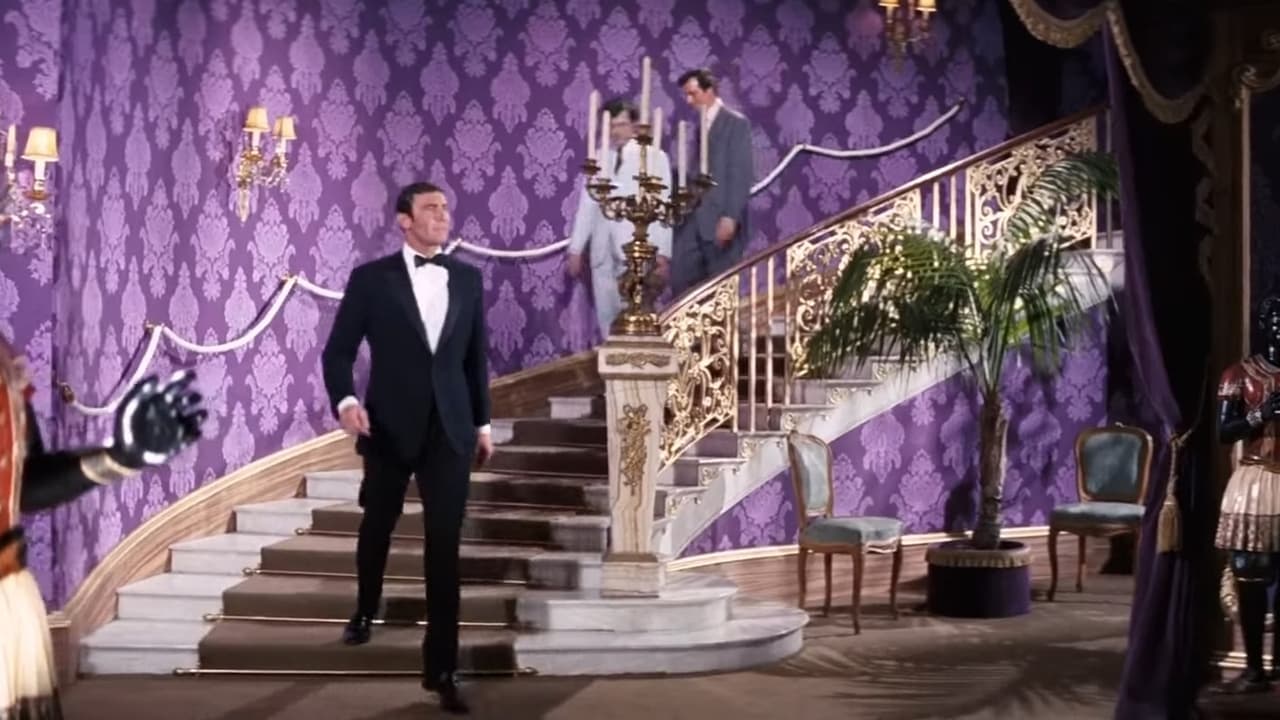
The VHS Rebirth
For years, OHMSS was the "lost" Bond movie. During the 1970s and 80s, it was rarely aired on TV because it didn't fit the campy, lighthearted mold that Roger Moore had established. However, the VHS era changed everything. In the late 80s, collectors started grabbing those bulky United Artists tapes and realizing that this "misfit" movie was actually a sophisticated, beautifully shot thriller.
The film grew a cult following among directors like Christopher Nolan and Steven Soderbergh, who recognized the sheer craft on display. It became the "connoisseur’s Bond." There’s a specific joy in finding a film that was dismissed in its time only to realize it was decades ahead of the curve. It turns out George Lazenby’s fourth-wall-breaking ad-lib in the opening—"This never happened to the other fellow"—wasn't just a joke; it was a promise that this movie was going to do something different.
Ultimately, On Her Majesty's Secret Service is a reminder of a time when the Bond franchise was willing to take massive creative risks. It trades gadgets for character and puns for genuine pathos. Whether you’re a die-hard fan of the James Bond Collection or just a lover of 60s action cinema, this one demands a re-watch. It’s a beautiful, cold, and surprisingly soulful peak in action history that finally got the respect it deserved once we all had the chance to watch it on our own terms.
Keep Exploring...
-
Thunderball
1965
-
You Only Live Twice
1967
-
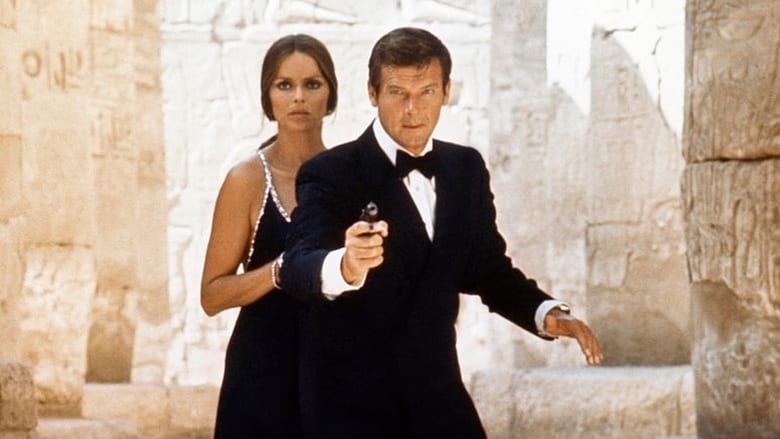
The Spy Who Loved Me
1977
-
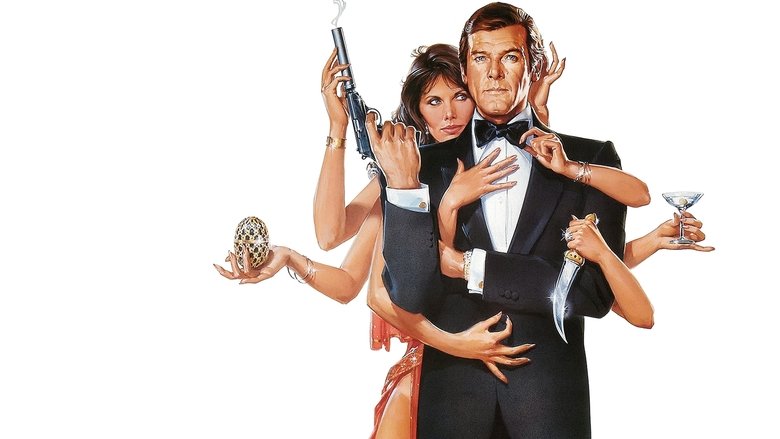
Octopussy
1983
-

Goldfinger
1964
-
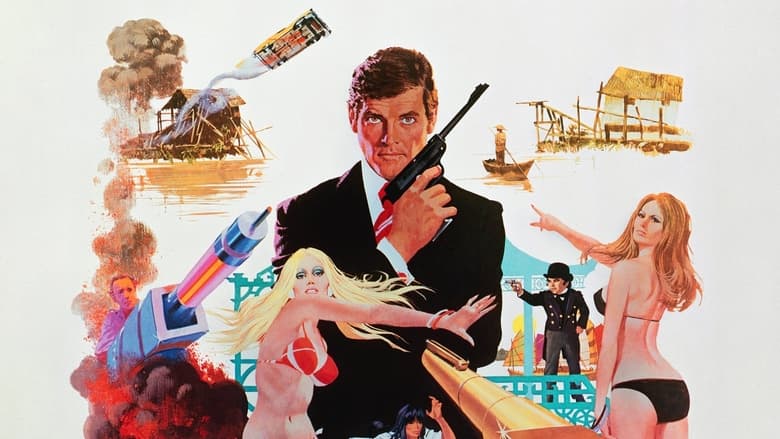
The Man with the Golden Gun
1974
-
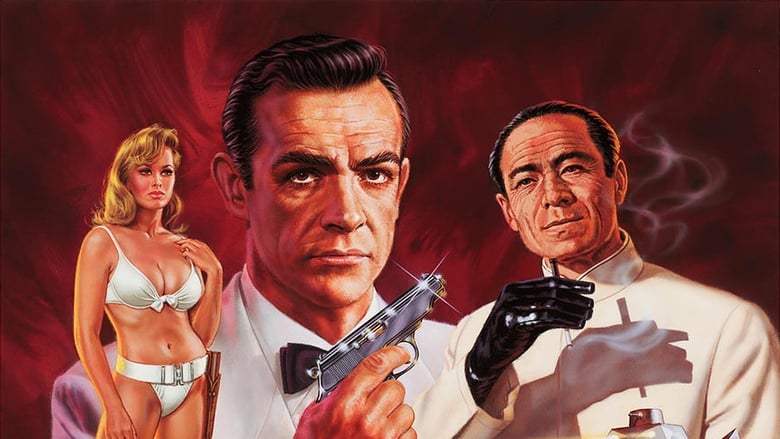
Dr. No
1962
-
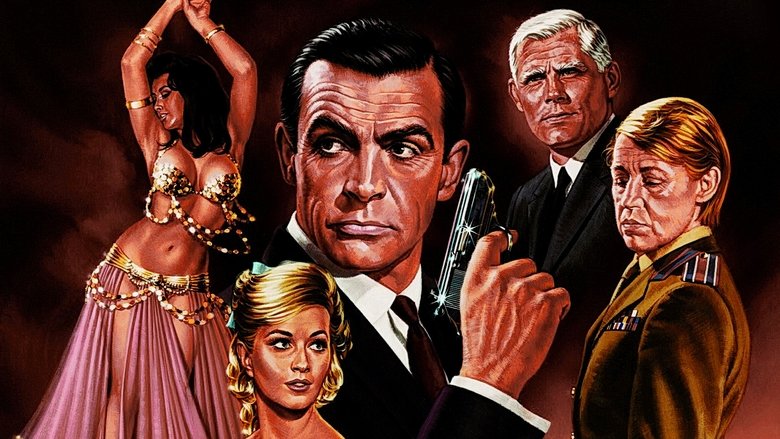
From Russia with Love
1963
-
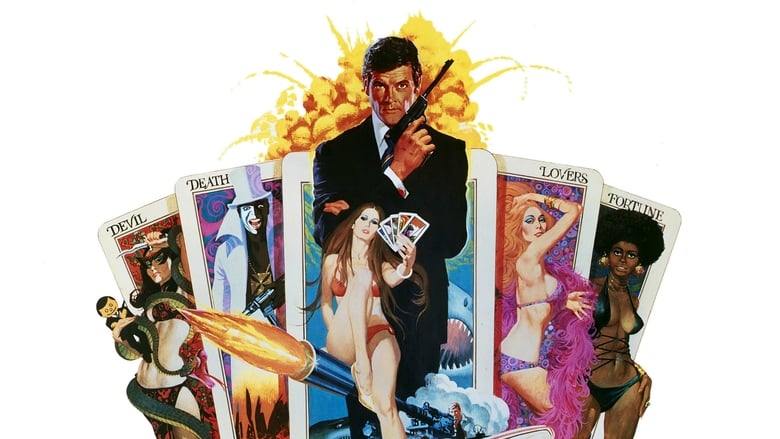
Live and Let Die
1973
-
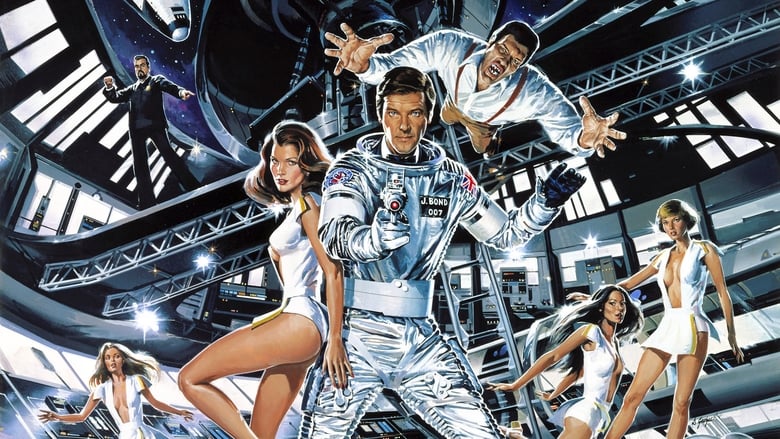
Moonraker
1979
-
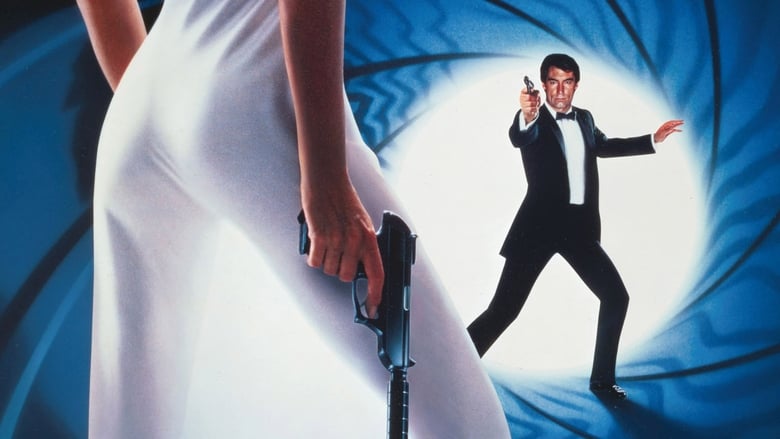
The Living Daylights
1987
-
For Your Eyes Only
1981
-
Licence to Kill
1989
-
Never Say Never Again
1983
-
A View to a Kill
1985
-
Diamonds Are Forever
1971
-
Quantum of Solace
2008
-
Tomorrow Never Dies
1997
-

The World Is Not Enough
1999
-
GoldenEye
1995