The Wild Bunch
"A bloody bridge between the Old West and the New World."

Children are the most honest monsters in the world. As the opening credits of The Wild Bunch roll, a group of kids giggles while watching a scorpion being slowly devoured by a swarm of fire ants. It’s a nasty, quiet little prologue that tells you exactly what Sam Peckinpah (the man they called "Bloody Sam") thinks about the transition from the 19th century to the 20th. It isn’t a grand march toward civilization; it’s just a bigger, more efficient swarm of ants eating the old predators. I watched this once in a dive bar in El Paso where the air conditioner was broken, and honestly, the sweat and the smell of stale beer made the whole thing feel like a 4DX experience.
The Red Sand of Progress
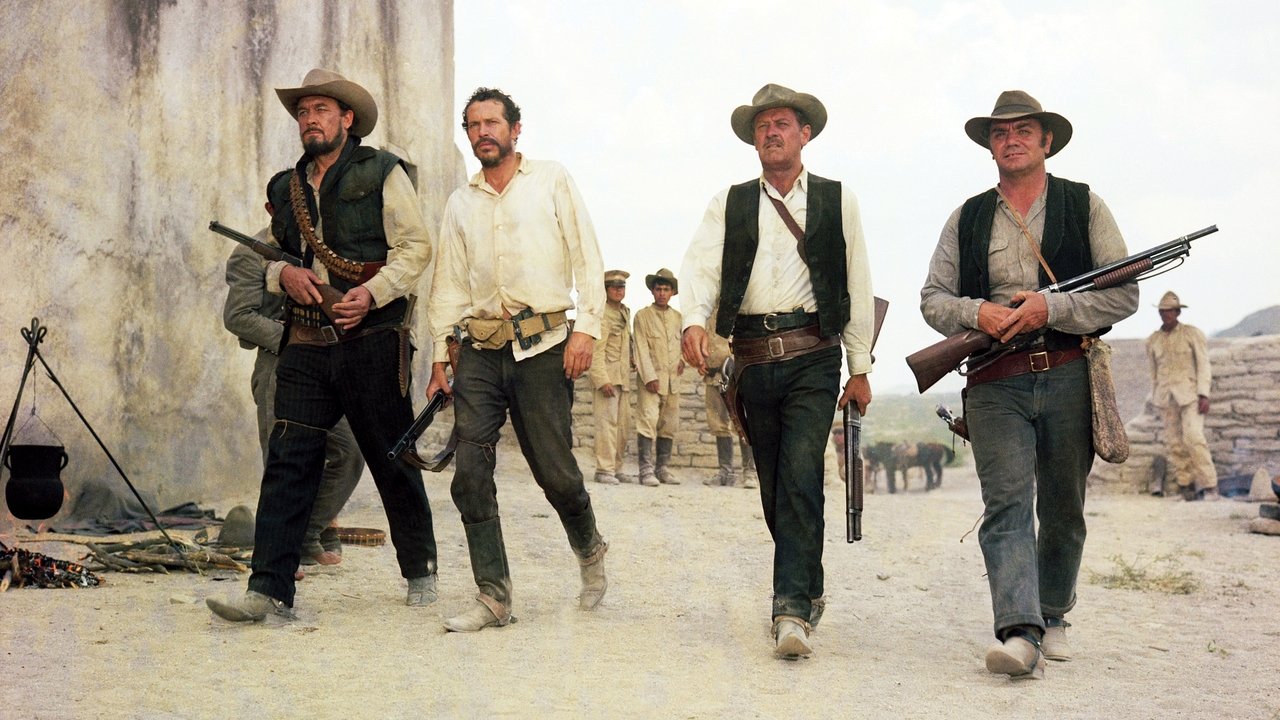
By 1969, the traditional Western was essentially on life support. The square-jawed heroics of John Wayne were being replaced by something uglier and more honest. The Wild Bunch didn’t just pull the plug; it blew the whole hospital up. Set in 1913, the film follows Pike Bishop, played with a weary, leather-skinned grace by William Holden. Pike and his gang are dinosaurs. They ride horses into a world of motorcars and Browning machine guns, realizing that the "High Noon" era of honor is dead.
This film sits at the absolute epicenter of the New Hollywood revolution. The studio system was crumbling, the Hays Code (which restricted onscreen violence) had finally collapsed, and Peckinpah was standing there ready to spray the screen with more squibs than anyone thought possible. It’s a drama that asks a terrifying philosophical question: What do you do when your only skill—killing—is suddenly being industrialized by governments? Peckinpah doesn’t give us an easy answer, but he sure gives us a lot of dust and cordite.
The Loyalty of Losers
The heart of the movie isn't the gunfights; it’s the relationship between the men. William Holden’s Pike and Ernest Borgnine’s Dutch Engstrom share a bond that feels more like a marriage than a partnership. There’s a scene where they’re sitting around a campfire, realizing they’re being hunted by their former friend Deke Thornton—played by Robert Ryan with a face that looks like it was carved out of a canyon wall.
The performances here are all-timers because they aren't playing "cowboys." They’re playing tired professionals who have stayed at the party way too long. Warren Oates and Ben Johnson (as the Gorch brothers) bring a crude, animalistic energy that balances out the philosophical weight of the leads. They’re mean, they’re sweaty, and they look like they haven’t seen a bar of soap since the Lincoln County War.
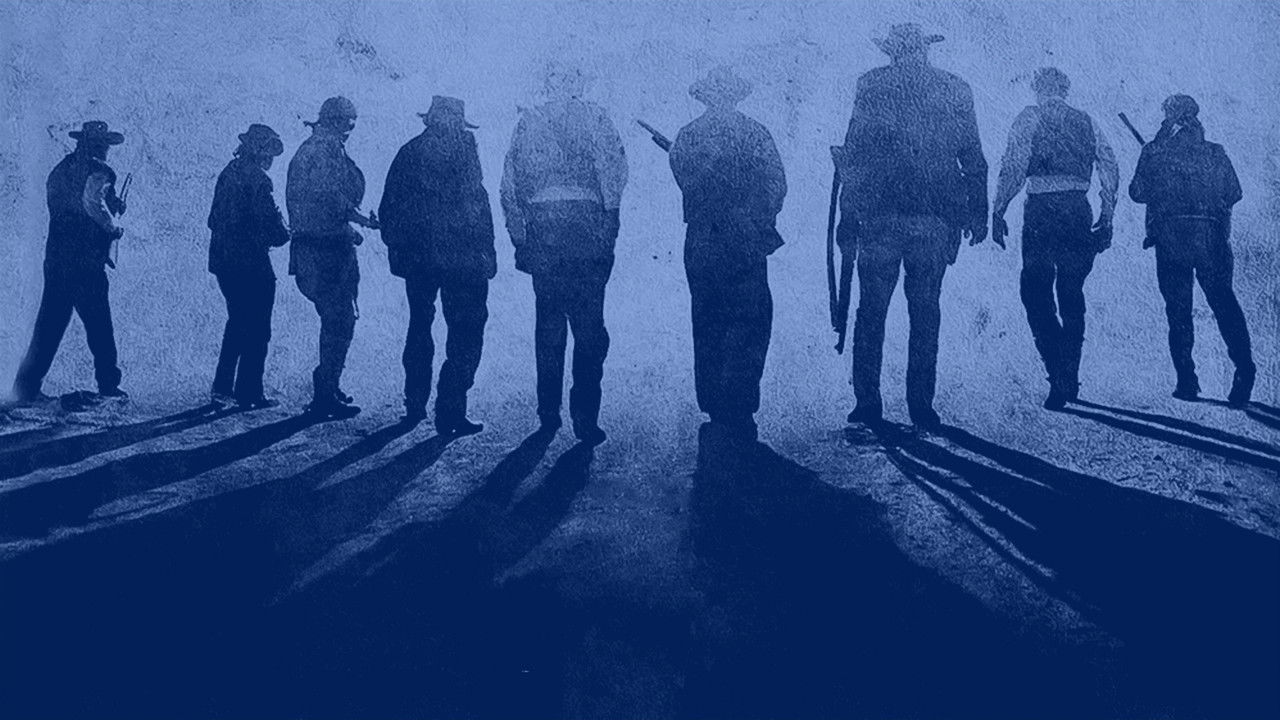
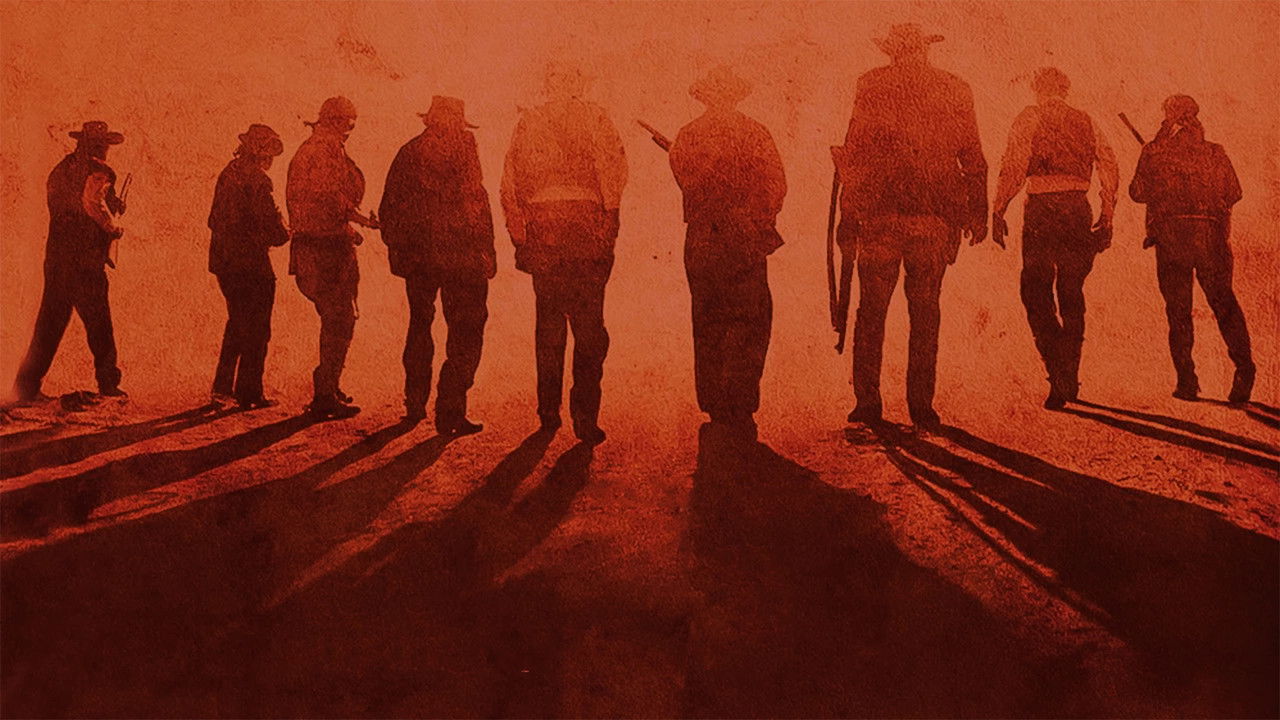
The tragedy of the "Bunch" is that they try to maintain a code of honor—"When you side with a man, you stay with him!"—in a world that has decided honor is an expensive luxury. It’s a deeply cerebral look at masculinity and obsolescence disguised as a high-octane heist movie. When they finally walk toward their doom in the legendary "Long Walk" sequence, it isn't for money or land. It’s for Jaime Sánchez’s character, Angel. They’re dying for a friend because, in 1913, that’s the only thing they have left that isn't for sale.
The Ballet of the Bullet
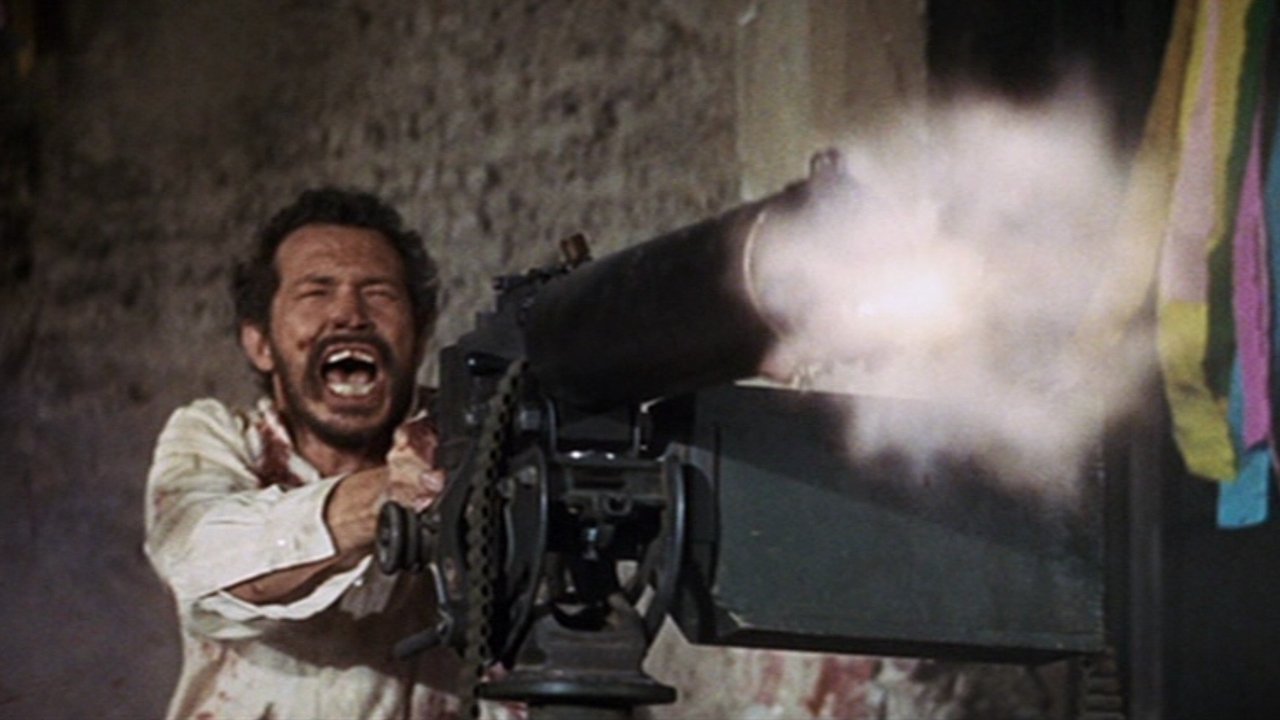
Technically, this movie is a miracle of practical effects. Before CGI allowed directors to be lazy, Peckinpah and editor Lou Lombardo used a multi-camera setup with varying frame rates to create a "ballet of death." They used nearly 10,000 brass casings and more blank rounds than were fired during the actual Mexican Revolution. The bridge explosion in the middle of the film looks better and more terrifyingly real than any $200 million Marvel climax I’ve seen in years.
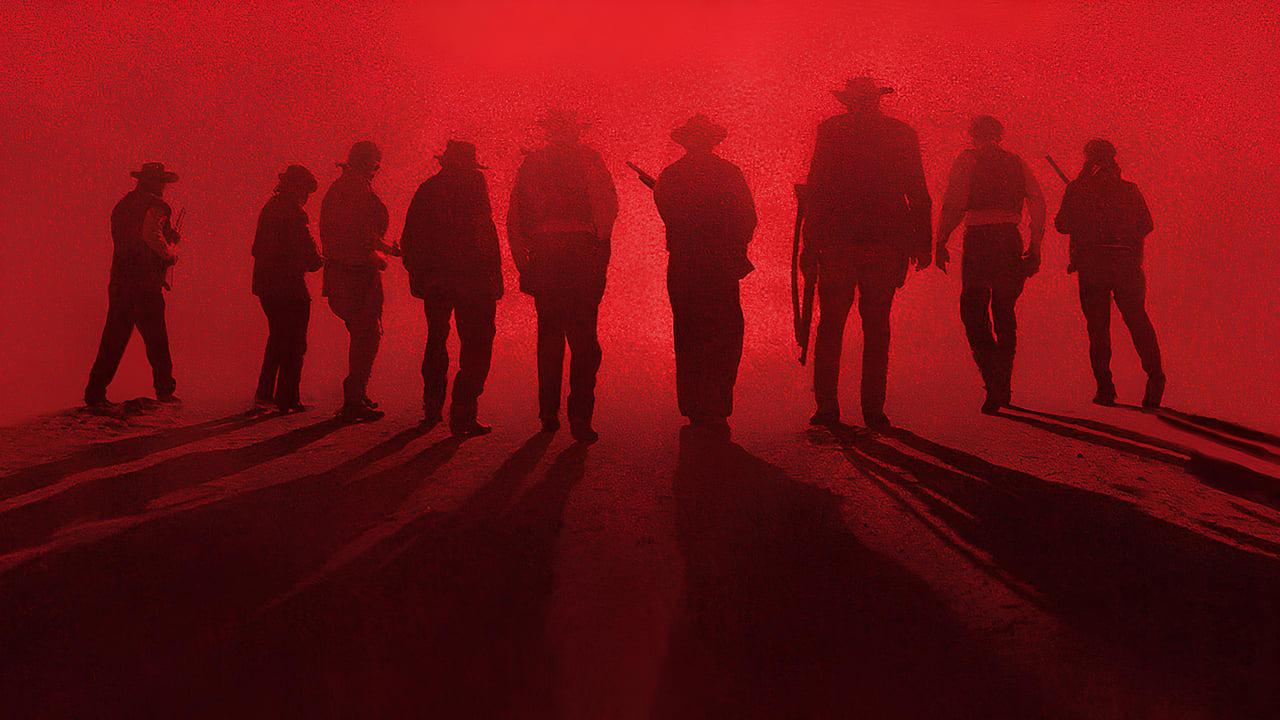
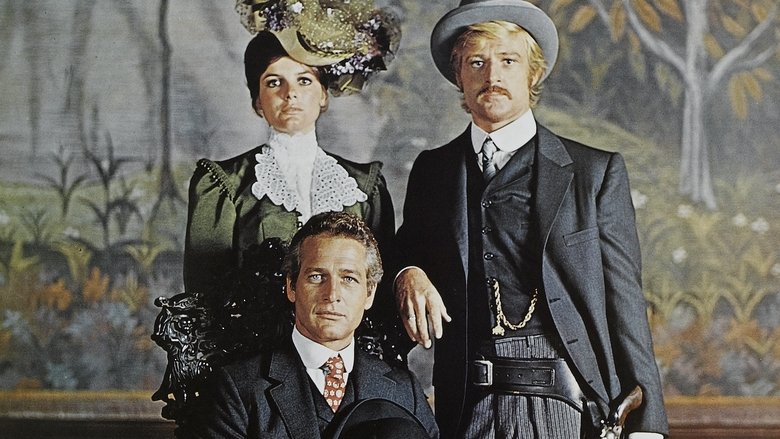
If you’ve only seen this on an old, cropped VHS tape, you haven't really seen it. This is a film that demands the widest screen possible to appreciate Lucien Ballard’s cinematography. It’s a "lost" masterpiece for many modern viewers because it’s so relentlessly grim, but there is a strange beauty in its nihilism. It vanished into the shadow of Butch Cassidy and the Sundance Kid for some, as that film offered a funnier, more romantic version of the outlaw myth. But The Wild Bunch is the one that sticks in your teeth.
Turns out, the production was just as chaotic as the film. The cast and crew were often actually drunk, the Mexican government was constantly suspicious of the politics, and Peckinpah was allegedly firing real guns on set to "get people’s attention." It’s a miracle it was ever finished, let alone that it became a cornerstone of cinematic history.
The Wild Bunch is a loud, bloody, and surprisingly thoughtful meditation on what it means to grow old in a world that doesn't want you anymore. It’s a film that respects its characters enough to show them at their worst and their best, often in the same scene. If you haven't seen it, find the restored director's cut, turn the volume up, and prepare to feel the heat of the Mexican sun. It’s the kind of cinema that reminds me why I fell in love with movies in the first place—it's raw, it's unapologetic, and it leaves a mark.
Keep Exploring...
-
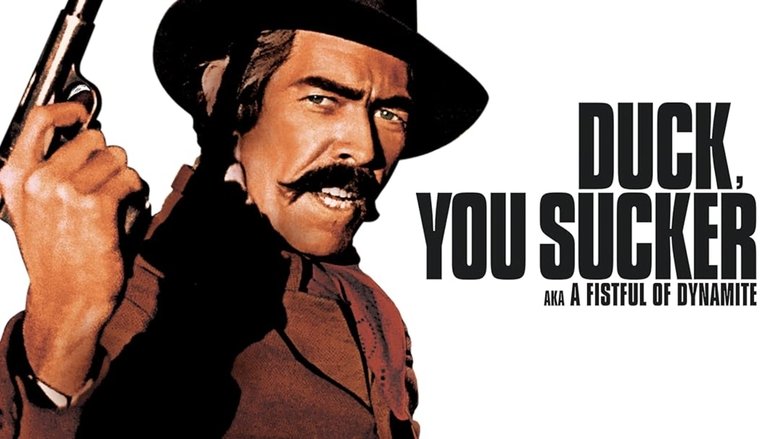
Duck, You Sucker
1971
-

The Man Who Shot Liberty Valance
1962
-
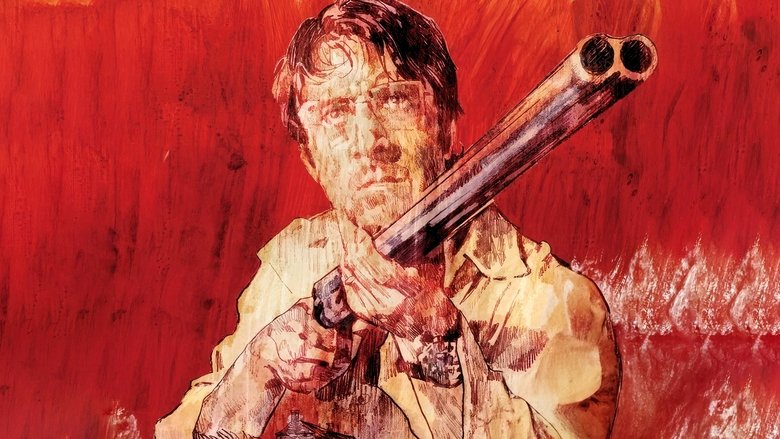
Straw Dogs
1971
-
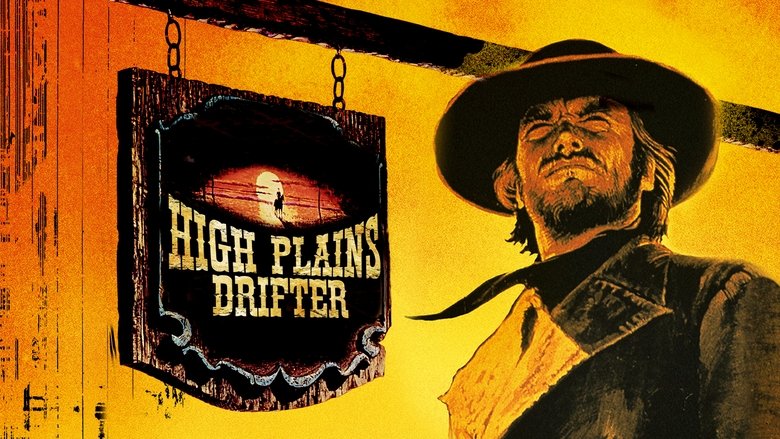
High Plains Drifter
1973
-
Once Upon a Time in the West
1968
-
My Fair Lady
1964
-
Who's Afraid of Virginia Woolf?
1966
-
A Fistful of Dollars
1964
-
For a Few Dollars More
1965
-
The Good, the Bad and the Ugly
1966
-
The Dirty Dozen
1967
-
Butch Cassidy and the Sundance Kid
1969
-
Harold and Maude
1971
-
Pale Rider
1985
-

The Magnificent Seven
1960
-
Django
1966
-
They Call Me Trinity
1970
-
Trinity Is Still My Name
1971
-
My Name Is Nobody
1973
-

Do the Right Thing
1989