Beneath the Planet of the Apes
"Nuclear prayers and psychic mutants: the ultimate downer."
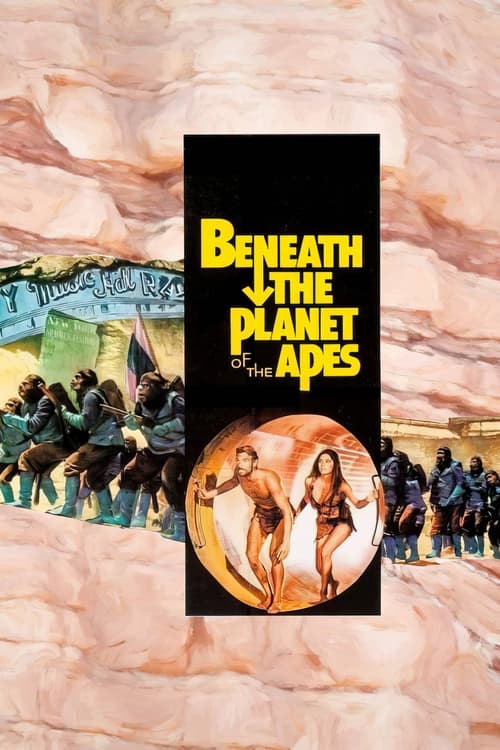
I watched Beneath the Planet of the Apes on a Tuesday evening while my cat, Barnaby, spent a solid ten minutes trying to catch a moth that had landed on my CRT television. Every time the moth fluttered near James Franciscus’s bewildered face, it felt like a weirdly appropriate interactive layer to a film that is, by all accounts, a fever dream caught on celluloid. It’s a movie that starts as a retread and ends as a suicide note for the entire human race, and frankly, I kind of love it for that audacity.
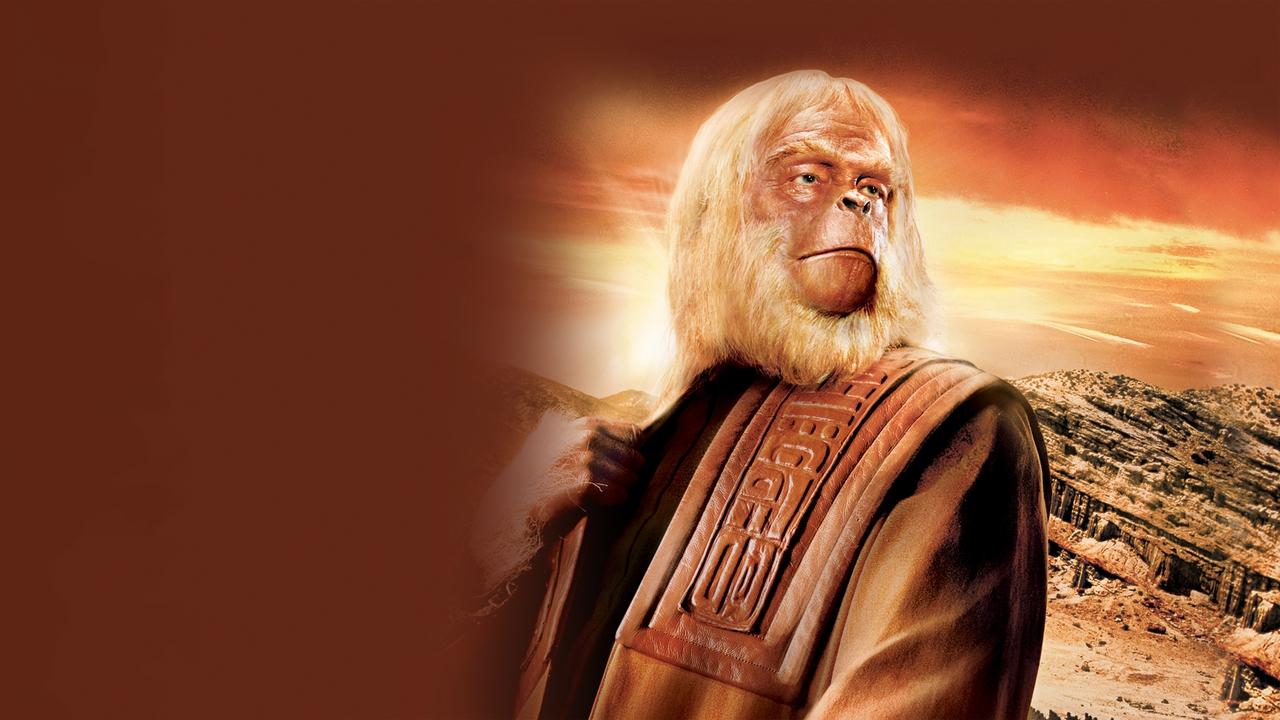
The Discount Astronaut Problem
The first thing you notice about Beneath is the distinct lack of Charlton Heston. After the monumental success of the 1968 original, Heston didn't want anything to do with a sequel. He eventually agreed to a brief cameo—on the condition that his character, Taylor, be killed off and that his paycheck be donated to charity. This left 20th Century Fox with a "Heston-shaped" hole in their script, which they filled with James Franciscus as Brent.
Franciscus is a fine actor, but here he’s essentially playing a Taylor cover band. He looks like Taylor, he wears the same rags as Taylor, and he spends the first forty minutes following Taylor’s exact GPS coordinates. It gives the first half of the film a "deja vu" quality that feels a bit like a budget-conscious rerun. This wasn't helped by the fact that Fox slashed the budget in half compared to the first film. If you look closely at the background scenes in the Ape City, you’ll notice that many of the background extras are wearing flat, unmoving rubber masks instead of the sophisticated appliances designed by John Chambers. It’s the kind of thriftiness that defined the transition from the studio era to the scrappy 70s, and while it lacks the polish of the original, it adds a certain "B-movie" grit that I find endearing.
Psychic Mutants and Subterranean Chic
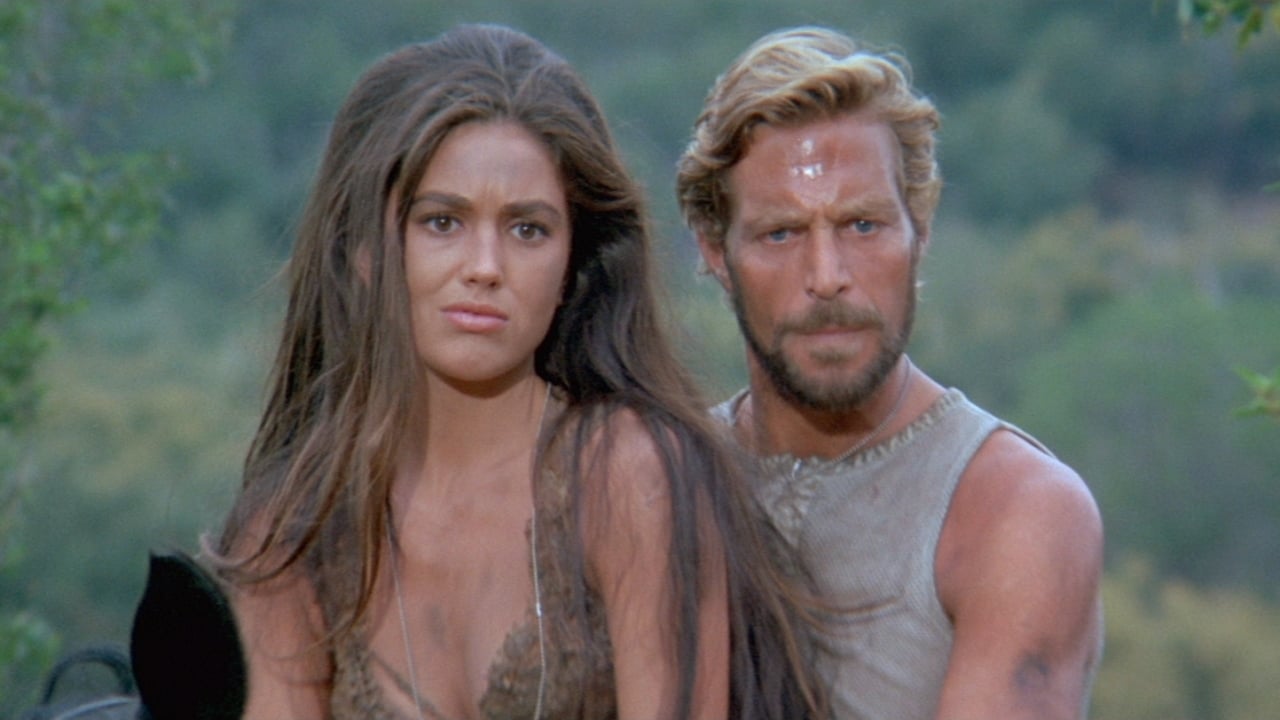
Everything changes when Brent and Nova (Linda Harrison) wander into the Forbidden Zone and stumble into the ruins of the New York City subway system. This is where director Ted Post—who had just come off the gritty Clint Eastwood western Hang 'Em High—really leans into the weirdness. We trade the sunny, dusty world of the apes for a subterranean nightmare populated by telepathic humans who worship a nuclear bomb.
These aren't your standard movie mutants. They wear pristine white robes and masks of human skin, concealing radiation-scarred faces that look like raw hamburger meat. The sequence where they "reveal their true selves" during a religious hymn dedicated to the "Holy Weapon" is genuinely unsettling. It’s a masterclass in 70s cynicism. While the first film was a social satire about religion and science, Beneath is a nihilistic scream about the inevitability of the Cold War ending in a mushroom cloud. Paul Richards plays the mutant leader Mendez with a chilling, soft-spoken zealotry that makes the gun-toting gorillas in the streets above look reasonable by comparison.
A Masterpiece of Practical Despair
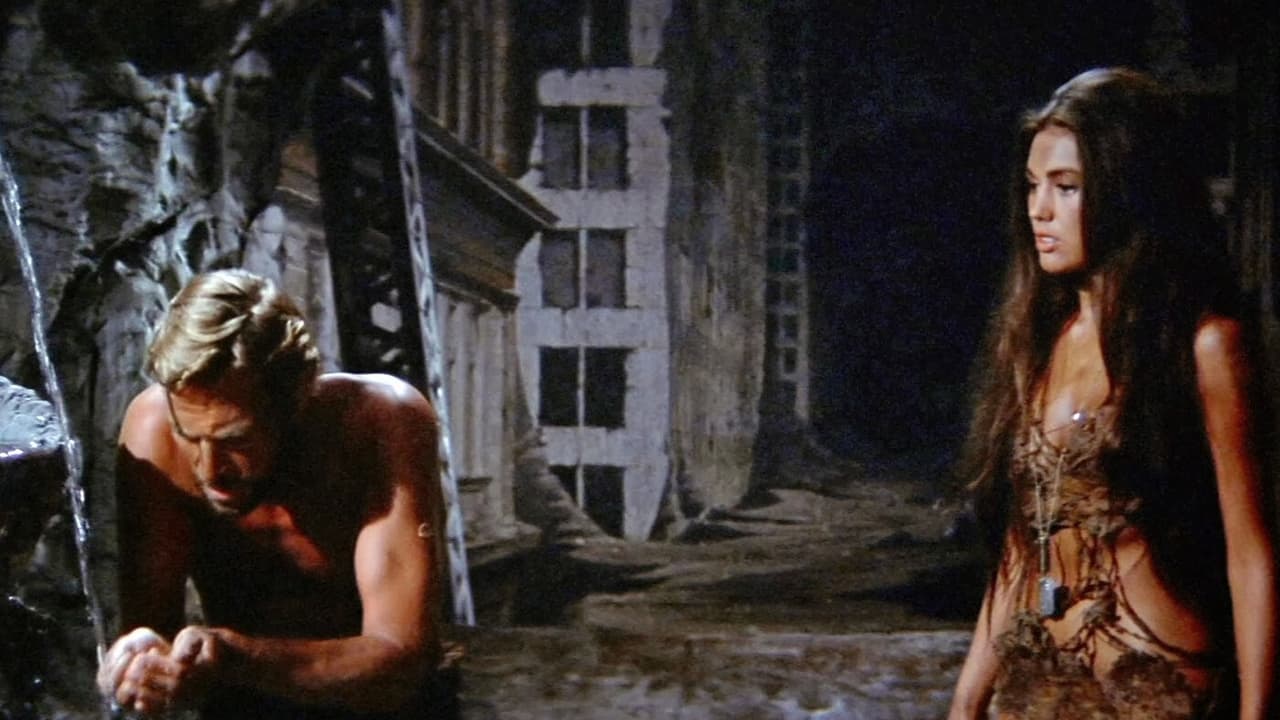
Visually, the film relies heavily on matte paintings to depict the ruins of St. Patrick’s Cathedral and Radio City Music Hall. There’s a specific texture to these paintings—a moody, hand-painted gloom—that CGI simply cannot replicate. It gives the underground world a haunted, theatrical vibe. When you couple that with Leonard Rosenman’s score, which swaps the primitive percussion of the first film for discordant, metallic shrieks, the atmosphere becomes suffocating in the best way possible.
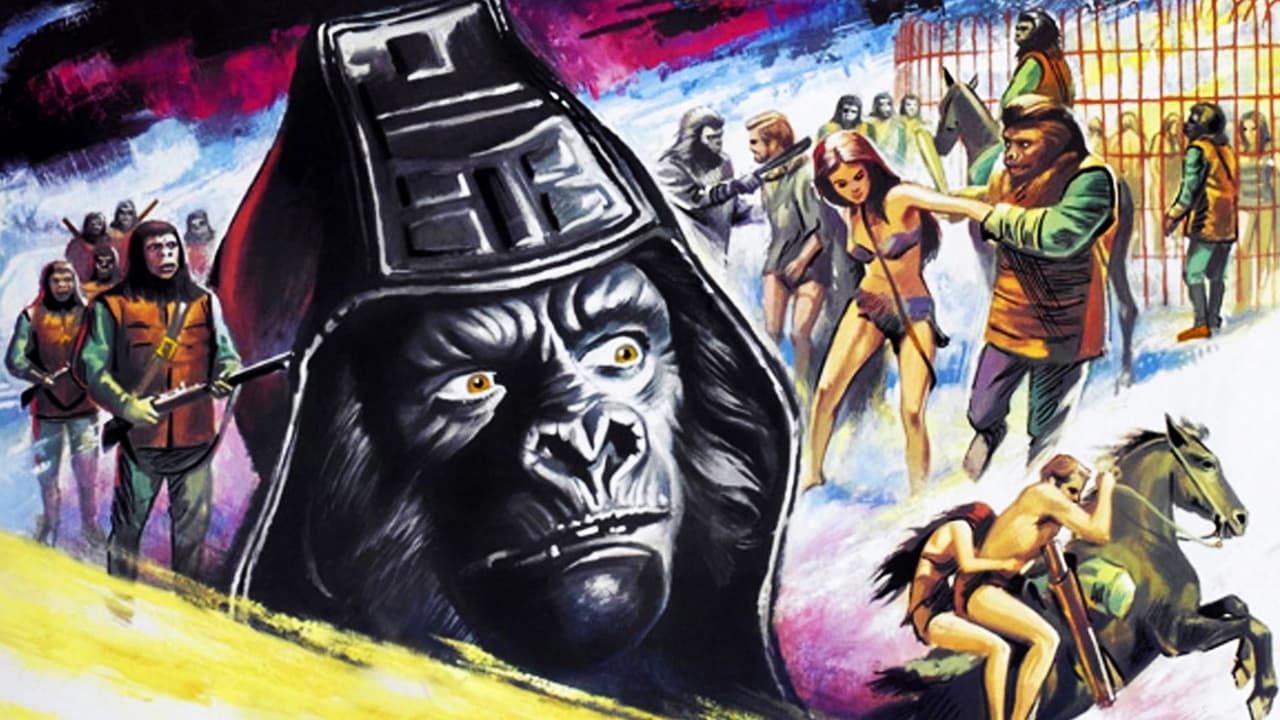
I remember finding this tape at a "Video Hut" in the late 80s. The cover art featured a giant ape head looming over a ruined city, a classic piece of VHS marketing that promised a grander spectacle than the budget could actually afford. But as a kid, the "Rewind" button was invented for the moment the mutants use their psychic powers to force Brent and Taylor to fight each other. Watching James Franciscus and Charlton Heston wrestle in a jail cell while a glowing nuclear missile sits in the background is the peak of 1970s "what the hell am I watching" cinema.
Beneath the Planet of the Apes is a messy, compromised, and occasionally cheap-looking sequel that somehow manages to be one of the most memorable follow-ups in sci-fi history. It refuses to play it safe, opting instead to burn the entire franchise down in its closing seconds. While it lacks the intellectual weight of its predecessor, its descent into psychic madness and nuclear dread makes it a fascinating artifact of an era where even blockbusters weren't afraid to be profoundly unhappy. It’s the perfect movie for a rainy night when you’re feeling a little bit cynical about the state of the world.

Keep Exploring...
-
Escape from the Planet of the Apes
1971
-
Conquest of the Planet of the Apes
1972
-
Battle for the Planet of the Apes
1973
-
Planet of the Apes
1968
-
Soylent Green
1973
-
Star Trek: The Motion Picture
1979
-

Magnum Force
1973
-

Westworld
1973
-

Flash Gordon
1980
-
Superman III
1983
-
Star Trek III: The Search for Spock
1984
-
Cocoon
1985
-
Flight of the Navigator
1986
-
The Great Mouse Detective
1986
-

Masters of the Universe
1987
-

Star Trek V: The Final Frontier
1989
-
Time Bandits
1981
-
Mission to Mars
2000
-

Paycheck
2003
-
Sky Captain and the World of Tomorrow
2004