M*A*S*H
"War is messy. Sanity is optional."
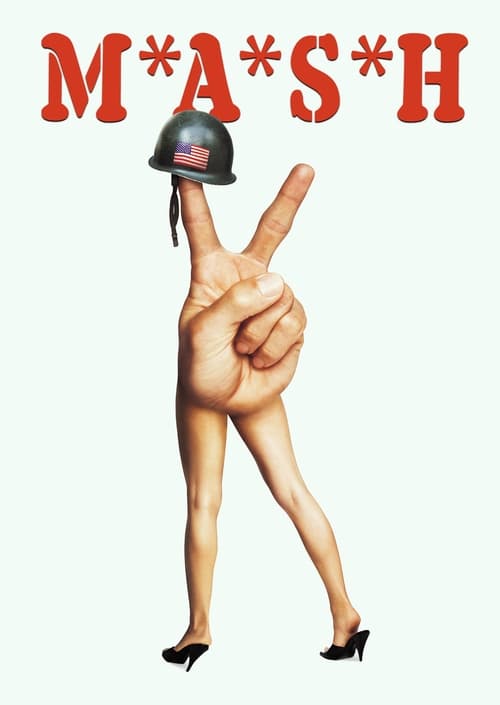
The first thing you notice about Robert Altman’s MASH isn’t the blood or the jokes—it’s the noise. It’s a cacophony of overlapping voices, PA announcements that lead nowhere, and the rhythmic thwack-thwack-thwack* of incoming helicopters. Most war movies of the 1960s were tidy, patriotic affairs with clear lines of command and heroes who looked like they’d just stepped out of a barbershop. Then 1970 hit, and Altman dropped a bomb on the genre that was as messy, cynical, and deliriously funny as the decade that followed.
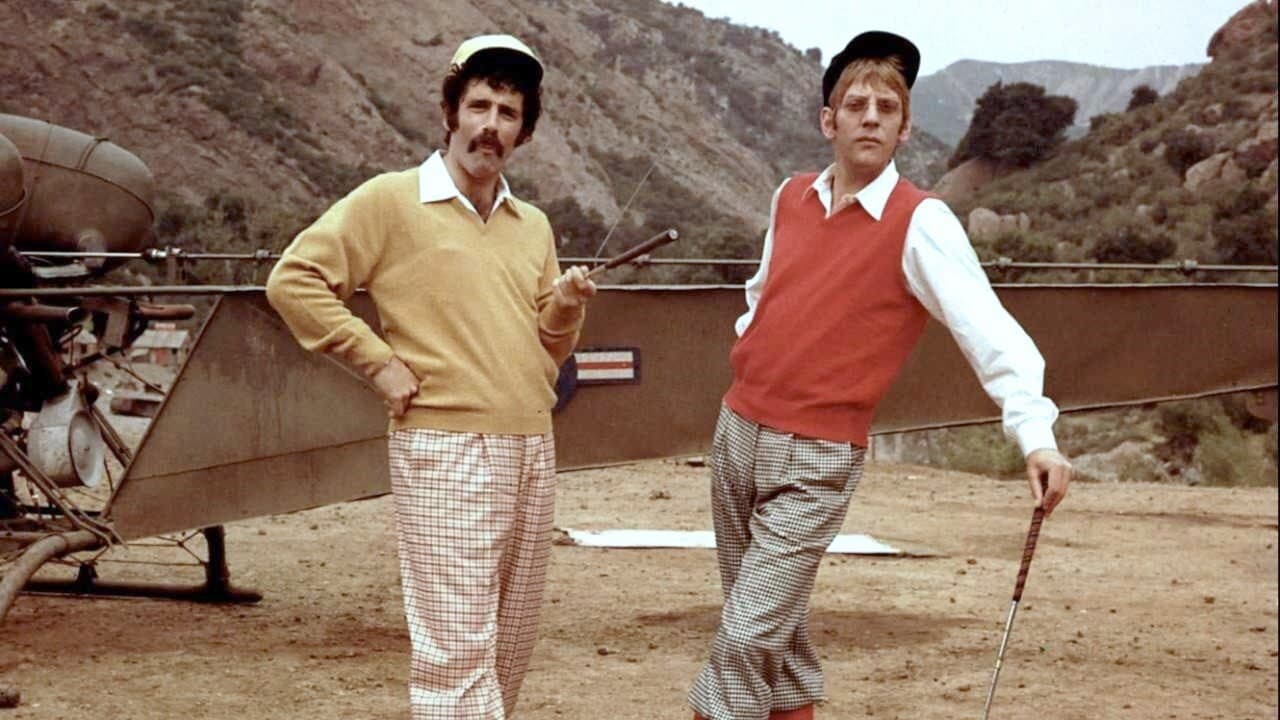
I recently revisited this one on a humid Sunday afternoon while my neighbor was running a leaf blower directly outside my window. Normally, that would drive me up the wall, but the external racket actually blended perfectly with the chaotic soundscape of the 4077th. It felt like I was sitting right there in the Swamp with a martini in hand.
The Anti-Heroes of the Meat Wagon
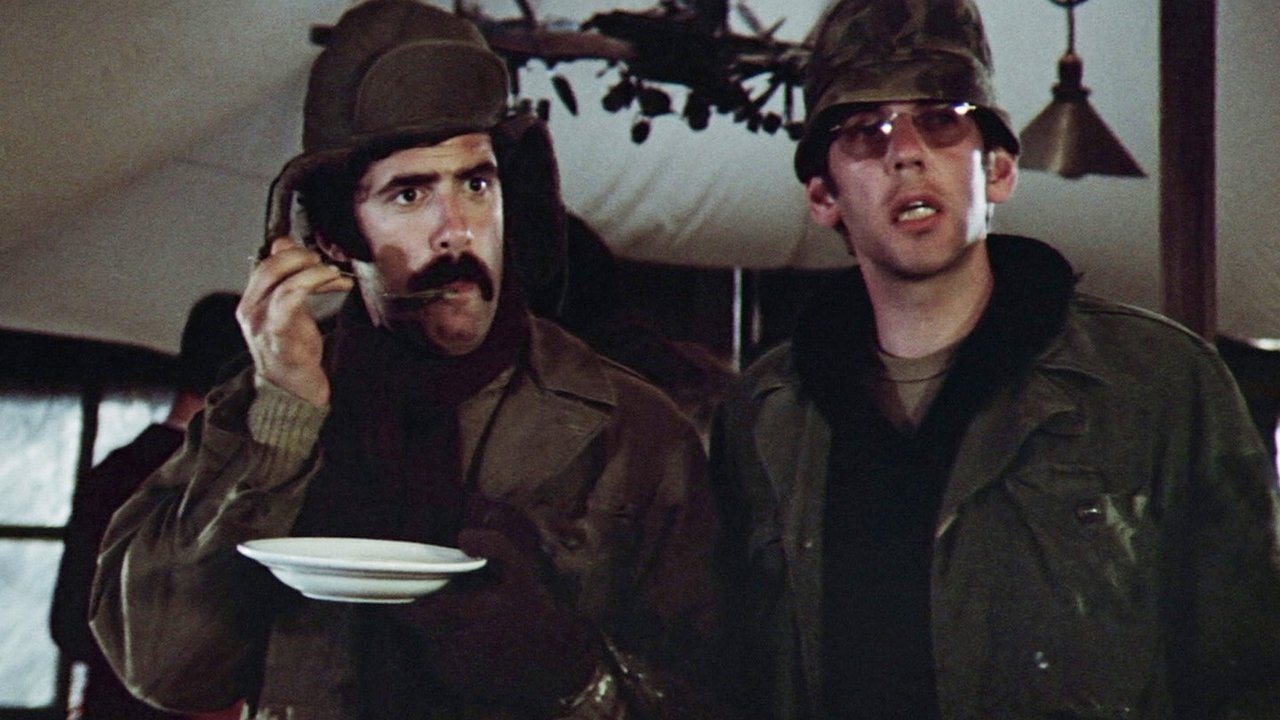
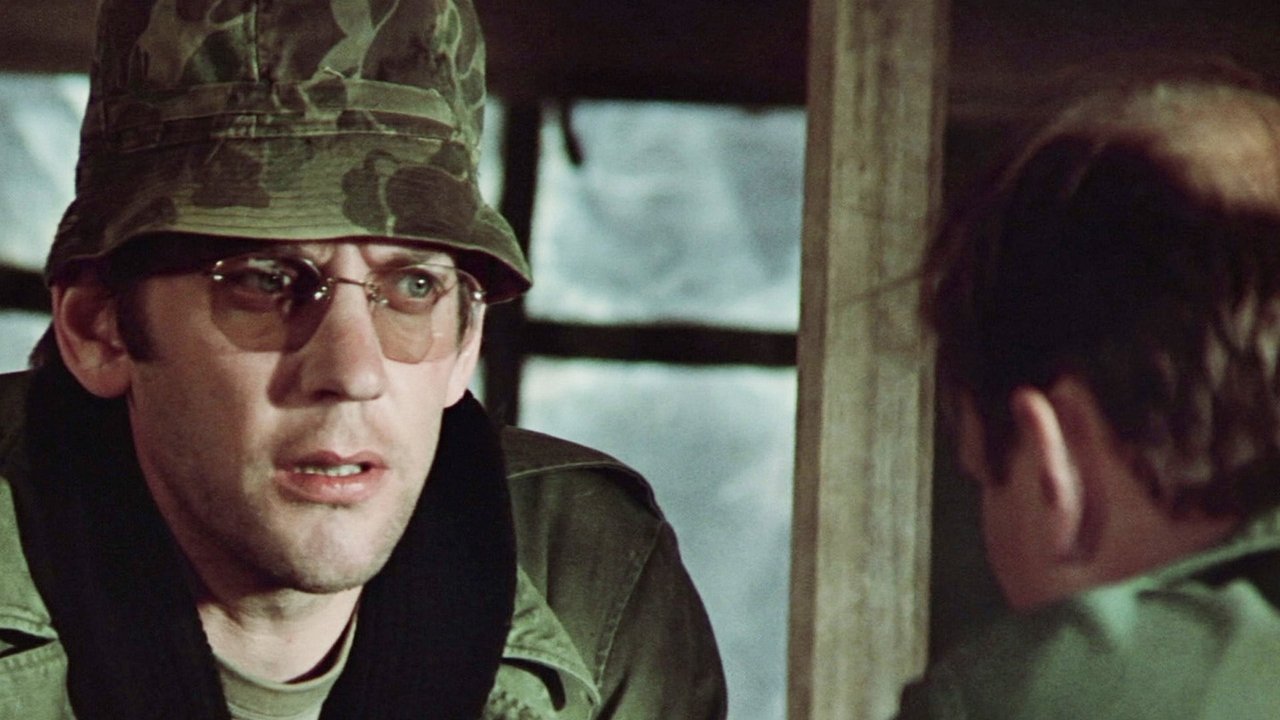
At its core, MASH* is a film about the "New Hollywood" rebellion. You have Donald Sutherland as Hawkeye Pierce and Elliott Gould as Trapper John McIntyre, two surgeons who treat the army’s chain of command with the same level of respect a cat gives a ball of yarn. They aren't "soldiers" in the traditional sense; they’re high-functioning draft-dodgers who happen to be wizards with a scalpel.
Donald Sutherland brings a lanky, detached cool to Hawkeye that feels worlds away from the version Alan Alda would later popularize on TV. Sutherland’s Hawkeye is colder, more arrogant, and arguably more realistic. When he and Elliott Gould—who is at his peak 70s-shambolic best here—are on screen together, the chemistry is electric. They move through the camp like they own the place, because in a world where everyone is dying, the guys who can sew them back together hold all the cards. Their arrogance is their armor, and watching them systematically dismantle the "proper" military officers like Robert Duvall’s Frank Burns is a masterclass in anti-establishment glee.
A Bloody Transition to Home Video
For those of us who grew up in the VHS era, MASH* was a staple of the "Classic" section at the local rental haunt. I remember the 20th Century Fox video box with its iconic "thumbs up" logo—a stark contrast to the grim reality of the film itself. Watching this on a grainy tape actually adds to the experience. The cinematography by Harold E. Stine is intentionally muddy and lived-in; it doesn't need 4K resolution to tell you that these people haven't showered in a week.
There’s a specific texture to 1970s filmmaking that was lost when everything went digital. You can see it in the way Altman uses long lenses to "spy" on his actors from behind bushes or tents. It makes the 4077th feel like a real place, not a set. Behind the scenes, the production was famously fraught. Donald Sutherland and Elliott Gould were so frustrated by Altman’s improvisational, non-linear style that they actually tried to get him fired during filming. They thought he was making a disaster. Little did they know they were helping invent a new language for cinema—one where the "vibe" of a scene mattered more than the plot.
The Cruelty and the Comedy
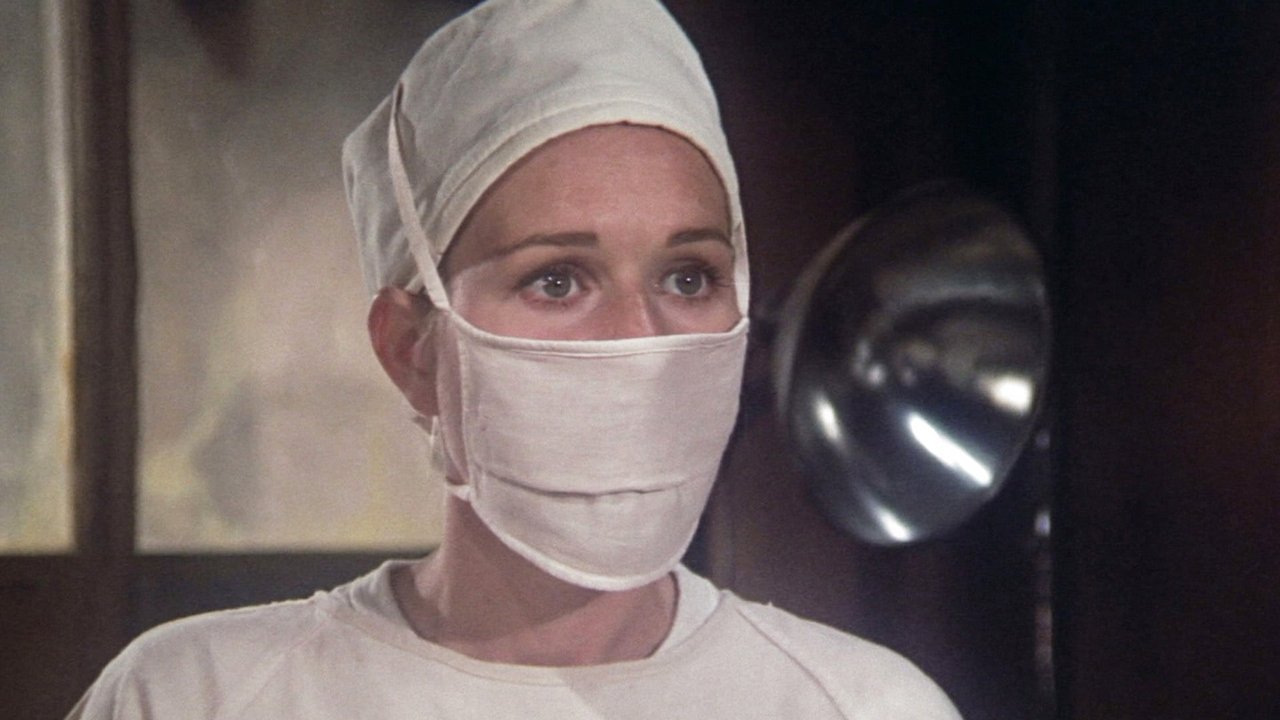
It’s impossible to talk about MASH* without acknowledging that it’s a product of its time. The treatment of Sally Kellerman’s "Hot Lips" Houlihan is the most glaring example. The "shower scene" is a legendary piece of cinema, but the way the film treats her as a punchline for being a disciplined soldier is genuinely mean-spirited when viewed through a modern lens. Yet, that’s also the point of the film’s brutal honesty. These men are under immense pressure; they are surgeons in a slaughterhouse. Their humor is dark, sexist, and often cruel because they are trying to keep the horror of the operating room at bay.
The operating room scenes are where the drama hits the hardest. Altman doesn't shy away from the gore. The bright red blood splashing against the olive-drab fatigues is a visual reminder that while the guys are playing golf or pulling pranks, there is a literal meat-grinder running 24/7 just a few yards away. It’s this tonal whiplash—from a suicide-themed "Last Supper" parody to a frantic surgery—that makes the film so resonant. It captures the absurdity of the Vietnam era (thinly veiled as the Korean War) better than almost any "serious" drama could.
While the final act’s extended football game drags on for what feels like an eternity—it’s essentially a 15-minute detour that belongs in a completely different movie—the rest of MASH* remains a sharp, jagged piece of counter-culture brilliance. It’s a film that demands your attention and rewards you with a cynical, hilarious, and ultimately human look at how we survive the unthinkable. If you’ve only ever seen the TV show, do yourself a favor: grab a gin and tonic, ignore the neighbor’s leaf blower, and see the original 4077th in all its messy, R-rated glory.
Keep Exploring...
-
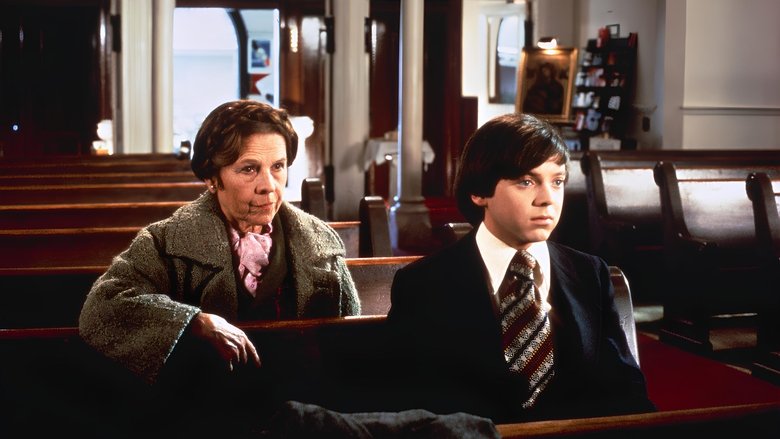
Harold and Maude
1971
-
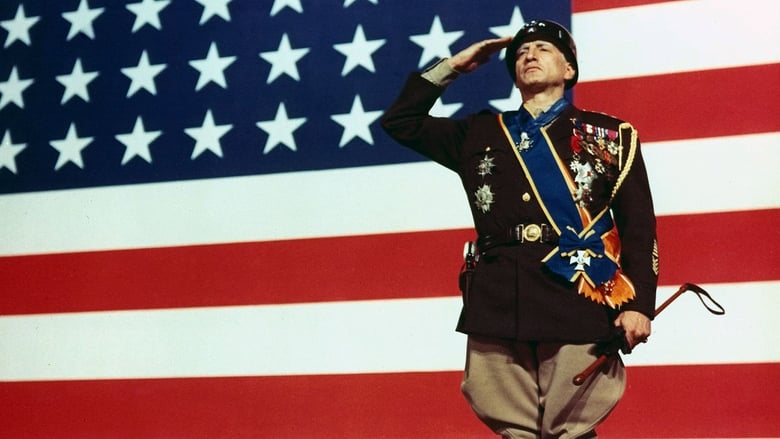
Patton
1970
-
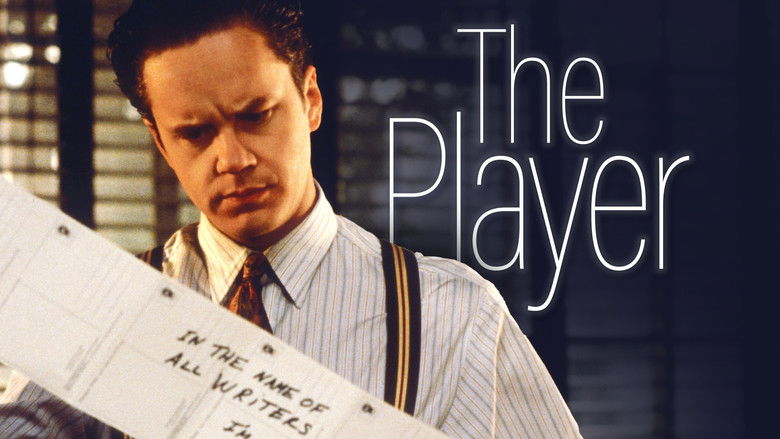
The Player
1992
-
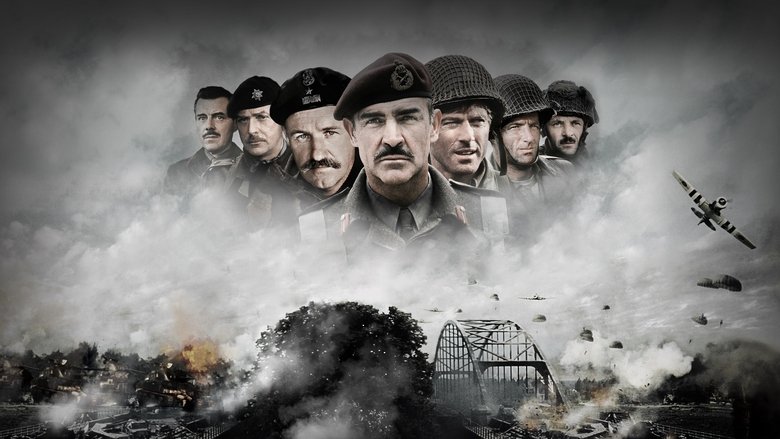
A Bridge Too Far
1977
-
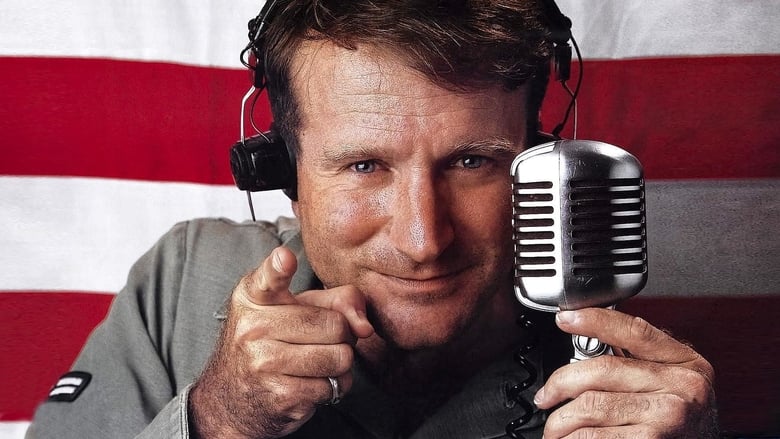
Good Morning, Vietnam
1987
-

Don't Look Now... We're Being Shot At!
1966
-
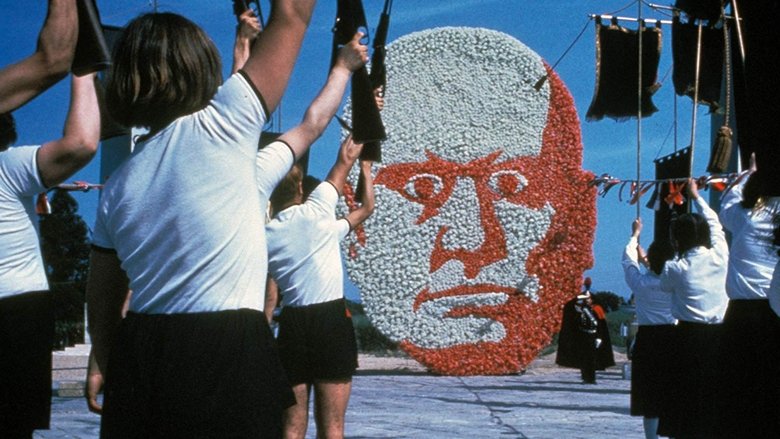
Amarcord
1973
-
The Longest Day
1962
-

The Graduate
1967
-

American Graffiti
1973
-
Being There
1979
-
Escape to Victory
1981
-
Sophie's Choice
1982
-

Risky Business
1983
-
Red Dawn
1984
-
Cocoon
1985
-

An American Tail
1986
-
Hannah and Her Sisters
1986
-
Heartbreak Ridge
1986
-
¡Three Amigos!
1986