Patton
"A 20th-century king born in the wrong millennium."
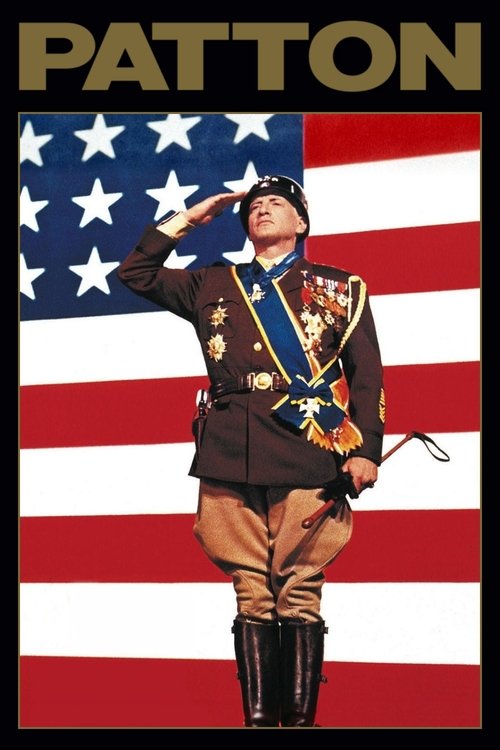
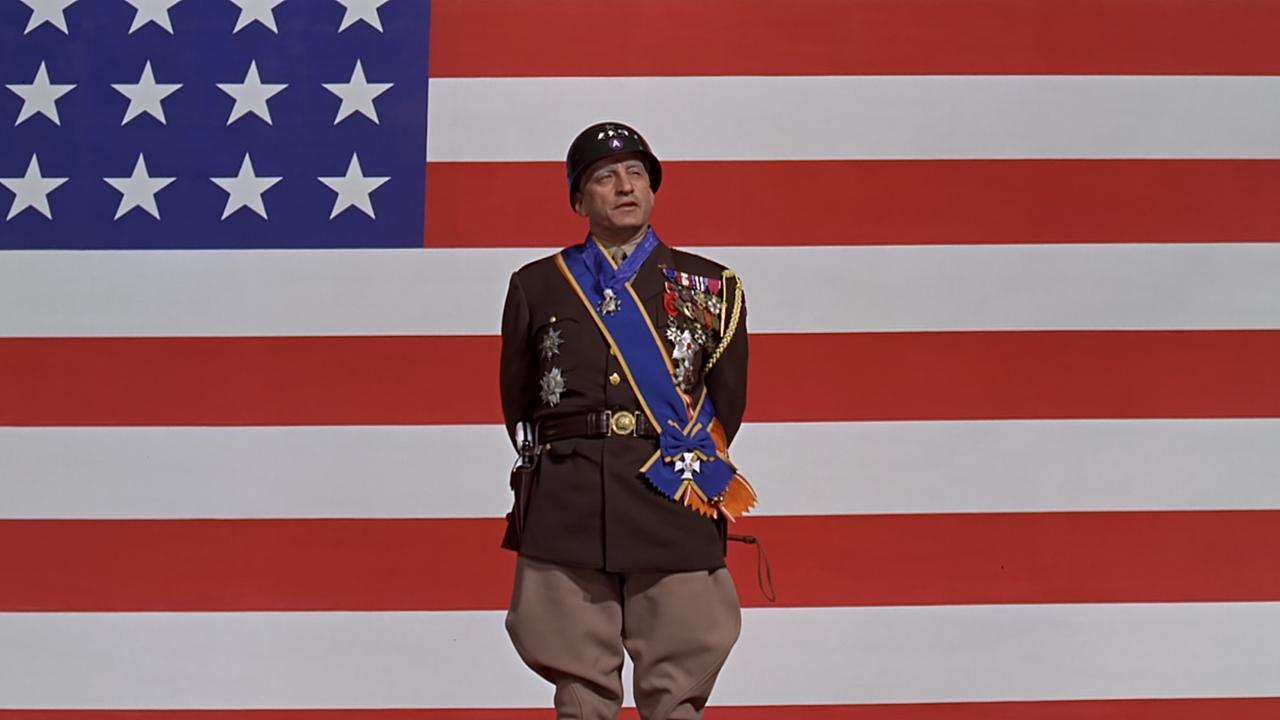
The massive American flag that fills the screen in the opening minutes of Patton isn't just a backdrop; it’s a psychological wall. It’s an overwhelming, vibrating field of red, white, and blue that dwarfs the man standing in front of it. When George C. Scott finally speaks, his voice doesn’t boom with the buttery richness of a Hollywood hero. It’s a dry, raspy growl—the sound of a man who has swallowed enough desert sand and spent-shell smoke to turn his vocal cords into sandpaper. I watched this on a Sunday morning while my neighbor was aggressively leaf-blowing, and the persistent, low-frequency drone outside actually provided a strangely appropriate mechanical hum for the tank battles on screen.
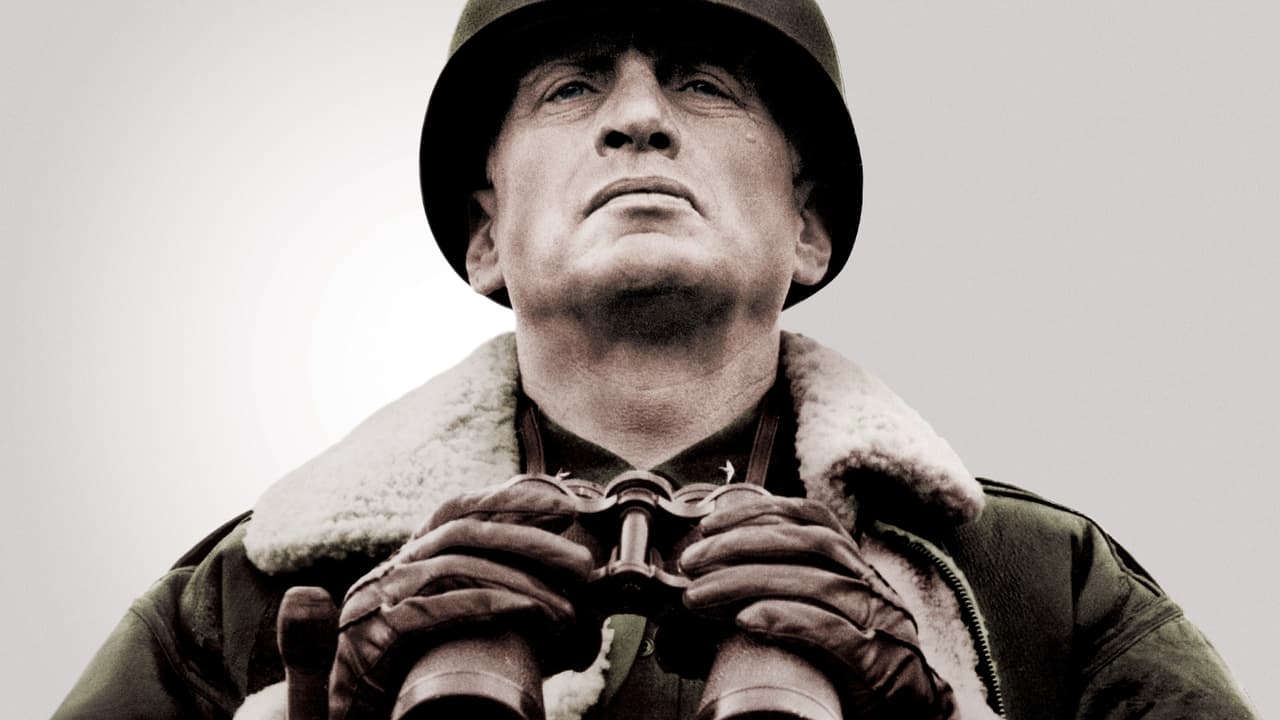
The Man Behind the Ivory Grips
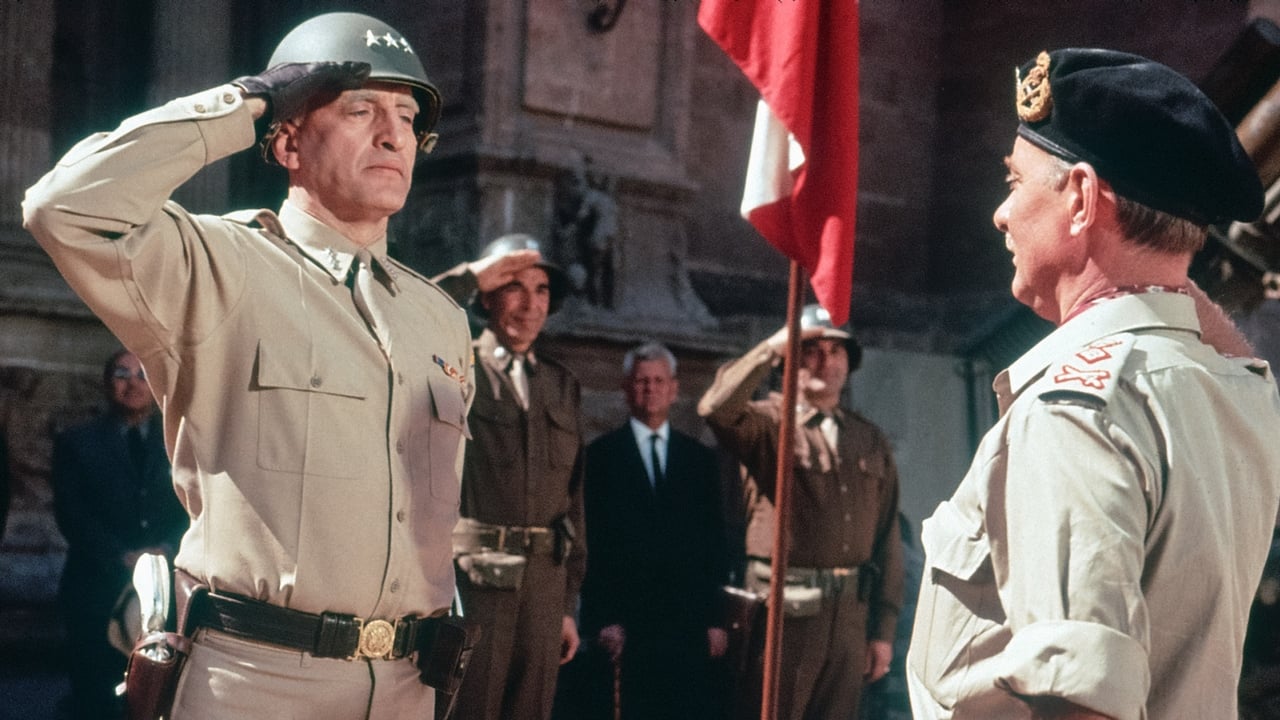
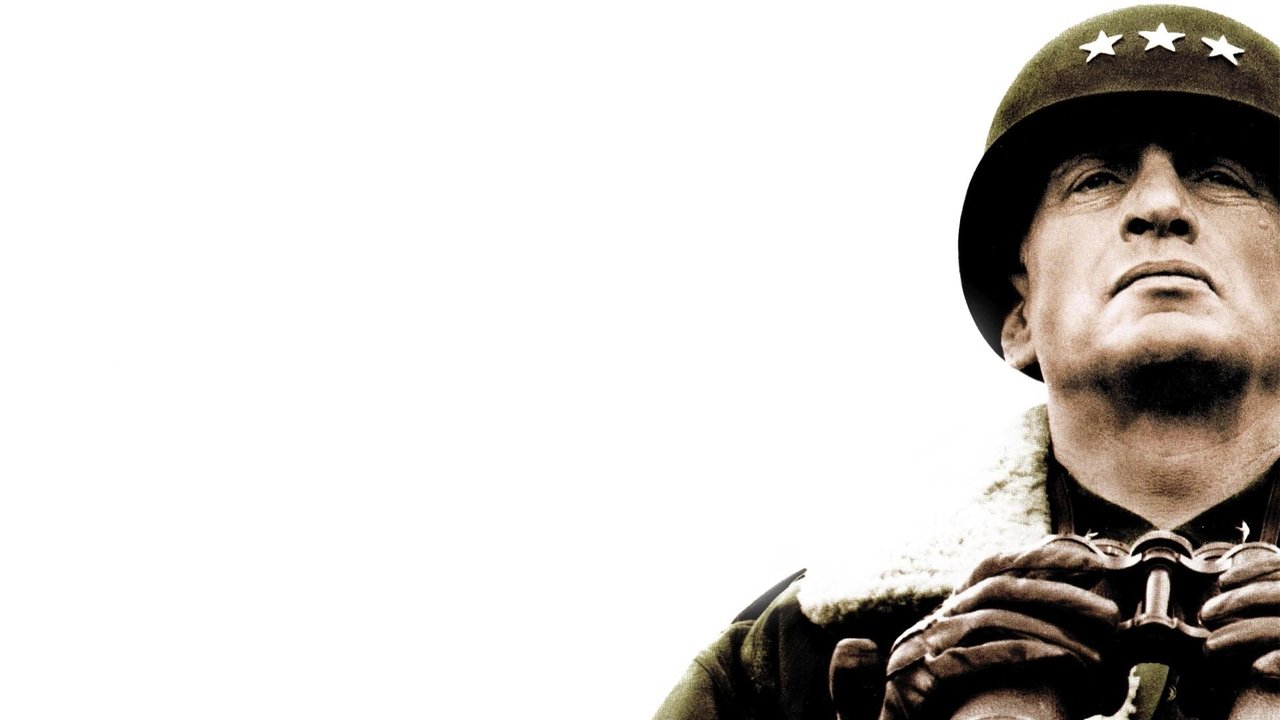
Most people recognize the silhouette—the helmet, the riding crop, the revolvers (ivory, not pearl; only a "pimp in a New Orleans whorehouse" would carry pearl). But as I revisited this 172-minute behemoth, I realized that Patton has survived the decades not as a standard war movie, but as a deeply uncomfortable character study. It’s a film about a man who is technically a genius but socially a disaster. George C. Scott delivers a performance so singular that it’s almost impossible to imagine anyone else in the role. He doesn't play Patton as a hero; he plays him as a Shakespearean relic, a warrior-poet who is fundamentally convinced he has lived past lives as a Greek hoplite and a Roman legionnaire.
There is a tragic weight to the way Scott carries himself. He plays Patton as a man who is only truly alive when people are dying around him. It’s a dark, intense realization. When he stands on the battlefield of El Guettar and whispers, "God help me, I do love it so," it isn't a moment of triumph. It’s a confession of a soul that can only find peace in the middle of a literal hellscape. He is essentially a three-hour HR nightmare set in a minefield.
A Script Caught Between Two Americas
What makes Patton a fascinating artifact of the New Hollywood era is its internal tension. Released in 1970, the film hit theaters while the Vietnam War was tearing the American psyche apart. You had a screenplay co-written by a young Francis Ford Coppola, who was leaning into the madness and the ego of the man, and Edmund H. North, who brought a more traditional biographical structure. The result is a movie that functions as a Rorschach test. To the hawks of 1970, it was a celebration of unapologetic American strength. To the doves, it was a searing indictment of the military-industrial complex and the vanity of "great men."
I’ve always found the chemistry between Scott and Karl Malden—who plays the grounded, "soldier’s general" Omar Bradley—to be the secret engine of the film. Malden is the audience surrogate, the sane man trying to manage a hurricane. While Patton is off writing poetry about reincarnation and slapping soldiers in hospitals, Karl Malden is doing the math of war. Their relationship highlights the film's central conflict: the collision between 19th-century romanticism and 20th-century cold, hard logistics.
The Grandeur of the Pre-Digital Battlefield
Watching Patton today is a reminder of what "scale" used to mean before we could just copy-paste a thousand soldiers in a computer program. Directed by Franklin J. Schaffner, the film utilized the 65mm Dimension 150 process, and the clarity is still staggering. There’s a scene where the tanks of the U.S. Second Armored Division crest a hill in the Moroccan desert, and the sheer physicality of the machines—the dust, the noise, the weight—is something modern CGI struggles to replicate.
Because this was the era of the "Roadshow" epic, the film takes its time. It breathes. It has an intermission. This pacing can feel "obscure" or daunting to modern viewers accustomed to the rapid-fire editing of contemporary action, but the length is the point. You need to feel the exhaustion of the campaign. You need to feel the long, bitter winters and the grinding progress toward Berlin to understand why Patton becomes so desperate as the end nears. For him, the end of the war isn't a victory; it’s a retirement home. He’s a shark that dies the moment he stops moving through blood-infused water.
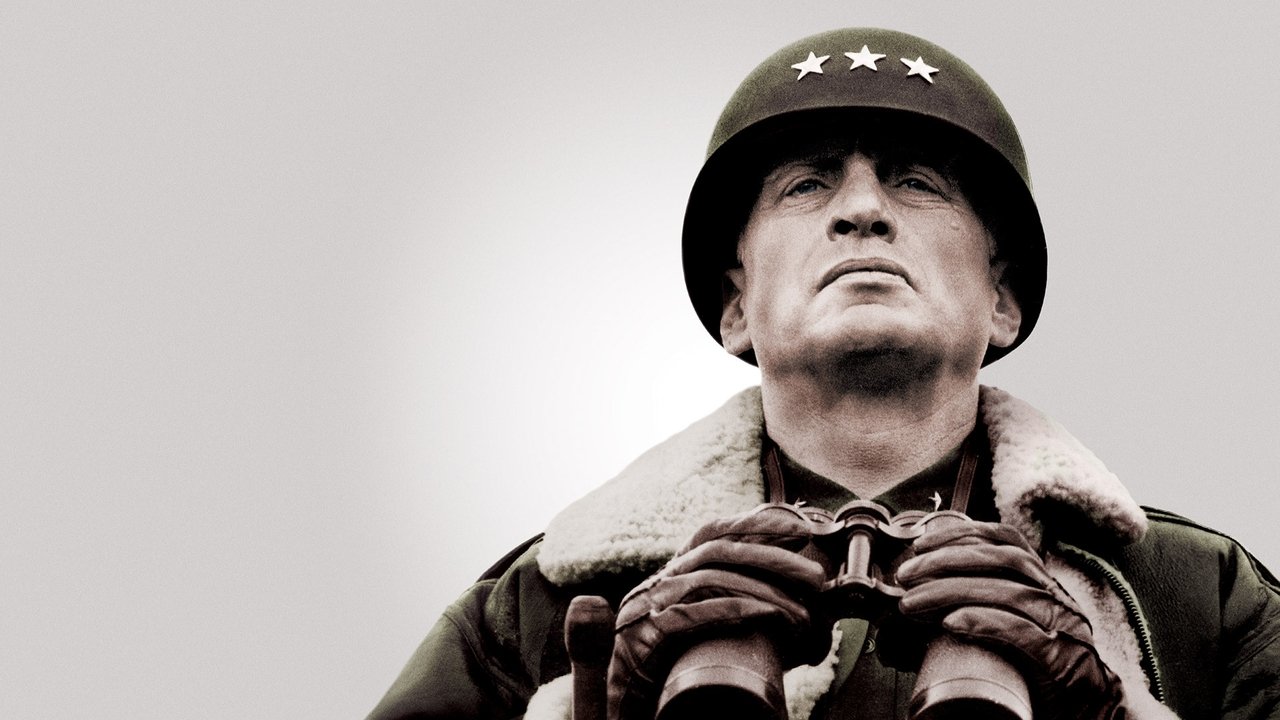
Patton is a towering achievement that manages to be an epic without ever losing sight of the fragile, ego-driven man at its center. It’s a film that asks us to admire a man’s brilliance while simultaneously being horrified by his lack of humanity. If you’ve only ever seen the opening flag speech in parodies or history documentaries, you owe it to yourself to sit through the remaining three hours. It’s a dark, intense, and surprisingly nuanced look at the cost of being "great."
By the time the final credits rolled and my neighbor finally stopped his leaf-blowing, I felt a genuine sense of vacuum. The film leaves you in a quiet, contemplative space, wondering if the world still has room for men like Patton—and silently hoping that it doesn't.
Keep Exploring...
-
A Bridge Too Far
1977
-
Casualties of War
1989
-
Glory
1989
-
Barry Lyndon
1975
-
Papillon
1973
-
Spartacus
1960
-
Empire of the Sun
1987
-
Das Boot
1981
-
The Longest Day
1962
-

Apocalypse Now
1979
-
Sophie's Choice
1982
-
Butch Cassidy and the Sundance Kid
1969
-

The Zookeeper's Wife
2017
-
Planet of the Apes
1968
-
Doctor Zhivago
1965
-
Come and See
1985
-
Joyeux Noel
2005
-
The Round Up
2010
-

Land of Mine
2015
-
Т-34
2018