The Aristocats
"Cool cats, hot jazz, and a Parisian adventure."

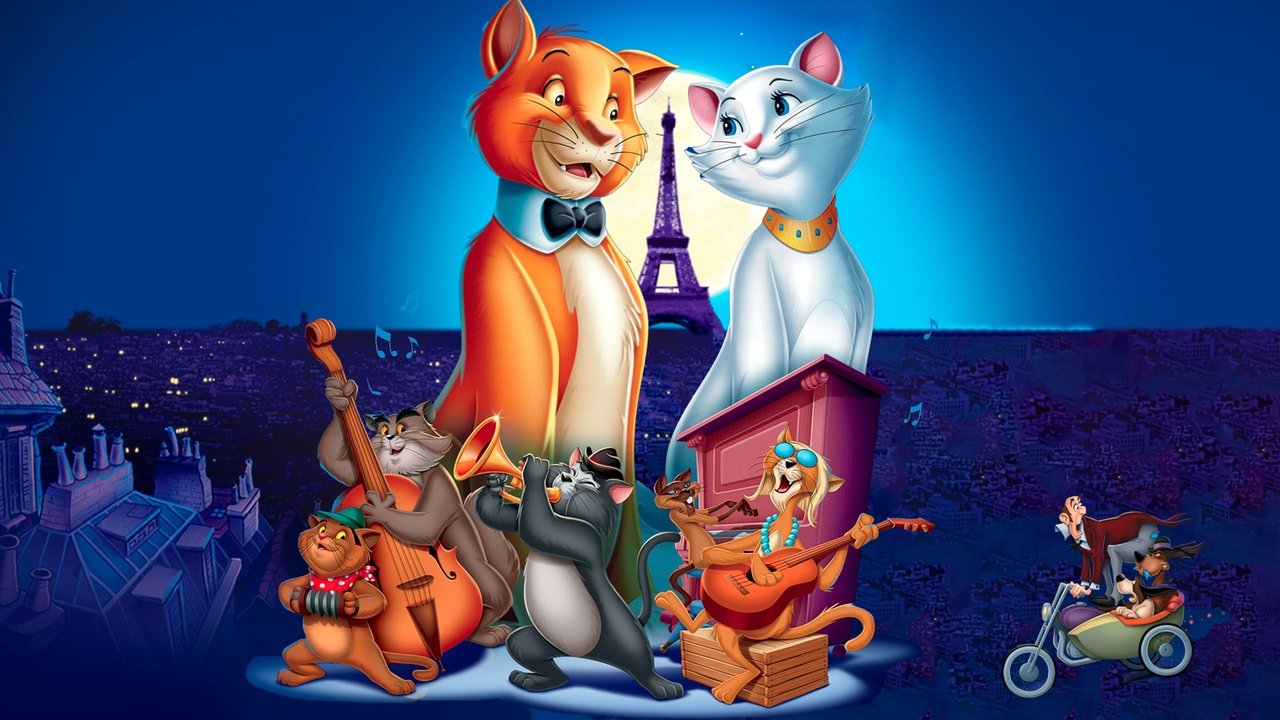
The 1970s was a strange, shaggy decade for Disney animation. Following the death of Walt Disney in 1966, the studio entered what fans call the "Xerox Era"—a period defined by scratchy, hand-drawn lines and a loose, improvisational energy that felt miles away from the polished perfection of Sleeping Beauty. But there is a specific, crackling warmth to this transition, and The Aristocats is the peak of that laid-back, "cool" Disney vibe. It doesn’t try to be an epic moral fable; instead, it invites you into a smoky Parisian jazz club where the milk is always cold and the swing is always hot.
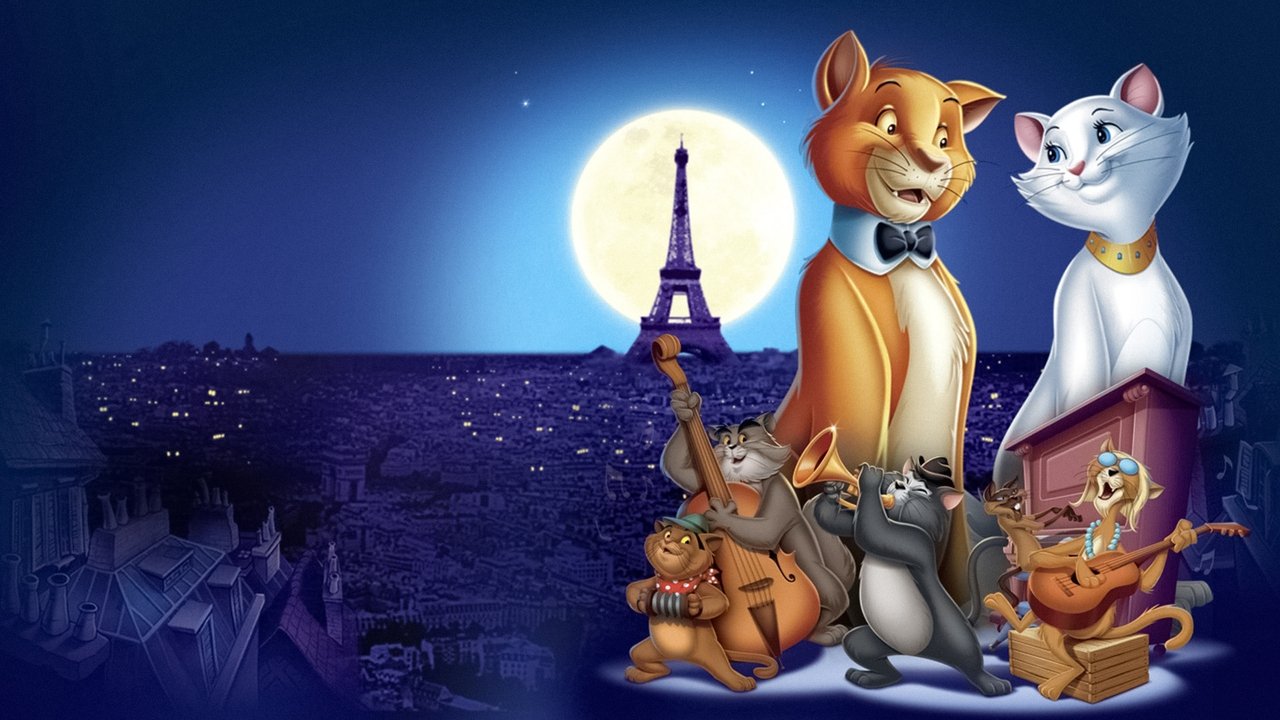
I actually watched this most recent time while trying to fold a literal mountain of laundry, and I found myself stopping every three minutes just to watch the way the characters move. There’s a loose-limbed fluidity to the animation that modern CGI just can't replicate. It feels alive, even with the visible construction lines still clinging to the characters' fur.
The Rough-Edged Magic of the Xerox Era
Director Wolfgang Reitherman (who also gave us The Jungle Book and Robin Hood) steered the ship during this era, and his signature is all over the screen. If the animation looks a bit "sketchy," that’s because the studio was using a xerographic process to transfer drawings directly to cels, bypassing the traditional hand-inking stage. While some purists at the time hated it, I think it gives the film a tactile, bohemian texture that fits 1910s Paris perfectly.
The story is a classic adventure-odyssey: a wealthy opera singer leaves her fortune to her cats, prompting her bumbling butler, Edgar, to dump them in the countryside. The journey back to the city is where the film finds its rhythm. It’s less about the destination and more about the "ensemble on the road" chemistry. Eva Gabor provides the voice of Duchess with a velvet elegance that pairs perfectly with Phil Harris as Thomas O’Malley. Let’s be real: Thomas O’Malley is essentially just Baloo the Bear in a ginger fur coat, but Harris had such a magnetic, gravelly charm that you don't even mind the character recycling. He’s the ultimate 1970s "cool guy"—unbothered, street-smart, and ready to riff.
A Masterclass in Jazz and Character
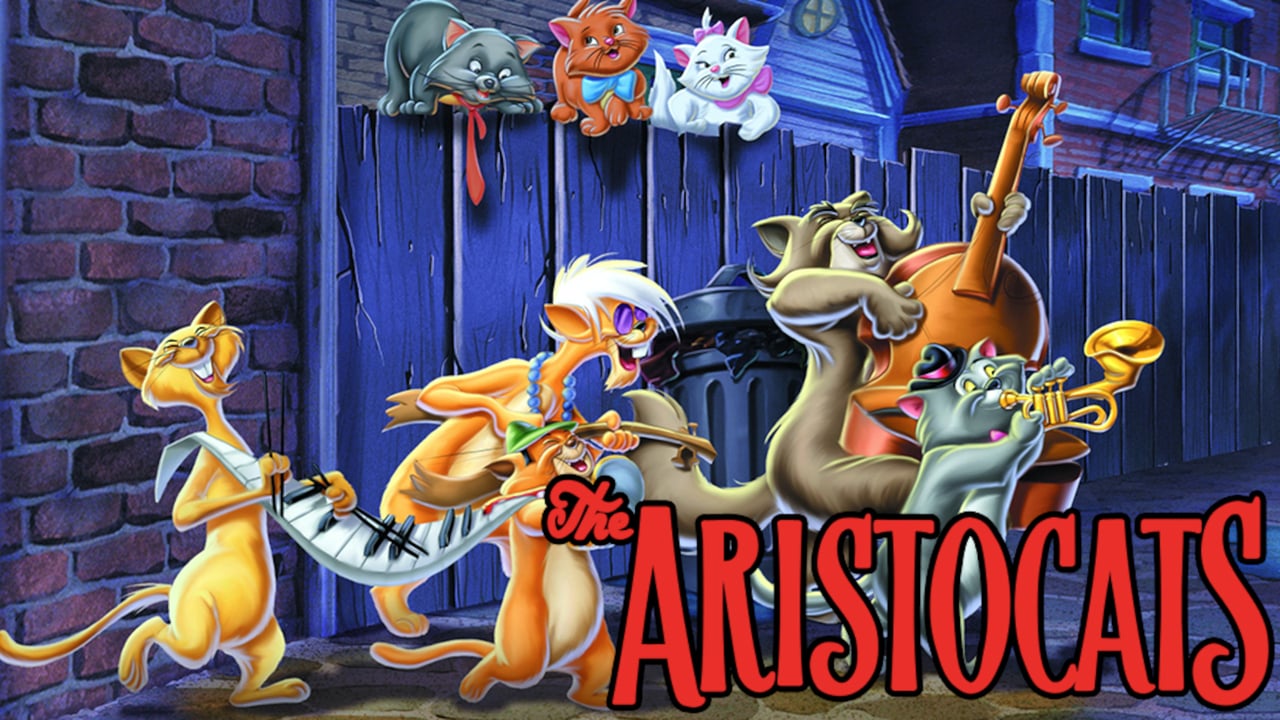
Where The Aristocats truly earns its place in the Popcornizer hall of fame is its supporting cast. This isn't just a movie; it's a character actor showcase. You have Sterling Holloway (the voice of Winnie the Pooh) as Roquefort the mouse, and the legendary Scatman Crothers as Scat Cat. The "Everybody Wants to Be a Cat" sequence remains one of the most infectious musical numbers in the Disney canon. It’s a psychedelic, neon-colored explosion of pure joy that feels like it belongs in a late-night beatnik lounge.
The adventure elements here are surprisingly grounded. There are no magic spells or dragons; the "peril" comes from the French countryside, runaway milk trucks, and a pair of delightfully eccentric English geese named Abigail and Amelia Gabble (voiced by Monica Evans and Carole Shelley, who played the Pigeon sisters in The Odd Couple). The way the film balances the high-society sensibilities of the "aristocats" with the grit of the alley cats creates a fun, low-stakes friction that keeps the 78-minute runtime flying by.
The $191 Million "Quiet" Success
It’s easy to look back at this era as a "slump" for Disney, but the numbers tell a different story. The Aristocats was a massive commercial juggernaut. On a modest $4 million budget, it eventually clawed its way to a staggering $191 million worldwide. It was a particular phenomenon in France (naturally), where it became one of the highest-grossing films of all time.
For those of us who grew up in the 80s and 90s, this was a staple of the "Disney Gold Collection" on VHS. I remember the specific weight of that white plastic clamshell case and the way the tape would hiss during the quieter moments of the French countryside scenes. It’s a movie that thrived on home video because it’s so incredibly rewatchable—you can just let the jazz soundtrack wash over you while you admire the background paintings of the Parisian rooftops.
While the villain Edgar is arguably the most incompetent criminal in the history of cinema, his failure is our gain. He’s a low-stakes antagonist for a low-stakes, high-vibes movie. The film doesn't need a terrifying villain because the real "hero" is the atmosphere. It’s a celebration of found family and the idea that "adventure" is often just the long walk home with people you love.
The Aristocats might lack the narrative weight of the Golden Age classics, but it makes up for it with sheer personality. It’s a "vibe" movie before that was even a term—a colorful, swinging, slightly messy journey through a romanticized France. It reminds me that sometimes the best adventures aren't about saving the world; they're about finding a good jazz band and making it back home in time for breakfast. If you haven't visited O'Malley's pad in a while, it’s time to let the record scratch and join the jam.
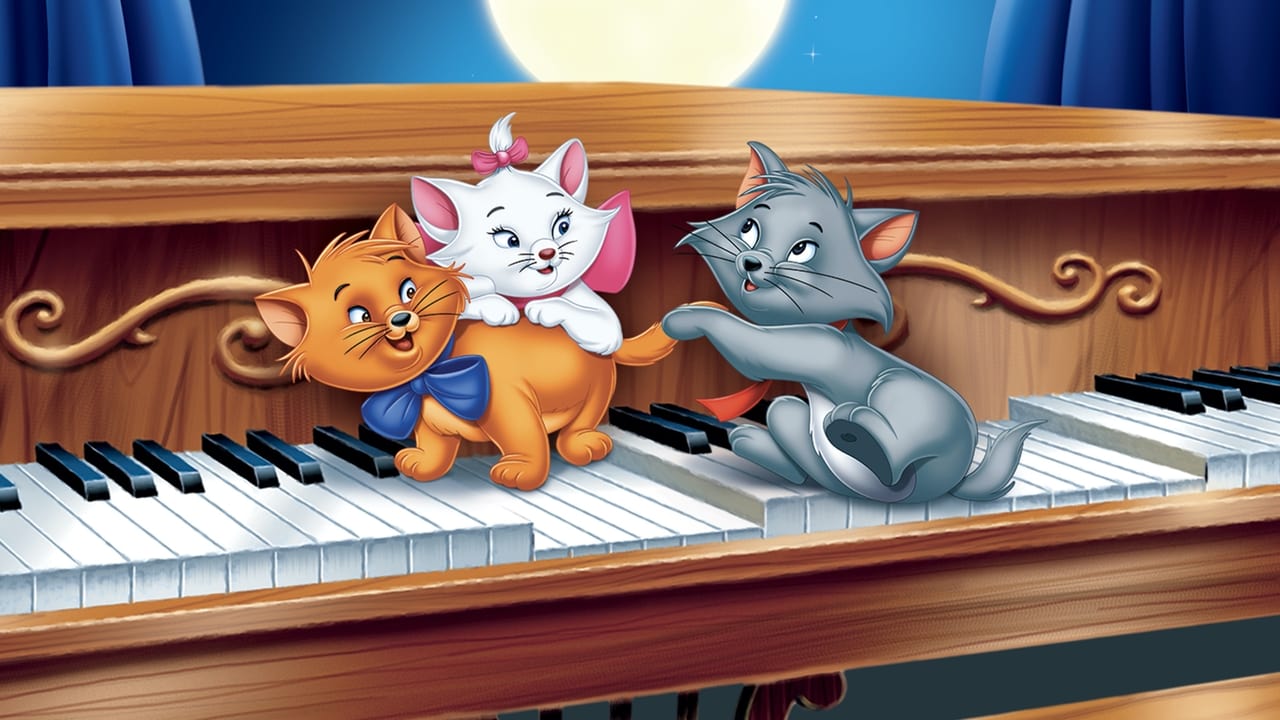
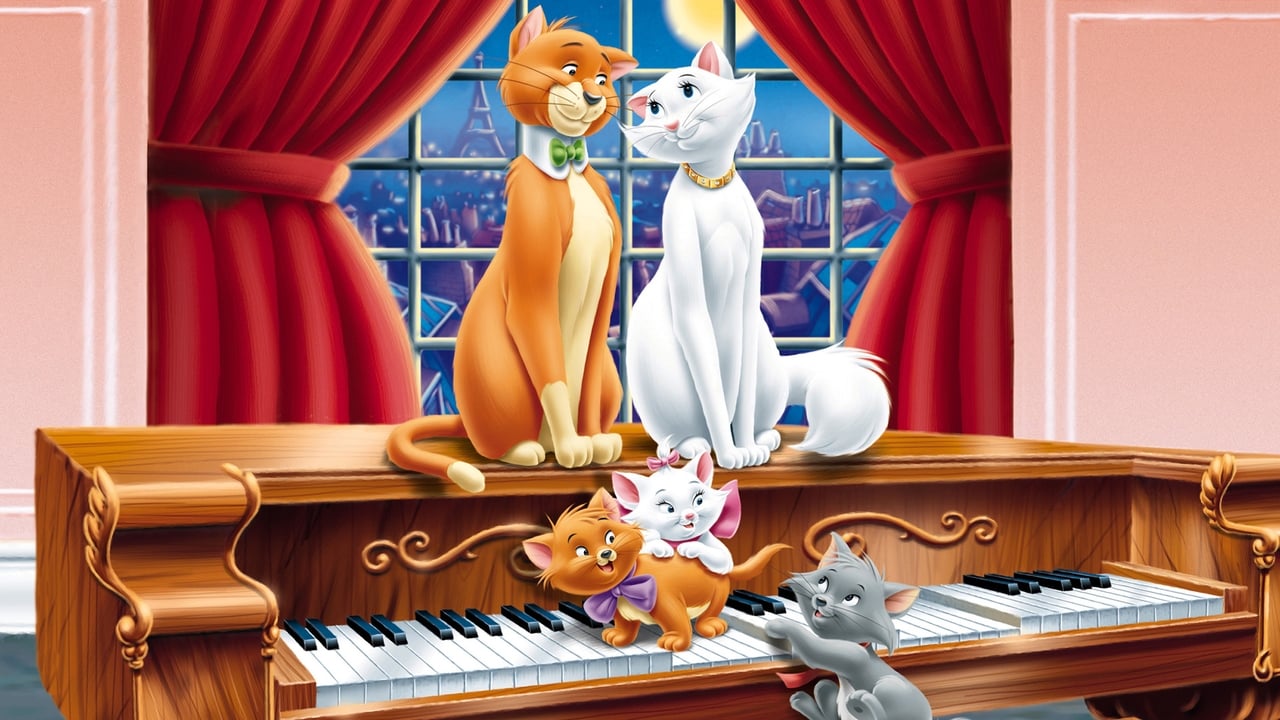
Final thought: If you can watch the piano-playing kittens, Marie, Berlioz, and Toulouse, without a smile on your face, you might actually be a butler plotting a kidnapping. Proceed with caution.
Keep Exploring...
-
One Hundred and One Dalmatians
1961
-
The Jungle Book
1967
-
Robin Hood
1973
-
The Rescuers
1977
-

Bedknobs and Broomsticks
1971
-
Asterix and Cleopatra
1968
-
The Many Adventures of Winnie the Pooh
1977
-
How the Grinch Stole Christmas!
1966
-

An American Tail
1986
-
The Twelve Tasks of Asterix
1976
-
Oliver & Company
1988
-
Honey, I Shrunk the Kids
1989
-

A Bug's Life
1998
-
Shrek
2001
-

Ice Age
2002
-
Shrek 2
2004
-

The SpongeBob SquarePants Movie
2004
-

Madagascar
2005
-

Wallace & Gromit: The Curse of the Were-Rabbit
2005
-
Cars
2006