They Call Me Trinity
"Fast hands, empty stomach, zero cares."
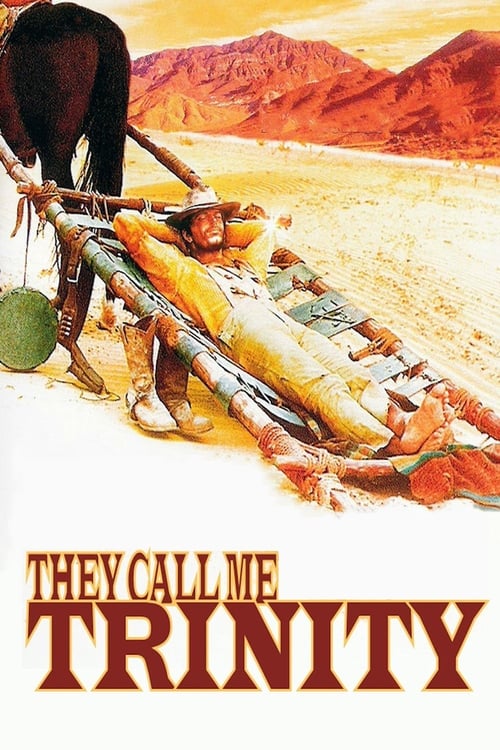
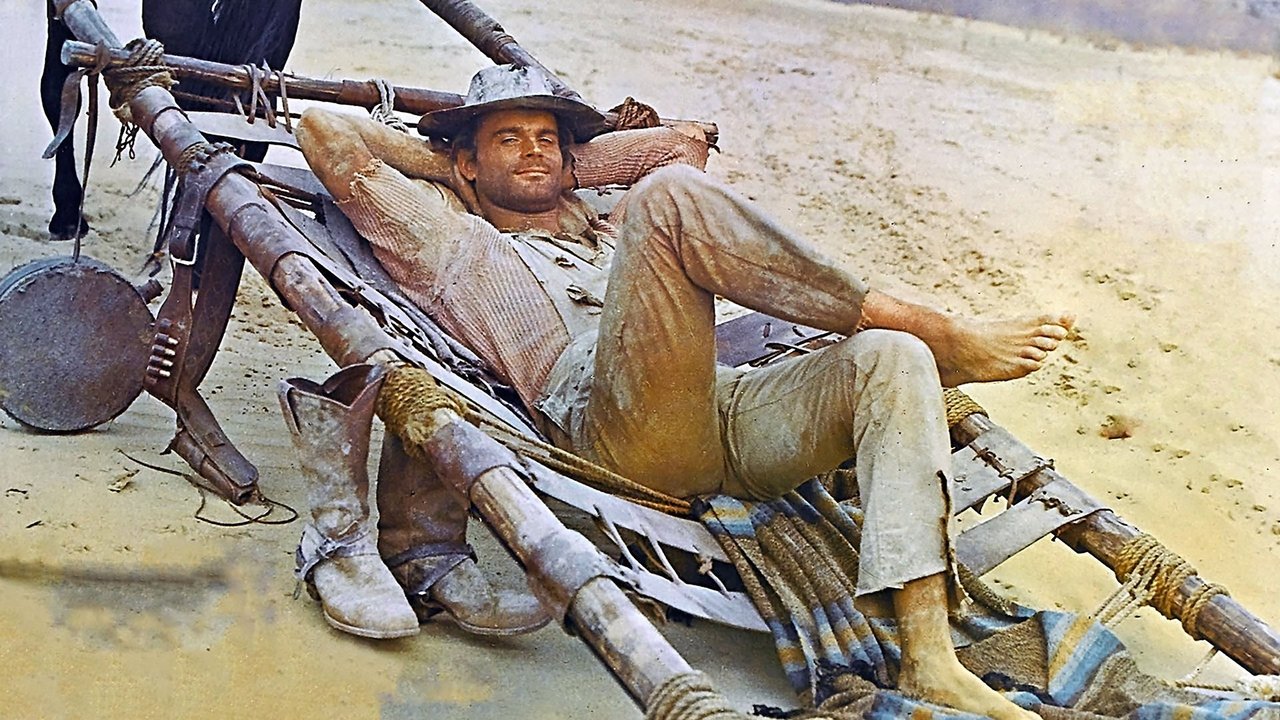
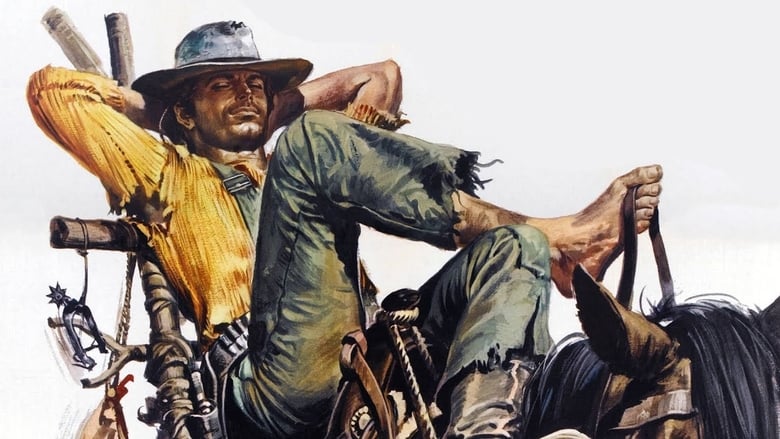
I once tried to replicate Trinity’s legendary bean-eating speed with a can of generic pintos while watching this on a humid Tuesday night, and I honestly think I learned more about Italian cinema from the resulting indigestion than I ever did from a textbook. There is something deeply, fundamentally satisfying about a hero who would rather take a nap in a horse-drawn travois than engage in a high-noon showdown, and They Call Me Trinity (1970) is the ultimate manifesto for the lazy-but-lethal protagonist.
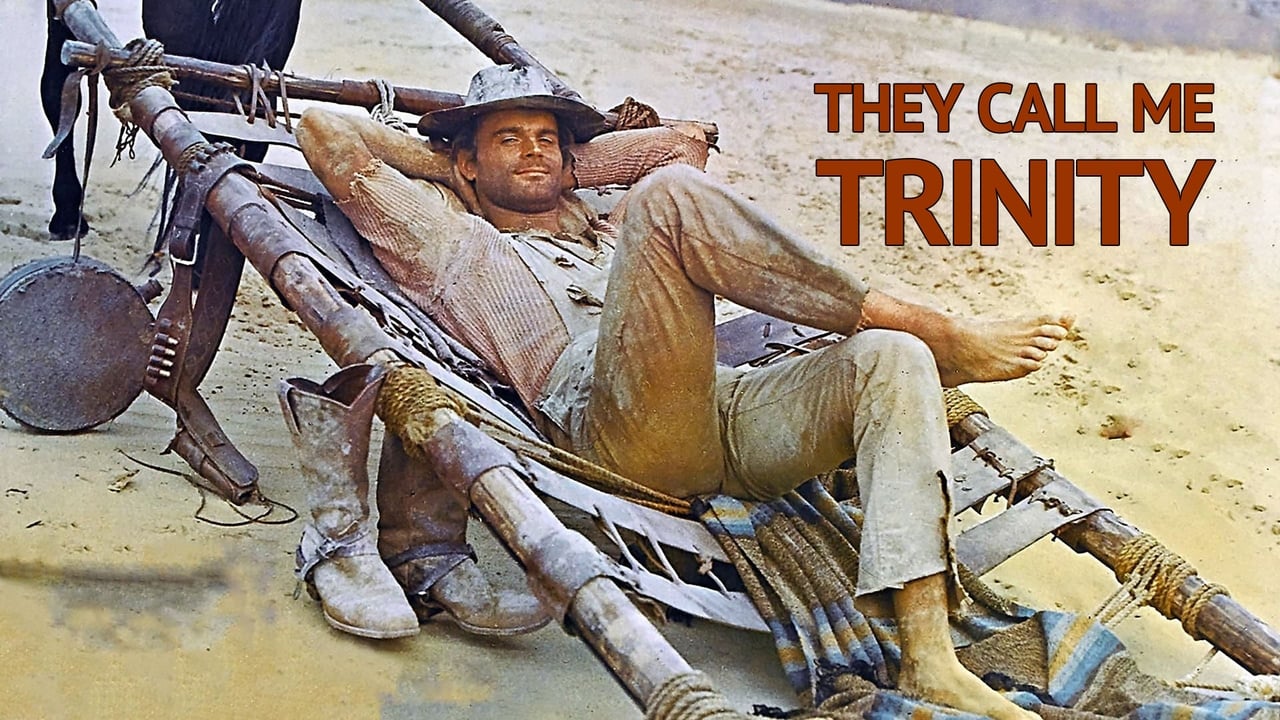
By 1970, the Spaghetti Western was starting to smell a bit ripe. The genre had become a brooding, hyper-violent landscape of squinting men in ponchos seeking revenge for things that happened twenty years prior. Then came director Enzo Barboni (a former cinematographer who knew exactly how to frame a dusty vista) and the duo of Terence Hill and Bud Spencer. Together, they didn’t just subvert the genre; they took a giant, slapstick-shaped hammer to it.
The Anti-Spaghetti Revolution
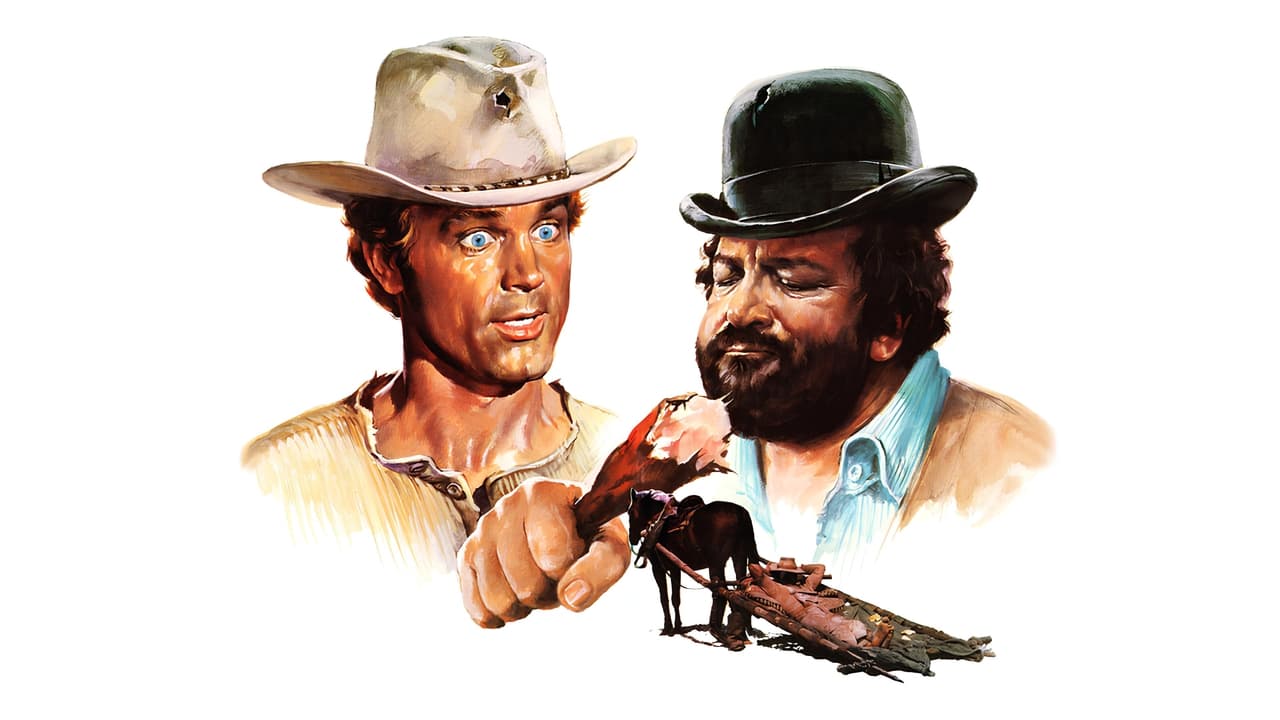
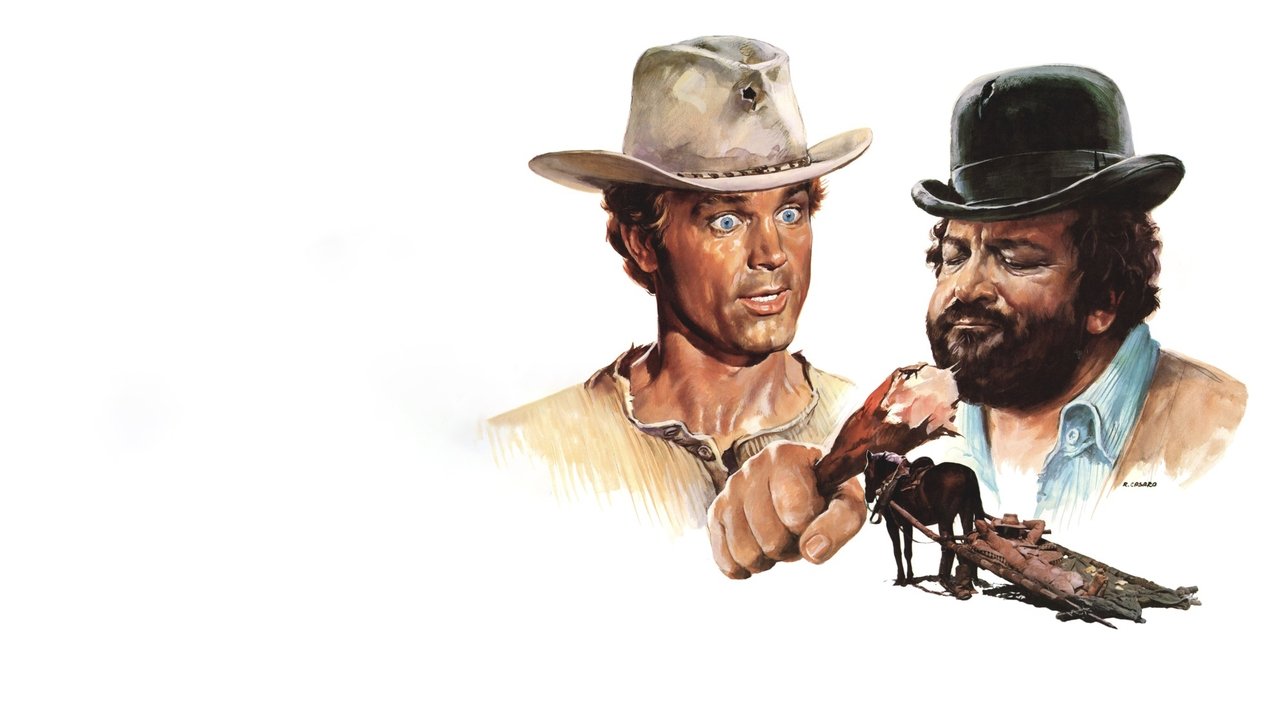
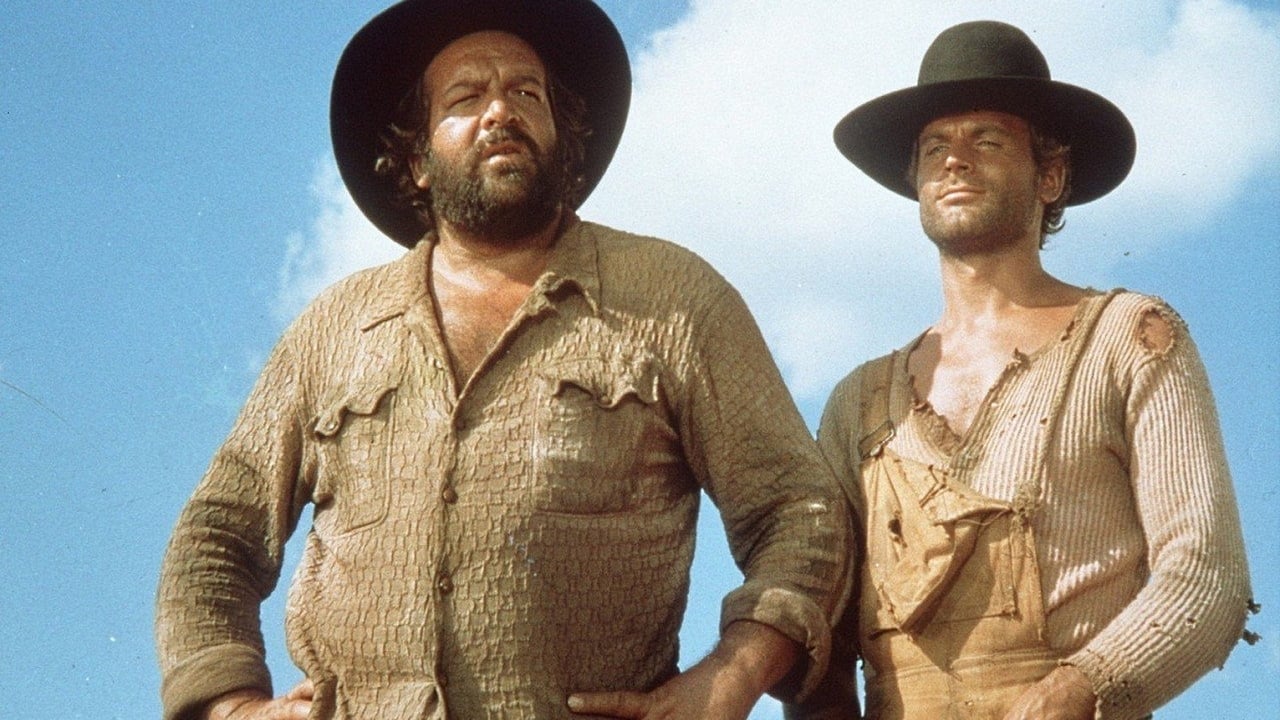
When I first sat down with the Trinity Collection on a grain-heavy VHS tape, I expected the typical operatic gunfights of Sergio Leone. Instead, I got a guy who looks like he hasn’t bathed since the Civil War and treats a gunfight with the same urgency most of us reserve for checking the mail. Terence Hill plays Trinity, the "Right Hand of the Devil," with a sparkling, mischievous blue-eyed charm that makes you forget he’s technically a wandering vagabond.
Opposite him is Bud Spencer as Bambino, the "Left Hand of the Devil," a grumpy, mountain-sized horse thief currently masquerading as a sheriff. The chemistry here isn't just "buddy cop" tropes; it’s a masterclass in physical contrast. The most dangerous weapon in the West isn't a Colt .45; it's Bud Spencer's open palm. Watching him bonk a villain on the head—resulting in a sound effect that can only be described as a hollowed-out coconut hitting a marble floor—is one of the great joys of 70s cinema.
The plot is a skeleton: a group of pacifist Mormons (led by Dan Sturkie and Steffen Zacharias) are being bullied by a land-hungry Major (Steffen Zacharias). Trinity wants to hang around because of the two beautiful sisters (Gisela Hahn and Elena Pedemonte), and Bambino just wants to steal the Major’s horses and get out of town. It’s a classic Magnificent Seven setup, but stripped of all the self-serious "dying for a cause" nobility.
Slaps, Beans, and Kinetic Comedy
What makes this film an action-comedy standout is the choreography. Enzo Barboni understood that speed is impressive, but timing is funny. There is a scene where Trinity is confronted by two of the Major’s bounty hunters. Instead of a bloody shootout, Trinity simply out-draws them to deliver a series of humiliating slaps. It’s so fast—aided by some clever editing and Hill's genuine dexterity—that it feels like a cartoon come to life.
The action feels physical and weighted, despite the lack of gore. These are stunts performed by people who clearly knew their way around a dusty floor. The barroom brawls are less about "winning" and more about the rhythmic delivery of punches that send stuntmen flying through balsa-wood railings. It’s a "Practical Effects Golden Age" in its most exuberant form—nothing but real dirt, real sweat, and the most iconic frying pan in movie history.
Then, of course, there are the beans. To prepare for the opening scene where Trinity devours a skillet of beans, Terence Hill reportedly fasted for 36 hours. You can see the desperation in his eyes; he’s not acting. He’s a man who would trade his soul for a legume. That specific scene became the blueprint for a whole sub-genre of "Bean Westerns" that flooded the European market, though none ever quite captured this specific blend of nonchalance and wit.
The VHS Legacy of a Forgotten Gem
While They Call Me Trinity was a massive hit in Europe—at one point becoming the highest-grossing Italian film ever—it often feels like a "hidden gem" in North American circles, overshadowed by the grittier Man with No Name trilogy. But for those of us who grew up scouring the "Foreign" or "Western" aisles of local video stores in the late 80s, that bright yellow clamshell case promised something different. It promised a film you could watch with your grandfather and your younger brother, and you'd all laugh at the same thudding sound effects.
The score by Franco Micalizzi is a huge part of that nostalgic texture. The opening theme, with its jaunty whistling and upbeat lyrics, tells you immediately: Relax. Nobody is going to get their ears cut off here. It’s the antithesis of Ennio Morricone’s howling trumpets, replacing dread with a sense of playful adventure.
If you’ve only ever seen Westerns that involve men staring at each other for ten minutes before someone dies in the mud, you owe it to yourself to see the version where the hero is too lazy to walk. It’s a reminder that cinema doesn’t always need to be a "meditation" on anything—sometimes, it just needs to be a very fast man and a very large man hitting people in a way that makes you feel better about the world.
They Call Me Trinity is the cinematic equivalent of a warm meal after a long day. It’s unpretentious, technically sharp, and anchored by a duo whose comedic timing is as precise as a Swiss watch. It saved the Western by refusing to take it seriously, and fifty years later, it remains the gold standard for how to make an action-comedy that actually delivers on both halves of the title. Find the best transfer you can, grab a skillet, and don't worry about the dust.
Keep Exploring...
-
Trinity Is Still My Name
1971
-

Watch Out, We're Mad
1974
-
My Name Is Nobody
1973
-
Drunken Master
1978
-
Stripes
1981
-
48 Hrs.
1982
-
Romancing the Stone
1984
-
Innerspace
1987
-

Midnight Run
1988
-
Django
1966
-
Blazing Saddles
1974
-
Maverick
1994
-
Batman
1966
-
Asterix and Cleopatra
1968
-

Bedknobs and Broomsticks
1971
-
The Blues Brothers
1980
-

The Gods Must Be Crazy
1980
-
Police Story
1985
-
Big Trouble in Little China
1986
-
Lethal Weapon
1987