A Clockwork Orange
"Ultra-violence, Beethoven, and the death of free will."
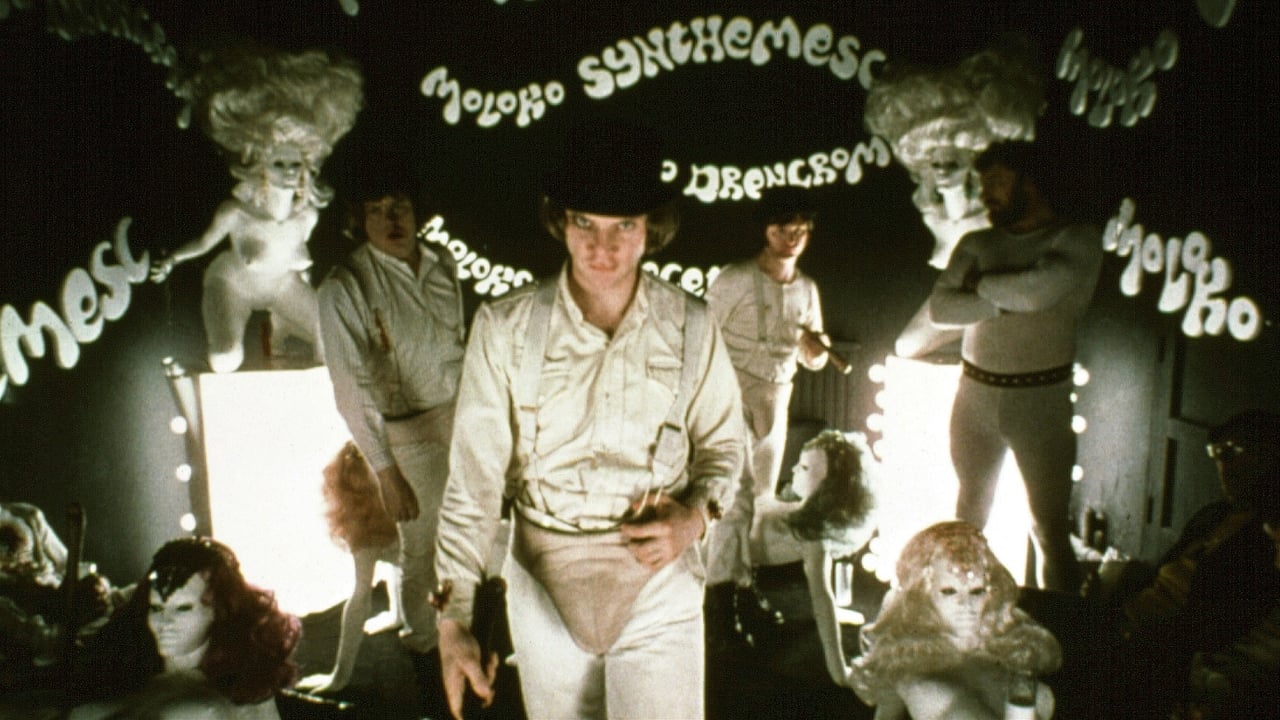
The first thing you see is that stare. Malcolm McDowell as Alex DeLarge, one eye lashed with a single strip of fake hair, staring directly into your soul while "The Thieving Magpie" trills in the background. He’s drinking "milk-plus"—milk laced with vellocet, synthemesc, or drencrom—and he’s looking at the audience like we’re the ones about to be violated. It’s an opening that hasn't lost an ounce of its threat in over fifty years.
I first watched A Clockwork Orange on a humid Tuesday evening while nursing a lukewarm cup of Earl Grey that I’d accidentally oversweetened with four lumps of sugar. That cloying, artificial sweetness actually felt like the perfect accompaniment to Stanley Kubrick’s vision of a neon-soaked, dystopian Britain. It’s a film that is simultaneously gorgeous and repulsive, a candy-colored nightmare that asks if a man who is forced to be good is actually any better than a man who chooses to be a monster.
The Forbidden Holy Grail
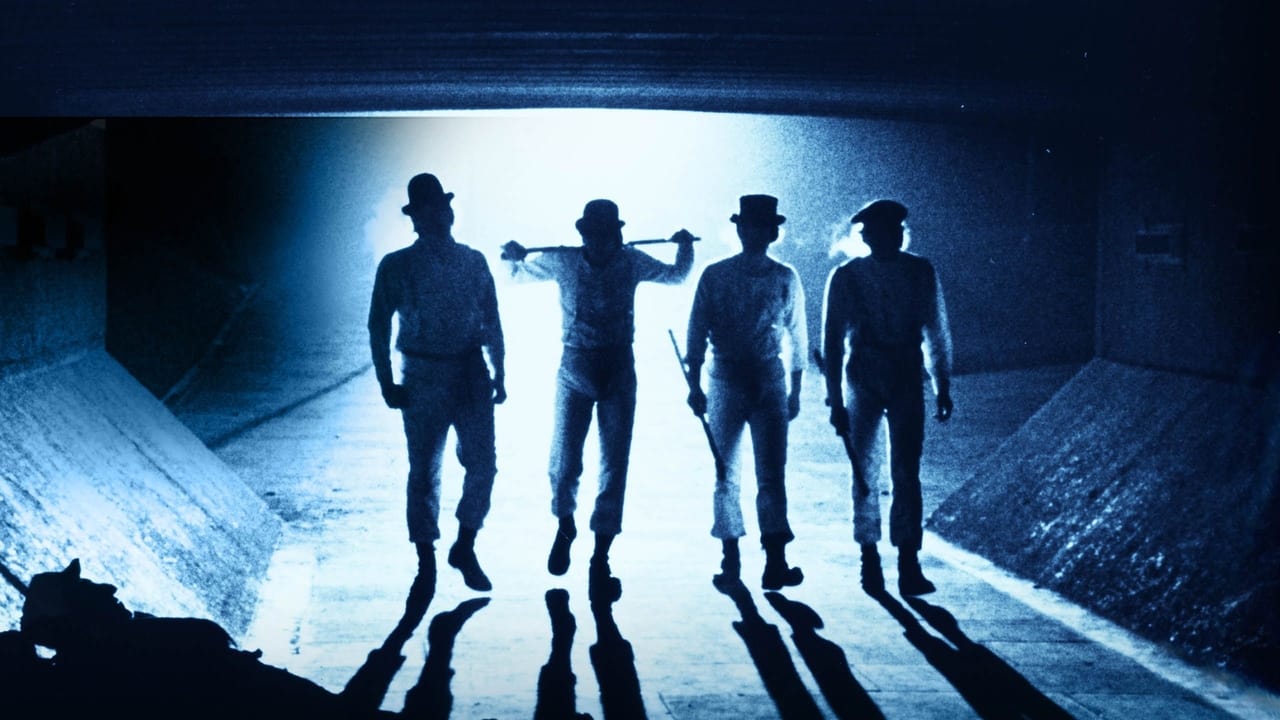
For a long time, this movie was the ultimate "have you seen it?" badge of honor for film nerds, especially if you lived in the UK. Because of the "copycat" crimes associated with the film and the intense harassment Stanley Kubrick’s family faced, the director himself pulled the movie from British distribution in 1973. It stayed "banned" there until after his death in 1999.
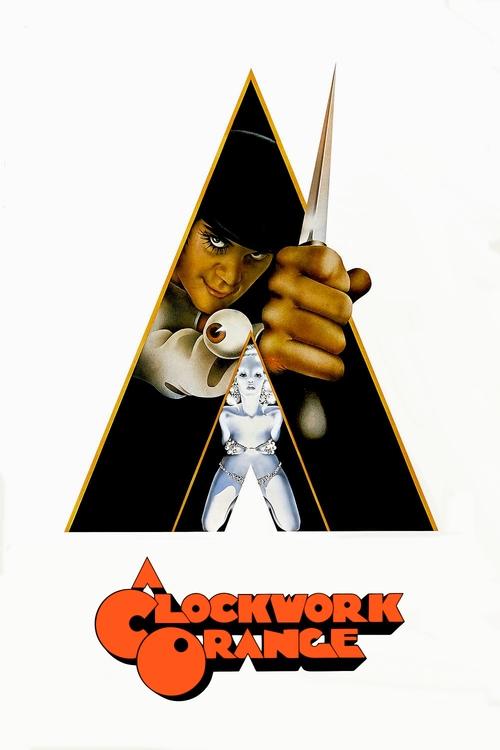
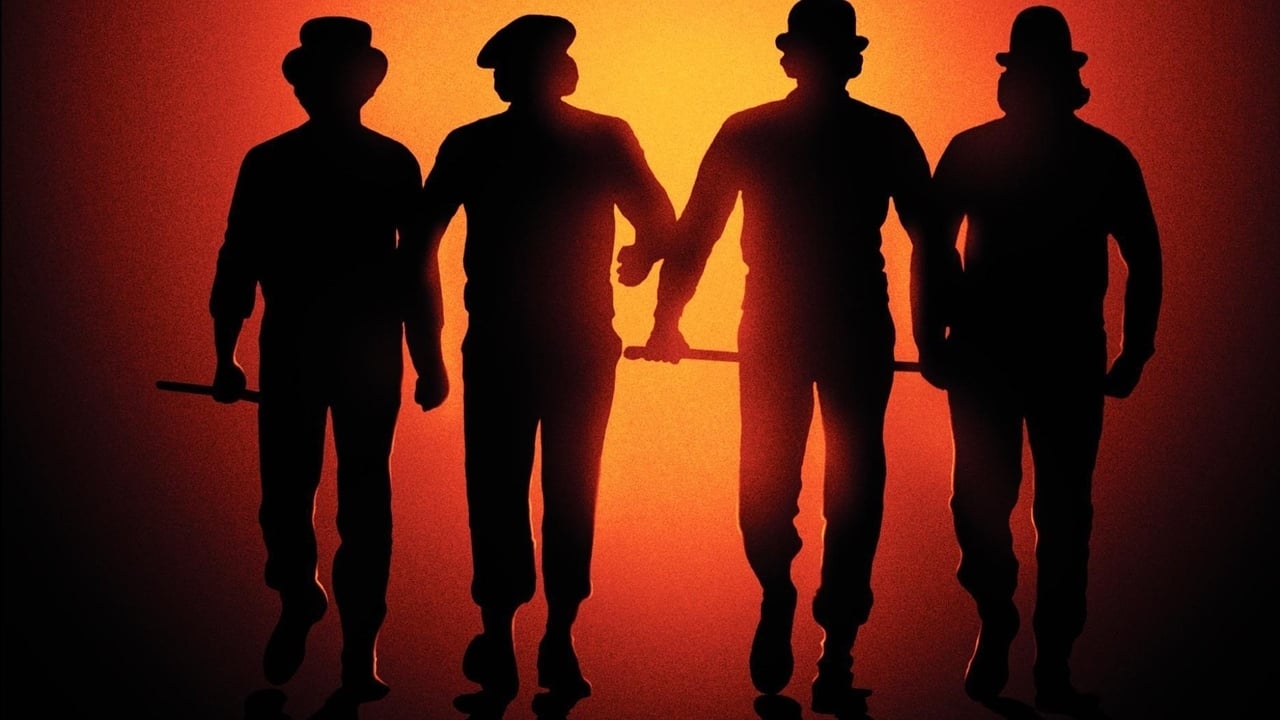
This created a legendary cult status. During the VHS era, owning a copy of A Clockwork Orange in London was like owning a piece of black-market contraband. People would smuggle grainy, multi-generational NTSC tapes from the States or bootlegs from Europe. The box art—that iconic Philip Castle illustration of Alex holding a knife-cane inside a stylized "A"—became a symbol of cinematic rebellion. The movie was treated like a dangerous spell that might actually turn you into a sociopath if you watched it too many times. Of course, it didn't do that, but the grainy texture of those old tapes actually suited the grimy, brutalist architecture of the film’s locations, like the Thamesmead estate where Alex lives.
A Masterclass in Stylized Cruelty
Kubrick didn’t just make a crime movie; he built a world with its own physics and language. The "Nadsat" slang—a mix of Russian and Cockney rhyming slang—should be confusing, but within ten minutes, you’re thinking in it. You understand that "tolchock" means a hit and "horrorshow" means good. It’s a brilliant trick; by the time the "ultra-violence" kicks in, you’re already part of Alex’s tribe.
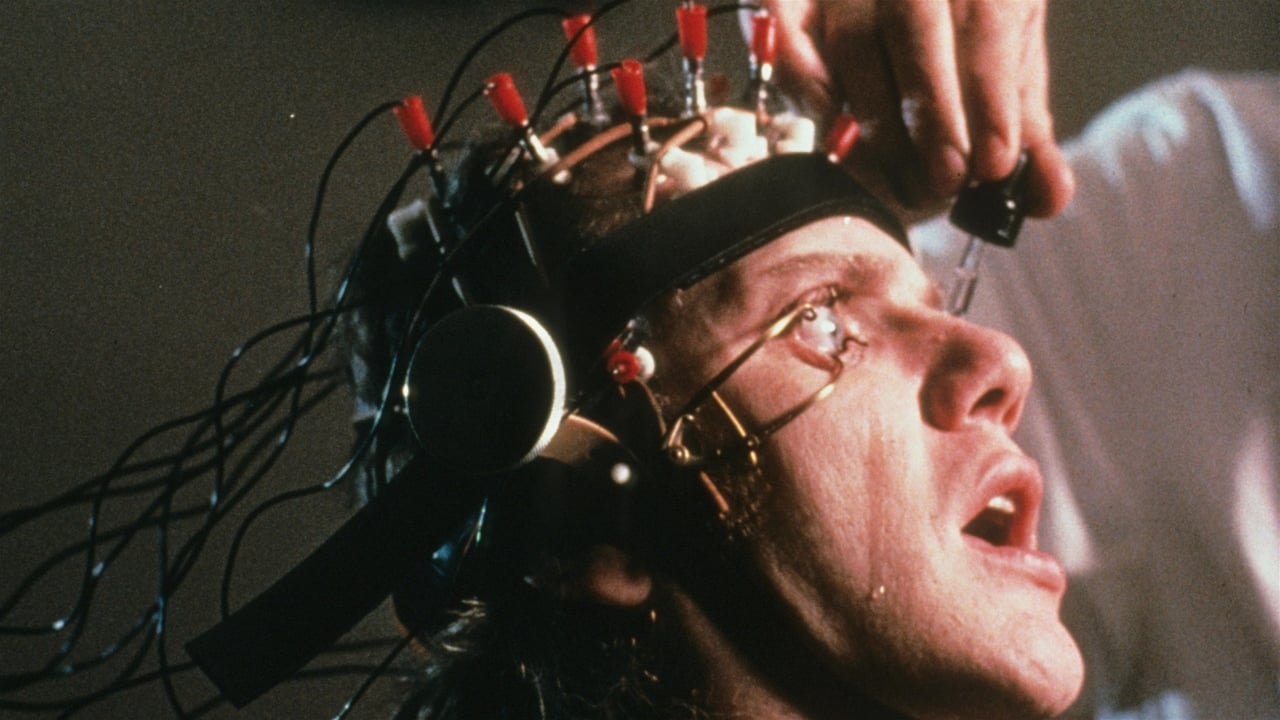
Malcolm McDowell is the only person who could have played this role. He’s charismatic, athletic, and utterly terrifying. Apparently, during the filming of the famous "Ludovico Technique" scene where his eyes are pinned open, McDowell actually suffered a scratched cornea and was temporarily blinded. He also had his ribs cracked during the scene where he’s being kicked on stage. Kubrick was notorious for his "one more take" perfectionism, and you can see that exhaustion on the screen. It feels real because, physically, it often was.
The production design by John Barry is a trip. It’s 1970s "Space Age" pop-art mixed with crumbling Victorian values. The Korova Milkbar, with its tables shaped like naked women, is one of the most unsettling sets in cinema history. Honestly, the most terrifying thing about this movie isn't the rape; it's the interior decorating. Everything is so cold, so plastic, and so devoid of actual human warmth that you almost understand why Alex wants to smash it all.
The Cost of a Conscience
The second half of the film moves away from the "droogs" and into the hands of the State. This is where Patrick Magee (as the vengeful Mr. Alexander) and Carl Duering (as Dr. Brodsky) take over. The shift from a crime film to a dark sci-fi social experiment is jarring, which is exactly the point. When the government "cures" Alex by making him physically ill at the thought of violence—and, tragically, his beloved Beethoven—they aren't saving his soul. They’re just lobotomizing his agency.
Alex is a monster, but the State is a god, and I know which one I’m more afraid of. That’s the bitter pill Kubrick makes us swallow. We spend the first hour hating Alex, and the second hour feeling a nauseating sympathy for him as he's bullied by his former victims and used as a political football.
The score by Wendy Carlos is the final piece of the puzzle. Using early Moog synthesizers to reinterpret classical pieces was a revolutionary move. It makes the music feel like it’s being played by a haunted computer, stripping away the "humanity" of the classics and turning them into something clinical and cold.
A Clockwork Orange isn't a "fun" watch, but it is an essential one. It’s a film that refuses to give you the satisfaction of a hero or a clean moral. It remains a staggering achievement in world-building and a cautionary tale about what happens when we try to engineer away the darker parts of the human spirit. If you haven't seen it, grab some milk (minus the drencrom) and prepare to be changed. Just don't blame me if you start humming "Singin' in the Rain" with a newfound sense of dread.

Keep Exploring...
-
2001: A Space Odyssey
1968
-
Barry Lyndon
1975
-
The Shining
1980
-
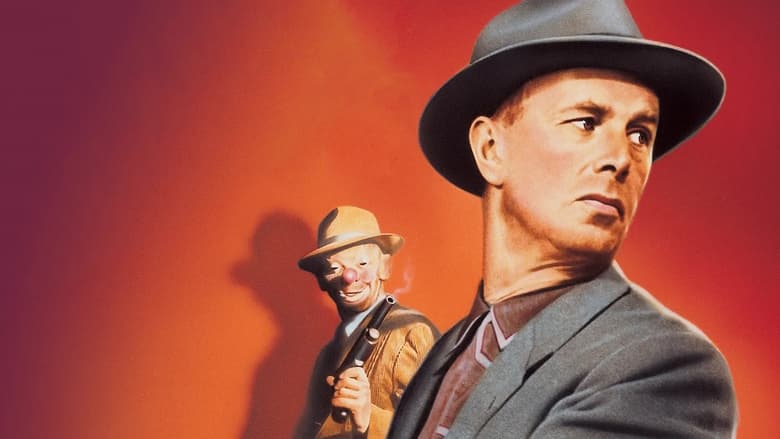
The Killing
1956
-
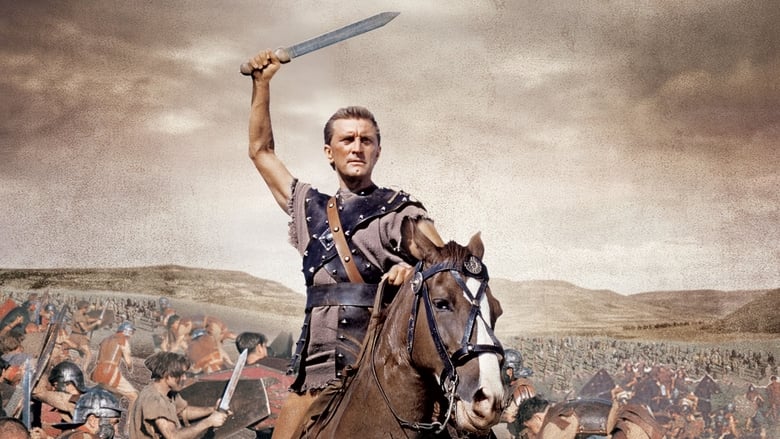
Spartacus
1960
-
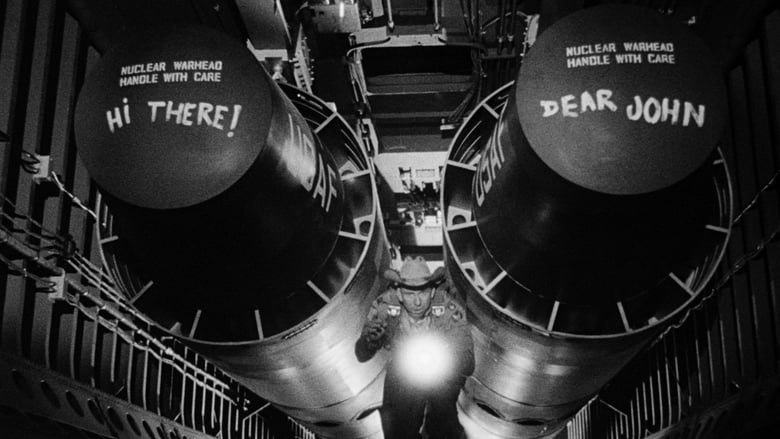
Dr. Strangelove or: How I Learned to Stop Worrying and Love the Bomb
1964
-
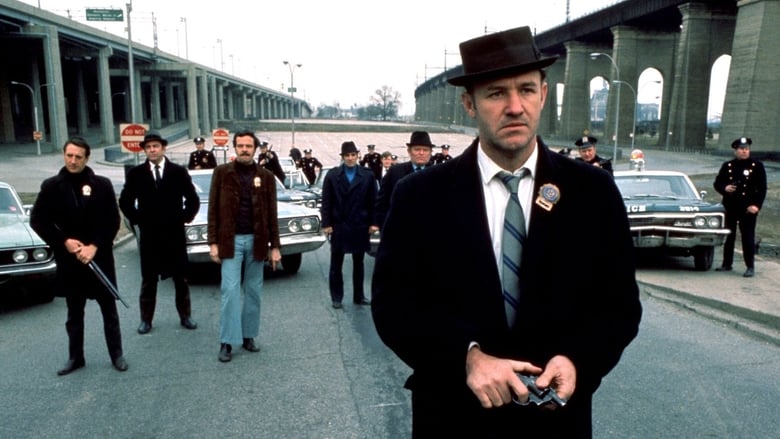
The French Connection
1971
-

Full Metal Jacket
1987
-

Papillon
1973
-
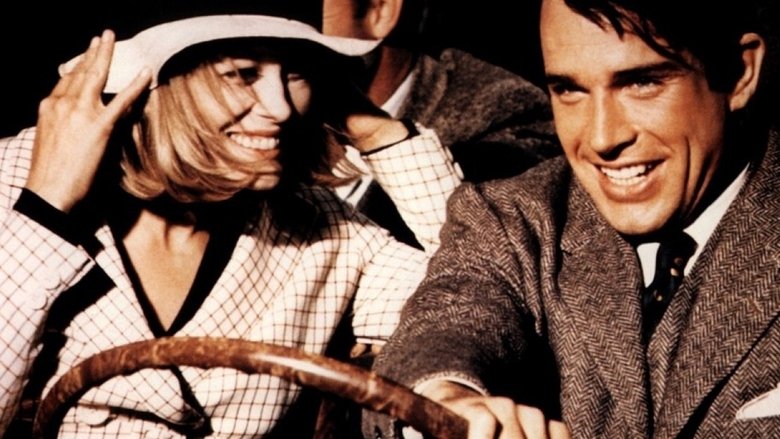
Bonnie and Clyde
1967
-
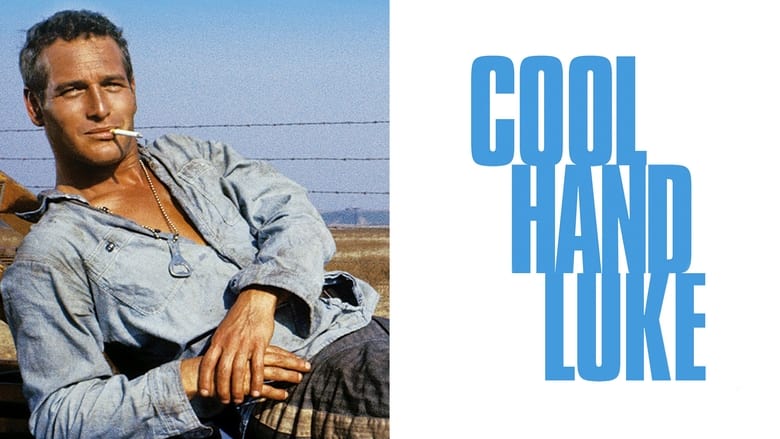
Cool Hand Luke
1967
-
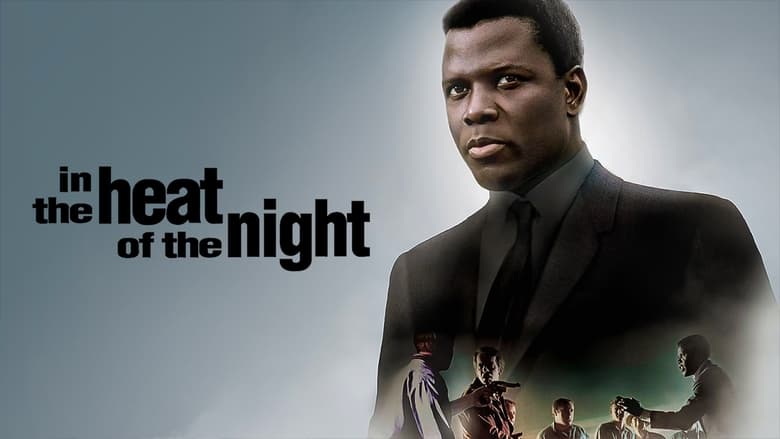
In the Heat of the Night
1967
-
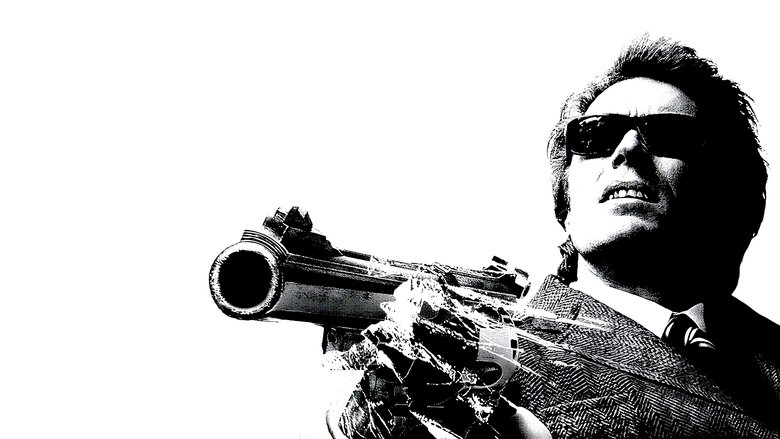
Dirty Harry
1971
-

Serpico
1973
-
Badlands
1974
-

The Conversation
1974
-
Dog Day Afternoon
1975
-
The Rocky Horror Picture Show
1975
-

Assault on Precinct 13
1976
-

Taxi Driver
1976