Diamonds Are Forever
"Connery returns for one last roll of the dice."
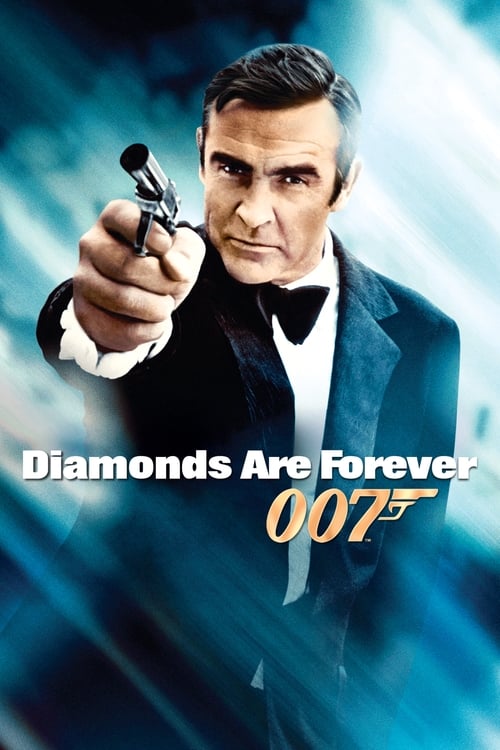
The 1970s arrived with a hangover, and James Bond was no exception. After the experimental, emotionally heavy detour of On Her Majesty’s Secret Service, the producers at EON were sweating. They needed the "real" Bond back, and they were willing to pay for it. I watched this one on a rainy Tuesday while eating a slightly stale bagel, and the sheer, kitschy energy of the Vegas strip was the perfect antidote to the gray weather outside.
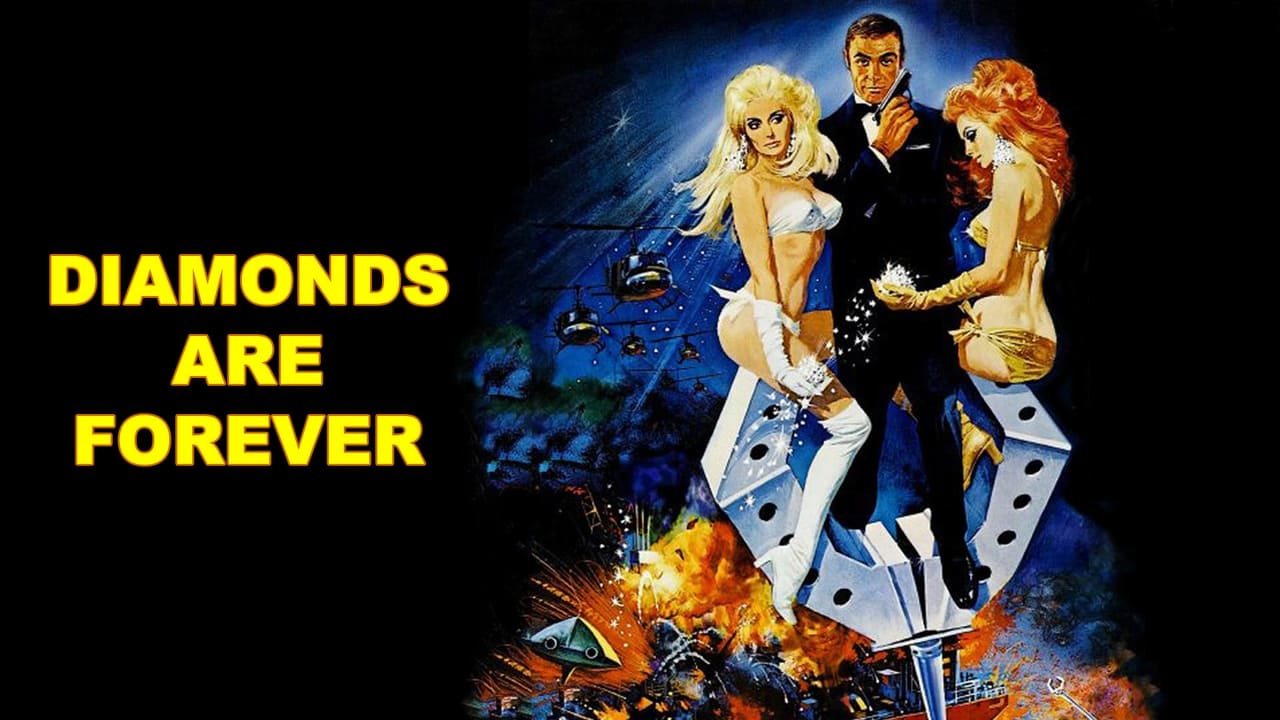
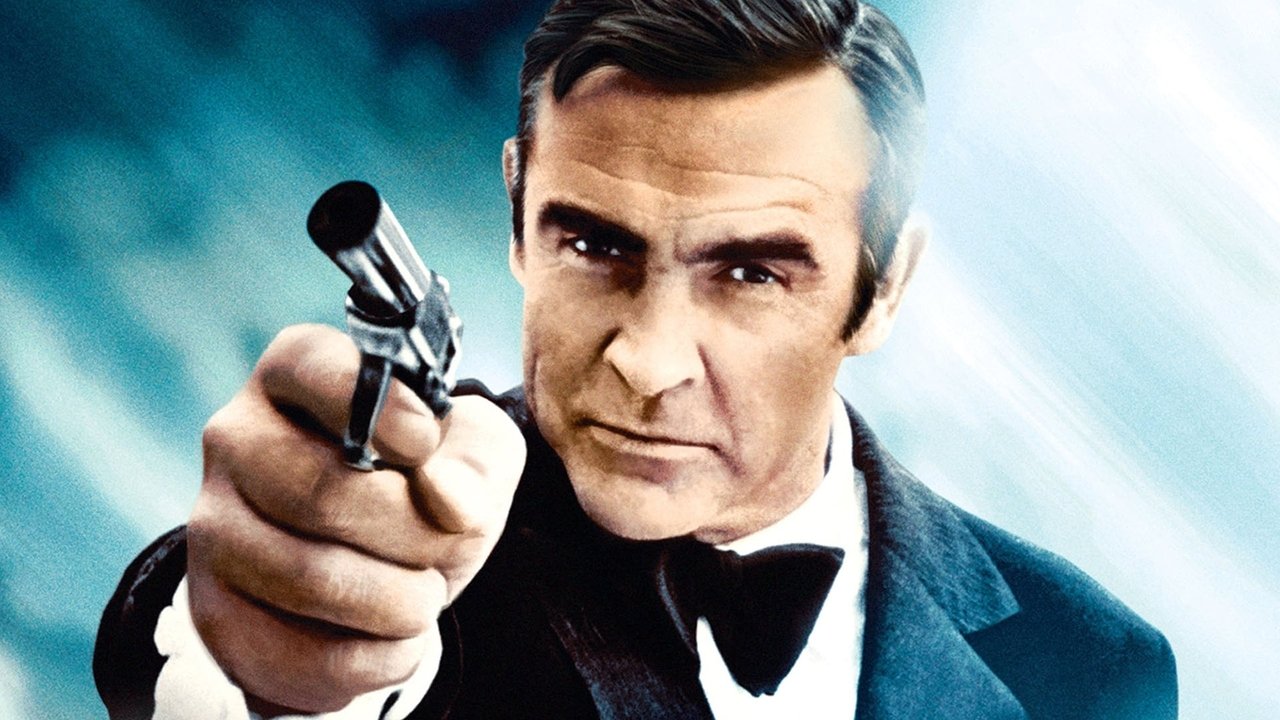
By 1971, the Bond formula was shifting. The gritty espionage of From Russia with Love (1963) felt like ancient history, replaced by a burgeoning sense of camp and spectacle that would eventually define the Roger Moore era. Sean Connery—returning for a then-record $1.25 million salary—looks like a man who knows he’s getting paid a fortune to have a very good time. His Bond isn't the hungry predator of the early 60s; he's a polished, slightly bored aristocrat who happens to be great at punching people.
High Stakes and Neon Nightmares
The plot follows Bond as he assumes the identity of a diamond smuggler to uncover a global hoarding scheme, eventually leading him to the neon-drenched desert of Las Vegas. It’s here that the film finds its unique, albeit weird, identity. This isn't the sophisticated Europe of previous entries; it's the land of buffet lines, slot machines, and eccentric recluses. The film’s antagonist, Willard Whyte (Jimmy Dean), is a thinly veiled riff on Howard Hughes, and the production actually filmed in Hughes’ own hotels, like the Landmark and the Riviera.
While the story eventually devolves into a plot involving a giant space laser (a trope that was becoming a bit of a Bond cliché by then), the real joy is in the atmosphere. There’s a specific, lived-in sleaze to the 1970s Vegas setting that director Guy Hamilton (Goldfinger) captures perfectly. You can almost smell the cigarette smoke and the cheap gin through the screen.
Practical Peril and the Mustang Stunt
As an action film, Diamonds Are Forever is a fascinating mix of bone-crunching realism and "did they really just do that?" absurdity. The elevator fight between Bond and Peter Franks (Joe Robinson) remains one of the best-choreographed brawls in the entire franchise. It’s tight, claustrophobic, and feels genuinely dangerous—a stark contrast to the later, more polished fights of the CGI era.
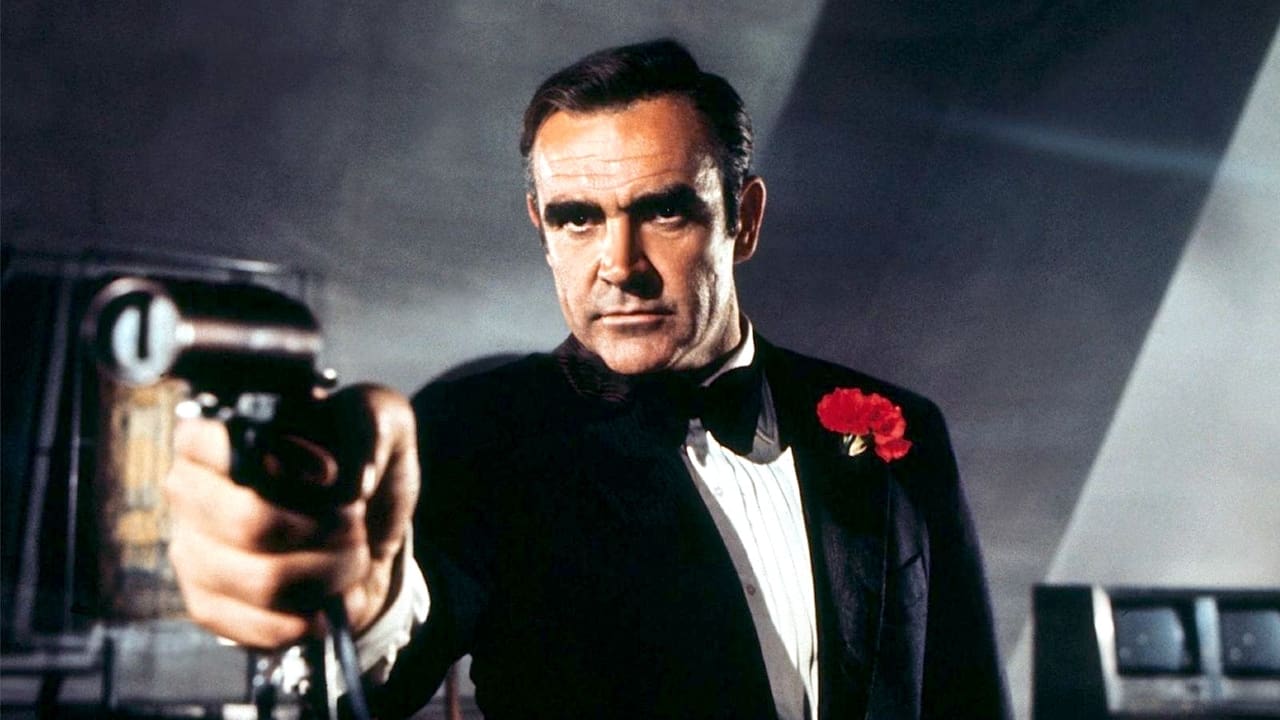
Then, of course, there is the legendary car chase through the downtown Las Vegas streets. Bond pilots a red Ford Mustang Mach 1, outmaneuvering a fleet of clumsy police cruisers. The highlight—and the source of endless trivia—is the moment Bond puts the car on two wheels to squeeze through a narrow alley. If you look closely, the car enters the alley on its right wheels and exits on its left. The crew realized the mistake too late, so they inserted a baffling "mid-air tilt" shot to explain the change. It’s the kind of practical filmmaking error that only adds to the film’s charm. The moon buggy chase is essentially a high-budget episode of The Wacky Races, but seeing a real vehicle bounce across the desert floor has a weight to it that modern digital effects just can’t replicate.
The Cast of Characters
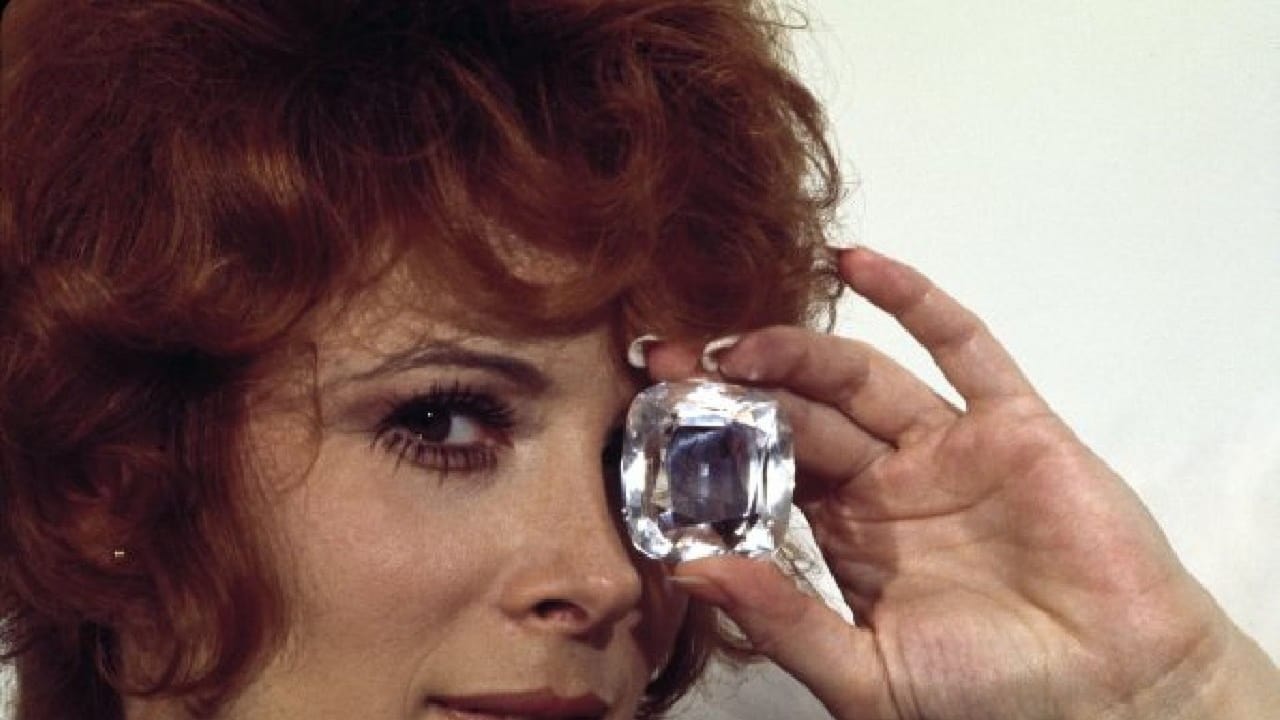
Sean Connery might be wearing a hairpiece and a slightly wider suit, but his charisma is undeniable. He’s joined by Jill St. John as Tiffany Case, who holds the distinction of being the first American "Bond Girl." She starts as a savvy, cynical smuggler before the script unfortunately turns her into a bit of a damsel in the final act.
The villains are where things get truly strange. Charles Gray (who previously appeared as a different character in You Only Live Twice) takes over as Blofeld. Charles Gray plays Blofeld with all the menace of a mildly annoyed maître d', trading the terrifying intensity of Donald Pleasence for a sort of droll, sarcastic wit. However, the show is stolen by the henchmen, Mr. Wint (Bruce Glover) and Mr. Kidd (Putter Smith). Their polite, almost domestic banter while they murder people is genuinely unsettling and remains a high point of the film’s screenplay by Richard Maibaum and Tom Mankiewicz.
A Glittering Legacy
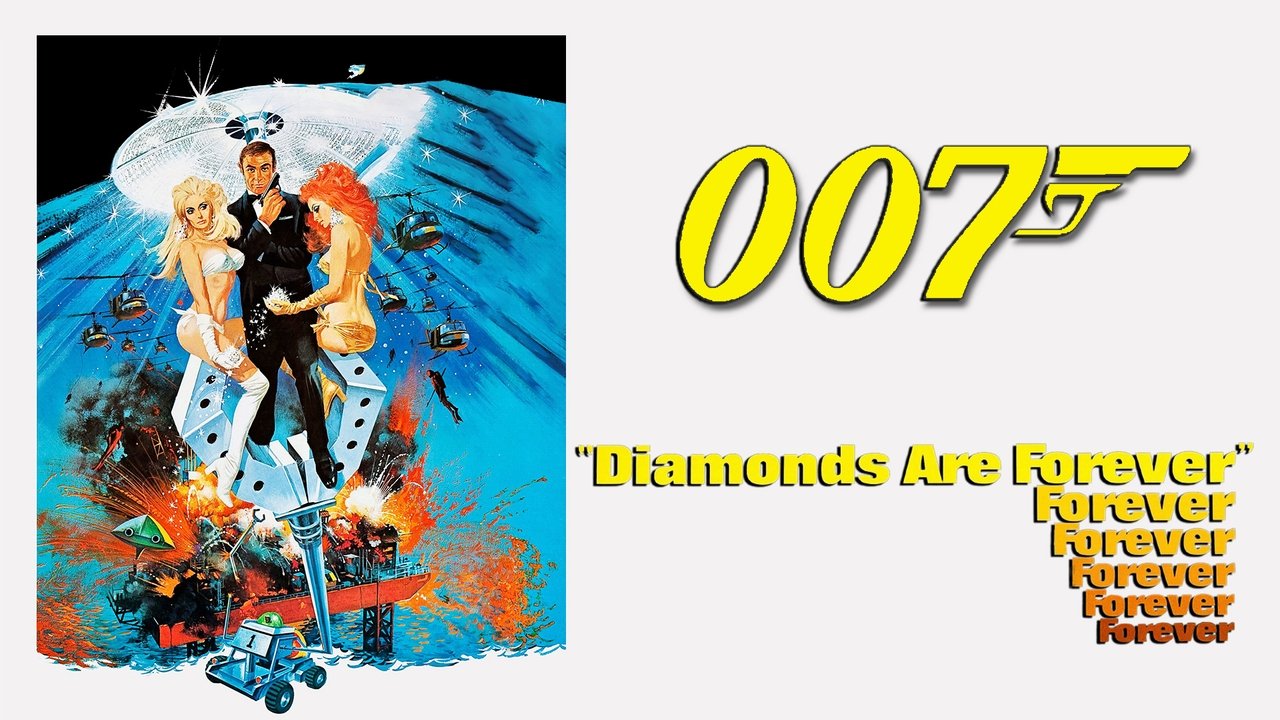
In the world of home video, Diamonds Are Forever was a staple. I remember the classic blue-box United Artists VHS tapes sitting on rental shelves, the cover art promising a level of high-octane glamour that the film delivers with a wink and a nudge. It was a massive commercial hit, raking in over $116 million on a $7.2 million budget, proving that the Bond brand was bulletproof.
While it lacks the cinematic weight of the series' best entries, it’s a vital piece of the puzzle. It shows the franchise transitioning from the Cold War tension of the 60s into the high-concept blockbusters of the 70s and 80s. It’s a film that prioritizes entertainment over logic, and in the hands of Sean Connery, that’s a winning bet.
Diamonds Are Forever is the ultimate "guilty pleasure" Bond. It’s messy, occasionally garish, and the pacing trips over its own feet during the climax on the oil rig, but it’s never boring. Between the iconic Shirley Bassey theme song and the sight of Bond driving a moon buggy through the Nevada sand, it’s a sparkling reminder of an era when blockbusters weren't afraid to be a little bit ridiculous. It's the kind of movie you keep on the TV just for the vibes, even after the credits roll.
Keep Exploring...
-
Live and Let Die
1973
-

Goldfinger
1964
-
The Man with the Golden Gun
1974
-
Thunderball
1965
-
You Only Live Twice
1967
-
Never Say Never Again
1983
-
For Your Eyes Only
1981
-
Octopussy
1983
-
A View to a Kill
1985
-
The Living Daylights
1987
-
Licence to Kill
1989
-
Dr. No
1962
-
The Spy Who Loved Me
1977
-
Moonraker
1979
-
From Russia with Love
1963
-
On Her Majesty's Secret Service
1969
-
GoldenEye
1995
-
Tomorrow Never Dies
1997
-
Die Another Day
2002
-
Spectre
2015