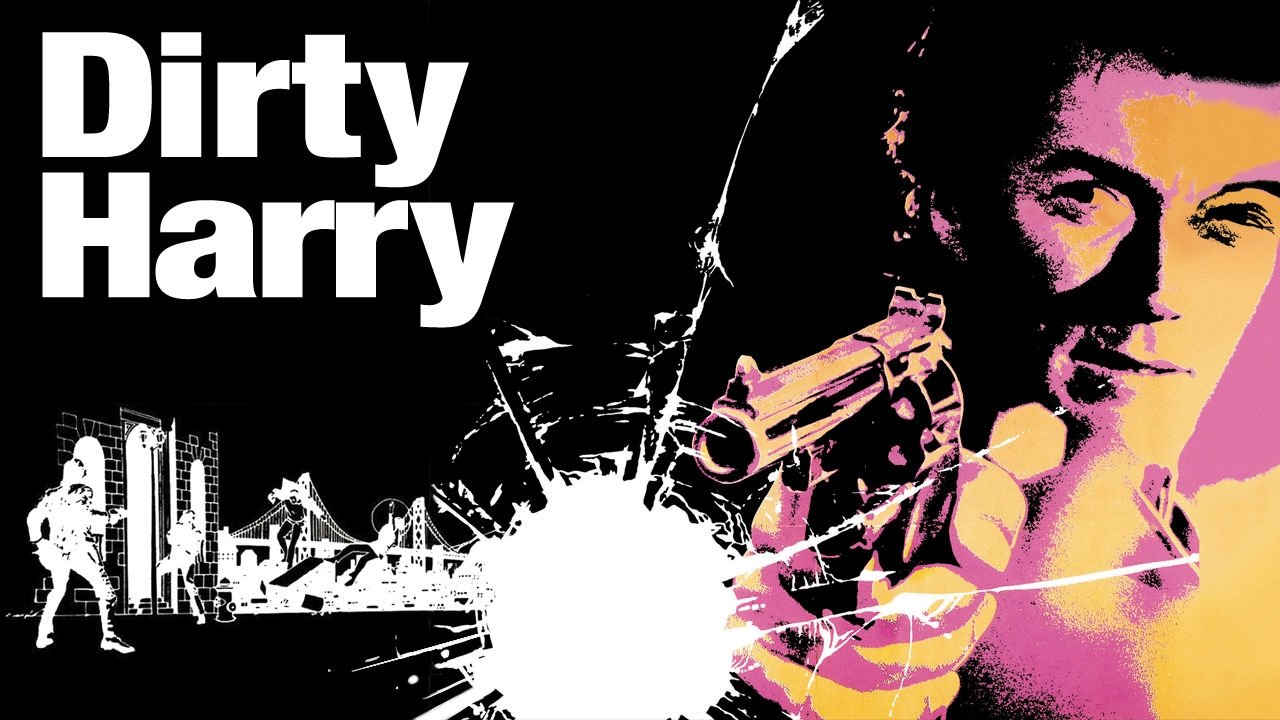
Dirty Harry
"The hunter wears a badge. The city holds its breath."
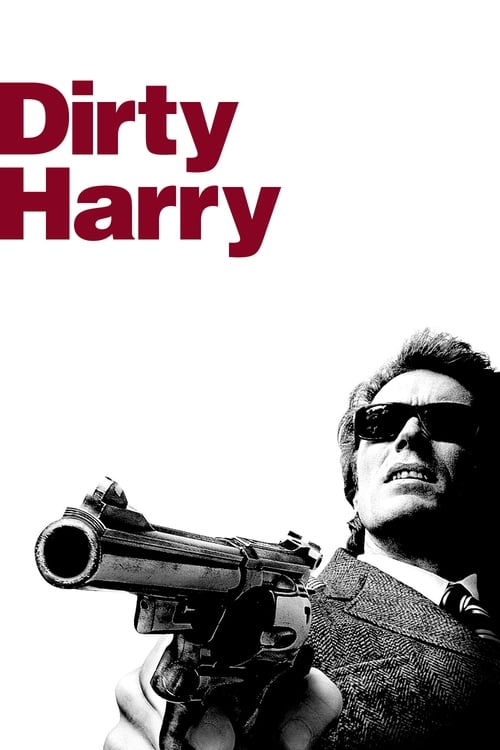
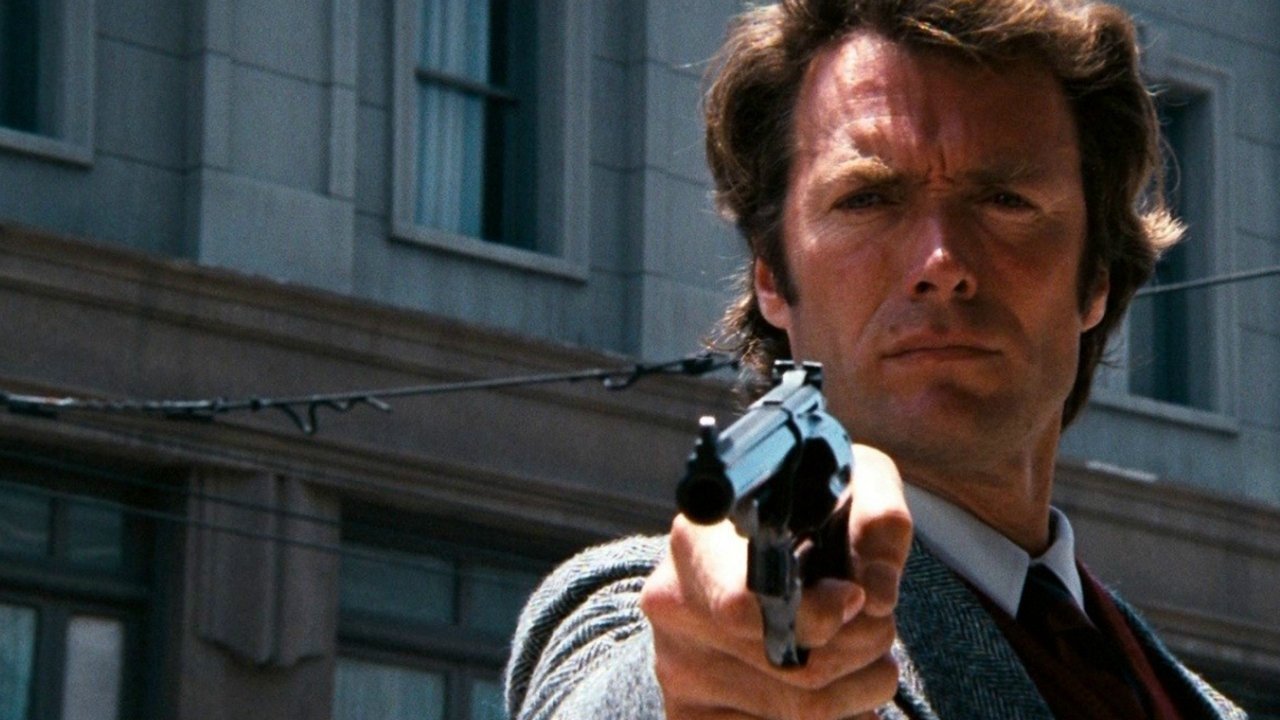
The barrel of a .44 Magnum looks like a dark, bottomless tunnel when it’s pointed directly at your face. In 1971, that view didn't just scare the petty crooks of San Francisco; it sent a shockwave through an American culture already reeling from the collapse of 1960s idealism. While I sat down to watch this today, my cat decided to knock a half-empty glass of lukewarm seltzer onto my favorite rug, and honestly, the cold, damp annoyance of that moment felt like a fitting precursor to the grime and grit of Don Siegel’s masterpiece. This isn't just a cop movie; it’s an urban Western that traded the wide-open prairies for the claustrophobic, sun-bleached concrete of a city in decay.
The Man with the Magnum
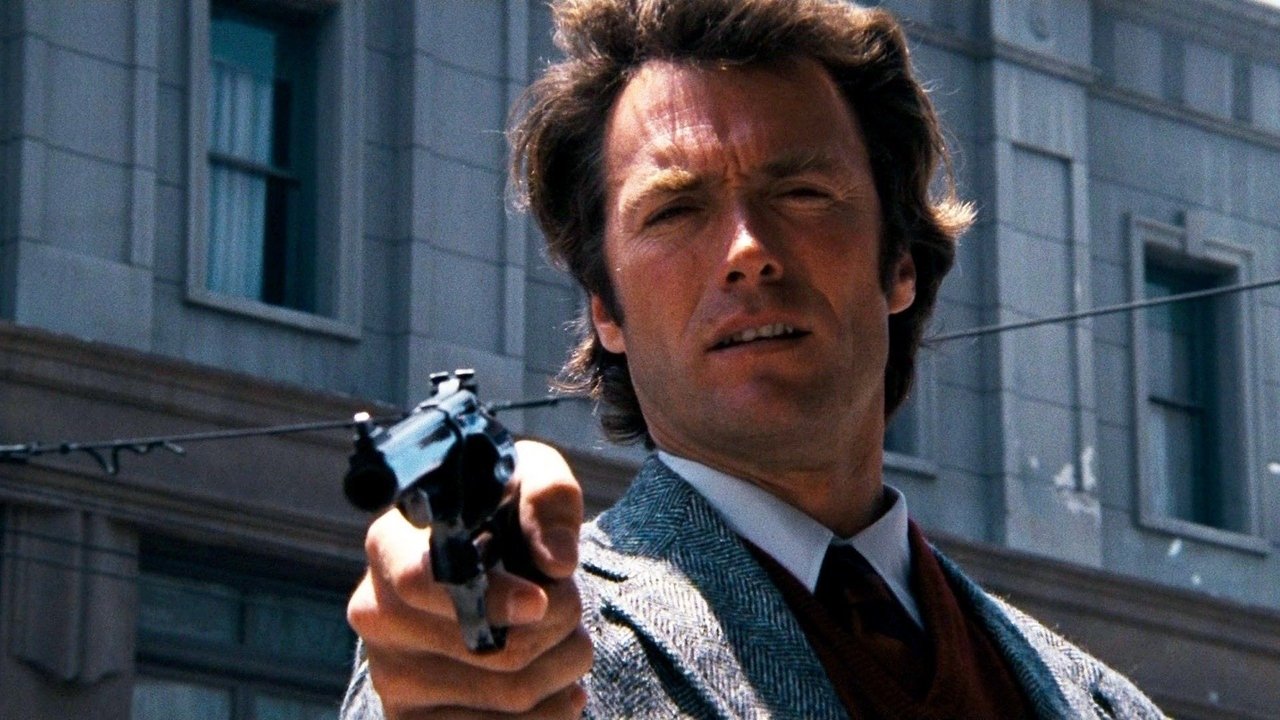
Clint Eastwood was already a star thanks to Sergio Leone, but Dirty Harry is where he became an icon of modern American cynicism. As Harry Callahan, he doesn’t just walk; he stalks the streets with the weary patience of a man who knows the system is broken and has decided to be the hammer that fixes it. There is a coldness to his performance here that later sequels would eventually soften into catchphrase-heavy heroics, but in this original outing, he’s genuinely unsettling.
He is the "Dirty" Harry who gets the jobs no one else wants, not because he’s the best, but because he’s the only one willing to step into the filth without a hazmat suit. The way Eastwood carries that massive Smith & Wesson—a gun so large it looks like it shouldn't be legal to carry on a human belt—is a physical manifestation of his character's heavy-handed morality. He isn’t interested in the nuances of the Miranda rights; he’s interested in the girl buried in the hole.
A Scrappy Vision of San Francisco
While backed by Warner Bros., the film carries the lean, mean DNA of Don Siegel’s background in B-movies and the burgeoning independent spirit of Malpaso Productions. They didn't have the bloated budgets of the era’s epics; they had $4 million and a city that looked like it was sweating. Siegel and cinematographer Bruce Surtees—often called the "Prince of Darkness"—shot the film with a stark, high-contrast look that makes the shadows feel like they have teeth.
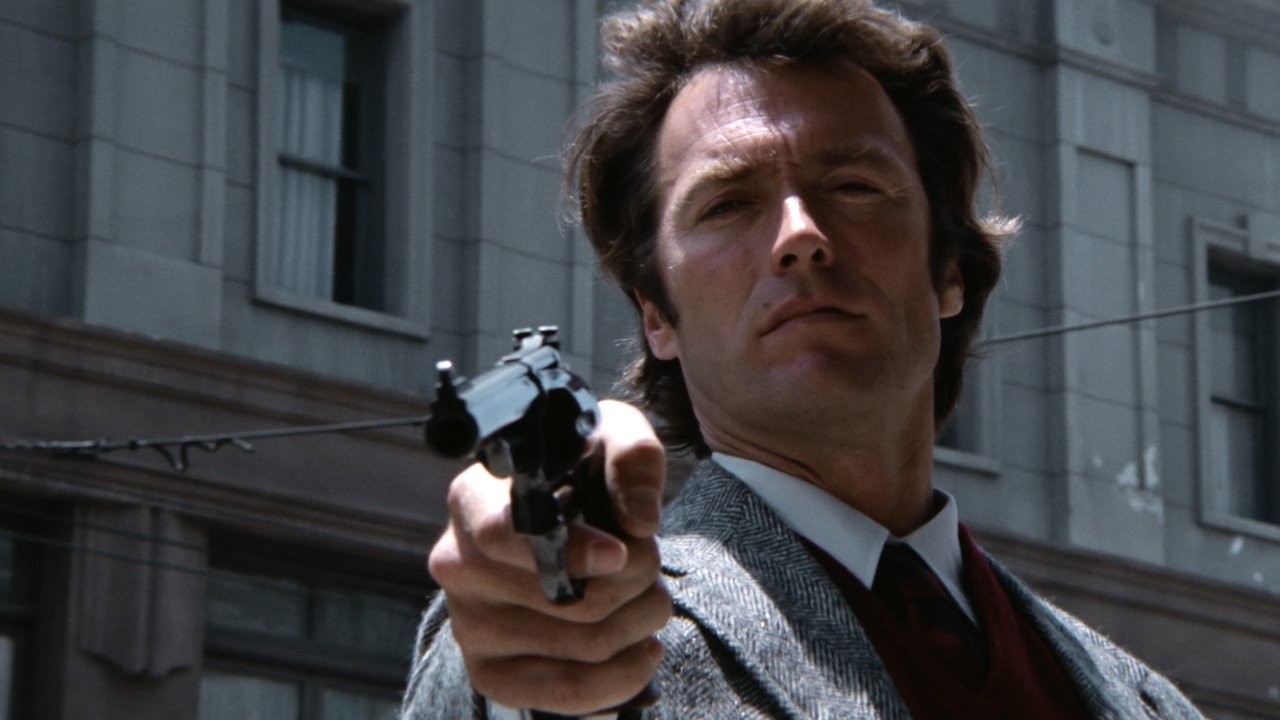
The production was famously efficient, a hallmark of the Eastwood and Siegel partnership. They didn't waste time on endless takes; they captured the raw, unpolished energy of the locations. The sequence at Kezar Stadium at night is a masterclass in using limited light to create an atmosphere of pure, existential dread. The stadium lights look less like sports equipment and more like an alien interrogation lamp. It’s that resourcefulness—making a public park feel like a desolate wasteland—that gives the film its enduring, uncomfortable power.
The Face of Pure Chaos
A hero is only as good as the monster he’s hunting, and Andrew Robinson as "Scorpio" is one of the most terrifying villains in cinema history. He isn't a mastermind; he’s a sniveling, manic, and unpredictable force of nature. Apparently, when the film was released, Robinson received death threats because his portrayal of the homicidal maniac was so convincingly repulsive. He’s the anti-Harry: where Callahan is rigid and silent, Scorpio is flailing and vocal.
The scene where he pays a man to beat him up just so he can frame Harry is a pivot point for the audience. It forces you to realize that the law, in its pursuit of fairness, can be weaponized by the truly wicked. John Vernon as the Mayor plays the political angle with such oily perfection that you almost want Harry to point the Magnum at him next. The Mayor’s office scenes are a perfect snapshot of the spineless bureaucracy that the 1970s audience had grown to loathe.
The Texture of the Era
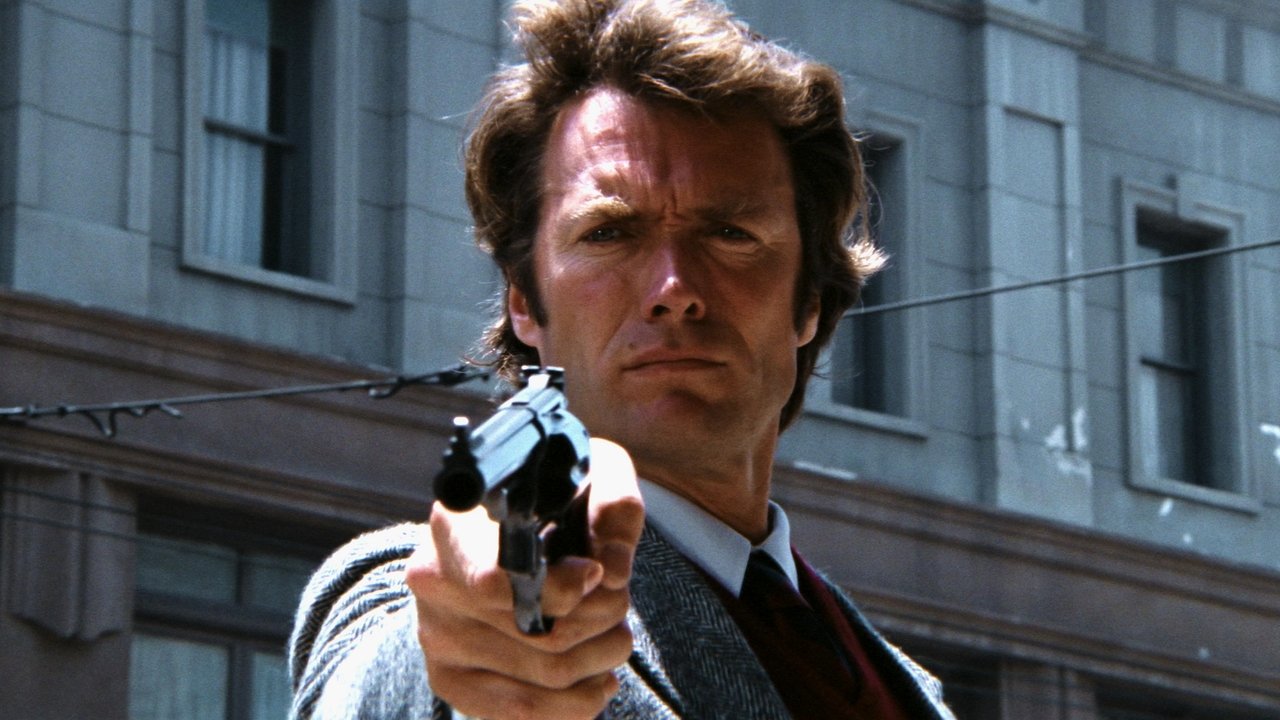
If you grew up during the VHS boom, you probably remember the iconic red-bordered cover art of the Dirty Harry Collection. On a grainy magnetic tape, the film’s harsh lighting and Lalo Schifrin’s jazz-fusion score took on an even more jagged, nervous quality. The score is essential; it doesn't offer the comfort of a traditional orchestral hero theme. Instead, it uses bongo drums and haunting vocal chirps to keep your pulse at a permanent, uncomfortable rhythm.
The film’s practical stunts still carry a weight that CGI can’t replicate. When Eastwood jumps from the bridge onto the top of a moving school bus, that’s actually him. There’s no stunt double, no green screen, and very little safety gear. You can see the genuine vibration of the bus, the way the wind whips his jacket, and the physical impact of the landing. That tangible danger is what makes the climax so satisfying. It’s a collision of real bodies and real steel.
Dirty Harry is a difficult, uncompromising piece of cinema that paved the way for every "rogue cop" trope we see today. It’s also much more thoughtful than its reputation suggests, questioning whether a society that demands safety can ever truly handle the men who provide it. It’s a grim, beautiful, and loud relic of a time when Hollywood was willing to let its heroes be just as scary as its villains. Even with a soggy rug and a cat staring me down, I couldn't look away from the screen for a single second.
Keep Exploring...
-

The Enforcer
1976
-
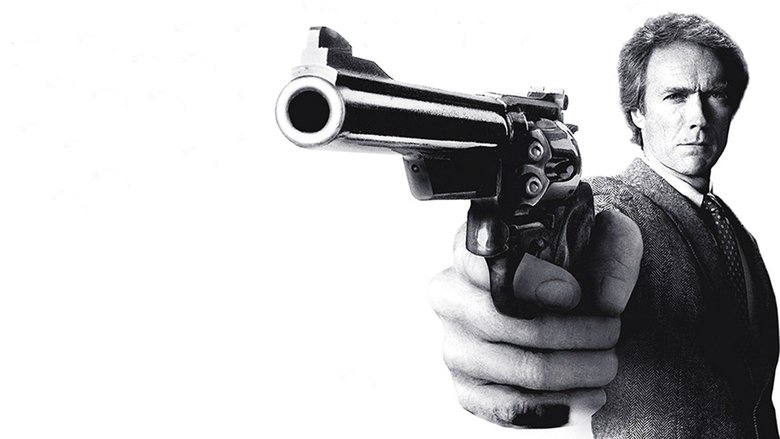
Sudden Impact
1983
-

Magnum Force
1973
-
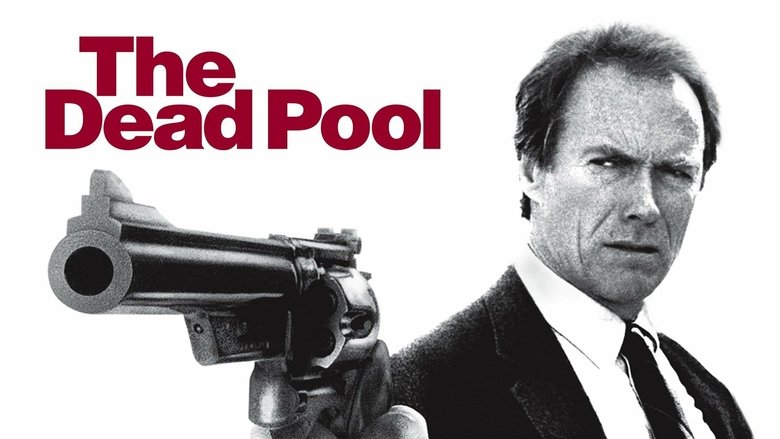
The Dead Pool
1988
-
Assault on Precinct 13
1976
-
The French Connection
1971
-
Escape from Alcatraz
1979
-
Bullitt
1968
-
Marathon Man
1976
-
In the Heat of the Night
1967
-
Straw Dogs
1971
-
Fist of Fury
1972
-
The Way of the Dragon
1972
-
They Live
1988
-
The Killer
1989
-
From Russia with Love
1963
-
Duel
1971
-
Dog Day Afternoon
1975
-
Mad Max 2
1981
-
Felon
2008