Duck, You Sucker
"Dynamite, betrayal, and the messy birth of a revolution."
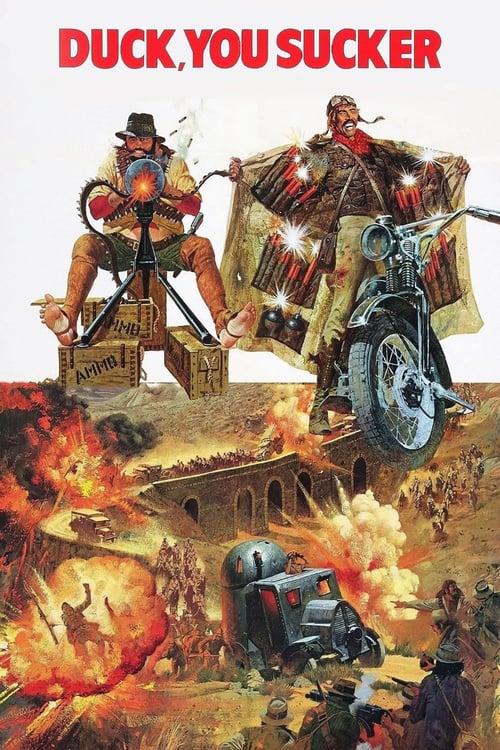
The first time I sat down to watch Duck, You Sucker, I was distracted by my neighbor’s power washer humming through the wall, which, oddly enough, provided a fitting industrial drone for a movie obsessed with the sound of things blowing up. Most people know Sergio Leone for the squinting eyes of Clint Eastwood or the harmonica wails of Charles Bronson. But this film, his 1971 "forgotten" middle child, is a different beast entirely. It’s a loud, sweaty, deeply cynical, and unexpectedly heartbreaking epic that somehow got lost in the shuffle between the myth-making of The Good, the Bad and the Ugly and the elegiac sprawl of Once Upon a Time in America.
Part of the reason it’s obscure is that nobody could agree on what to call it. Depending on which dusty VHS box you pulled off the rental shelf in 1985, it was either A Fistful of Dynamite, Giù la testa, or the somewhat goofy Duck, You Sucker. The marketing made it look like a slapstick buddy-comedy Western, but Leone had something far more radical on his mind.
The Bandit and the Bomber
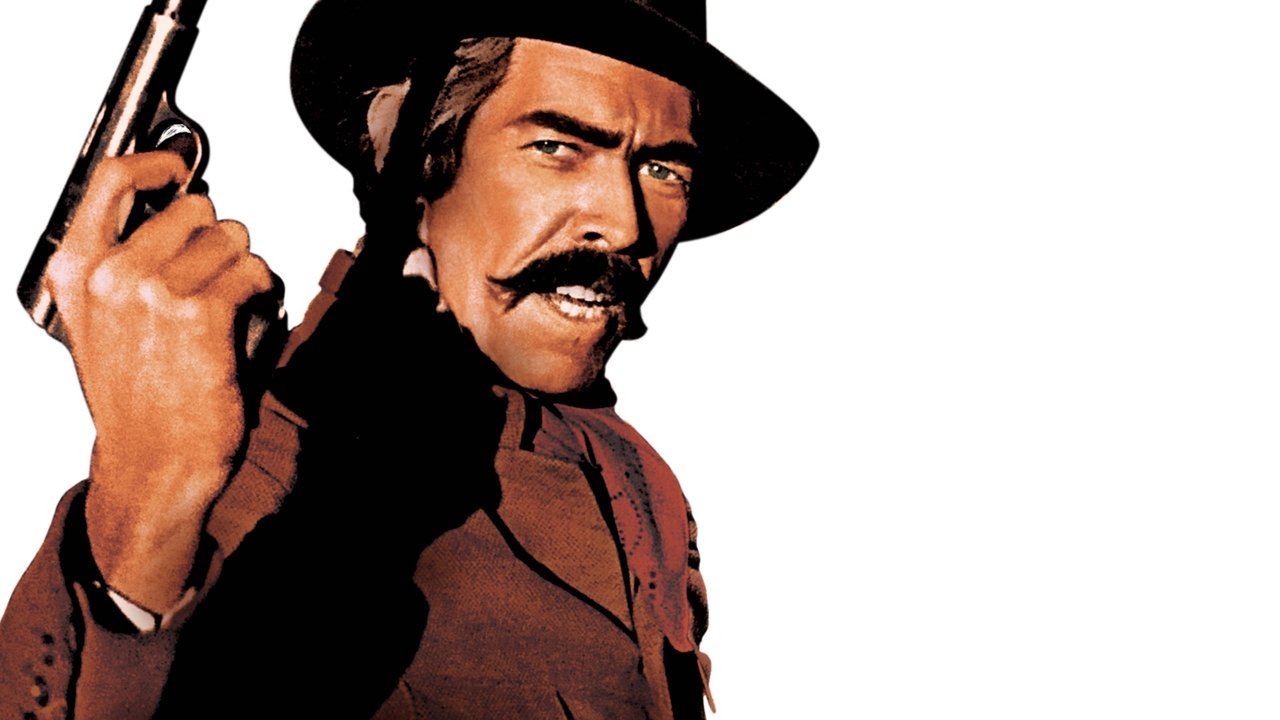
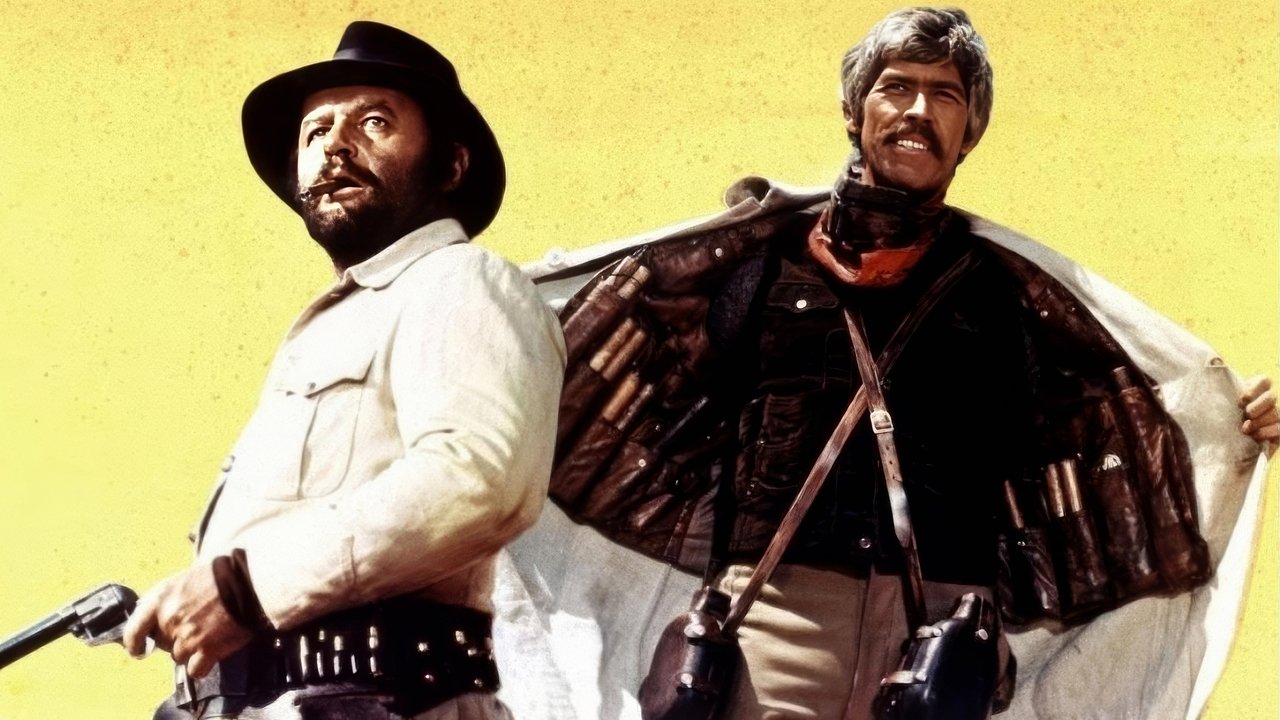
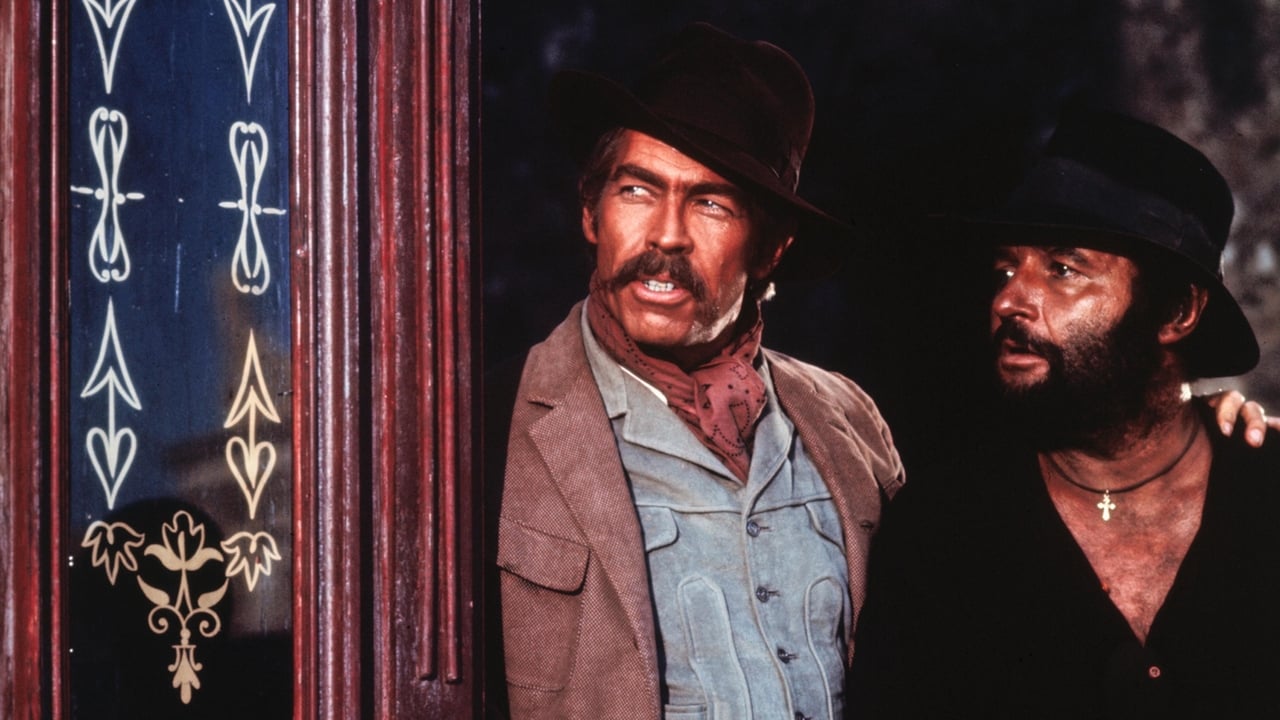
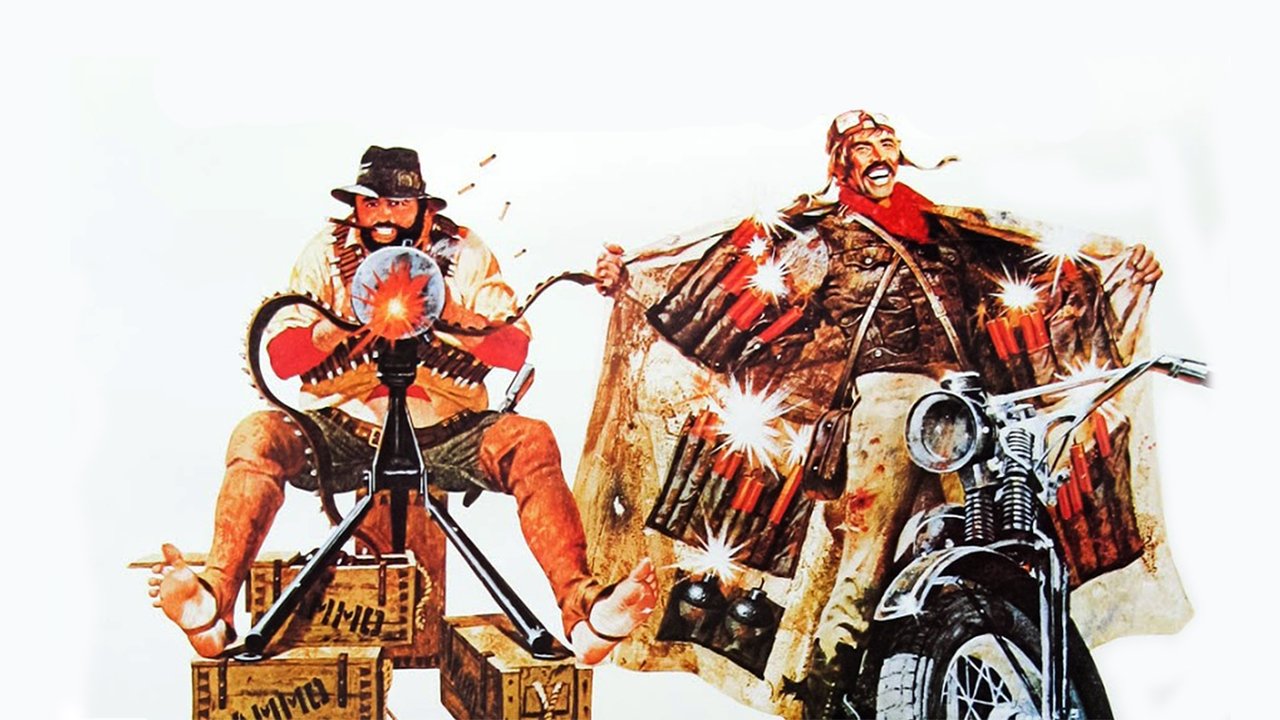
The setup feels like a classic joke: a Mexican bandit and an IRA explosives expert walk into a revolution. Rod Steiger plays Juan Miranda, a man whose only ideology is his "family"—a pack of sons and relatives who help him rob stagecoaches. Then he crosses paths with John Mallory (James Coburn), an Irishman on a motorbike packed with enough nitro to level a cathedral. Juan sees John as a "holy miracle" who can help him crack the great bank of Mesa Verde. John, haunted by memories of the rebellion back home, sees Juan as a raw force of nature.
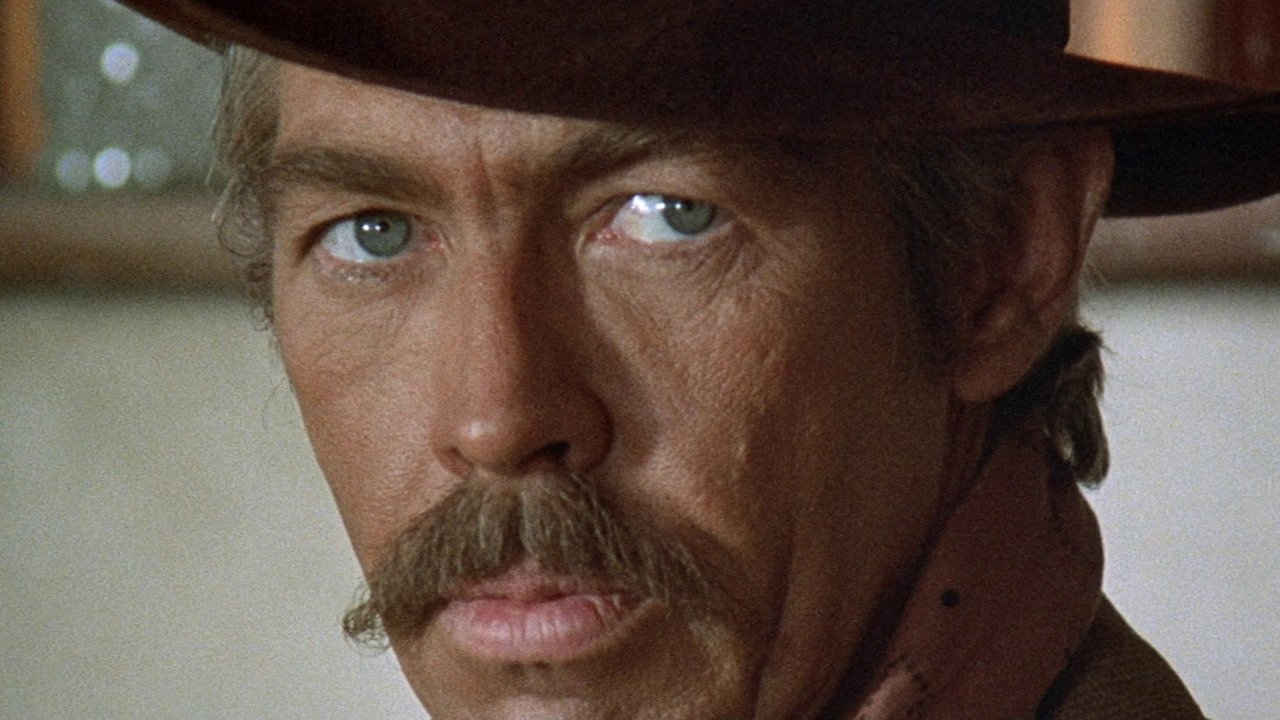
The chemistry here is fascinating because it’s so mismatched. Rod Steiger’s Mexican accent is a frantic, scenery-chewing experiment that probably shouldn't work, yet he finds the soul of the character in his desperation. He plays Juan as a man who wants to stay small in a world that is suddenly getting very large and very violent. Opposite him, James Coburn is a walking stick of dynamite—all lean limbs, cool stares, and a weary sadness that suggests he’s seen too many friends die for "the cause." While the Dollars trilogy was about greed and Once Upon a Time in the West was about the death of the frontier, this film is about the soul-crushing machinery of politics.
A Symphony of TNT and Sadness
Leone was a master of the "Practical Effects Golden Age," and Duck, You Sucker is a masterclass in making the audience feel the heat. When a bridge goes up in this movie, it’s not a miniature or a matte painting; it’s a massive stone structure actually being decimated by high explosives. There’s a weight to the destruction that modern CGI simply can't replicate. You can practically smell the cordite and the dust.
But for all the pyrotechnics, the film is surprisingly cerebral. It opens with a quote from Mao Zedong about how a revolution is "not a dinner party," and Leone spends the next two-and-a-half hours proving it. He strips away the romance of the rebel. The most famous scene isn't a shootout; it’s a quiet conversation where Juan explains to John that "those who read the books" are the ones who start the revolutions, but "the poor people" are the ones who pay for them. It’s a gut-punch of a monologue that makes you realize this isn't a Western at all—it's a war movie dressed in a poncho.
And we have to talk about Ennio Morricone’s score. Instead of the heroic trumpets of his earlier work, we get a bizarre, haunting melody where a voice literally chants "Sean, Sean!" over and over. It’s hypnotic, weird, and perfectly captures the ghosts of the past that John can’t outrun. It’s the kind of music that stays in your head long after you’ve rewound the tape and returned it to the store.
The VHS Curse of the Middle Child
Why did this film vanish? It’s partly because it’s an "in-between" movie. It lacks the pop-culture iconography of Eastwood’s Man with No Name, and it’s a bit too messy and politically charged for the 1970s crowd who just wanted more gunfights. When it finally hit home video, the box art often emphasized the "Two daredevils battle for a fortune in gold" tagline, which is essentially a lie. The movie is actually a tragedy about a man who accidentally becomes a hero while losing everything he actually cared about.
Watching it today feels like a revelation because it’s so much more ambitious than your standard Western. It’s a film that asks if any cause is worth the piles of bodies it creates. If you can handle the 157-minute runtime, you’ll find a movie that is as explosive intellectually as it is pyrotechnically. It’s Leone at his most frustrated and most human, trading the cool silence of the desert for the roar of a revolution that doesn't care who it crushes.
Duck, You Sucker is the great "what-if" of 70s cinema. It’s a film that balances slapstick humor with the sight of mass executions in a way that should be jarring, but somehow feels honest to the chaos of history. It deserves to be pulled out of the shadows of Leone's more famous works and watched for what it is: a beautiful, loud, and deeply mournful meditation on the price of change. Just make sure your neighbors aren't power washing their driveway when you hit play.
Keep Exploring...
-
The Good, the Bad and the Ugly
1966
-
Once Upon a Time in the West
1968
-
A Fistful of Dollars
1964
-
For a Few Dollars More
1965
-
The Wild Bunch
1969
-

The Man Who Shot Liberty Valance
1962
-

Once Upon a Time in America
1984
-

The Magnificent Seven
1960
-
High Plains Drifter
1973
-
The Outlaw Josey Wales
1976
-
Who's Afraid of Virginia Woolf?
1966
-
Harold and Maude
1971
-

Charade
1963
-

Django
1966
-
They Call Me Trinity
1970
-
Trinity Is Still My Name
1971
-
My Name Is Nobody
1973
-

Andrei Rublev
1966
-

Solaris
1972
-
Amarcord
1973