Escape from the Planet of the Apes
"The future returns to the present with tragic consequences."
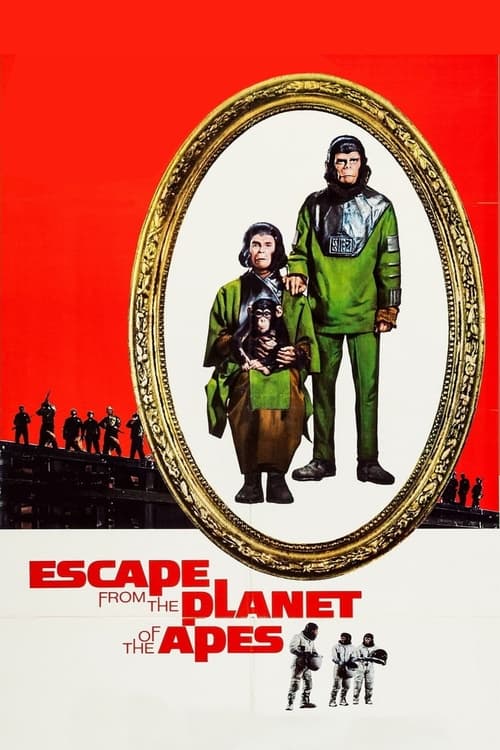
Imagine you’re a 1971 theatergoer who just watched the entire world get nuked into oblivion at the end of Beneath the Planet of the Apes. You likely assumed the franchise was dead—literally vaporized. Then, a year later, 20th Century Fox drops a trailer showing three chimpanzees stepping out of a space capsule onto a modern-day California beach. It’s one of the most audacious "how are they going to fix this?" pivots in cinematic history, and against all odds, Escape from the Planet of the Apes isn't just a clever workaround; it’s the secret MVP of the entire original pentalogy.
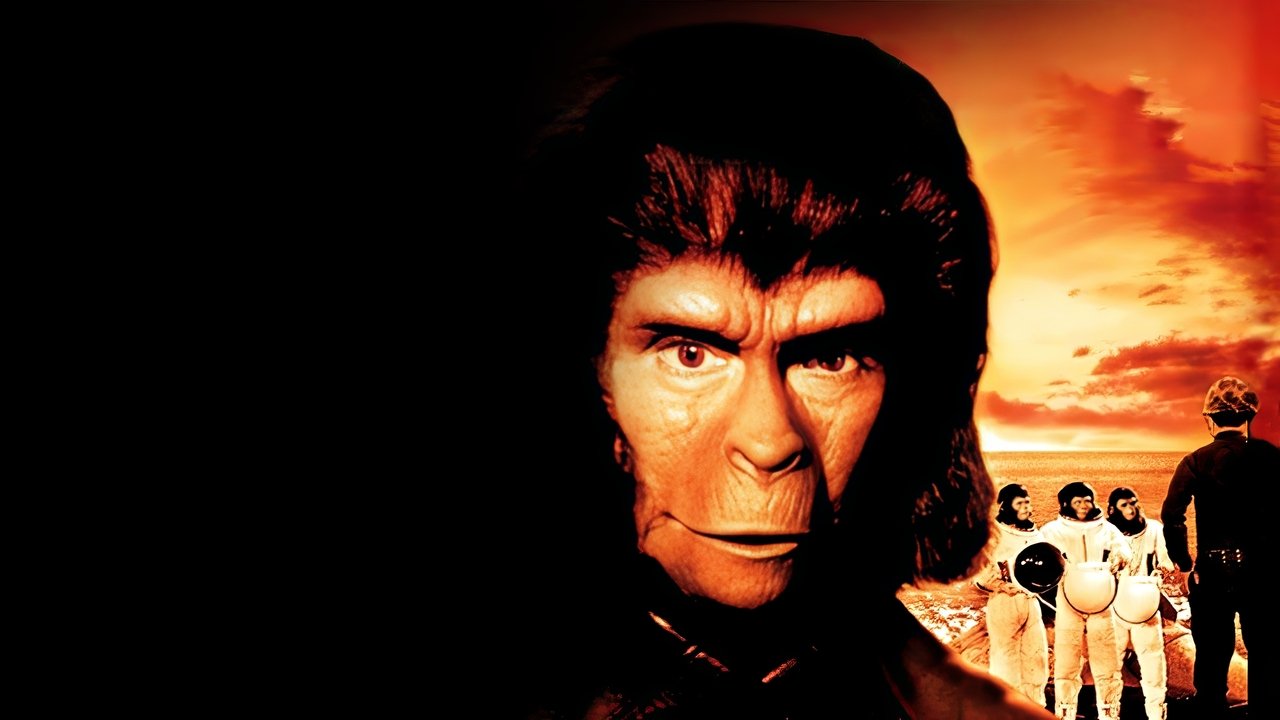
While the 1968 original is a stone-cold masterpiece of world-building, I’ve always found Escape to be the most human—which is ironic, considering the leads are wearing three hours' worth of latex. I recently revisited this on a lazy Sunday afternoon while trying to peel a particularly stubborn clementine that eventually sprayed juice directly onto my glasses, and even through the sticky smudge on my lens, the film’s tonal shift from "fish-out-of-water comedy" to "Cold War paranoia thriller" remains staggering.
A Masterclass in Subversive Sequels
The premise is brilliant in its simplicity and its budget-consciousness. Since the future Earth was destroyed, the writer Paul Dehn (who also penned Goldfinger) simply sends the characters back to our time. Roddy McDowall returns as Cornelius, and Kim Hunter reprises her role as Zira. Joining them is Sal Mineo as Milo (a role he reportedly took just to work with the other two, though he doesn't survive the first act).
The first half of the film is pure 70s camp in the best way possible. We see Cornelius and Zira becoming media darlings, staying in luxury hotels, and Zira discovering the joys of "Grape Juice Plus" (wine). It’s a satire of celebrity culture that feels remarkably ahead of its time. However, beneath the champagne and fancy clothes, there’s a ticking clock. The humans, led by the President’s science advisor Dr. Otto Hasslein (Eric Braeden), realize that if these apes are from a future where humans are slaves, then their very existence is a threat to the species.
Practical Magic and 70s Cynicism

This is where the "New Hollywood" energy of the 1970s kicks in. The film abandons the laughs and descends into a dark, claustrophobic chase movie. Bradford Dillman and Natalie Trundy provide the moral heart as the sympathetic scientists trying to protect the couple, but they are up against the cold, calculating logic of Hasslein. The 1970s was the only decade brave enough to turn a movie about talking monkeys into a heartbreaking allegory for infanticide and xenophobia.
Technically, the film is a triumph of "doing more with less." The budget was a fraction of the original ($2.5 million), but the makeup effects still hold up beautifully. Watching Roddy McDowall and Kim Hunter perform through those appliances is a lesson in acting; they convey more emotion with their eyes and slight muzzle twitches than most modern actors do with full facial mobility. There’s a physical weight to the practical suits that CGI simply hasn't replicated—a certain "texture" of the 70s that feels tactile and real.
The VHS Rental Store Hero
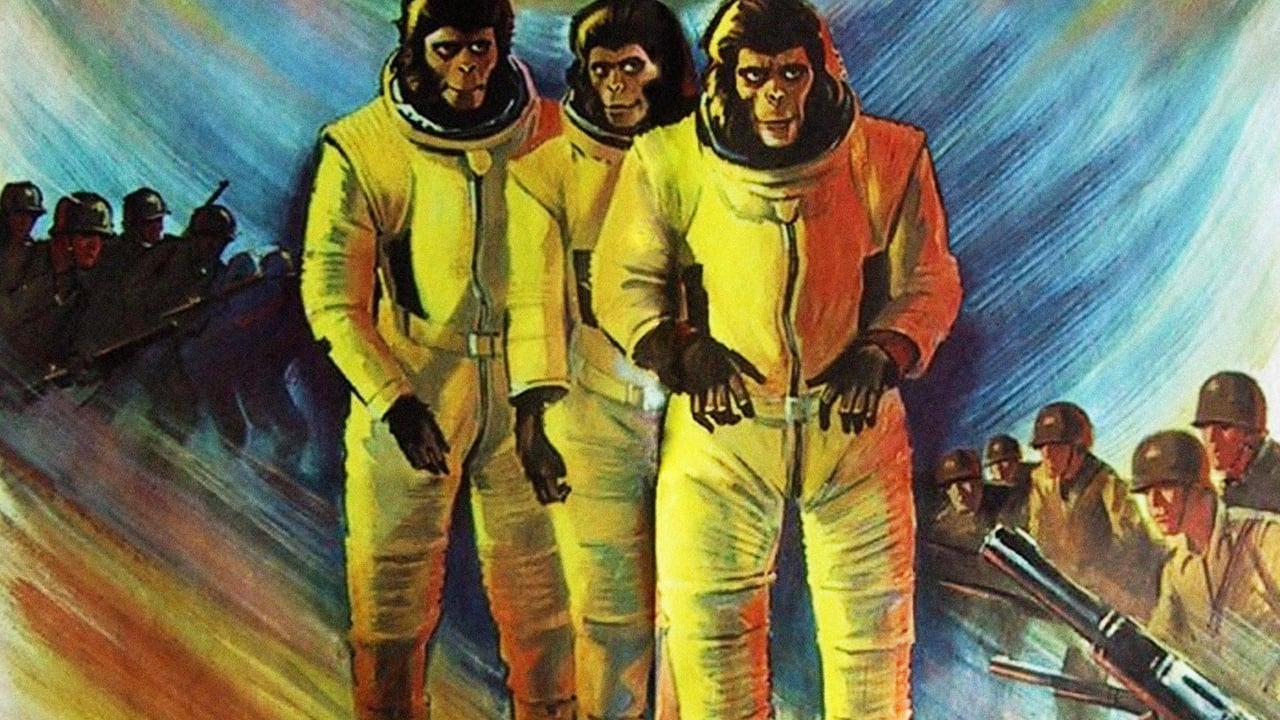
For many of us, Escape wasn't something we saw in a theater, but rather a discovery made in the "Sci-Fi/Horror" aisle of a local video rental shop in the late 80s. I vividly remember the CBS/Fox Video VHS box with its iconic white border and the image of the three apes in flight suits. It looked like a fun adventure, which made the devastating finale even more of a gut-punch for a kid expecting a cartoonish romp.
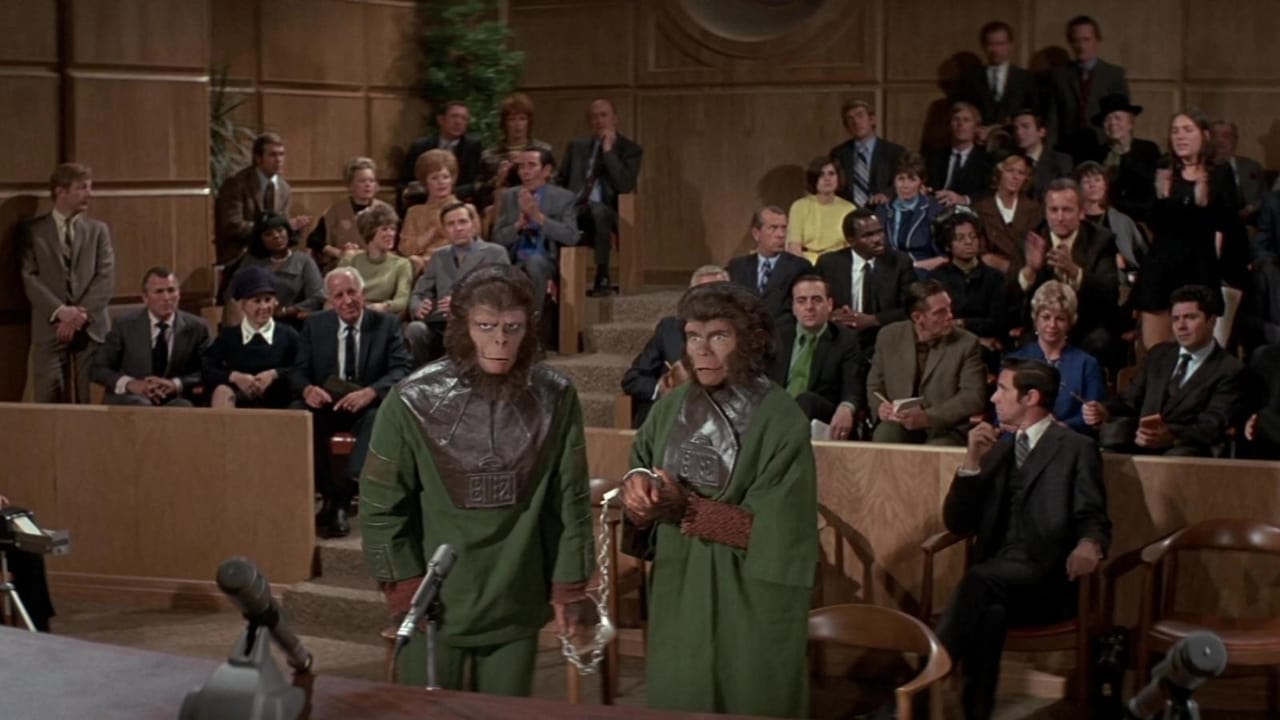
The ending of this film is notorious. It’s bleak, it’s violent, and it’s perfectly in line with the cynical "no one gets out alive" vibe of 70s cinema. It’s the kind of ending that stays with you, forcing you to think about the cyclical nature of hatred and fear. Director Don Taylor keeps the pace brisk, but he doesn't shy away from the tragedy. By the time the credits roll, you realize you've just watched a Greek tragedy disguised as a Saturday afternoon matinee.
Escape from the Planet of the Apes is the rare sequel that justifies its existence by completely subverting expectations. It trades the epic scale of the Forbidden Zone for a more intimate, character-driven story that asks uncomfortable questions about human nature. It’s smart, it’s heartbreaking, and it features Roddy McDowall at the absolute top of his game. If you've only ever seen the 1968 original, you owe it to yourself to see where the timeline truly begins to fracture. Just make sure you have some tissues ready for the final ten minutes—and maybe don't try to peel any citrus while watching.
Keep Exploring...
-
Conquest of the Planet of the Apes
1972
-
Battle for the Planet of the Apes
1973
-
Beneath the Planet of the Apes
1970
-
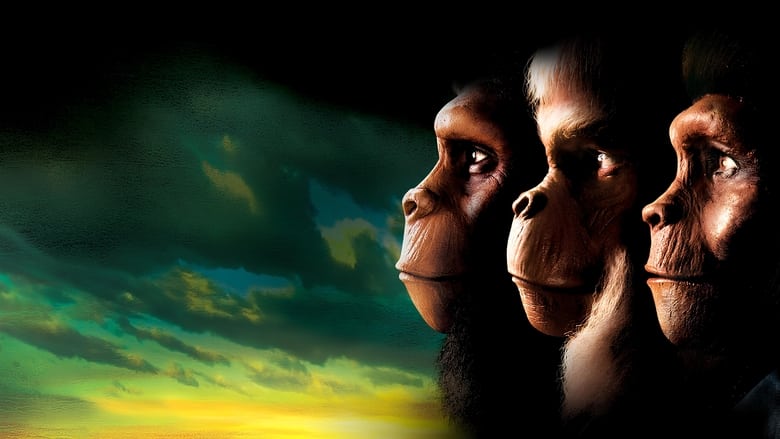
Planet of the Apes
1968
-
Logan's Run
1976
-
Flash Gordon
1980
-
Star Trek III: The Search for Spock
1984
-
Innerspace
1987
-

Masters of the Universe
1987
-

The Enforcer
1976
-
Batman
1966
-
THX 1138
1971
-
Bad Taste
1987
-
They Live
1988
-
Bullitt
1968
-

Magnum Force
1973
-
Soylent Green
1973
-
Marathon Man
1976
-

Superman
1978
-
Mad Max
1979