Harold and Maude
"Life is for living, and death is for dessert."
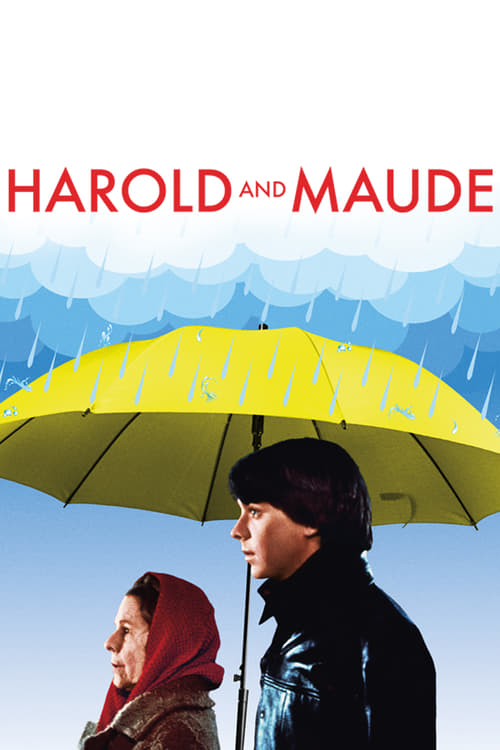
The film opens with a well-dressed young man calmly putting on a record, adjusting his noose, and kicking a chair away just as his mother walks into the room. She doesn’t scream. She doesn't even call 911. She simply sighs and continues discussing her social calendar while her son dangles, purple-faced, in the background. It is one of the most jarring, hilarious, and pitch-black introductions in cinema history, and it perfectly sets the stage for Harold and Maude, a film that was far too weird for 1971 but became essential for everyone who grew up feeling like a bit of an outlier.
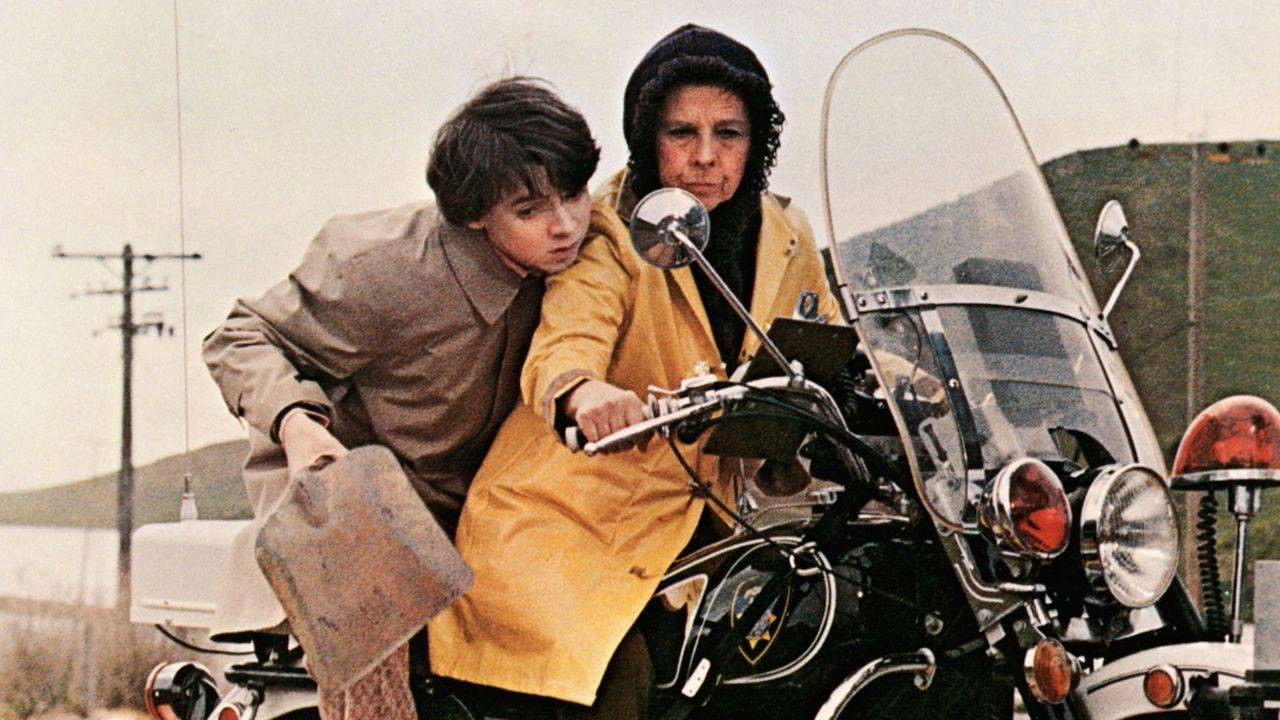
The New Hollywood Rebellion
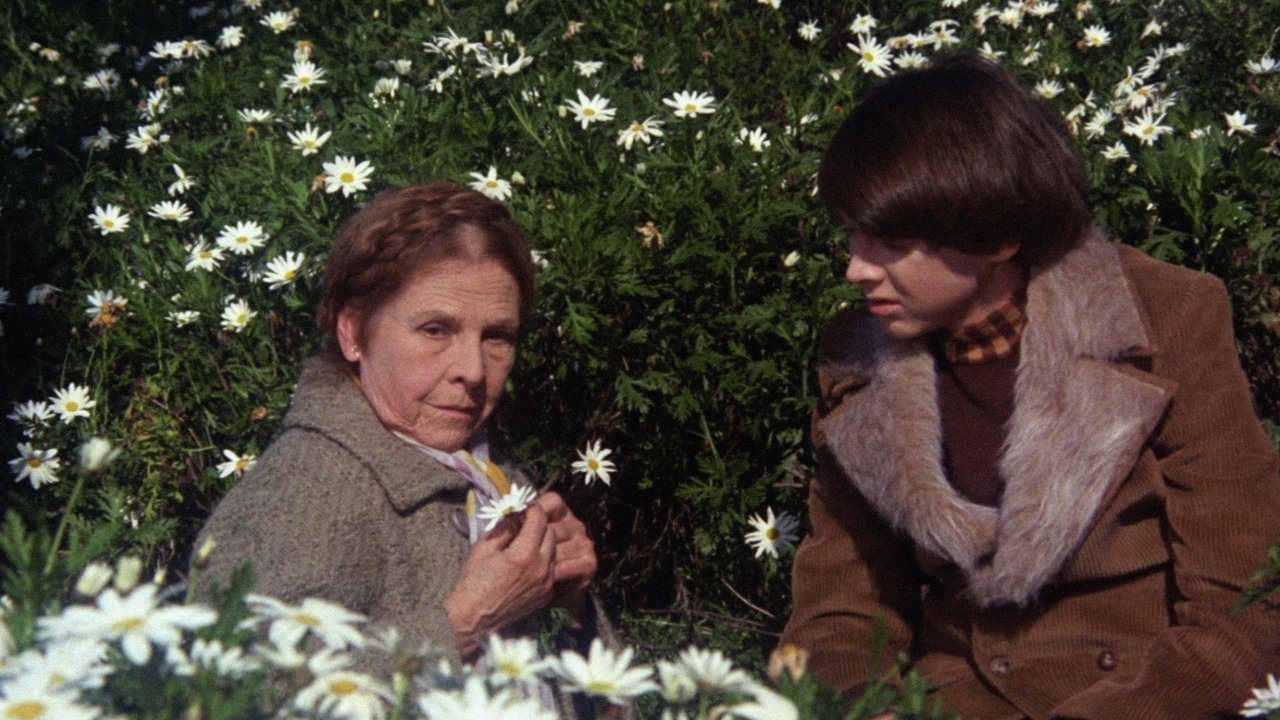
When Hal Ashby took the director’s chair for this, Hollywood was in the middle of a messy divorce from its own past. The old studio system was crumbling, and in its place came the "New Hollywood" directors—guys like Ashby, Scorsese, and Coppola—who wanted to make movies that felt as untidy and complicated as real life. Harold and Maude is the crown jewel of this era's "misfit" cinema. It’s a romance between an obsessed-with-death 20-year-old and a 79-year-old woman who treats the world like her personal playground.
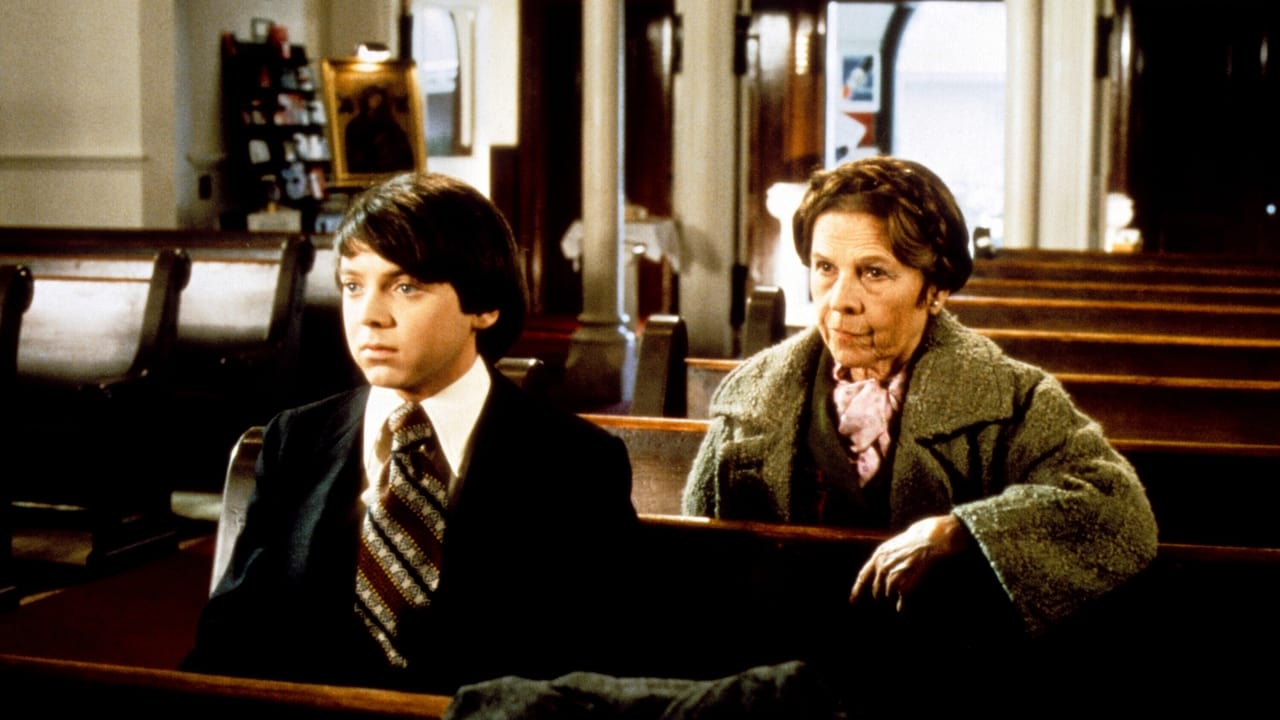
I watched this most recent time while trying to untangle a massive, knotted ball of old Christmas lights, and the frustration of that task felt strangely aligned with Harold’s internal state. He is a boy trapped in a house of high-society manners and plastic expectations, played with a haunting, pale stillness by Bud Cort. Harold’s fake suicides are the most relatable thing in the movie because they aren’t really about dying; they’re about desperate, theatrical cries for someone—anyone—to actually look at him.
The Midnight Movie Miracle
It’s hard to believe now, but Harold and Maude was a total flop when it first hit theaters. Critics didn't get the tone, and audiences weren't ready for a romance that crossed such a massive generational divide. But then something happened in the late 70s and 80s: the film found its home in the "Midnight Movie" circuit and, eventually, the local video store.
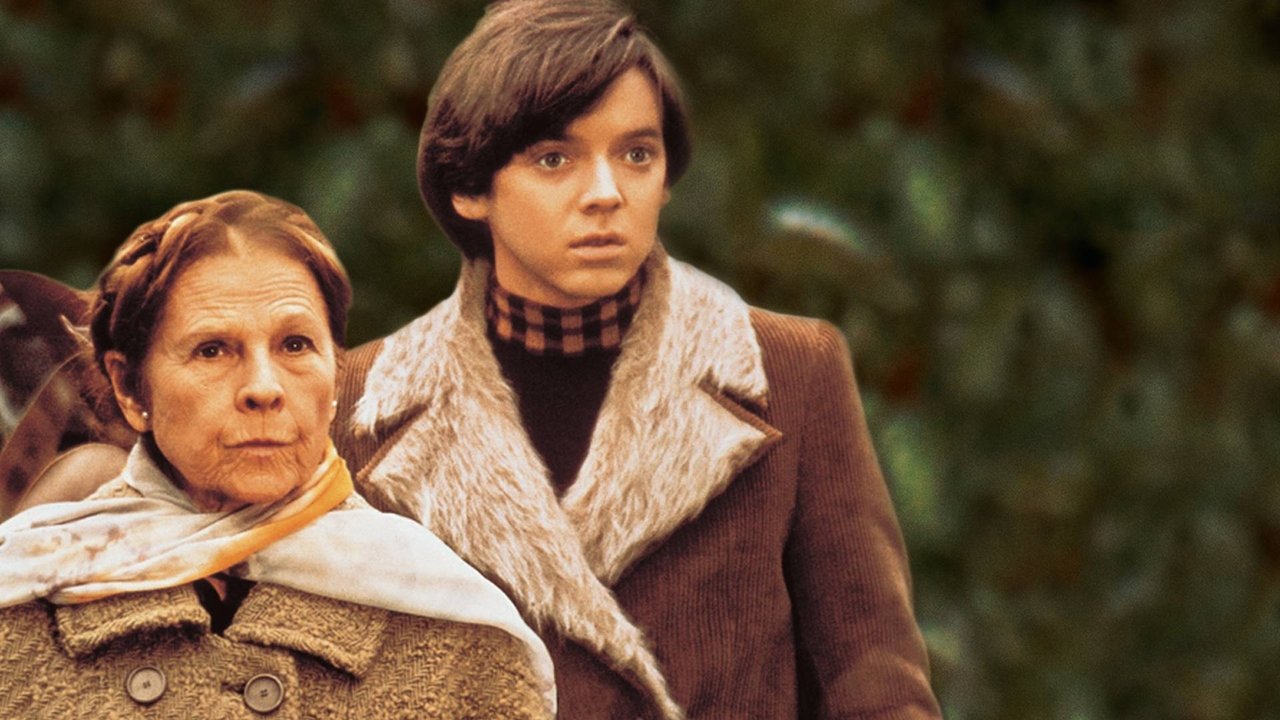
This is a quintessential "tape" movie. I know people who owned VHS copies so worn out from repeat viewings that the Cat Stevens soundtrack started to warble and hiss during the iconic "If You Want to Sing Out, Sing Out" sequences. On a flickering CRT television, the grainy, naturalistic cinematography by John A. Alonzo (who also shot Chinatown) feels intimate, like you’re trespassing on a private friendship. The video store era turned this from a failed experiment into a secret handshake among cinephiles. If you had the orange-spine Paramount tape on your shelf, you were "one of us."
A Philosophy of Sunflowers and Hearses
The heart of the film is Ruth Gordon as Maude. She is a force of nature. While Harold spends his time attending funerals of strangers and driving a custom Jaguar he converted into a hearse (the Jaguar-hearse is the greatest practical car mod in cinema history), Maude is busy "borrowing" cars and transplanting sick trees back into the forest.
There is a deep, cerebral layer to Maude that the film handles with incredible restraint. We see a glimpse of a numbered tattoo on her arm—a silent confirmation that she survived the Holocaust. It changes everything about her character. Her joy isn't naive; it’s a hard-won, radical choice. She has seen the absolute floor of human depravity and decided that, in response, she will love every flower and every person she meets. It’s a profound philosophical stance: in a world of death, the only rebellion is to be intensely, annoyingly alive.
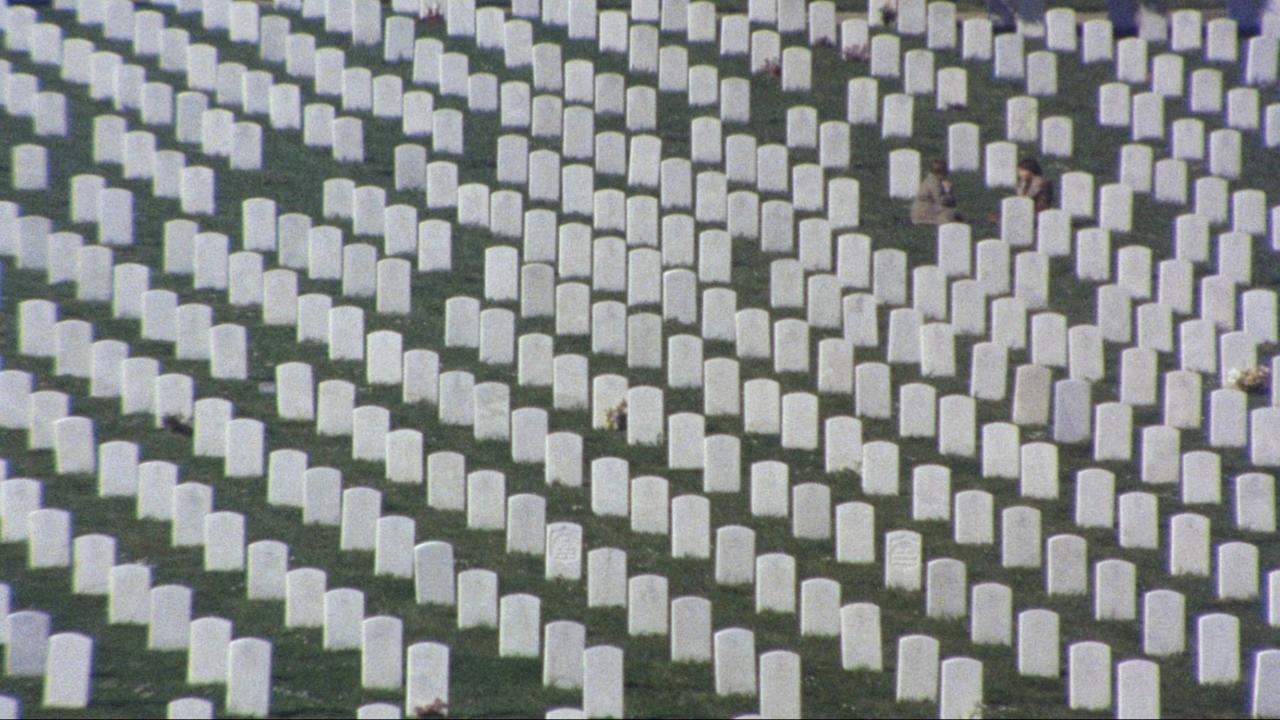
The chemistry between Bud Cort and Ruth Gordon is genuinely sweet, never leaning into the "ick" factor that a lesser director might have exploited. Even the supporting cast, like Vivian Pickles as Harold's exasperated mother or Ellen Geer as the actress Sunshine Doré, helps flesh out a world that feels both satirical and painfully real. Ashby lets the camera linger on their faces, giving the performances room to breathe in a way you rarely see in modern, hyper-edited comedies.
Harold and Maude is more than just a quirky 70s relic; it’s a survival manual for the soul. It asks us to consider if we are spending our lives in a "suicide-attempt" of boredom and conformity, or if we’re brave enough to go out and "borrow" a truck today. It’s funny, it’s heartbreaking, and it features a soundtrack that will stay stuck in your head for weeks. If you haven't seen it, find the best copy you can, sit down, and prepare to feel a lot better about being a weirdo.
Keep Exploring...
-
Being There
1979
-
The Apartment
1960
-
Breakfast at Tiffany's
1961
-
Annie Hall
1977
-
Manhattan
1979
-

The Hustler
1961
-
Charade
1963
-
The Graduate
1967
-
Amarcord
1973
-
Say Anything...
1989
-
Sabrina
1954
-
My Fair Lady
1964
-
Guess Who's Coming to Dinner
1967
-
The Party
1980
-
M*A*S*H
1970
-

The Circus
1928
-
La Dolce Vita
1960
-
Jules and Jim
1962
-
La Jetée
1962
-

The Breakfast Club
1985