Straw Dogs
"The breaking point is only the beginning."
I watched this on a humid Tuesday evening while trying to ignore the fact that my neighbor was loudly power-washing his driveway; the relentless, mechanical roar of the water actually synced up perfectly with the grinding psychological tension in the Sumner household. By the time the credits rolled on Sam Peckinpah’s Straw Dogs, I realized I had been gripping my armchair so hard my knuckles were white. This isn't just a "home invasion" movie. It’s a slow-motion car crash of masculinity, ego, and the terrifying realization that civilization is a very thin coat of paint on a very old, very angry house.
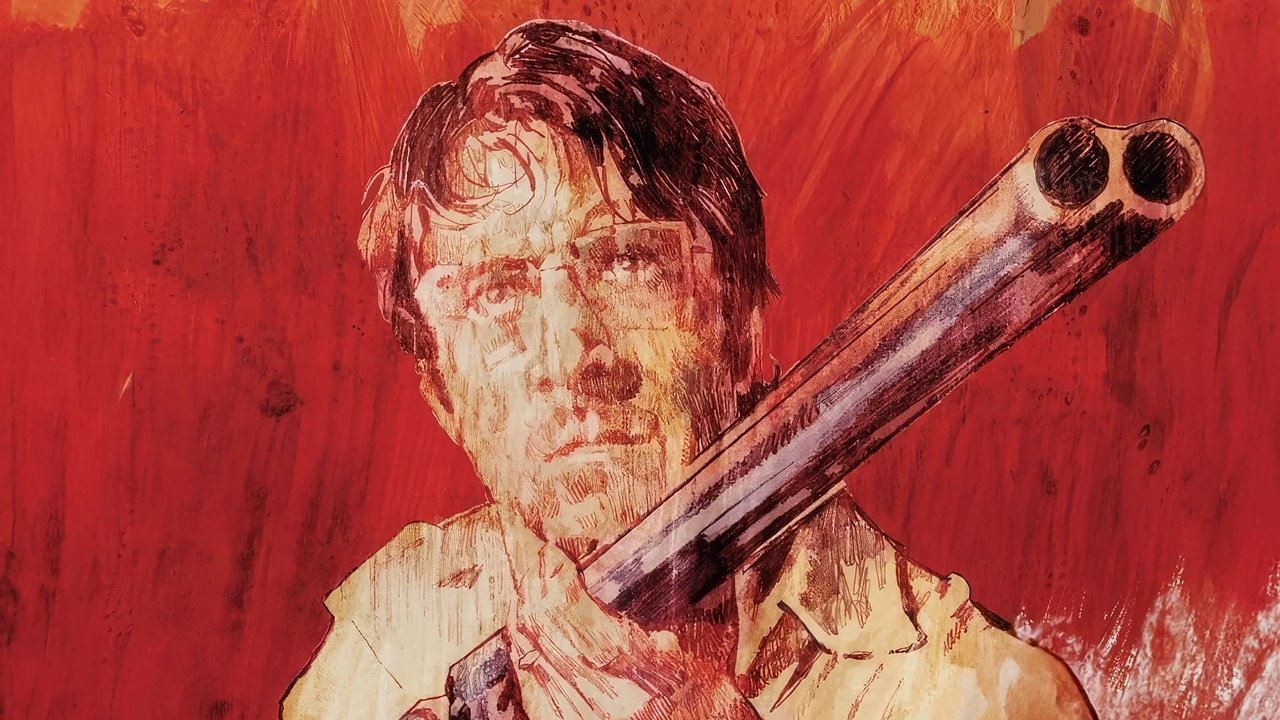
The film follows David Sumner (Dustin Hoffman), a "mild-mannered" American mathematician who moves to a remote village in Cornwall with his English wife, Amy (Susan George). David thinks he’s there to escape the Vietnam-era chaos of the U.S. and focus on his research. He wants peace, but more importantly, he wants to feel superior to the "simple" locals. He’s the classic intellectual who looks down his nose at anyone who works with their hands, and Dustin Hoffman plays him with a prickly, condescending energy that makes you realize David is kind of a jerk long before he becomes a killer.
The Fragile Shell of Civilization
The drama here isn't just in the external threat of the local thugs, led by the hulking Charlie Venner (Del Henney), but in the rotting core of the Sumners' marriage. Susan George gives an incredibly difficult, layered performance as Amy. She’s bored, she’s resentful of David’s dismissive attitude, and she plays a dangerous game of provocation with her old flame, Charlie, just to get a rise out of her husband. When the local men begin "fixing" the roof of their farmhouse, the power dynamic shifts. They aren't just laborers; they are predators sniffing out a weak link in the pack.
Peckinpah, known for the explosive violence of The Wild Bunch, takes his time here. He lets the discomfort simmer. It’s in the way the men look at Amy, the way they "accidentally" leave a dead cat hanging in the closet, and the way David constantly makes excuses to avoid confrontation. He buys them drinks; he tries to be "one of the guys." It’s agonizing to watch because you know—and the locals know—that he’s terrified. The film asks a deeply uncomfortable question: what does it take to make a "civilized" man pick up a weapon?
The Peckinpah Meat Grinder
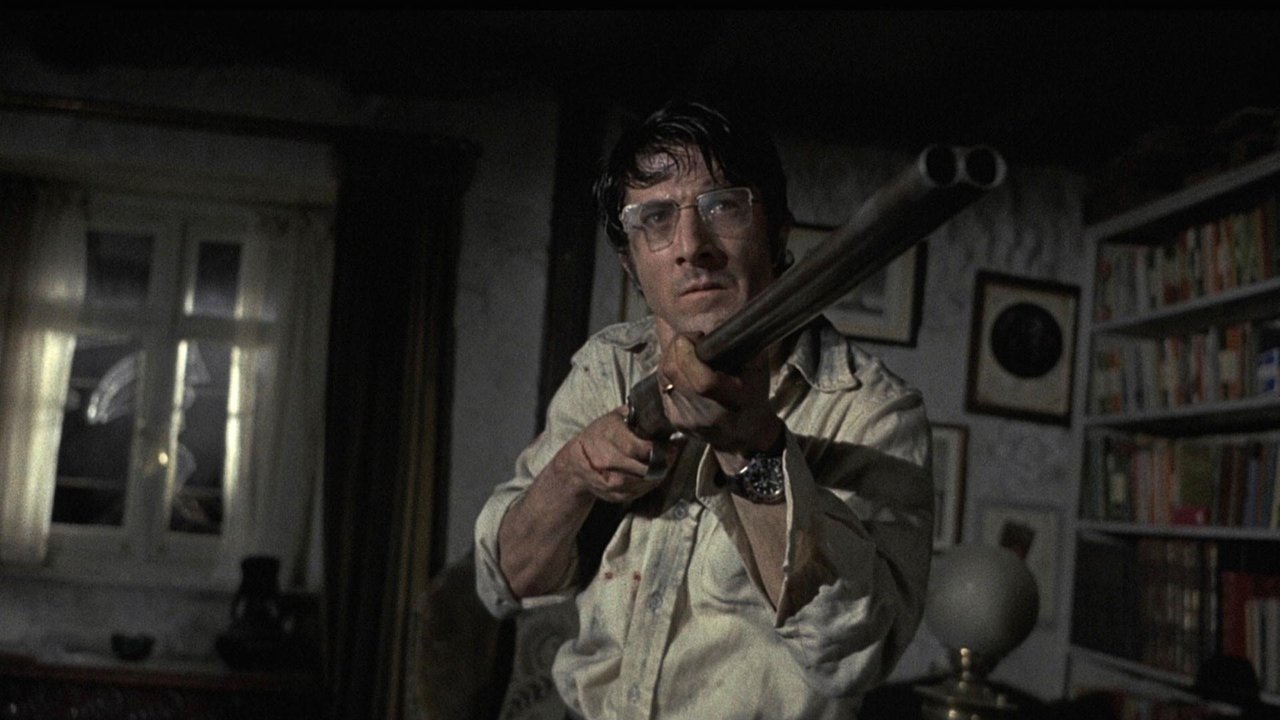
When the violence finally erupts in the third act, it doesn’t feel like a fun action sequence. It feels like a fever dream. After David takes in the village simpleton who is being hunted by a lynch mob, the farmhouse becomes a fortress. This is where the practical effects of the 1970s really shine. There is no CGI blood or digitized physics here. When a man gets his foot caught in a bear trap, or when boiling oil is used as a defensive measure, the impact is heavy and sickeningly real.
The cinematography by John Coquillon captures the claustrophobia of the house beautifully. The fog of the Cornish moors seeps into the rooms, and the jagged editing makes the siege feel chaotic and desperate. This was an era where filmmakers were pushing the boundaries of what the audience could stomach. The bear trap scene is still one of the most effective uses of a prop in cinema history, not because of the gore, but because of the agonizingly slow build-up to the "crunch." It’s a masterclass in using sound and timing to make the audience recoil.
A Legacy Written in Grainy Tape
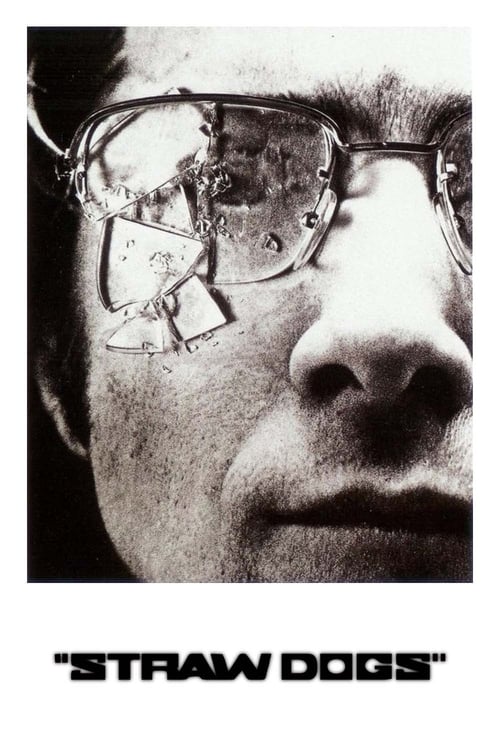
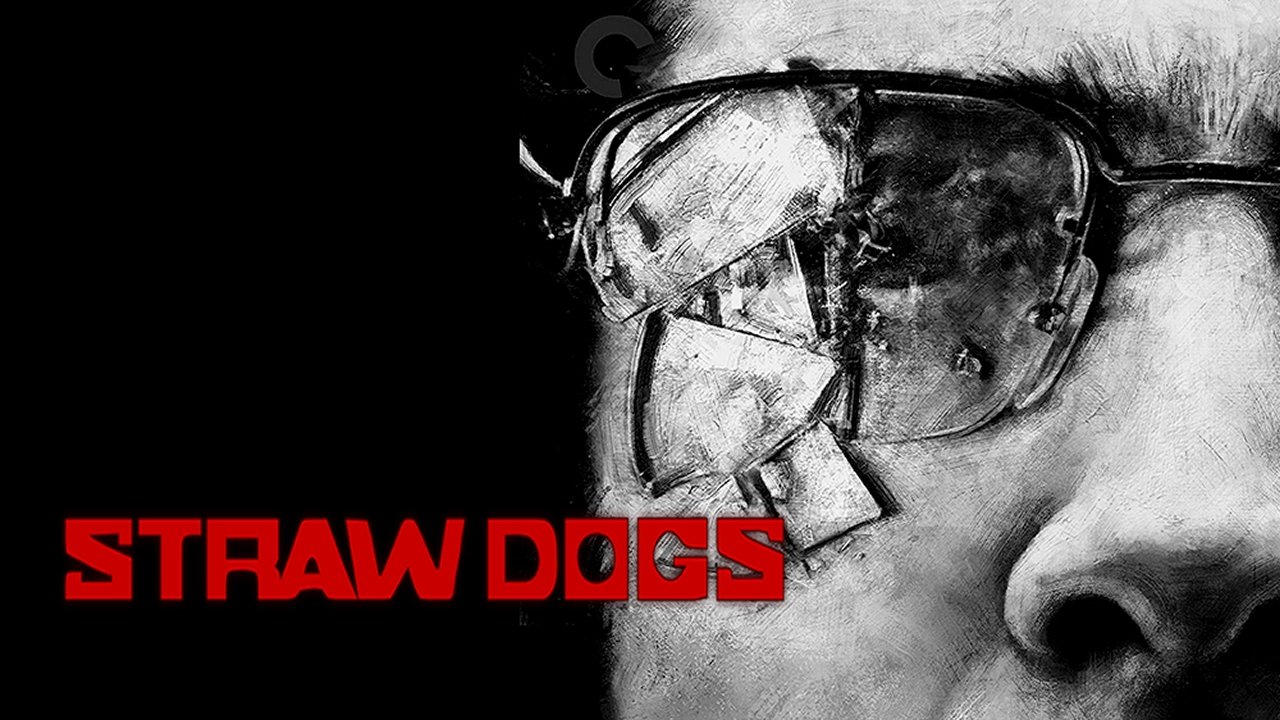
For many of us, the first encounter with Straw Dogs wasn't in a theater but through a grainy VHS tape. In the UK, this film became one of the most famous "Video Nasties," despite it being a major studio-backed production from ABC Pictures. It was banned from home video release for nearly two decades because of the highly controversial sexual assault scene. Watching it on a worn-out tape, with the tracking lines flickering across the screen, gave the movie a forbidden, dangerous aura. The box art—usually featuring Dustin Hoffman with his iconic shattered glasses—promised a level of intensity that the film actually delivered.
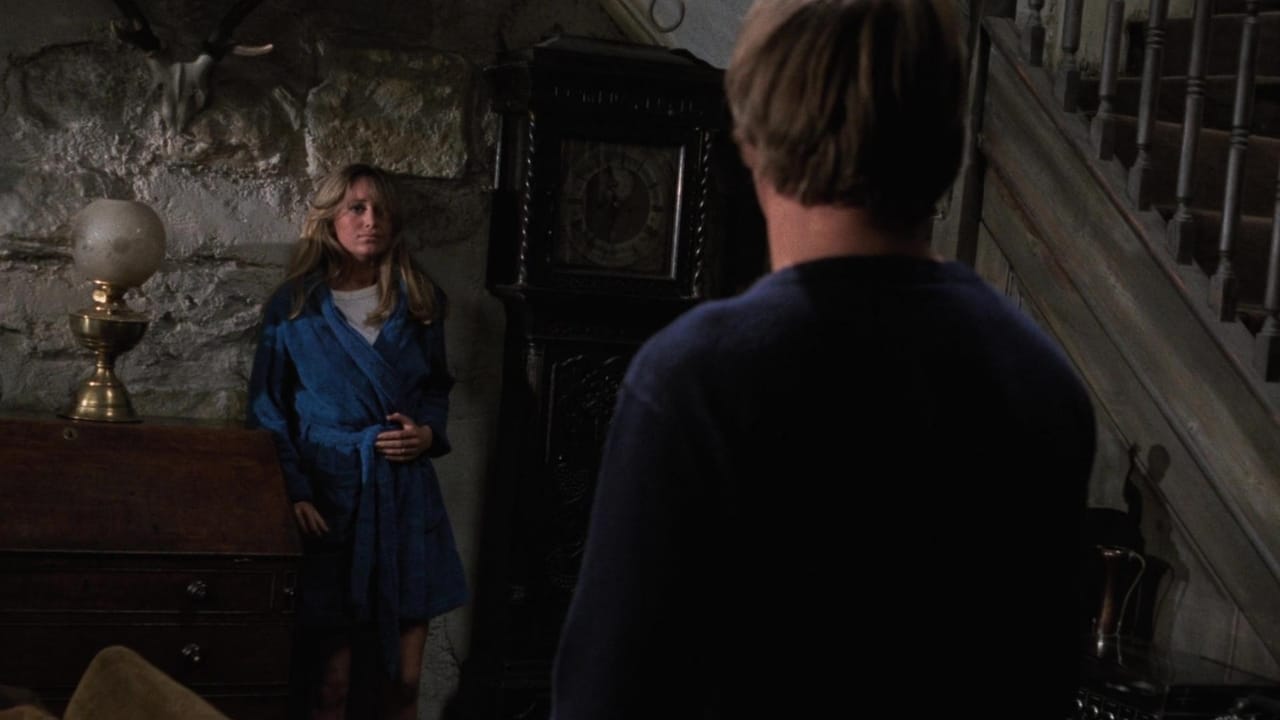
Peckinpah didn't have the massive budgets of today's blockbusters, but he had a vision that refused to blink. He famously clashed with the cast and crew, reportedly staying drunk for much of the shoot and pushing Susan George and Dustin Hoffman to their absolute limits to capture genuine frustration and fear. That on-set tension translates directly to the screen. You can feel that these actors aren't just playing "annoyed"—they look like they want to get away from each other.
Straw Dogs is a grueling experience that refuses to offer the "heroic" payoff we usually expect from thrillers. By the time David says, "I don't know my way home," you realize he hasn't just defended his house; he’s burned down his soul to do it. It’s a landmark of New Hollywood cinema that remains as polarizing and potent today as it was in 1971. If you have the stomach for it, it's an essential piece of psychological horror masquerading as a domestic drama. Just maybe check your closet for dead cats before you hit play.

Keep Exploring...
-
In the Heat of the Night
1967
-
Marathon Man
1976
-
Dog Day Afternoon
1975
-
Blow-Up
1966
-
Murder on the Orient Express
1974
-
Le Samouraï
1967
-
Chinatown
1974
-
Dirty Harry
1971
-
Fist of Fury
1972
-
Mean Streets
1973
-
Serpico
1973
-
Badlands
1974
-

The Conversation
1974
-
Assault on Precinct 13
1976
-
Blood Simple
1985
-
Peeping Tom
1960
-

Repulsion
1965
-
Midnight Express
1978
-
Witness
1985
-
Mississippi Burning
1988