The French Connection
"The streets are cold, and the coffee is colder."
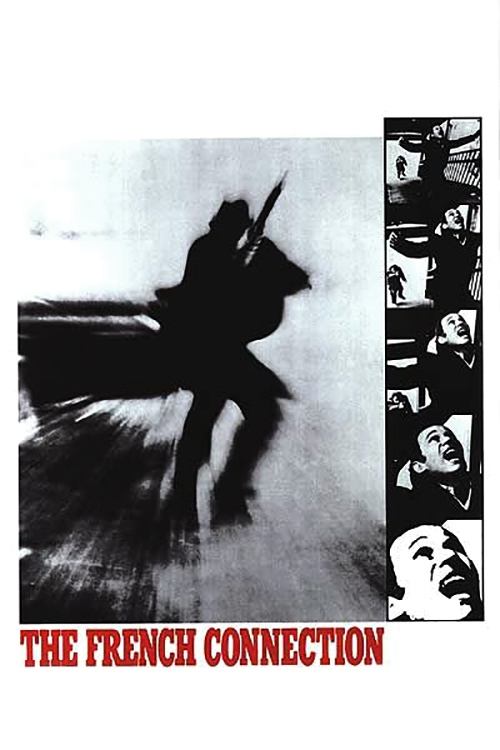
I watched The French Connection last night while nursing a lukewarm ginger ale and wearing a pair of wool socks with a hole in the toe, and honestly, the discomfort felt appropriate. There is something about William Friedkin’s 1971 masterpiece that makes you want to turn the thermostat up. It is a relentlessly cold movie—cold in its December New York setting, cold in its procedural efficiency, and coldest of all in its moral outlook.

When people talk about "New Hollywood," they usually point to the artistic soul-searching of The Godfather or the paranoia of The Conversation. But for me, the era is best defined by the grime under Jimmy "Popeye" Doyle’s fingernails. This wasn't the polished, studio-backlot version of the Big Apple. This was the city as a decaying, rusted-out engine, and Gene Hackman was the man trying to kick it back into gear.
A Hero You Can’t Quite Like
Gene Hackman (who later played the Lex Luthor we all deserved in Superman) didn't just play Popeye Doyle; he inhabited him like a rash. Doyle is a bigoted, obsessive, borderline incompetent narcotics detective who spends his nights freezing his tail off on street corners just to bust a guy for a few bags of "H." He’s a man driven not by a noble sense of justice, but by a territorial, almost animalistic need to win.
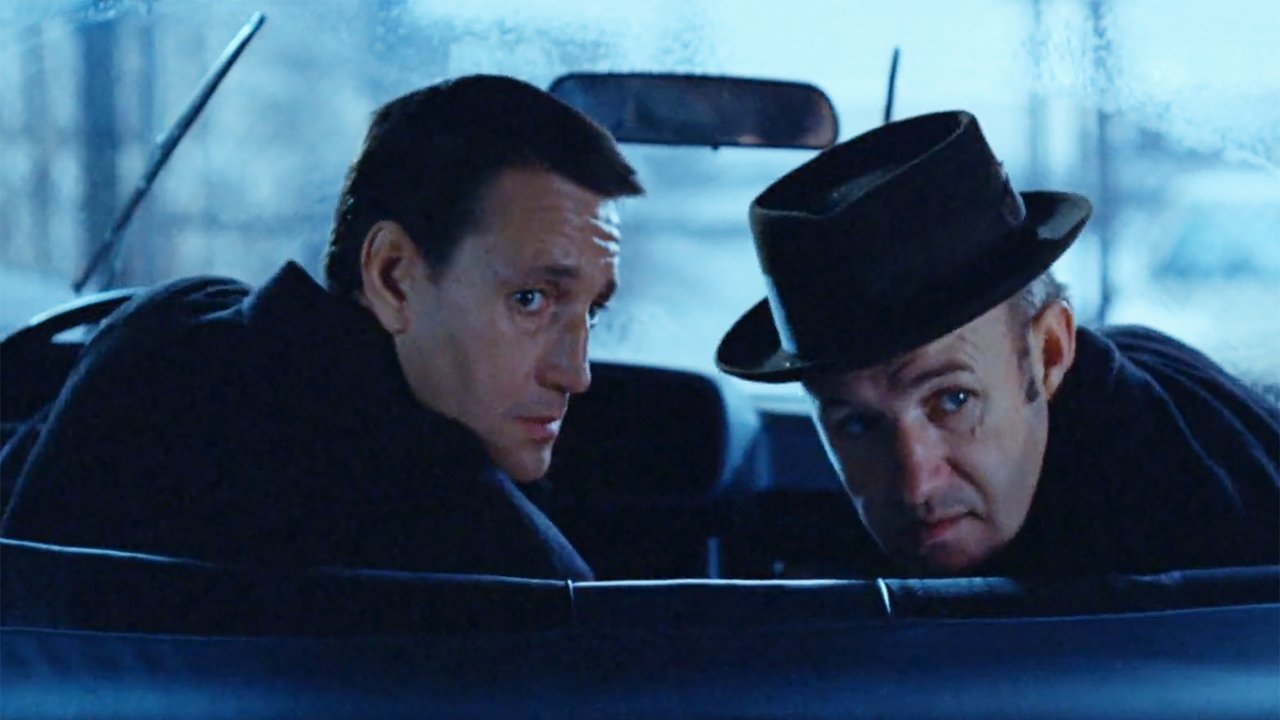
Beside him is Roy Scheider (the legendary Chief Brody from Jaws) as Buddy "Cloudy" Russo. Scheider plays the perfect foil—the slightly more grounded partner who has to keep Doyle from spinning off his axis. Their chemistry feels lived-in, mostly because Friedkin basically forced them to act like real cops, patrolling with actual NYPD detectives until they looked as exhausted and irritable as the men they were portraying.
The genius of the film lies in the contrast. While Doyle is eating pizza out of a box in a freezing doorway, his prey, Alain Charnier (Fernando Rey), is enjoying a multi-course meal in a heated restaurant. Rey, who brought a similar suave mystery to Luis Buñuel's That Obscure Object of Desire, is the ultimate gentleman criminal. He’s not a mustache-twirling villain; he’s a businessman who just happens to be shipping sixty million dollars worth of pure heroin into the States.
The Anatomy of a Chase
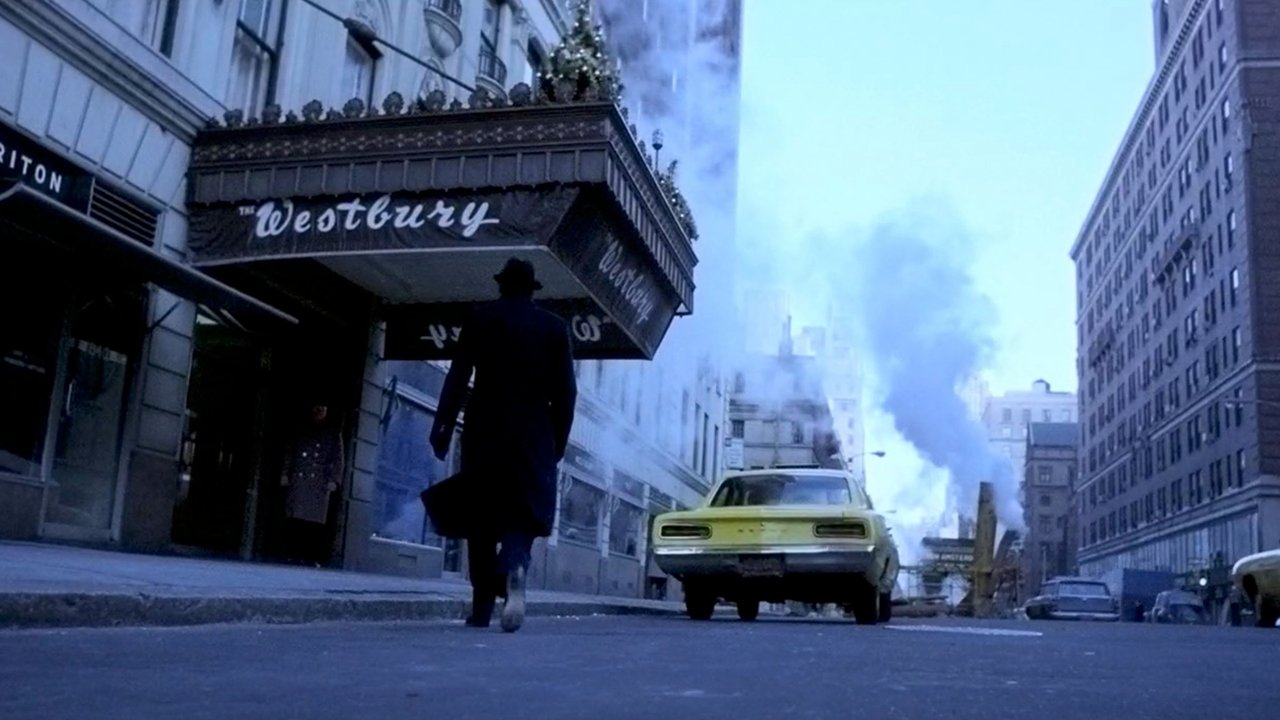
We have to talk about the car chase. It’s the law. Long before CGI allowed directors to flip digital cars like pancakes, William Friedkin decided to risk the lives of his crew—and several unsuspecting New Yorkers—to get the most harrowing sequence in cinema history.
There’s a specific kind of magic in the practical stunts of this era. When Doyle’s brown Pontiac LeMans slams into a stray vehicle, that wasn't a scripted stunt—it was a real accident involving a local resident who didn't know a movie was being filmed. Friedkin kept it in. The sense of danger isn't manufactured in an editing suite; it’s palpable because Doyle is driving like a maniac through actual traffic.
The editing by Jerry Greenberg creates a propulsive, bone-rattling rhythm that makes your pulse spike even on the tenth viewing. I remember renting this on VHS in the late 80s, and the tape was so worn out during the chase sequence that the tracking lines made the screen flicker. Honestly, it added to the experience. It felt like the film itself was falling apart under the sheer intensity of the speed. That chase scene is a blue-collar ballet of screeching tires and shattered glass.
Gritty Reality and the VHS Legacy
The film won five Oscars, including Best Picture, but it doesn't feel like "prestige" cinema. It feels like a documentary filmed in hell. The cinematography by Owen Roizman (who also shot The Exorcist) uses natural light and handheld cameras to capture a New York that looks like it’s being held together by spit and duct tape.
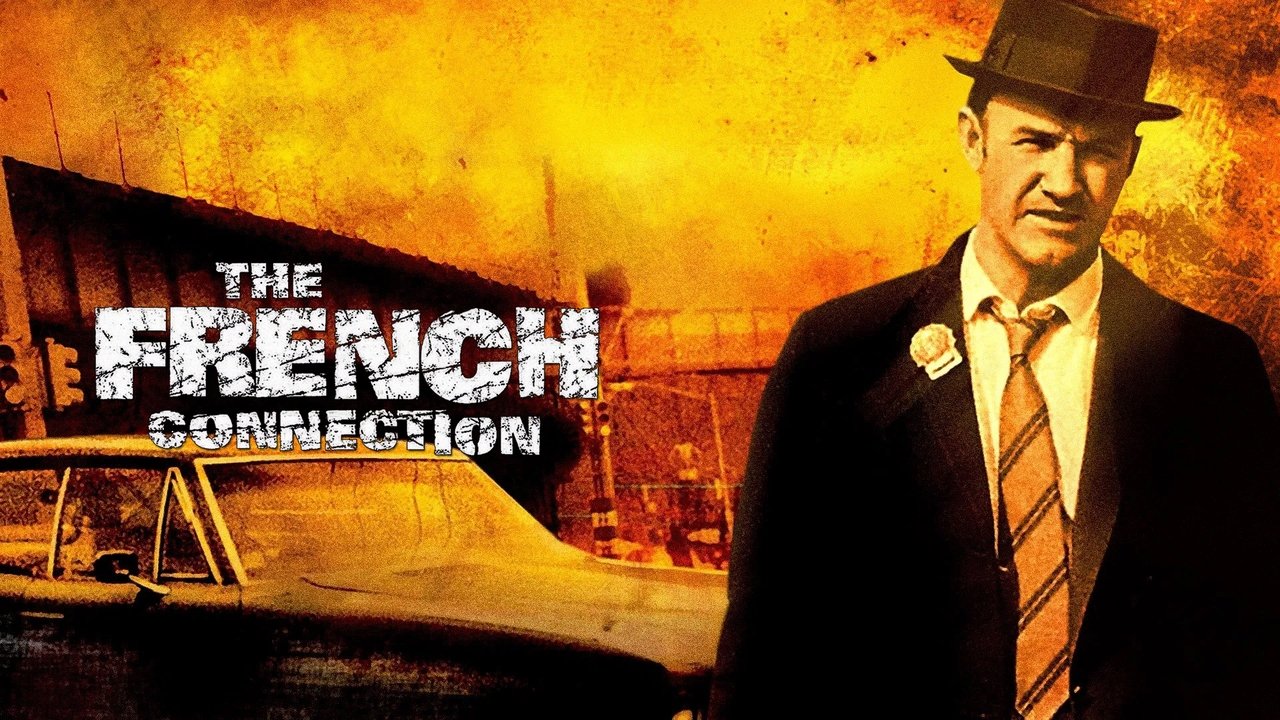
By the time the 1980s rolled around and the video store revolution kicked into high gear, The French Connection became a staple of the "Action" section. But it stood out among the neon-soaked, muscle-bound blockbusters of the Reagan era. It was the "old reliable" on the shelf—the movie you rented when you wanted something that felt heavy and real. The box art, usually featuring Hackman in his signature pork pie hat, promised a world where the good guys were barely better than the bad guys, and that honesty resonated with audiences who were tired of easy endings.
Popeye Doyle makes Dirty Harry look like a crossing guard. He’s not a hero to be celebrated; he’s a warning. The way Friedkin handles the climax—a dark, chaotic scramble through an abandoned factory—refuses to give the audience the catharsis they want. It’s an ending that leaves you staring at the credits in a stunned silence, wondering if any of the violence and obsession actually mattered.
The French Connection remains the high-water mark for the gritty police procedural. It’s a film that respects the viewer's intelligence enough to know that sometimes the hunt is more important than the capture, and that the person doing the hunting might lose their soul along the way. It’s raw, unapologetic, and features the greatest use of a hat in cinematic history. If you haven't seen it, find the biggest screen you can, turn off the lights, and prepare to feel very, very cold.

Keep Exploring...
-
Marathon Man
1976
-
Dirty Harry
1971
-
Assault on Precinct 13
1976
-
Bullitt
1968
-
Duel
1971
-
The Warriors
1979
-
Bloodsport
1988
-
Mississippi Burning
1988
-
The Killer
1989
-
In the Heat of the Night
1967
-
Dog Day Afternoon
1975
-

Star Trek II: The Wrath of Khan
1982
-
The Terminator
1984
-
Blue Velvet
1986
-

Predator
1987
-
RoboCop
1987
-
The Untouchables
1987
-

The Conversation
1974
-
Straw Dogs
1971
-
Fist of Fury
1972