THX 1138
"Your God is a circuit board."
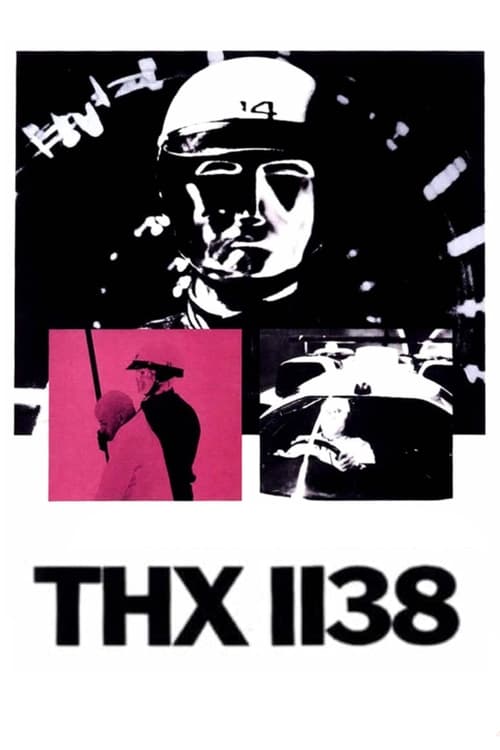
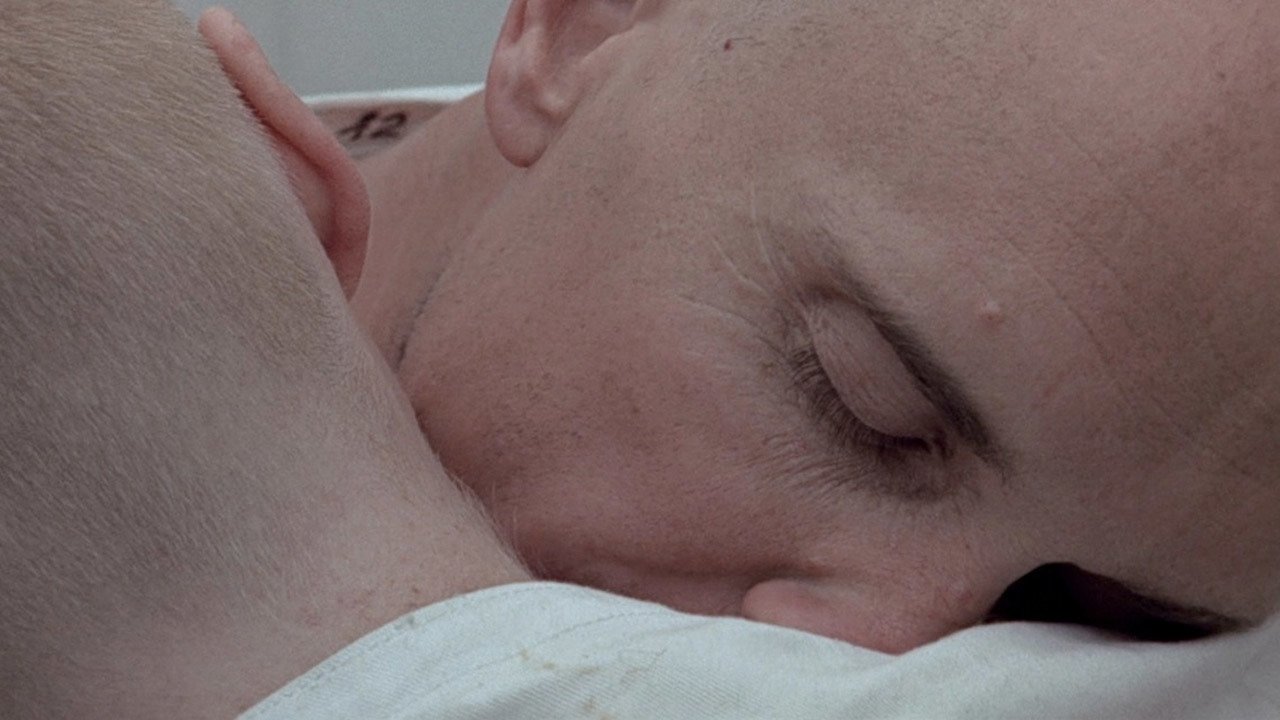
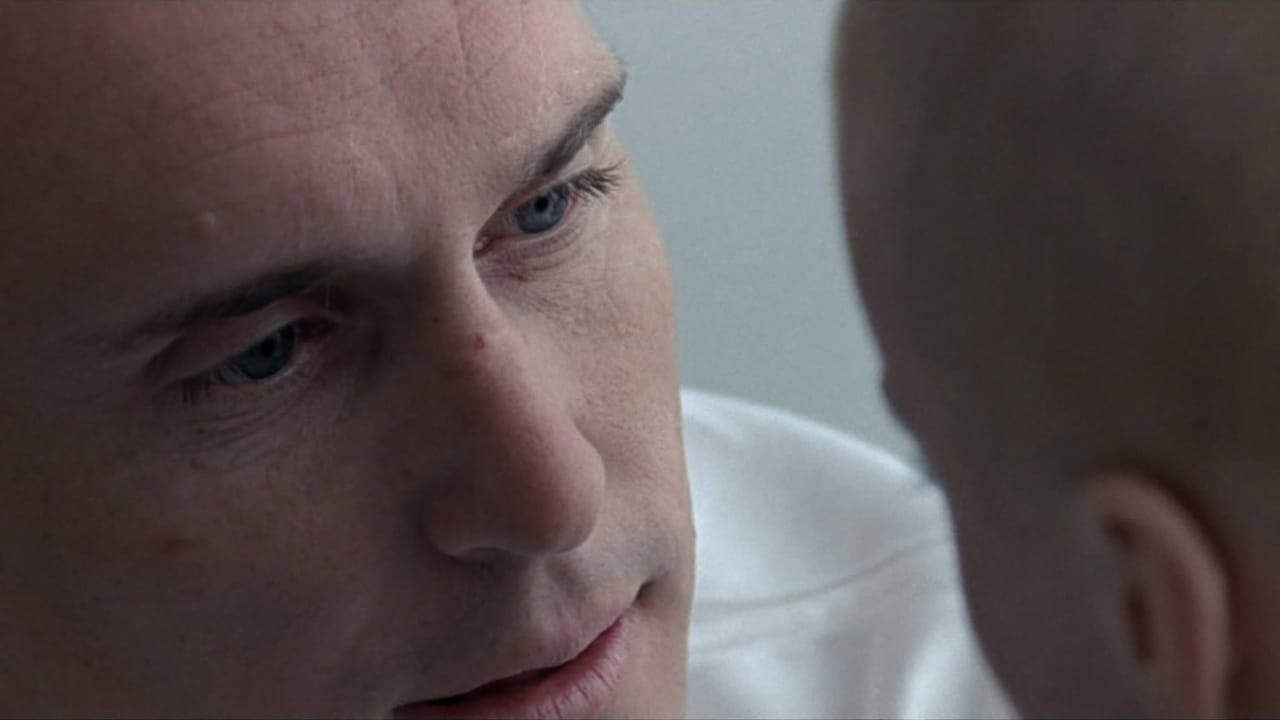
Before George Lucas became the architect of our collective childhood, he was a young, bearded radical who wanted to make you feel deeply uncomfortable in a very bright room. If you only know him as the guy who gave us Wookiees and Ewoks, watching his 1971 debut, THX 1138, is like finding out your kindly grandfather used to run with a minimalist motorcycle gang. It is a cold, sterile, and aggressively experimental slice of dystopian fever-dreaming that feels less like a movie and more like a warning broadcast from a future that has already given up.
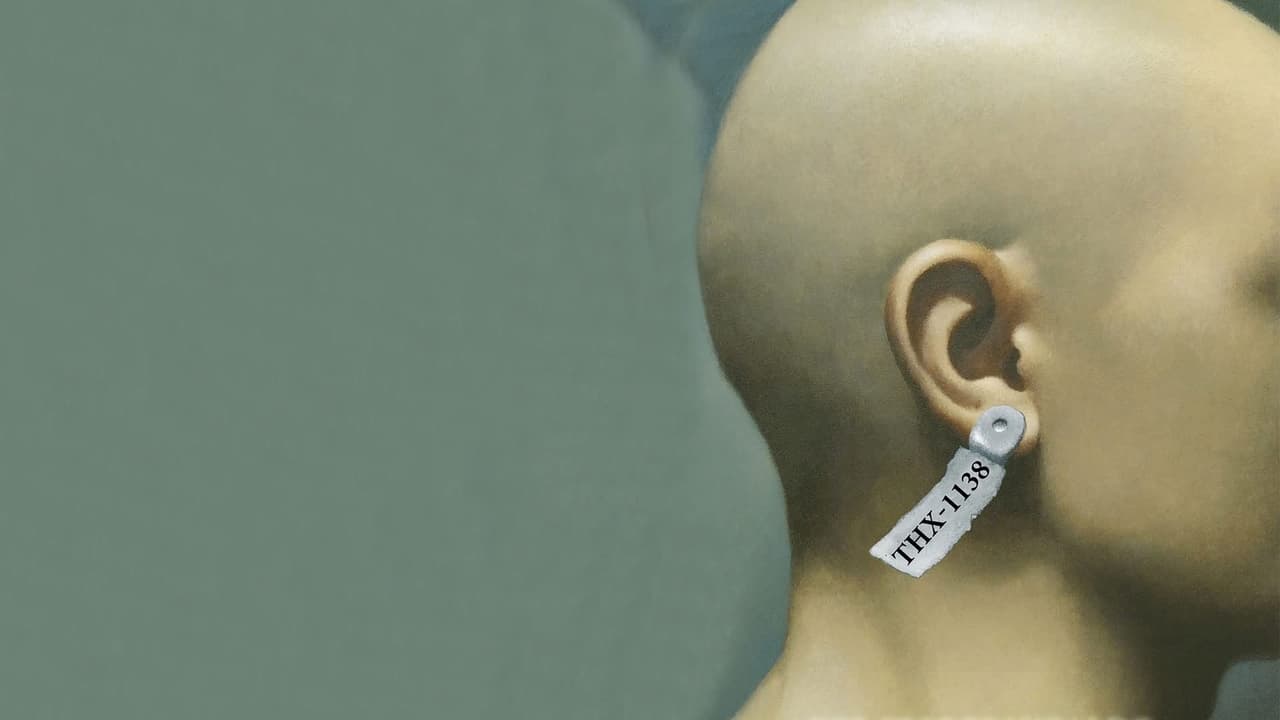
I watched this recently while wearing a plain white t-shirt, and there was a moment where I looked down and felt a genuine spike of anxiety that I was accidentally blending into the scenery. That is the power of the "white void" aesthetic Lucas and cinematographer David Myers pioneered here. They didn't have the budget to build massive cities, so they just used the absence of everything to represent the end of the world.
The Sound of a Soul Short-Circuiting
The first thing that hits you—and I mean really hits you—isn't the imagery, but the sound. Walter Murch, who basically invented the term "Sound Designer" for this film, creates a soundscape of overlapping radio chatter, mechanical hums, and cold, computerized voices that treat human life like a rounding error. It’s a sensory overload of the most clinical kind.
Robert Duvall plays THX, a man whose entire existence is predicated on a steady diet of mandatory sedatives and a job that looks like it involves handling plutonium with a pair of glorified kitchen tongs. Duvall is incredible here because he plays the role with a terrifying lack of ego. For the first half of the film, he isn't a hero; he's a malfunctioning appliance. When his roommate, LUH (Maggie McOmie), starts swapping his drugs for placebos, THX begins to "wake up," but it isn't a triumphant moment. It’s painful. He’s discovering emotions for the first time, and he has absolutely no idea what to do with them.
The romance between THX and LUH is one of the most fragile things I’ve ever seen on screen. In a world where "consumption" is the only prayer and the police are chrome-faced robots who politely tell you to "stay calm" while they beat you, a simple touch feels like an act of war. Maggie McOmie has an ethereal, haunting quality that makes her disappearance from the industry after this film feel like a genuine loss to cinema.
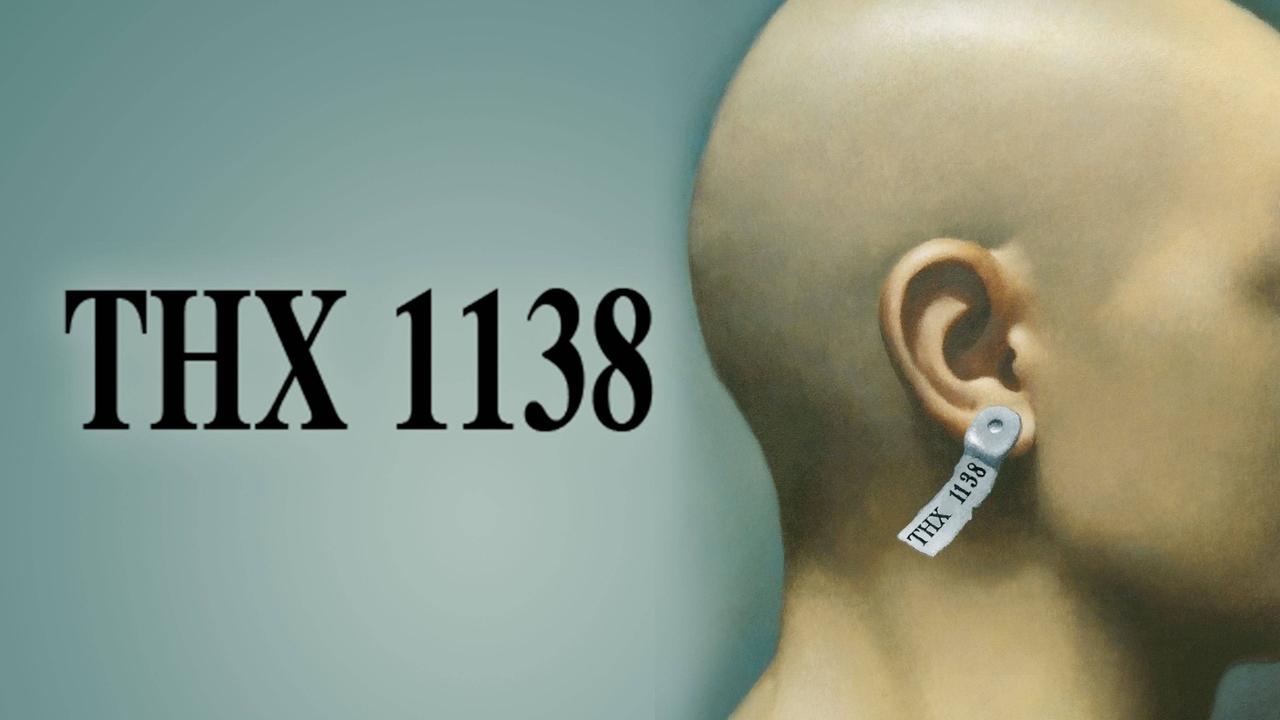
A Masterclass in Paranoia
Then there’s Donald Pleasence as SEN. If you thought he was twitchy in Halloween (1978), you haven't seen anything yet. Pleasence is the only man who can make heavy breathing sound like a political conspiracy. He plays a high-level meddler who wants to "rearrange" THX’s life for his own benefit, and their chemistry is purely neurotic. It’s a performance that feels perfectly at home in the 1970s "New Hollywood" era—it's messy, human, and deeply weird.
What’s fascinating about THX 1138 is how much it rejects the "chosen one" tropes that Lucas would later bake into the DNA of pop culture. THX isn't special. He isn't the son of a dark lord or a prophecy come to life. He’s just a guy who is tired of being a number. The robot police are scarier than Stormtroopers because they actually hit their targets and they do it with a terrifying, customer-service politeness.
The production design is a miracle of low-budget ingenuity. They filmed in the then-unfinished San Francisco BART tunnels and the Lawrence Livermore National Laboratory, turning real-world brutalist architecture into a sprawling, subterranean cage. It proves that you don't need a billion dollars in CGI if you have a strong eye for framing and a lot of white paint.
The VHS Curse and the Director’s Itch
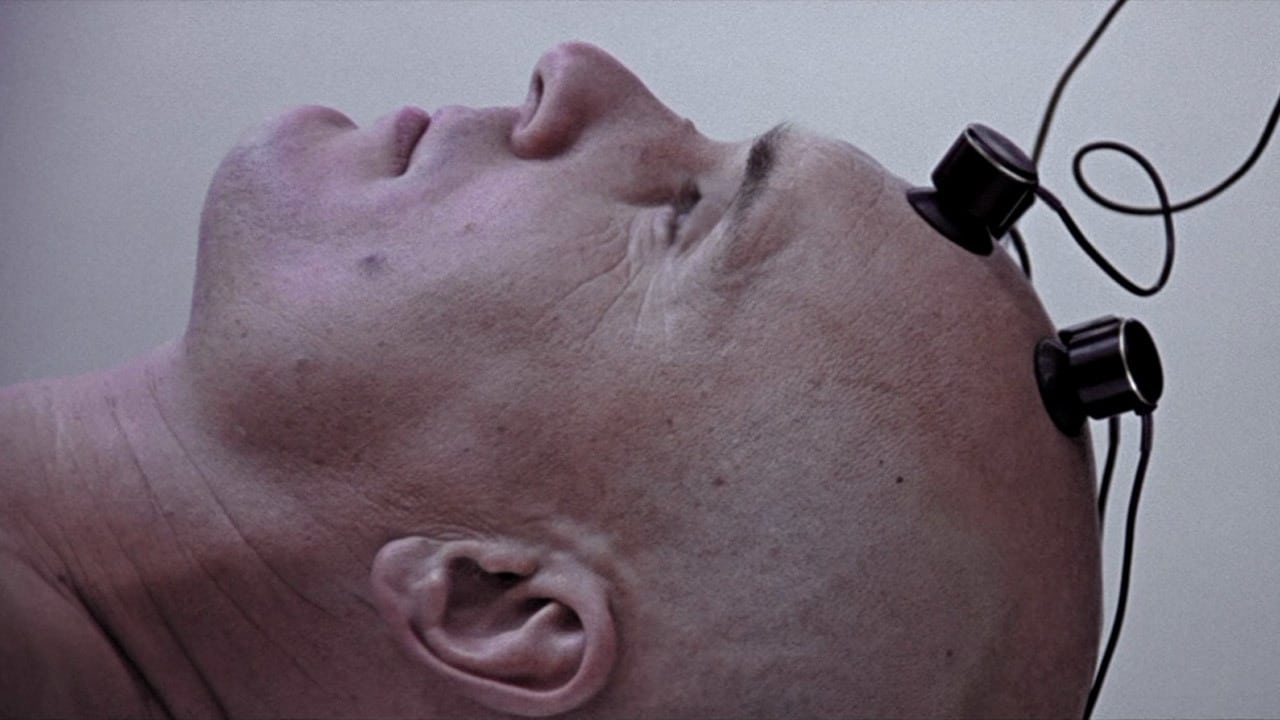
For years, this was one of those "holy grail" tapes in the back of the local video store. I remember the 1983 Warner Home Video clamshell release—the cover featured a metallic, futuristic font and a tiny "From the Creator of Star Wars" blurb that must have led to some very confused kids expecting laser swords and getting a 15-minute sequence of Robert Duvall being poked with electronic prods in a white room.
The film eventually fell into a weird sort of obscurity because Lucas couldn't stop tinkering with it. Much like the Star Wars Special Editions, the later DVD and Blu-ray releases are cluttered with CGI additions that look wildly out of place next to the gritty, grainy 1971 footage. To truly appreciate this film, you have to find the original theatrical cut. It’s a tactile, analog experience that captures a moment when science fiction was allowed to be a bummer. It’s a film about the fear of being processed, and there’s something darkly ironic about the fact that it was made by the man who would eventually build the most efficient movie-marketing machine in history.
THX 1138 is a bleak, beautiful, and essential piece of sci-fi history that reminds us that George Lucas was once a master of the avant-garde. It’s a movie that asks what happens when the human spirit is filed away in a cabinet, and it doesn't offer any easy answers. If you’re tired of the noise of modern blockbusters, take the time to sit with this quiet, terrifying masterpiece. It might just make you want to throw your phone out the window and go for a long walk.
Keep Exploring...
-

American Graffiti
1973
-
Starman
1984
-
Cocoon
1985
-

Enemy Mine
1985
-

Star Wars
1977
-

Fahrenheit 451
1966
-
Nineteen Eighty-Four
1984
-

Beneath the Planet of the Apes
1970
-
M*A*S*H
1970
-
Escape from the Planet of the Apes
1971
-
Conquest of the Planet of the Apes
1972
-
Deliverance
1972
-
The Poseidon Adventure
1972
-

High Plains Drifter
1973
-

Magnum Force
1973
-
Soylent Green
1973
-
Logan's Run
1976
-
Marathon Man
1976
-

Star Wars: Episode I - The Phantom Menace
1999
-

Star Wars: Episode II - Attack of the Clones
2002