Willy Wonka & the Chocolate Factory
"Pure imagination, with a side of mild childhood trauma."
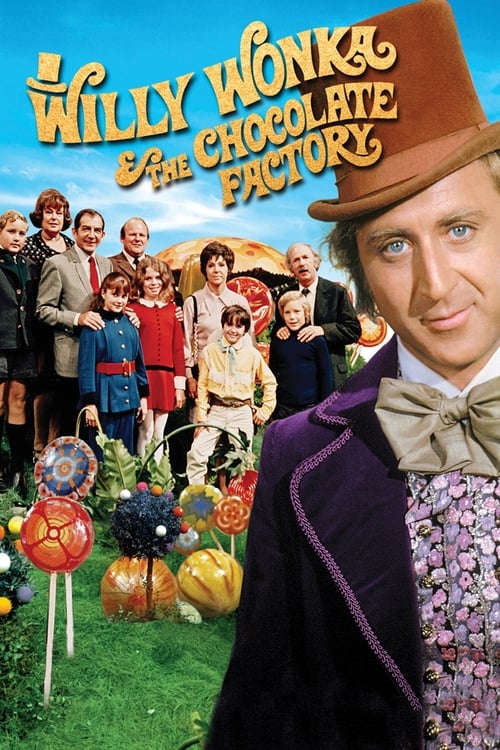
Imagine being in a Chicago boardroom in 1970, listening to a group of cereal executives at Quaker Oats discuss how to launch a new candy bar. Their solution wasn’t a billboard or a radio jingle; it was to finance a $3 million feature film based on a Roald Dahl book. It’s the ultimate "indie" origin story: a movie that was essentially a ninety-minute commercial for a product that didn't even exist yet. Watching Willy Wonka & the Chocolate Factory today, you can still feel that scrappy, non-studio energy. It doesn't have the polished, saccharine safety of a Disney production from the same era. Instead, it possesses a gritty, slightly psychedelic 1970s texture that makes it feel dangerously alive.
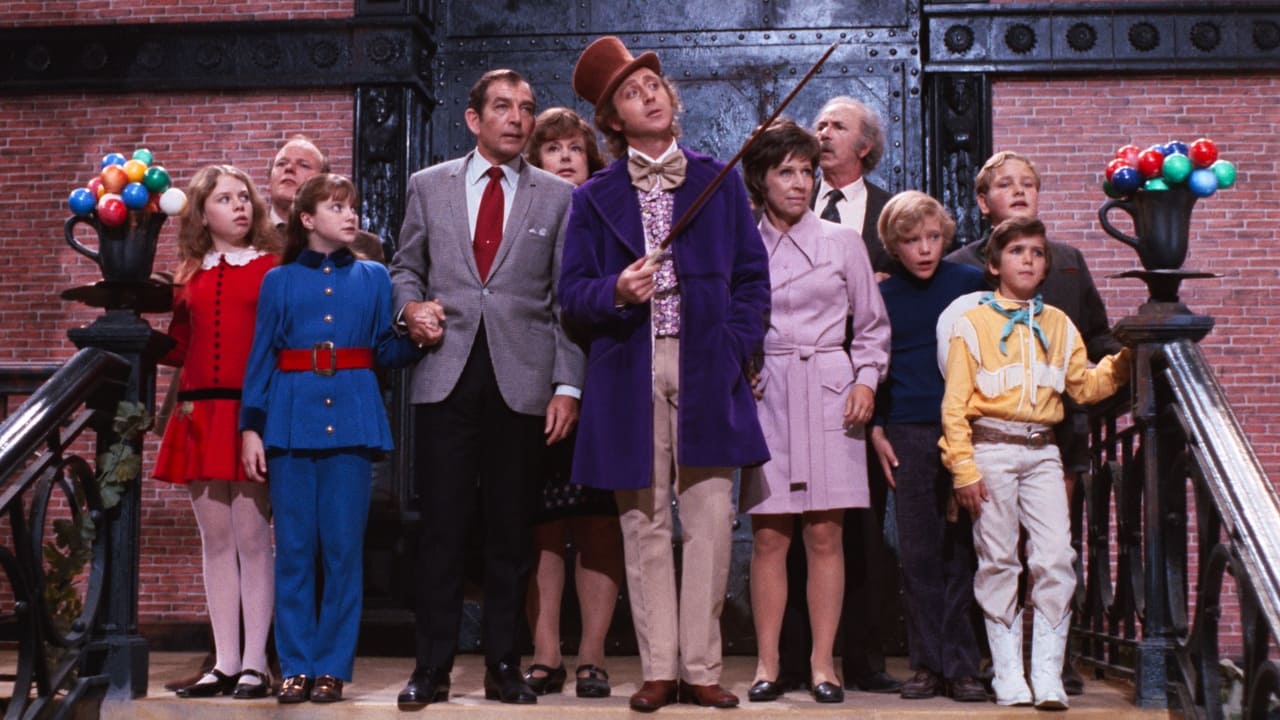
I watched my most recent screening of this while trying to eat a piece of three-year-old black licorice I found in the back of my pantry, and the lingering taste of anise somehow perfectly complemented the film's darker undertones.
The Commercial That Accidentally Became Art
Because this wasn't birthed in the traditional Hollywood machine, director Mel Stuart and producer David L. Wolper had a bizarre amount of freedom. They took a shoestring budget and a dream of selling "Wonka Bars" and accidentally created a masterpiece of surrealist comedy. The film’s "indie" soul is most evident in the practical effects. There’s no CGI to smooth over the edges here. When you see that chocolate river, you’re looking at 150,000 gallons of water mixed with real chocolate and cream that, according to the cast, began to rot and smell horrific under the hot studio lights within days.
That sense of physical reality—the steam, the gears, the actual sticky messes—gives the factory a tactile quality that modern green-screen spectacles can’t replicate. It feels like a place you could actually get stuck in, which is precisely why it remains so effective. The production was a masterclass in "making it work" on a budget. They shot in Munich, Germany, because it was cheaper than Hollywood and provided that timeless, "anywhere in Europe" aesthetic for Charlie’s hometown. Michael Bollner, who played Augustus Gloop, couldn't even speak English when he was cast; he had to learn his lines phonetically. It’s that kind of "all-hands-on-deck" filmmaking that gives the movie its unique, slightly off-kilter charm.
The Wilder Factor
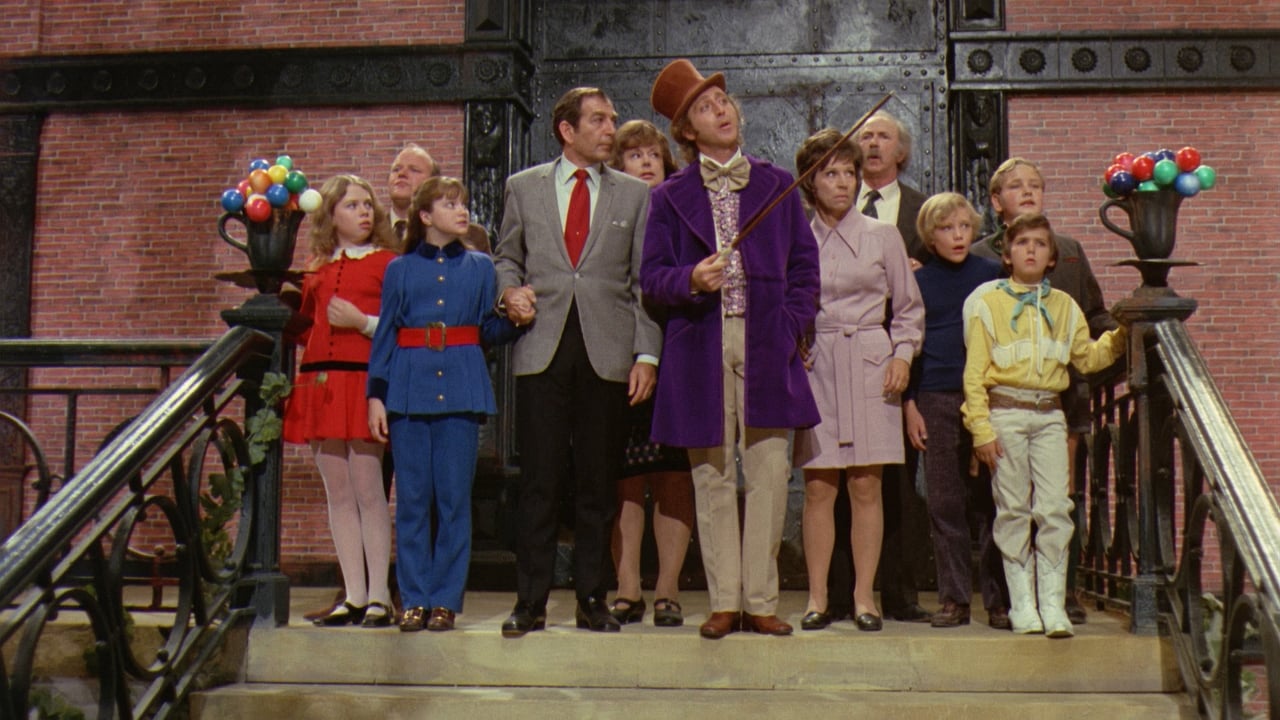
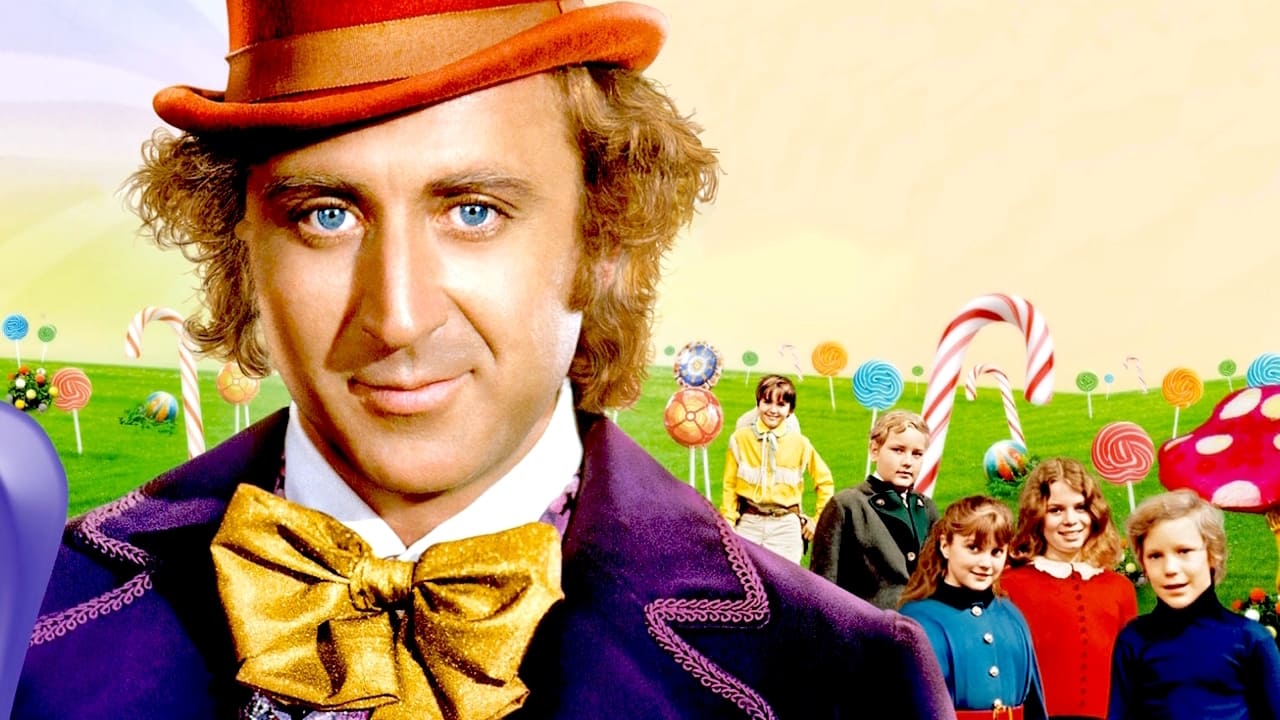
Of course, the film belongs entirely to Gene Wilder. His performance is a clinic in comedic timing and calculated unpredictability. From the moment he appears—limping toward the gates with a cane only to collapse into a perfect somersault—he establishes that Wonka is a man who cannot be trusted, yet must be followed. Wilder famously insisted on that entrance; he wanted the audience to know that from that point on, they wouldn't know if he was lying or telling the truth.
His delivery is a treasure trove of dry wit. When he says, "Help. Police. Stop," with the enthusiasm of a man reading a grocery list while a child is being sucked into a pipe, it's a pinnacle of deadpan humor. Gene Wilder understood that Wonka isn't a hero; he’s a chaotic neutral entity who happens to own a candy factory. The chemistry between him and Peter Ostrum, who plays the earnest Charlie Bucket, provides the necessary emotional anchor, but the real fun is watching Wilder verbally dismantle the bratty children and their equally insufferable parents. Jack Albertson as Grandpa Joe also deserves a nod for bringing a sense of whimsical (if questionable) energy to the proceedings. Honestly, Grandpa Joe is the true villain of the piece for staying in bed for twenty years while his family starved, only to find the strength for a musical number the second a free trip was on the table.
The VHS Resurrection
While we think of this as a timeless classic now, it actually underperformed during its 1971 theatrical run. It wasn't until the home video revolution of the 1980s that Willy Wonka became a household staple. This is a quintessential VHS-era survivor. If you grew up in the 80s or 90s, you likely owned a copy with a worn-out cardboard sleeve, or you rented it so many times from the local video store that the tape began to hiss during "The Candy Man."

The home video format allowed kids to obsessively rewatch the psychedelic tunnel scene, pausing and rewinding to see if they actually saw a chicken getting its head cut off (spoiler: they did). That sequence is a perfect example of the "New Hollywood" influence—a moment of pure, unadulterated nightmare fuel inserted into a family comedy. The lack of studio oversight meant Mel Stuart could lean into the macabre. The film trusts children to be able to handle a little bit of darkness, a trait that feels increasingly rare in modern family fare. It balances the "Pure Imagination" sweetness with a sharp, satirical edge that mocks consumerism, parenting, and greed.
Ultimately, Willy Wonka & the Chocolate Factory is a miracle of accidental genius. It’s a film that shouldn’t work—a cereal company’s marketing ploy that turned into a surrealist journey through the human psyche, anchored by one of the greatest comedic performances in cinema history. It manages to be both a warm hug and a cold splash of water to the face. Whether you're watching it for the nostalgia of the practical sets or the razor-sharp dialogue, it remains a gold-wrapped treat that has never lost its flavor. Just maybe skip the three-year-old licorice when you sit down to watch it.
Keep Exploring...
-

Bedknobs and Broomsticks
1971
-
How the Grinch Stole Christmas!
1966
-
Monty Python and the Holy Grail
1975
-
The Princess Bride
1987
-

All Dogs Go to Heaven
1989
-
Evil Dead II
1987
-
Time Bandits
1981
-
The Aristocats
1970
-

Mary Poppins
1964
-
A Grand Day Out
1990
-
Young Frankenstein
1974
-
One Hundred and One Dalmatians
1961
-
Asterix and Cleopatra
1968
-
The Twelve Tasks of Asterix
1976
-

A Christmas Story
1983
-
Gremlins
1984
-
Ladyhawke
1985
-
The Goonies
1985
-
The Purple Rose of Cairo
1985
-

An American Tail
1986