Aguirre, the Wrath of God
"Madness is the only sovereign state."
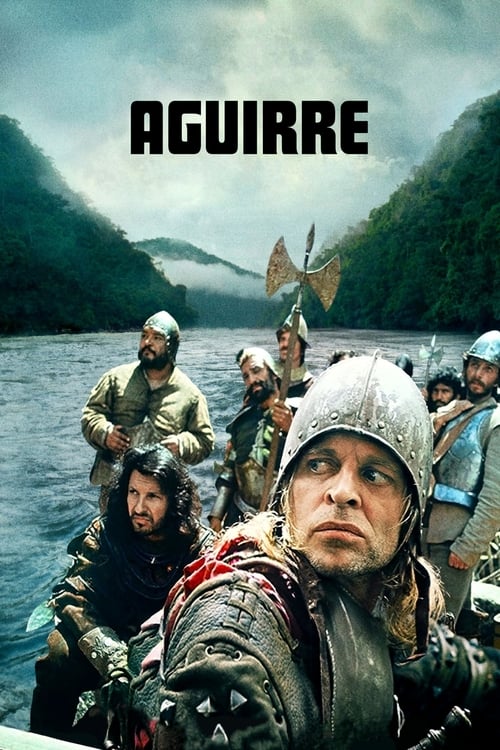
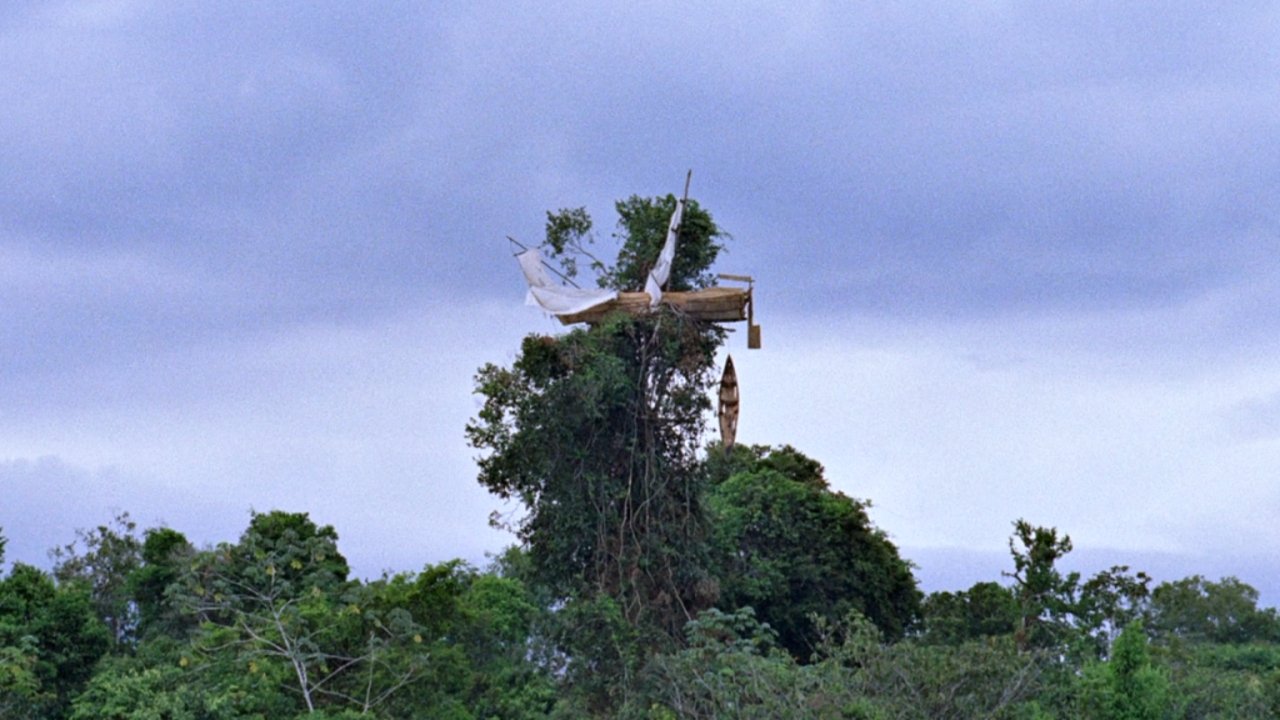
The first time I saw the opening shot of Aguirre, the Wrath of God, I thought I was watching a National Geographic special that had been spiked with heavy hallucinogens. There’s no CGI to soften the blow here—just a line of desperate men in heavy armor literally dragging cannons through the Peruvian clouds. It’s the kind of image that makes your knees ache just looking at it. I watched this most recently while trying to assemble a piece of flat-pack furniture, and honestly, the sheer, spiraling incompetence of my own project felt weirdly aligned with this doomed 16th-century Spanish expedition.
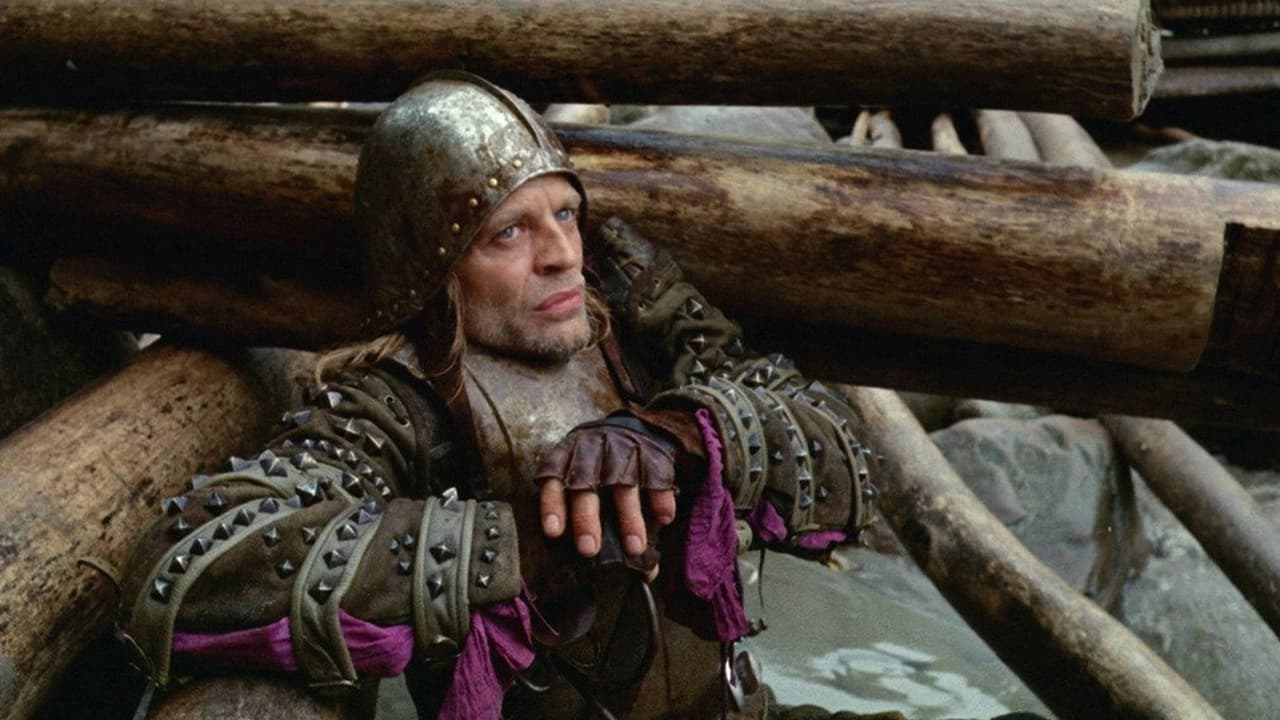
A Raft Built on Pure Hatred
Werner Herzog didn’t just direct this movie; he seemingly willed it into existence through a series of criminal acts and near-death experiences. Shot on a shoestring budget of about $370,000, Herzog famously stole the 35mm camera from the Munich Film School because he felt he was entitled to the tools of his trade. That rebellious, "by any means necessary" energy vibrates through every frame.
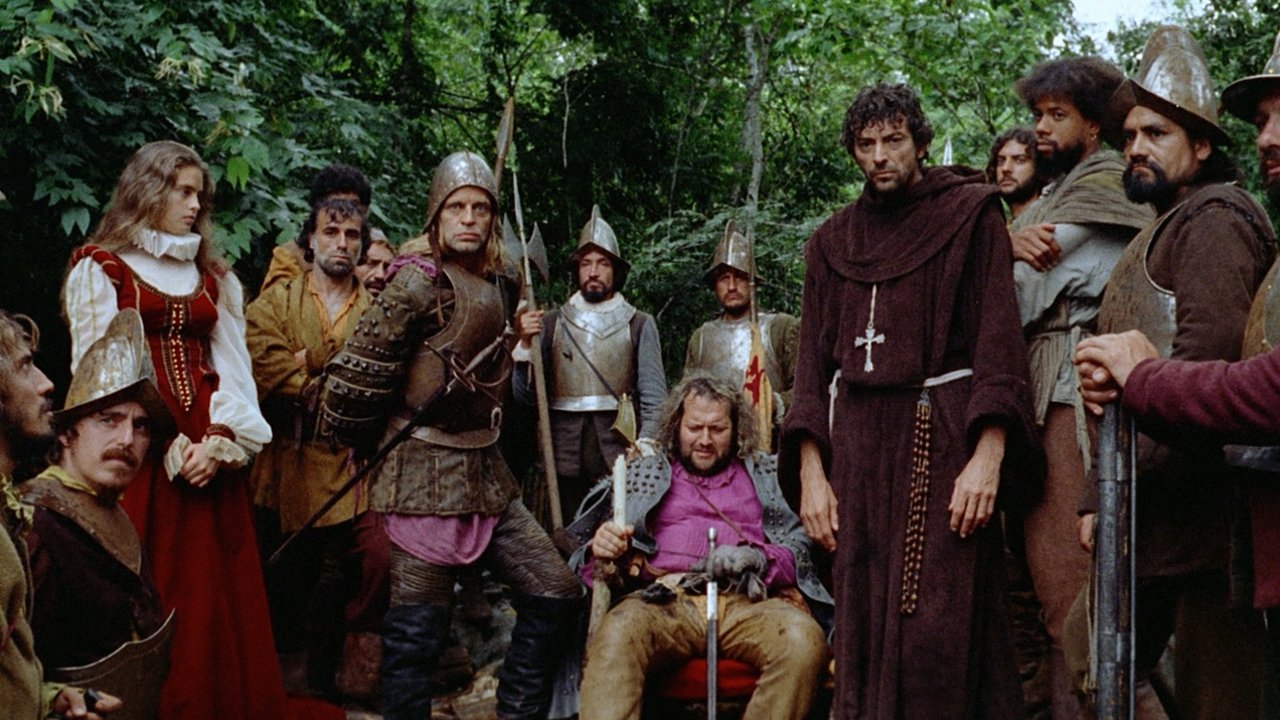
The film follows a group of conquistadors searching for El Dorado, the fabled city of gold. As the terrain becomes impassable, the expedition splits, and a small scouting party led by Don Pedro de Ursúa (Ruy Guerra) and the second-in-command, Don Lope de Aguirre (Klaus Kinski), heads down the Amazon on rafts. It doesn't take long for the jungle to start whispering to them, or for Aguirre to realize that "authority" is a very flimsy concept when you’re surrounded by piranhas and poison arrows.
The Kinski Factor
Let’s talk about Klaus Kinski. There has never been a screen presence quite like him, mostly because he was a verified madman. He plays Aguirre with a terrifying, crab-like gait and eyes that seem to be looking at things three inches behind your skull. Klaus Kinski isn't acting here; he’s just waiting for a reason to bite someone. His performance is the anchor of the film’s psychological weight. When he declares himself the "Wrath of God" and the "Great Traitor," you don't roll your eyes. You back away slowly.
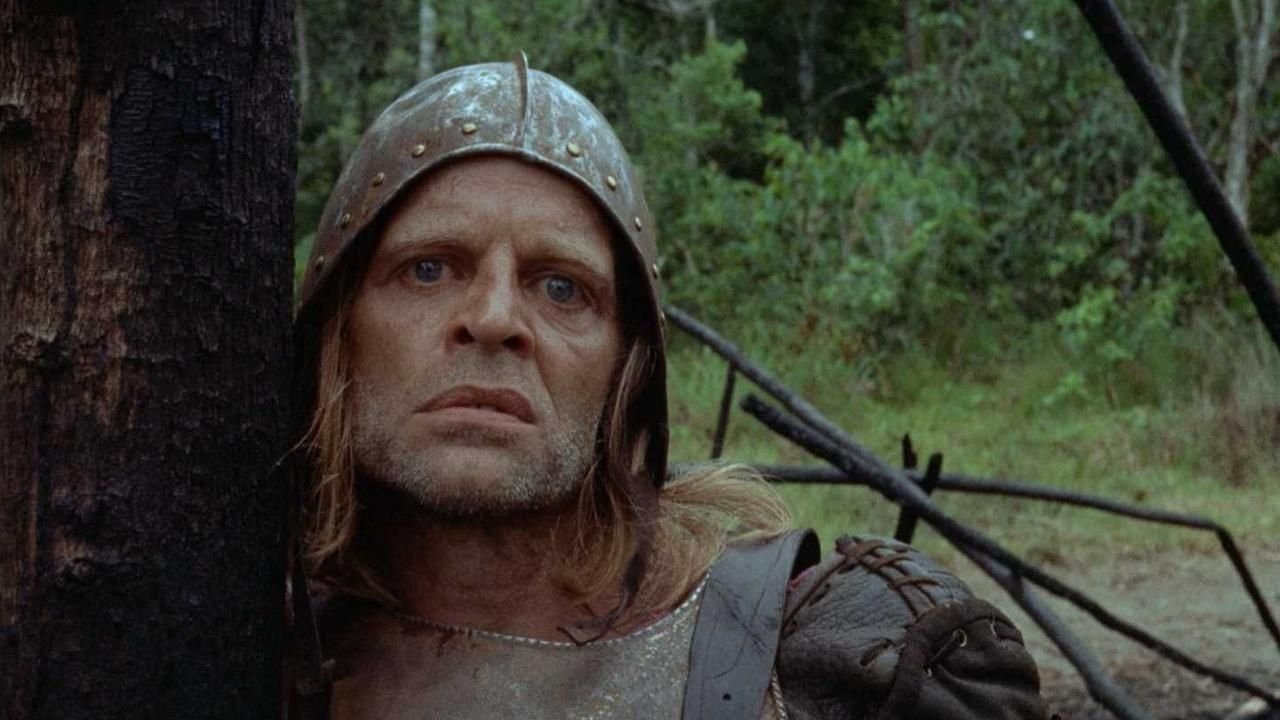
The chemistry between Herzog and Kinski was legendary for all the wrong reasons. They famously threatened to kill each other during the shoot. At one point, Kinski fired a Winchester rifle into a tent full of extras because they were being too loud, nearly blowing off someone’s finger. That genuine, high-stakes tension is baked into the film. You can feel the heat, the dampness, and the mounting irritation of a crew that was actually trapped on rafts in the middle of nowhere.
The VHS Cult of the Granular Image
For a long time, Aguirre was the ultimate "secret handshake" movie. In the late 70s and 80s, it wasn't something you saw at the local multiplex. It was a staple of the "Special Interest" or "Foreign" shelves at independent video stores. My first experience was on a grainy New Yorker Video tape that had been played so many times the tracking couldn't quite keep up.
Strangely, that low-fi VHS texture suited the movie perfectly. The film has a documentary-like grit that makes the 16th-century setting feel more real than any $200 million blockbuster. When the camera lingers on Helena Rojo (playing Inés de Atienza) as she stares into the green abyss of the forest, the lack of polish makes her despair feel authentic. The score by Popol Vuh—all haunting, ethereal synthesizers—shouldn't work in a period drama, but it creates a dreamlike (or nightmare-like) atmosphere that sticks to you like humidity.
Madness as a Masterpiece
The film is a masterclass in "show, don't tell." We watch the social order dissolve in real-time. They appoint a "Emperor" of El Dorado, Don Fernando de Guzmán (Peter Berling), who eats a feast on a muddy raft while the soldiers starve. It’s a biting, cynical look at colonialism and the absurdity of human ego.
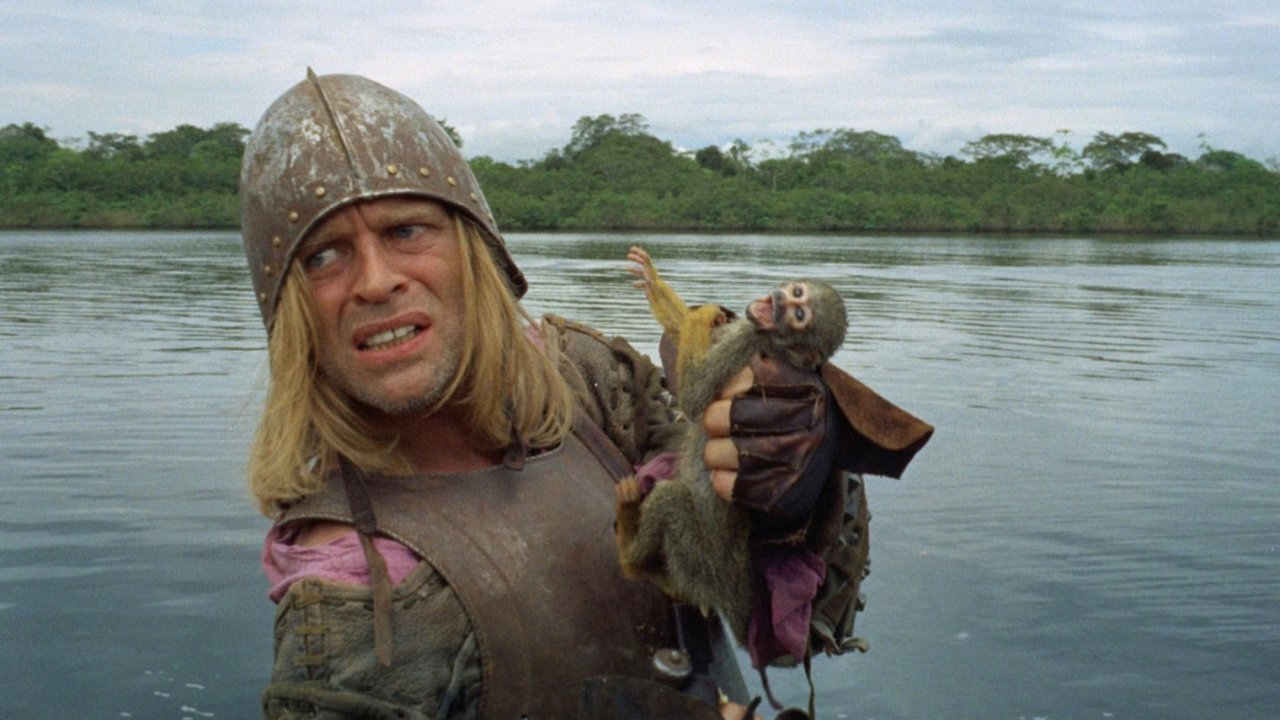
One of my favorite bits of trivia involves the ending. Without spoiling the final, haunting image, the raft becomes overrun with hundreds of tiny monkeys. Herzog actually hijacked a shipment of monkeys intended for a laboratory, claiming he was their "caretaker" to get them onto the set. That’s the level of commitment we’re dealing with. The result is one of the most iconic final shots in cinema history, a literal circus of the absurd that perfectly caps Aguirre's descent.
Aguirre, the Wrath of God is a reminder of what happens when a director is crazy enough to value his vision over his own safety. It’s beautiful, terrifying, and surprisingly short at 95 minutes, moving with the slow, inevitable pull of a river current. If you’ve only ever seen Kinski in memes or heard of Herzog as the guy who eats his shoes, do yourself a favor and watch the film that defined their beautiful, homicidal partnership. It’s a journey you won’t soon forget, even if you’re just watching it from the safety of your couch.
Keep Exploring...
-
Nosferatu the Vampyre
1979
-
Butch Cassidy and the Sundance Kid
1969
-
Easy Rider
1969
-
Mirror
1975
-
Spartacus
1960
-

The Right Stuff
1983
-

The Mission
1986
-
Judgment at Nuremberg
1961
-
The Great Escape
1963
-
Deliverance
1972
-
Planet of the Apes
1968
-
Patton
1970
-
The Poseidon Adventure
1972
-
Barry Lyndon
1975
-
A Bridge Too Far
1977
-
Rescue Dawn
2007
-
Guess Who's Coming to Dinner
1967
-
In the Heat of the Night
1967
-

Midnight Cowboy
1969
-
Straw Dogs
1971