Conquest of the Planet of the Apes
"Concrete, fire, and the birth of a king."
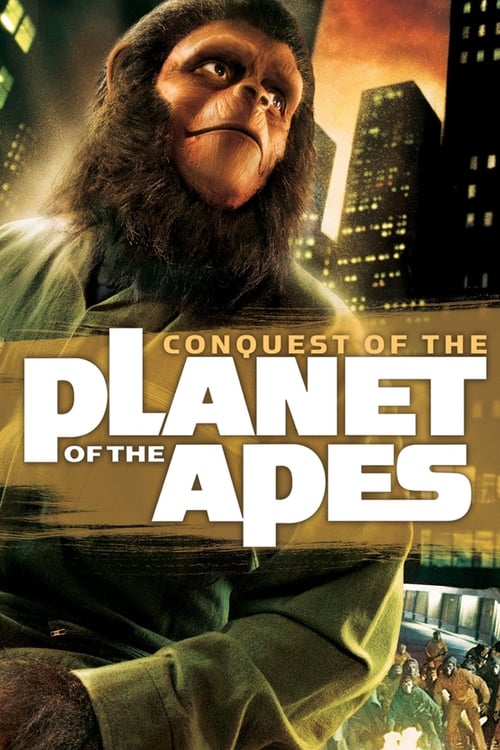
Walking through the stark, brutalist plaza of Century City in Los Angeles today feels like stepping onto a deserted space station, but in 1972, it served as the perfect, cold-blooded backdrop for a revolution. While the original Planet of the Apes gave us the iconic image of a shattered Statue of Liberty, Conquest of the Planet of the Apes offers something far more claustrophobic and, frankly, terrifying. It’s the angriest movie in the entire franchise, a low-budget scream of defiance that feels less like a sci-fi romp and more like a captured newsreel from a future we narrowly avoided.
I watched this most recent time in my home office while a particularly aggressive fly kept buzzing against the windowpane, and the rhythmic thumping of the insect oddly synced up with the film’s relentless, pounding score. It’s that kind of movie—persistent, annoying to the status quo, and impossible to ignore once it gets under your skin.
Brutalism on a Budget
By the time the series reached this fourth installment, the budget had been slashed to a lean $1.7 million. You can see the seams if you look too closely, but director J. Lee Thompson (who previously helmed The Guns of Navarone) turned those limitations into an aesthetic. Instead of lush jungles or sprawling matte paintings, we get the oppressive concrete of "Ape Management." The world of 1991 (as imagined in '72) is a place where a plague has wiped out cats and dogs, leading humans to turn apes into household pets and, eventually, a slave labor force.
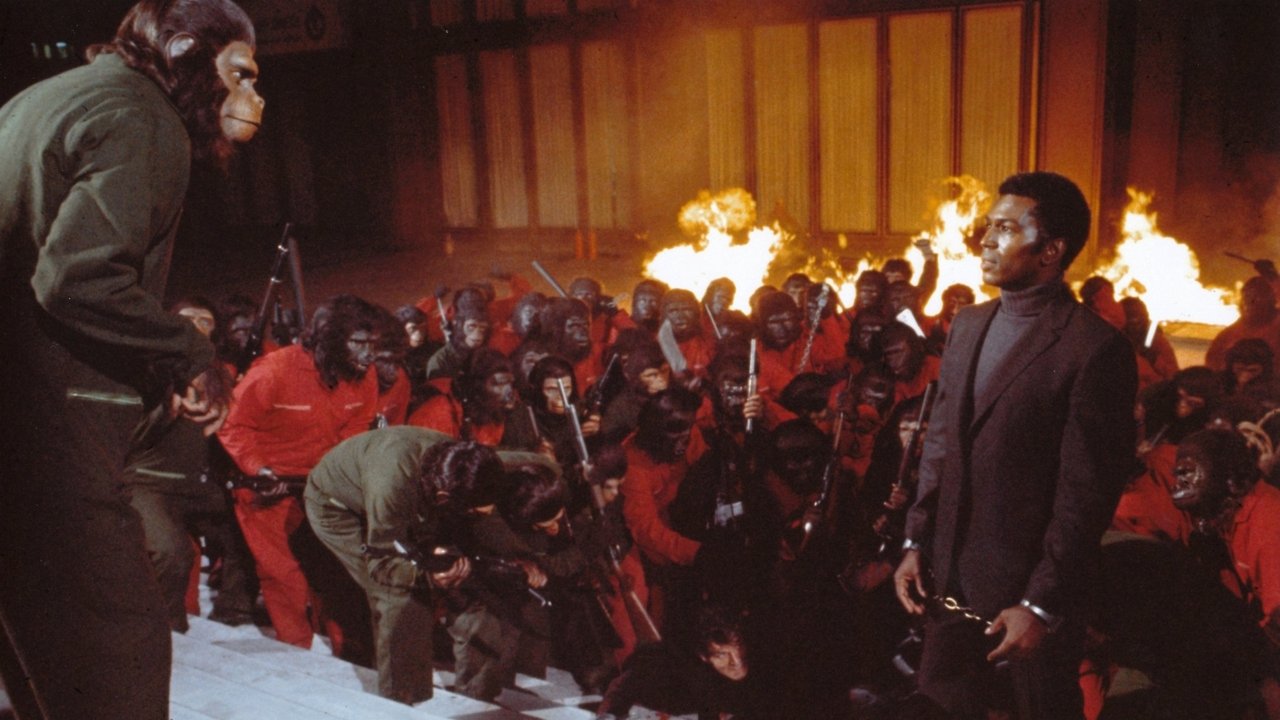
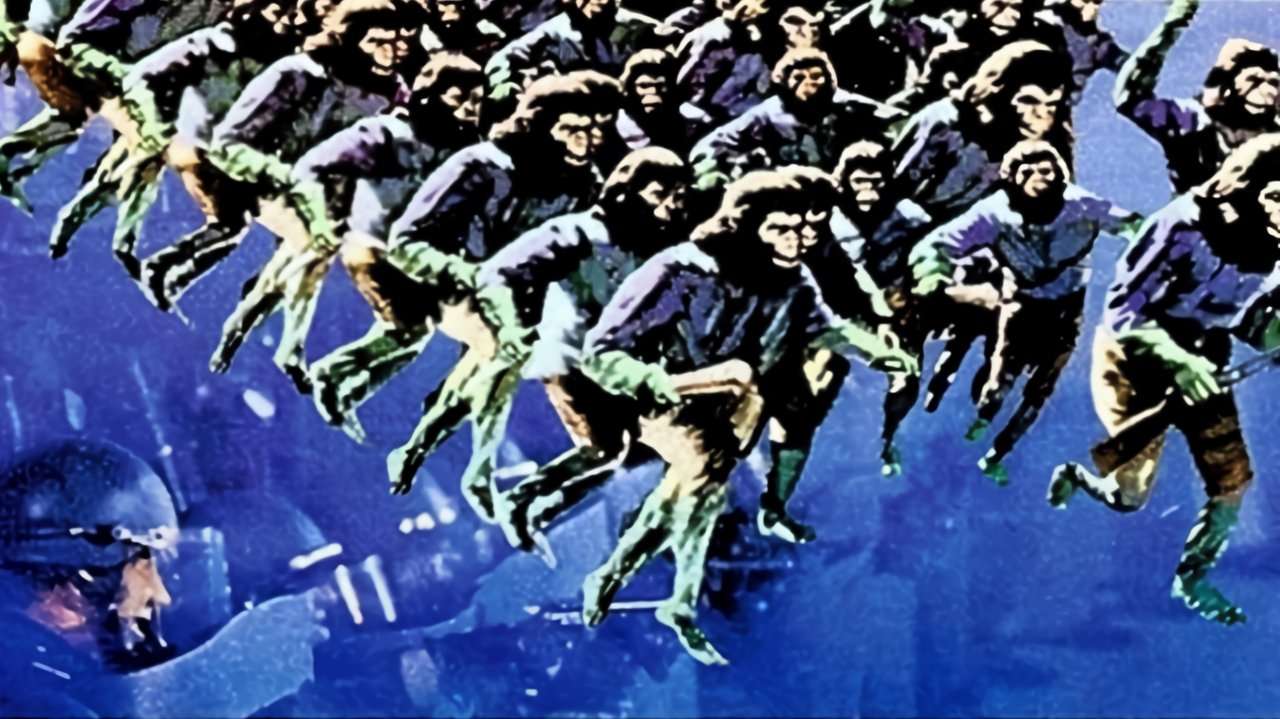
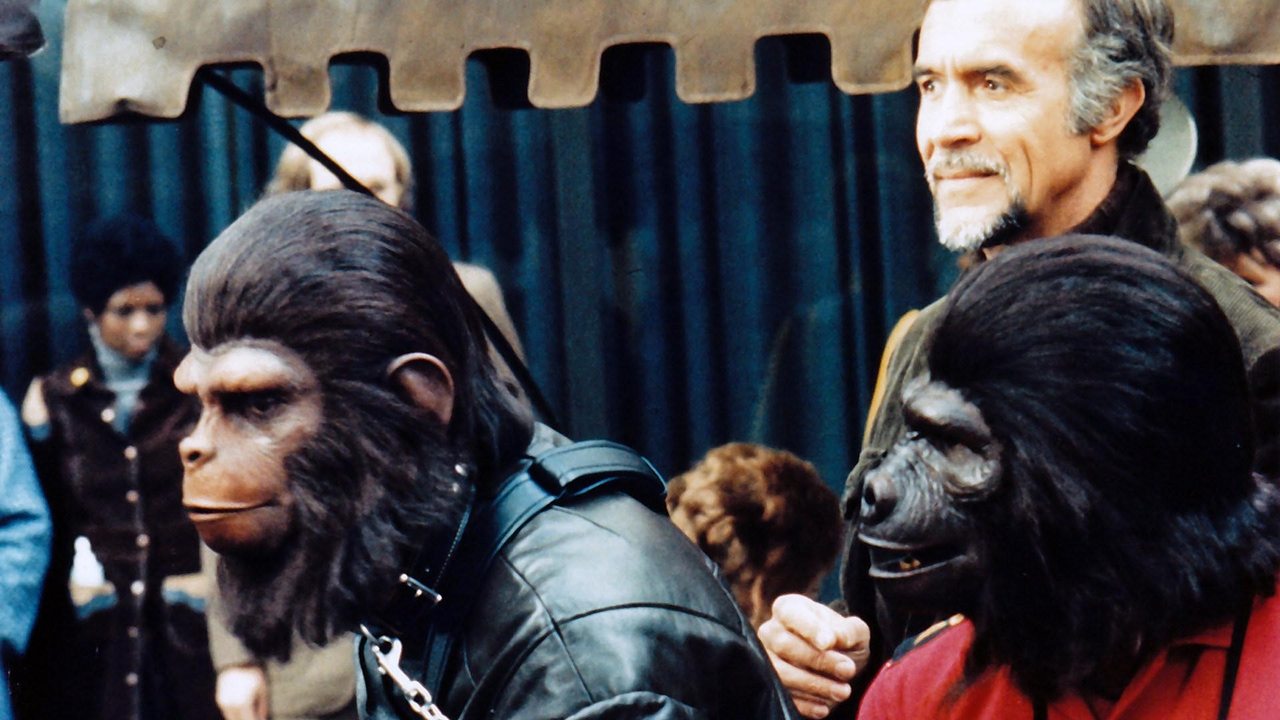
The practical effects here are a fascinating bridge between the old-school Hollywood magic and the gritty realism of the 70s. Because they couldn't afford top-tier prosthetic appliances for every background actor, many of the "gorilla" soldiers are wearing what look like slightly high-end Halloween masks that don't quite move when they yell. Yet, the sea of black fur against the bright orange and red jumpsuits of the ape servants creates a striking, pop-art nightmare. The orange and green jumpsuits make the apes look like they’re auditioning for a very violent discotheque. It’s a color palette that shouldn't work for a "serious" film, but against the gray concrete, it pops with a weird, sickly energy.
The Soul Behind the Silicon
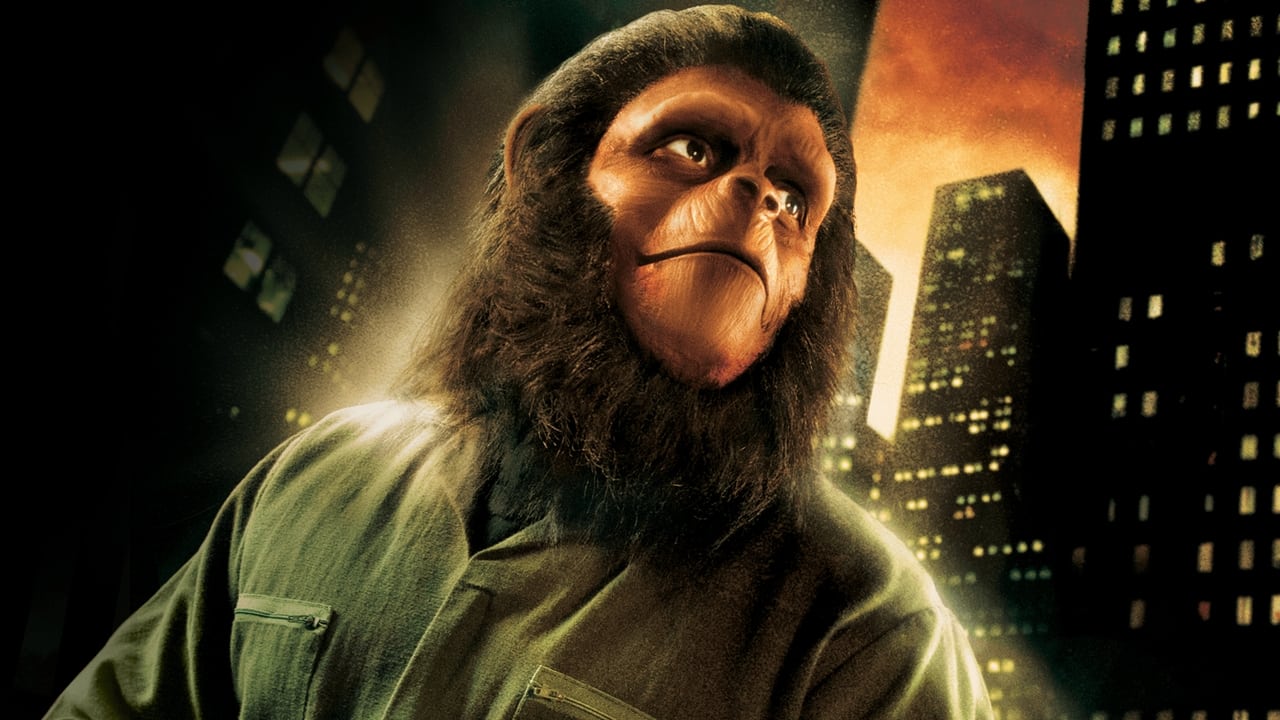
The undisputed heart of this film—and the entire original pentology—is Roddy McDowall. Having played Cornelius in the first and third films, he steps into the role of Caesar, the evolved son of the late ape duo. McDowall is doing Herculean work here. He spends the first third of the movie forced to act only with his eyes, pretending to be a "primitive" chimpanzee to avoid being murdered by Don Murray’s Governor Breck.
When Caesar finally speaks, it’s not a Shakespearean soliloquy; it’s a guttural, pained rasp. McDowall manages to convey a decade of suppressed rage in a single blink. He’s supported by the always-reliable Ricardo Montalban (the legendary Khan from Star Trek II: The Wrath of Khan), who brings a genuine, tragic warmth as Armando, the circus owner who protected Caesar. When Montalban exits the picture, the film loses its last shred of human kindness, and that’s exactly when the gears of action start to grind.
The Riot and the Rental Store Legend
The final twenty minutes of Conquest are some of the most intense action sequences of the New Hollywood era. The "revolt" is staged with a raw, handheld chaos that mirrors the real-world civil unrest of the late 60s. There’s no CGI to soften the blows; it’s just stuntmen in heavy masks throwing themselves through real fire and leaping off actual concrete balconies. The choreography is less about martial arts and more about the crushing weight of a mob. It’s messy, it’s smoke-filled, and it feels dangerous.
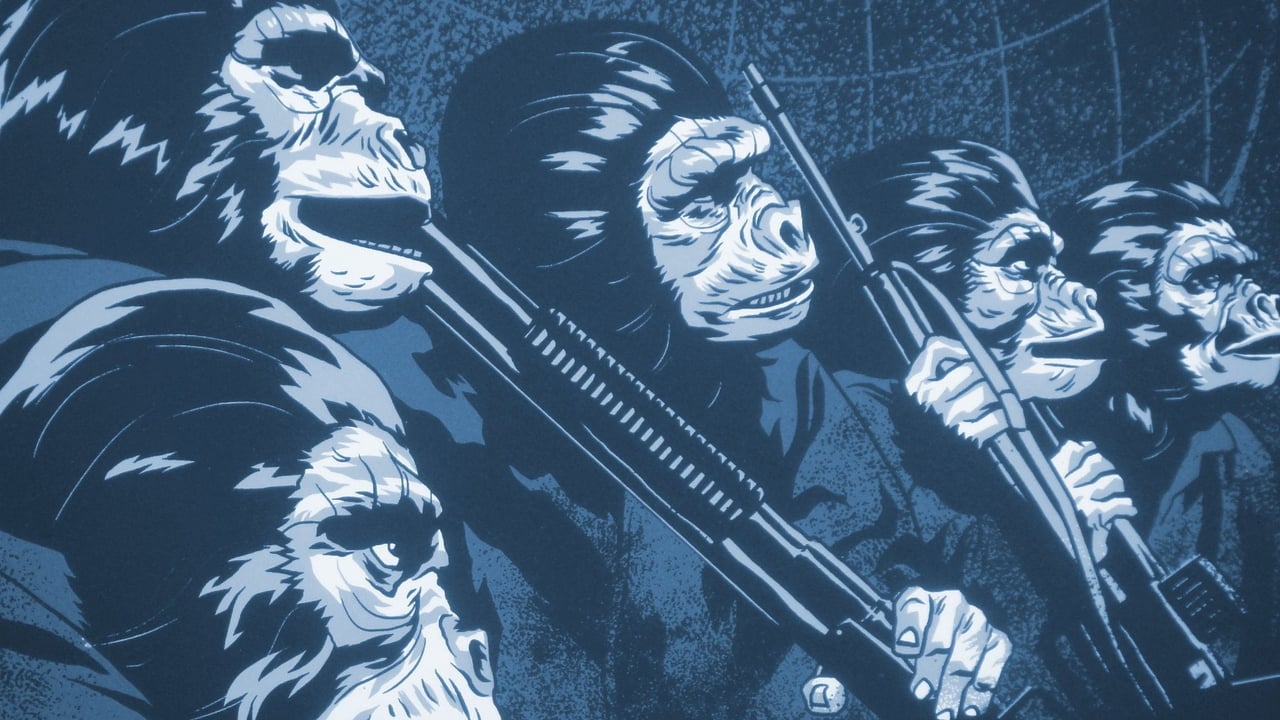
For years, this movie lived a second life in the dark corners of independent video rental stores. I remember the specific box art on the VHS—a flaming city and an ape holding a machine gun—that promised a level of violence the theatrical cut didn't quite deliver. Turns out, the original ending was so bleak and bloody that test audiences recoiled, forcing the studio to dub over Caesar’s final speech with a more "hopeful" message and edit out the most gruesome bayonet stabbings. If you can, seek out the unrated "Director's Cut." It restores the cynical, nihilistic punch that Paul Dehn’s screenplay intended.
The film serves as a fascinating precursor to the modern Planet of the Apes trilogy. While the new films have the benefit of motion capture and hundred-million-dollar budgets, they owe their entire DNA to this scrappy, mean-spirited little 88-minute thriller. It’s a movie that knows it’s cheap, knows it’s the fourth sequel, and decides to go for the throat anyway.
Conquest of the Planet of the Apes is a miracle of "limitations as inspiration." It trades the philosophical grandeur of the original for a sweaty, claustrophobic urban thriller that still feels surprisingly relevant. It’s the ultimate "midnight movie" of the franchise—dark, stylishly garish, and anchored by a performance from Roddy McDowall that proves you don't need a visible human face to break a viewer’s heart. Just be prepared for the fact that you’ll never look at a brutalist parking garage the same way again.
Keep Exploring...
-
Battle for the Planet of the Apes
1973
-
Escape from the Planet of the Apes
1971
-
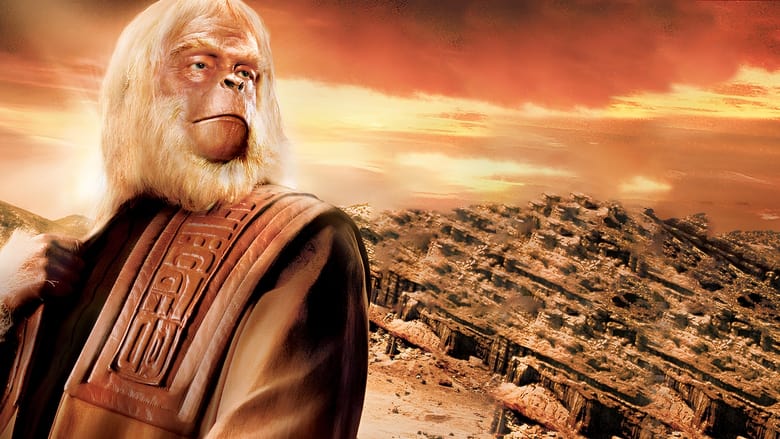
Beneath the Planet of the Apes
1970
-
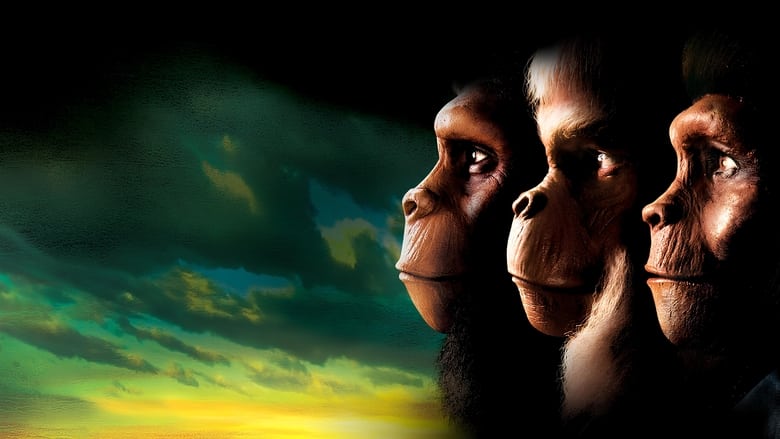
Planet of the Apes
1968
-
Logan's Run
1976
-
Flash Gordon
1980
-
Star Trek III: The Search for Spock
1984
-
Innerspace
1987
-

Masters of the Universe
1987
-
THX 1138
1971
-
Bad Taste
1987
-
Bullitt
1968
-

Magnum Force
1973
-
Soylent Green
1973
-

The Enforcer
1976
-

Superman
1978
-
Mad Max
1979
-

Superman II
1980
-

Escape from New York
1981
-
Tron
1982