Deliverance
"Sometimes the wilderness bites back."
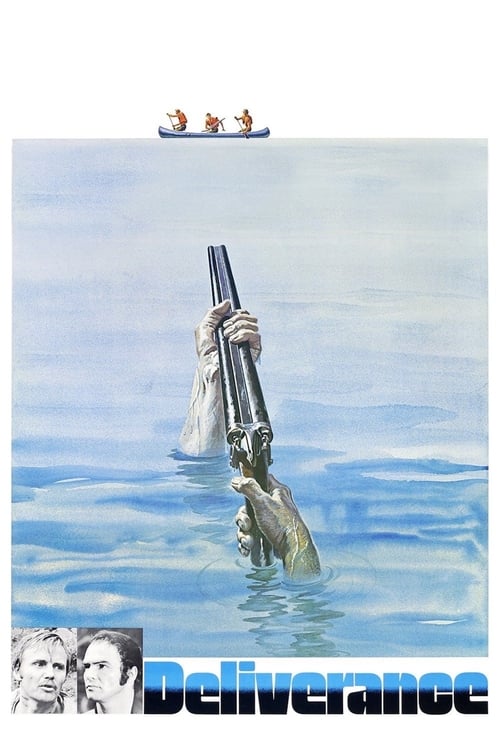
Before the first note of a banjo even rings out, there is the sound of the water—a low, rhythmic churning that suggests the Cahulawassee River is less a geographical feature and more a digestive tract. By 1972, the American Dream was already looking a bit sickly, poisoned by Vietnam and the rot of the Nixon era, but John Boorman’s Deliverance took that disillusionment and dragged it into the woods to see if it could swim. It couldn’t.
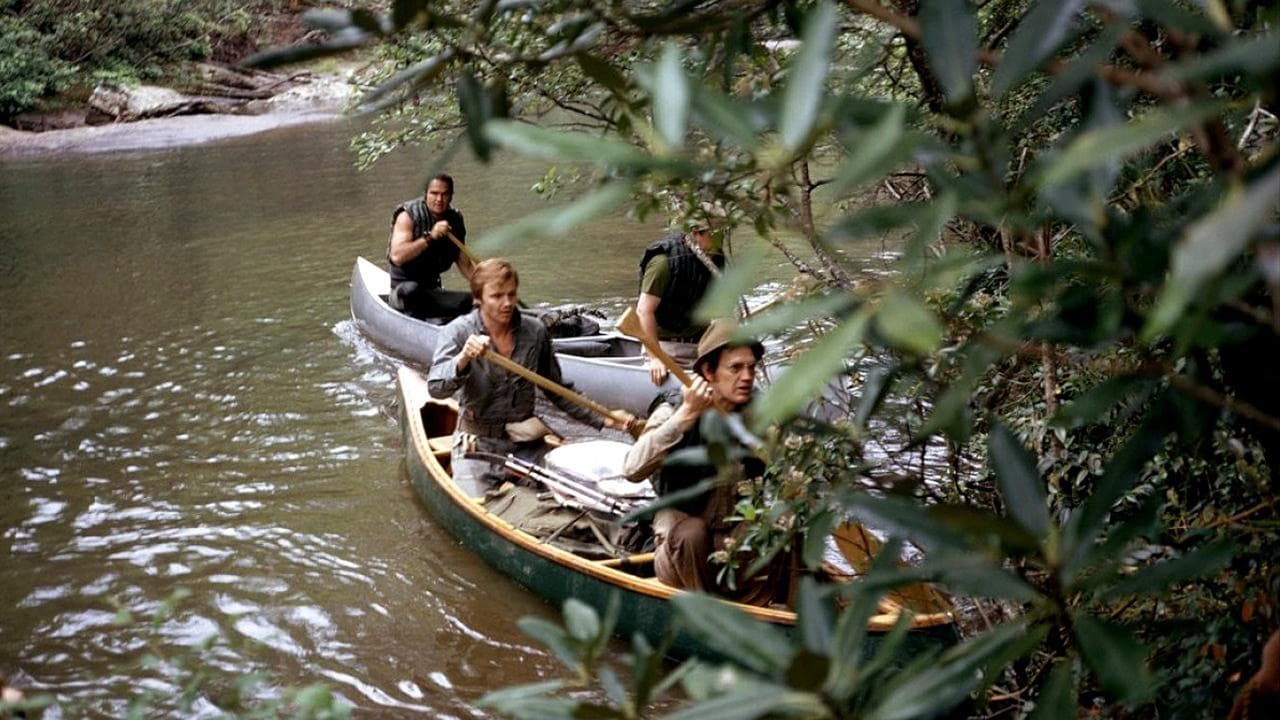
I watched this most recent time while eating a room-temperature Slim Jim, which felt appropriately rustic but mostly just tasted like a mistake, much like the decision these four Atlanta businessmen make to conquer a river before it’s dammed into a stagnant lake. They think they are going to "test" themselves against nature. They have no idea that nature has already graded them, and the result is a failing mark.
The Survivalist’s Delusion
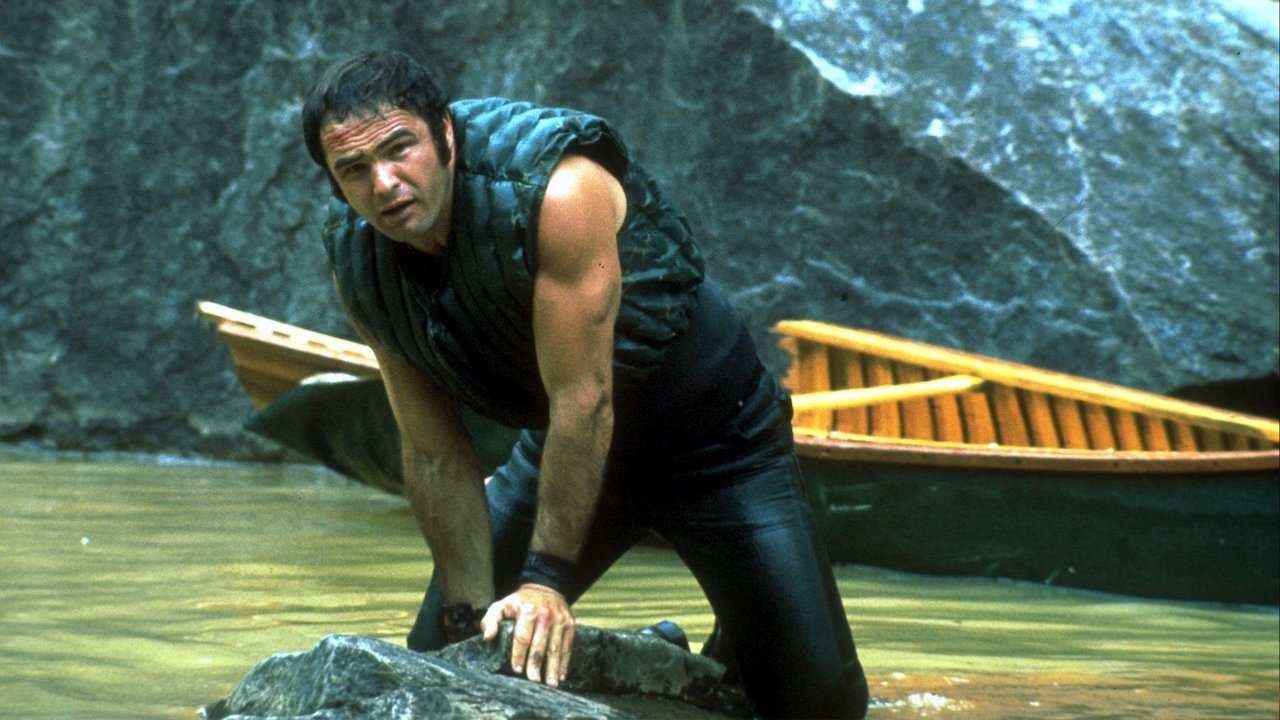
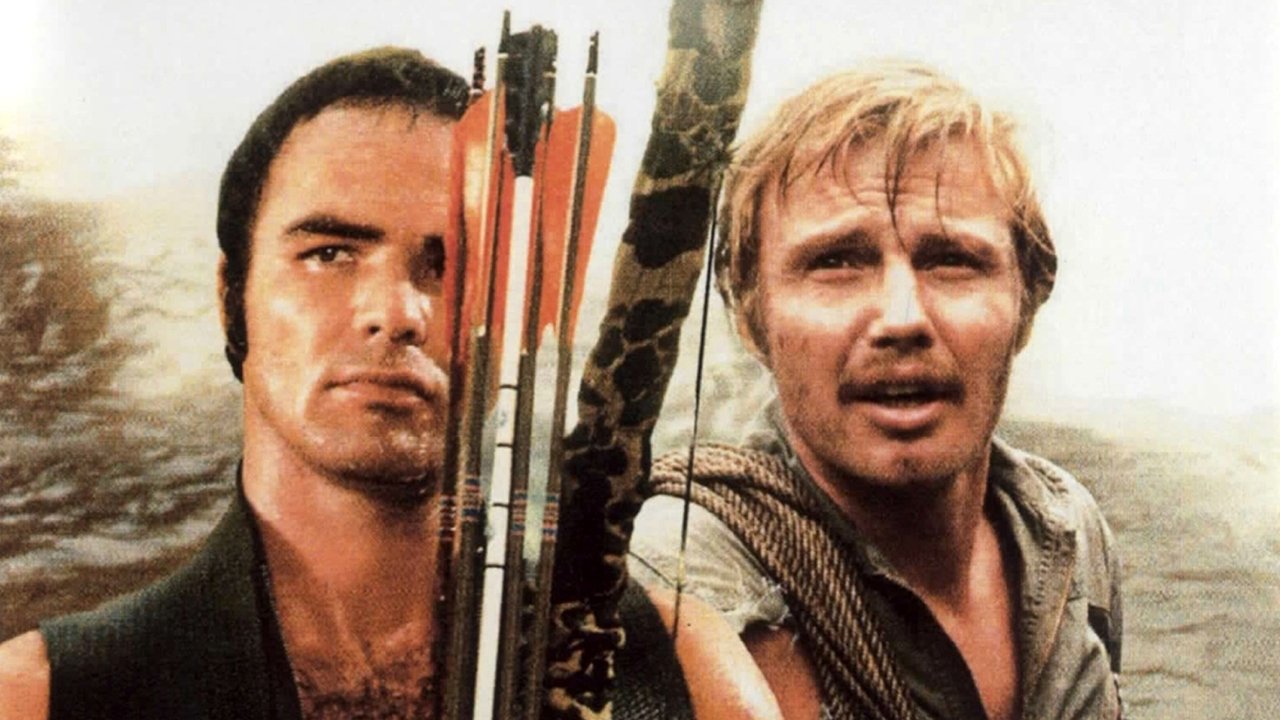
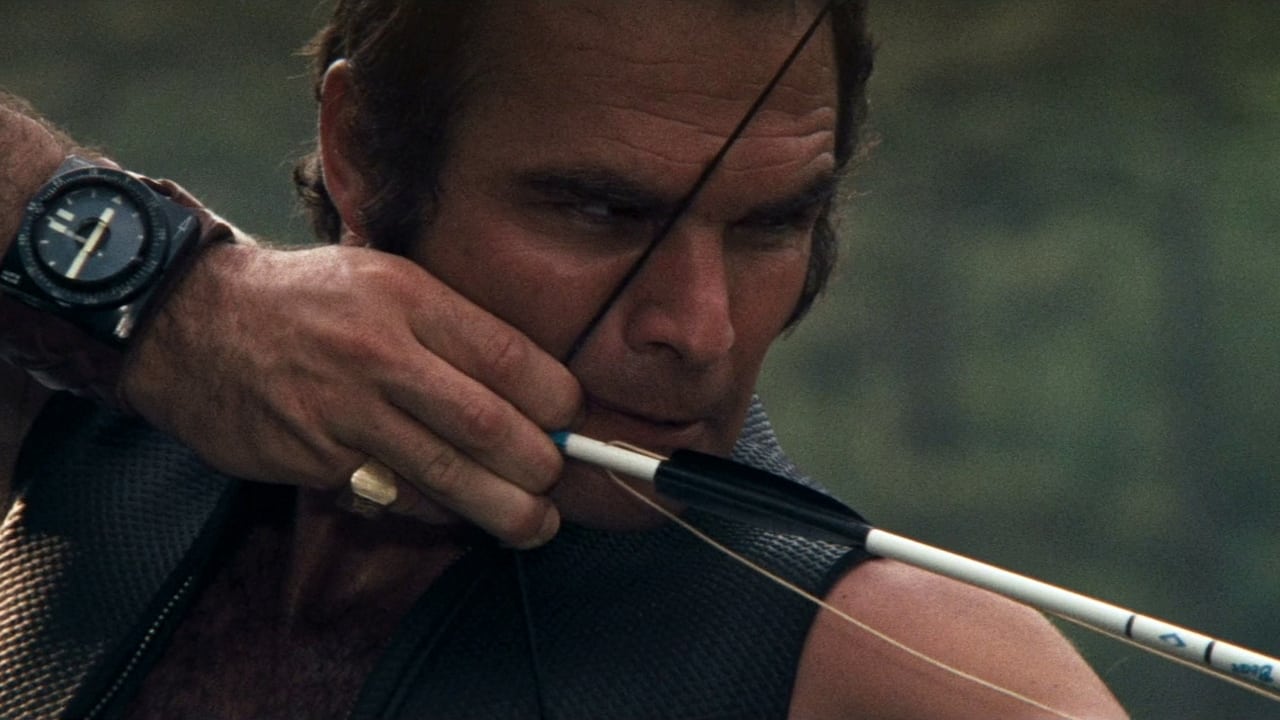
At the center of this doomed expedition is Lewis Medlock, played by Burt Reynolds in a career-defining performance that weaponizes his sheer physicality. In his sleeveless wet suit, Lewis is a man obsessed with the idea of the "alpha," a guy who believes that when the machines stop, only the strong will thrive. Lewis is essentially the 1970s equivalent of a guy who makes 'survivalism' his entire personality to avoid a mid-life crisis. He’s the catalyst for everything that follows, pushing his friends—the thoughtful Ed (Jon Voight), the gentle Drew (Ronny Cox), and the soft, jovial Bobby (Ned Beatty)—into a nightmare they aren't equipped to handle.
The first act is masterfully deceptive. The "Dueling Banjos" sequence between Ronny Cox and the local boy played by Billy Redden is often remembered as a fun bluegrass standard, but look at the eyes of the players. There’s a profound, unbridgeable gap between the city men and the mountain people. Boorman doesn't treat the locals as caricatures; he treats them as a civilization that has been left behind by the very progress the city men represent. When the music stops, the silence that follows is deafening. It’s the sound of a door slamming shut.
A Masterclass in Dread
The shift from "outdoor adventure" to "survival horror" happens with a suddenness that still leaves me cold. The infamous assault on Bobby and Ed isn't just about violence; it’s about the total stripping away of dignity and the illusion of safety. Ned Beatty, making his film debut, gives a performance of such raw, agonizing vulnerability that it remains one of the most difficult things to watch in 20th-century cinema. It’s the moment the film stops being a movie about a river and becomes a movie about the fragile, terrifying reality of the human body.
What follows is a moral collapse. After a killing, the group has to decide whether to trust the law or bury the evidence under the rising waters of the future lake. The tension here isn't just from the rapids—though those are staged with a bone-rattling realism—but from the internal disintegration of these men. Jon Voight is incredible as Ed, the man who has to find a killer instinct he never wanted. The scene where he climbs a sheer rock face to hunt a sniper is filmed with such agonizing slowness that you can feel every jagged edge of the stone.
The Grime of the Real
Visually, Deliverance is a masterwork of desaturation. Cinematographer Vilmos Zsigmond (who later shot The Deer Hunter and Close Encounters of the Third Kind) famously used a process to desaturate the colors, giving the Georgia wilderness a muddy, oppressive green-and-gray palette. It feels damp. You can almost smell the rot of the fallen leaves and the stagnant river water.
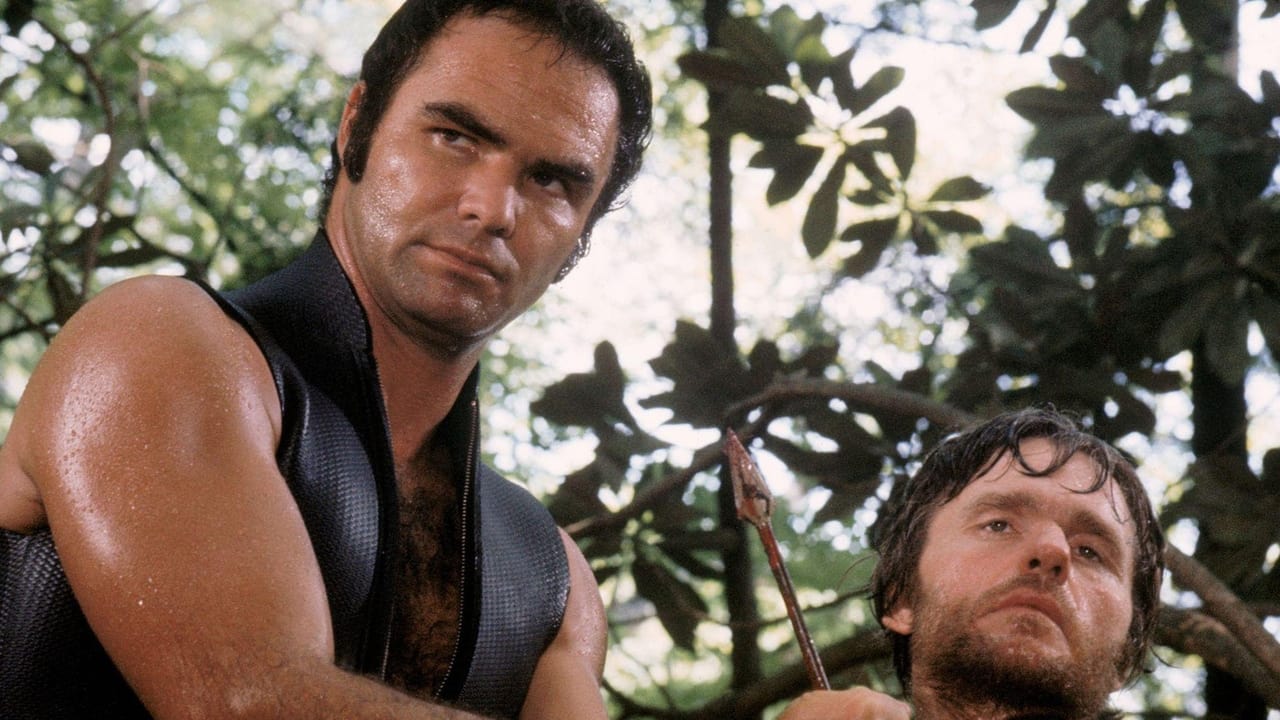
There were no stunt doubles for the main cast here. When you see Burt Reynolds tossed like a ragdoll over a waterfall, that is actually him—and he actually cracked his tailbone doing it. When Jon Voight is clinging to that cliff, there’s no green screen. This was an era of filmmaking where the "Practical Effects Golden Age" meant "put the actors in actual danger and hope for the best." That authenticity gives the film a weight that modern CGI thrillers can never replicate. The river feels like a physical weight on your chest.
When this eventually hit the VHS market in the early 80s, it became a staple of the "Forbidden Movie" shelf. I remember seeing that Warner Bros. clamshell case with the four men in the canoe, looking like a standard action flick. But for anyone who rented it expecting a fun weekend romp, it was a traumatic awakening. It’s a film that stays with you, not as a collection of "cool" scenes, but as a lingering sense of unease.
Deliverance is a harrowing, essential piece of New Hollywood that refuses to offer easy answers or a comfortable ending. It’s a film about what happens when the mask of civilization slips and we realize we don't like what's underneath. Even after the credits roll and the "Dueling Banjos" theme fades, you’ll find yourself looking over your shoulder the next time you step into the woods. The river may be gone, buried under a lake, but the ghosts of the Cahulawassee aren't going anywhere.
Keep Exploring...
-
The Poseidon Adventure
1972
-
All the President's Men
1976
-
Marathon Man
1976
-
Blood Simple
1985
-
Le Samouraï
1967
-
The Tenant
1976
-
In the Heat of the Night
1967
-
Rosemary's Baby
1968
-
Dog Day Afternoon
1975
-
Mississippi Burning
1988
-

Yojimbo
1961
-
Butch Cassidy and the Sundance Kid
1969
-
Straw Dogs
1971
-
Fist of Fury
1972
-
Chinatown
1974
-
Murder on the Orient Express
1974
-

The Towering Inferno
1974
-
Jaws
1975
-
The Killer
1989
-
The Count of Monte Cristo
2002