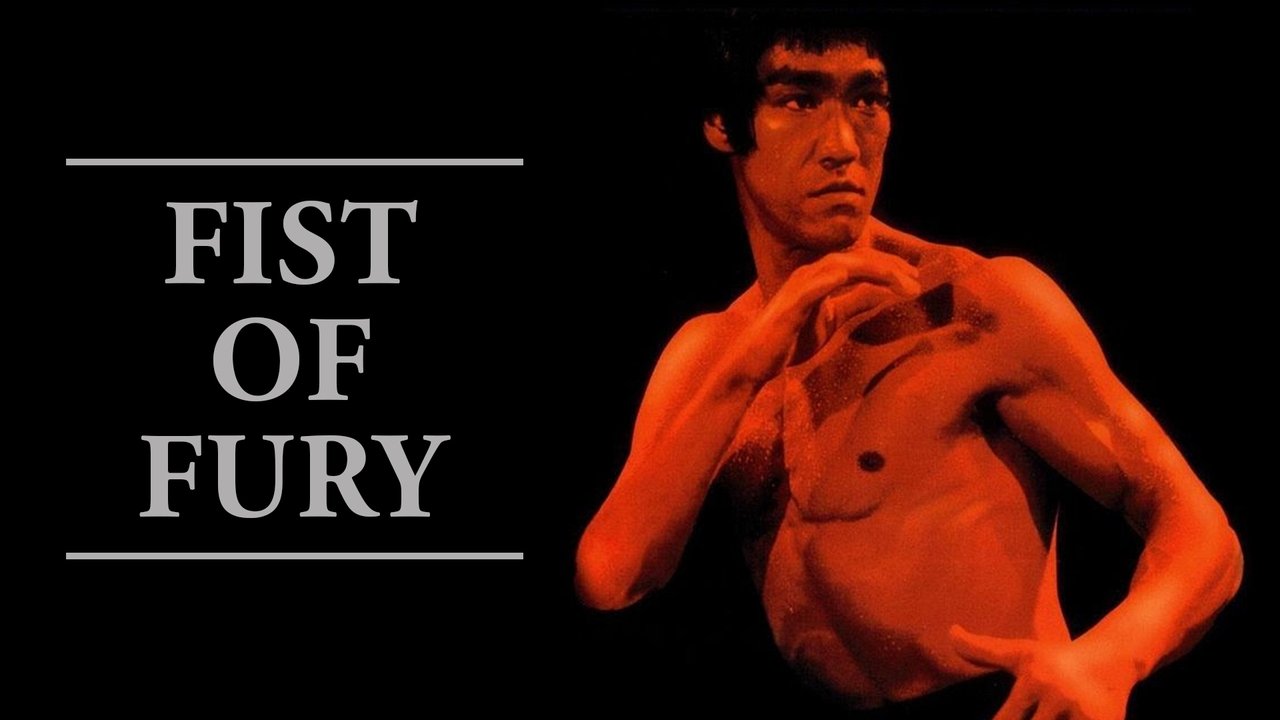
Fist of Fury
"One man’s rage breaks a colonial empire."

There is a specific frequency to the sound Bruce Lee makes before he launches a kick in Fist of Fury—a high-pitched, avian shriek that feels like it could shatter both glass and the ego of anyone standing in his way. It isn’t just a martial arts flourish; it’s the sound of a boiling point being reached. I watched this again last night while trying to fix a leaky faucet with a pair of pliers that didn’t fit, and honestly, the sheer cathartic energy of Bruce Lee smashing through a Japanese dojo was the only thing that kept me from throwing my plumbing tools through the window.
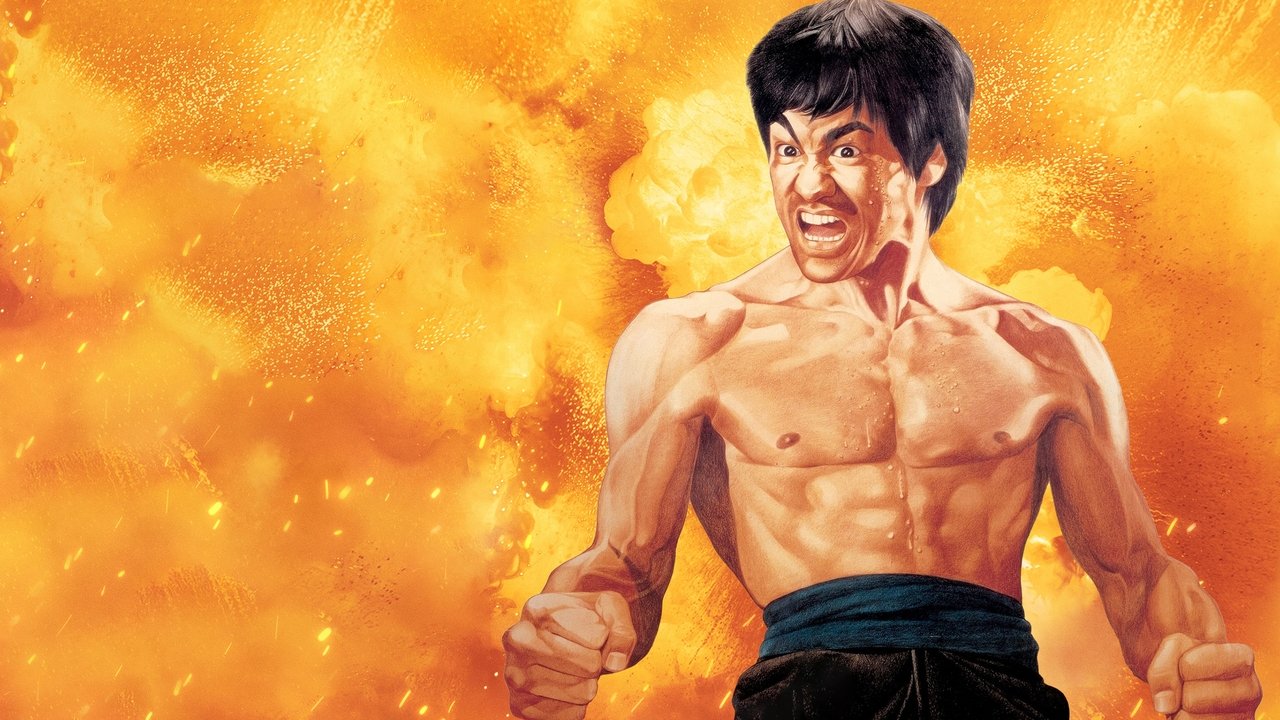
Released in 1972, this was the film that solidified the "Dragon" as a global icon. While The Big Boss introduced him, Fist of Fury gave him his most potent weapon: a righteous, burning anger. Set in a 1910s Shanghai occupied by Japanese forces, the plot is a classic revenge setup. Bruce Lee plays Chen Zhen, a student who returns to his martial arts school to find his master, Huo Yuan-jia, dead under suspicious circumstances. When a rival Japanese school shows up at the funeral to deliver a sign that reads "Weak Men of the East," the fuse is lit.
The Physicality of Pure Spite
What makes the action in Fist of Fury so much more impactful than its contemporaries is the absolute lack of wasted movement. In an era where many Shaw Brothers films were still using the rhythmic, almost operatic "arm-swinging" style of Peking Opera, Bruce Lee brought something that looked like it actually hurt. When he hits someone, they don’t just fall; they collapse as if their skeletal structure has been fundamentally insulted.
The choreography—handled largely by Bruce Lee himself alongside Han Ying-Chieh—is legendary. This is the film that introduced the nunchucks to a global audience. Watching him whip those sticks around in the dojo scene is a reminder that most modern fight scenes look like rhythmic gymnastics compared to the absolute carnage Lee inflicts here. There’s no "shaky cam" to hide the mistakes because there aren't any. Every kick is extended, every punch is snapped back, and the camera stays wide enough to let you see the physics of the violence.
It’s also surprisingly dark. Unlike the later Way of the Dragon, which has its goofy, comedic beats, Fist of Fury is a grim downward spiral. Chen Zhen isn't just a hero; he’s a man who has decided that his life is a fair trade for the dignity of his people. The intensity Lee brings to the screen is almost uncomfortable at times—the way his nostrils flare, the way he tastes his own blood. He wasn’t just acting; he was channeling decades of colonial frustration into a single pair of fists.
The $100,000 Miracle
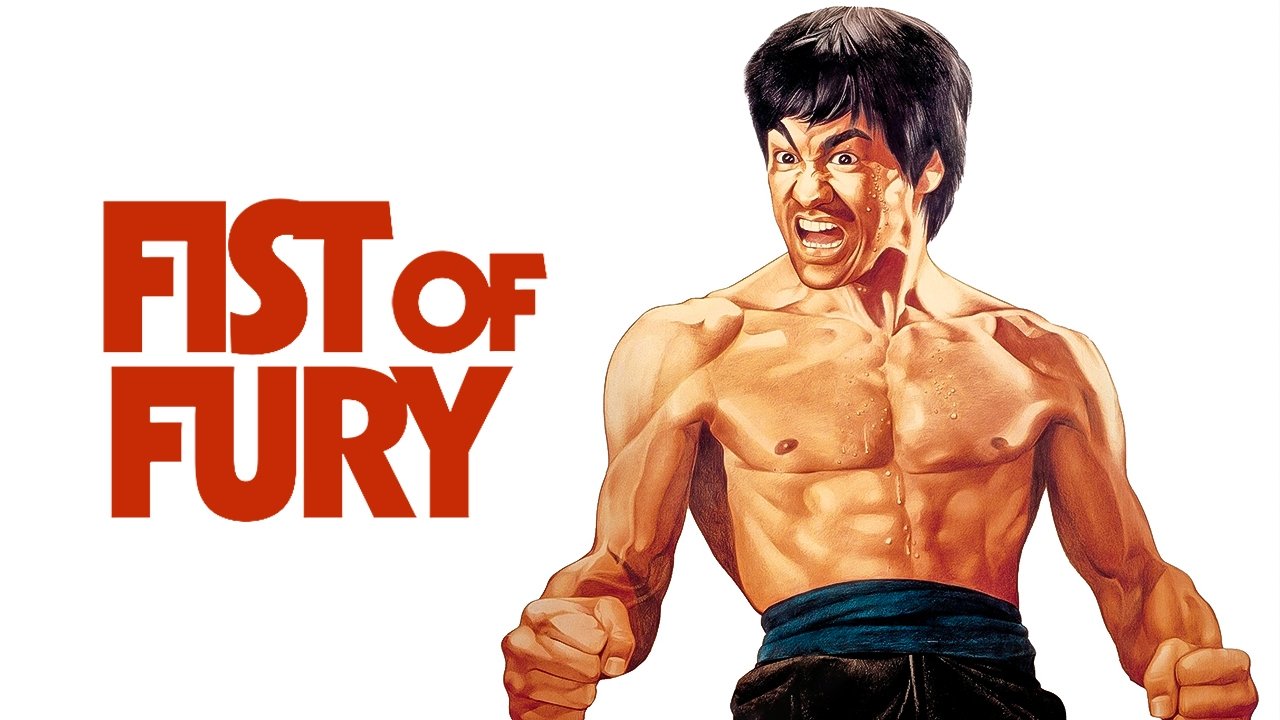
It’s wild to think that this film was made for roughly $100,000. Produced by Raymond Chow for the then-upstart Orange Sky Golden Harvest, it was a lean, mean operation. Because they couldn’t afford massive studio sets, a lot of the film has a gritty, claustrophobic feel that actually aids the story. The Japanese dojo feels like a fortress, and the Chinese school feels like a sanctuary under siege.
There’s a great bit of trivia involving the final act. When the villain, Suzuki, is kicked through the sliding doors and out into the garden, that isn’t the lead actor doing the stunt. It’s actually a very young, very hungry Jackie Chan, working as a stuntman and taking one of the highest falls of his early career. It’s a passing of the torch that no one at the time realized was happening. Director Lo Wei (who also did The Big Boss and New Fist of Fury) reportedly clashed with Lee constantly, but that tension only seems to have tightened the film’s spring. Lee wanted realism; Wei wanted traditional tropes. The result is a hybrid that feels both classic and revolutionary.
A Legacy on Magnetic Tape
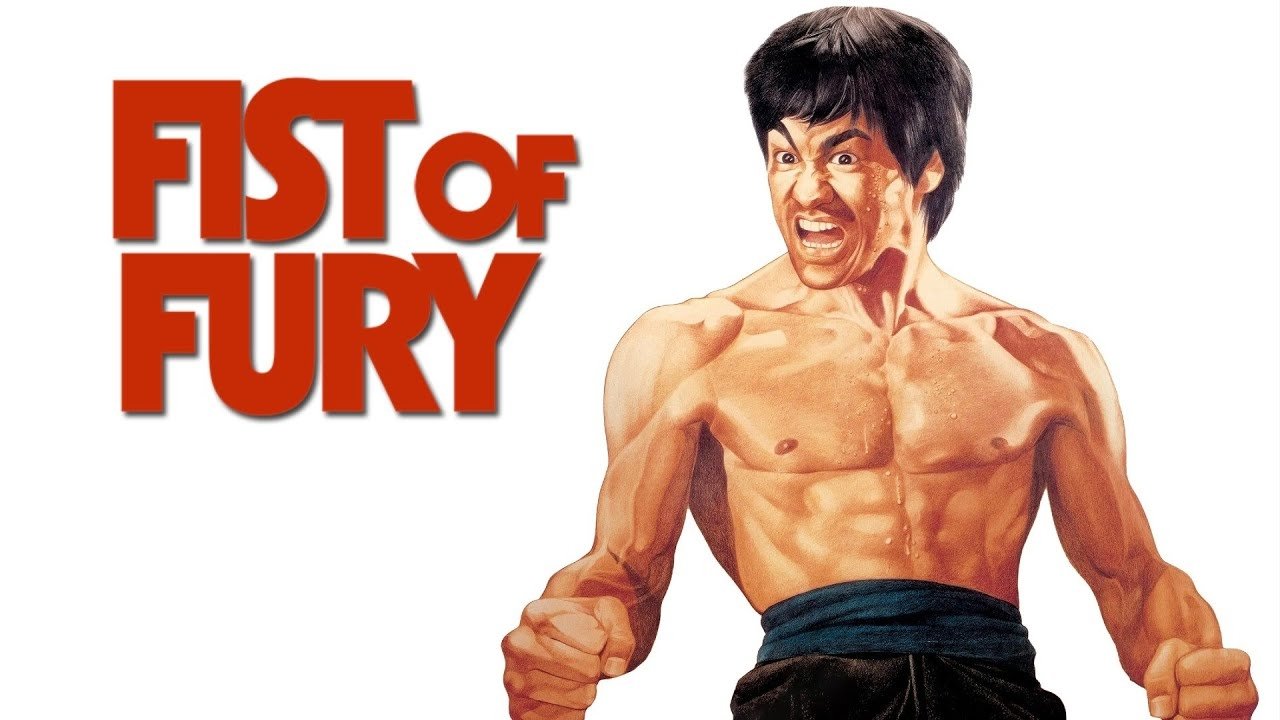
For those of us who grew up in the 80s, Fist of Fury (often titled The Chinese Connection due to a famous titling mix-up with The Big Boss) was the ultimate "forbidden" rental. The cover art usually featured Bruce Lee looking like he was about to punch through the plastic of the VHS clamshell. I remember my local video store had a copy where the tape was so worn out during the dojo fight that the tracking lines would flicker every time he landed a hit, almost like the VCR was struggling to keep up with his speed.
The film's impact on the home video revolution cannot be overstated. It was the kind of movie you watched, rewound, and watched again just to see if you could figure out how he moved his hands that fast. It didn't matter if the English dubbing was slightly off-sync or if the sound of the punches sounded like a wet rug hitting a sidewalk; the charisma was undeniable.
Fist of Fury isn't just a martial arts movie; it's a monumental piece of action history that refuses to age. While the supporting performances from Nora Miao and James Tien Chun provide the necessary emotional scaffolding, this is a one-man show. It’s a film that understands that action is most effective when it’s fueled by a genuine sense of injustice. If you’ve only ever seen the parodies or the countless imitators, do yourself a favor and go back to the source. It’s raw, it’s angry, and it still hits like a freight train.
Keep Exploring...
-
The Way of the Dragon
1972
-

The Towering Inferno
1974
-
Marathon Man
1976
-
In the Heat of the Night
1967
-
Dirty Harry
1971
-
Straw Dogs
1971
-
Murder on the Orient Express
1974
-
Assault on Precinct 13
1976
-
Bloodsport
1988
-
The Killer
1989
-

Kickboxer
1989
-
Peeping Tom
1960
-
What Ever Happened to Baby Jane?
1962
-
From Russia with Love
1963
-

Repulsion
1965
-
Blow-Up
1966
-
Mad Max 2
1981
-
After Hours
1985
-
They Live
1988
-
Rosemary's Baby
1968