Frenzy
"A killer’s knot in the heart of London."
The River Thames has rarely looked less like a tourist destination and more like a soggy graveyard than it does in the opening minutes of Frenzy. As the camera sweeps over the water toward a crowd listening to a politician promise a cleaner river, a bloated corpse floats into view, cinched tight with a necktie. It’s a classic Alfred Hitchcock rug-pull, but with a 1970s edge that feels colder, meaner, and far more explicit than the Master of Suspense had ever dared before.
I watched this recently while nursing a cup of lukewarm Earl Grey that had developed a weird oily film on top, which felt strangely appropriate given the movie’s obsession with unappetizing food. This was Hitchcock returning to his roots in London after a string of glossy, increasingly disconnected Hollywood productions, and you can practically smell the damp pavement and the stale cabbage of Covent Garden through the screen.
The Master Goes Gritty
By 1972, the "New Hollywood" revolution was in full swing. Directors like Coppola and Friedkin were redefining cinematic violence, and Hitchcock, then in his early 70s, clearly felt the need to prove he wasn't a relic. Frenzy is his "R-rated" manifesto. It abandons the glamorous escapism of To Catch a Thief or North by Northwest for a gray, working-class London populated by people who are tired, broke, and desperately cynical.
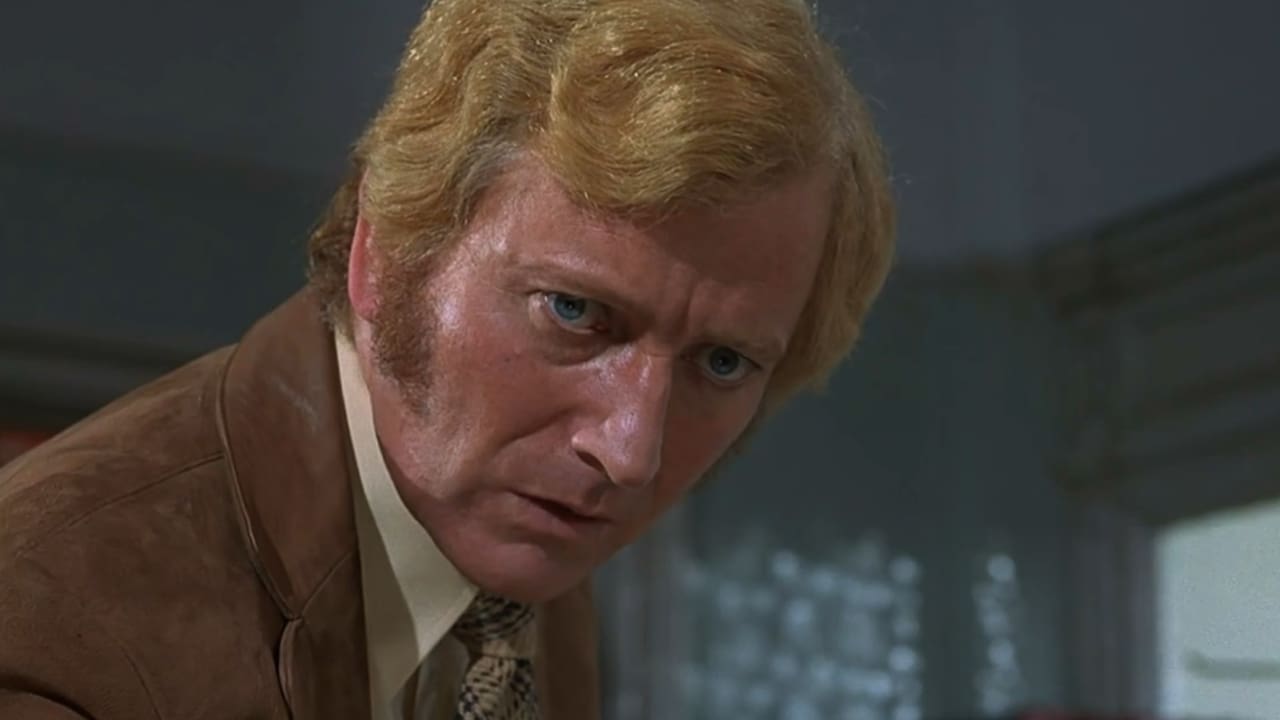
The story follows Jon Finch as Richard Blaney, a man with a short fuse and a string of bad luck who becomes the prime suspect in the "Necktie Murders." Jon Finch (who had just come off Polanski’s Macbeth) plays Blaney as an aggressively unlikable protagonist. He’s rude, he’s a drunk, and he’s prone to outbursts. It’s a bold choice that forces the audience into an uncomfortable position: we know he’s innocent, but we don't necessarily like him. Hitchcock finally stopped pretending he liked his audience and decided to hurt them instead, stripping away the safety net of a "hero" you actually want to grab a pint with.
The Nice Guy Next Door
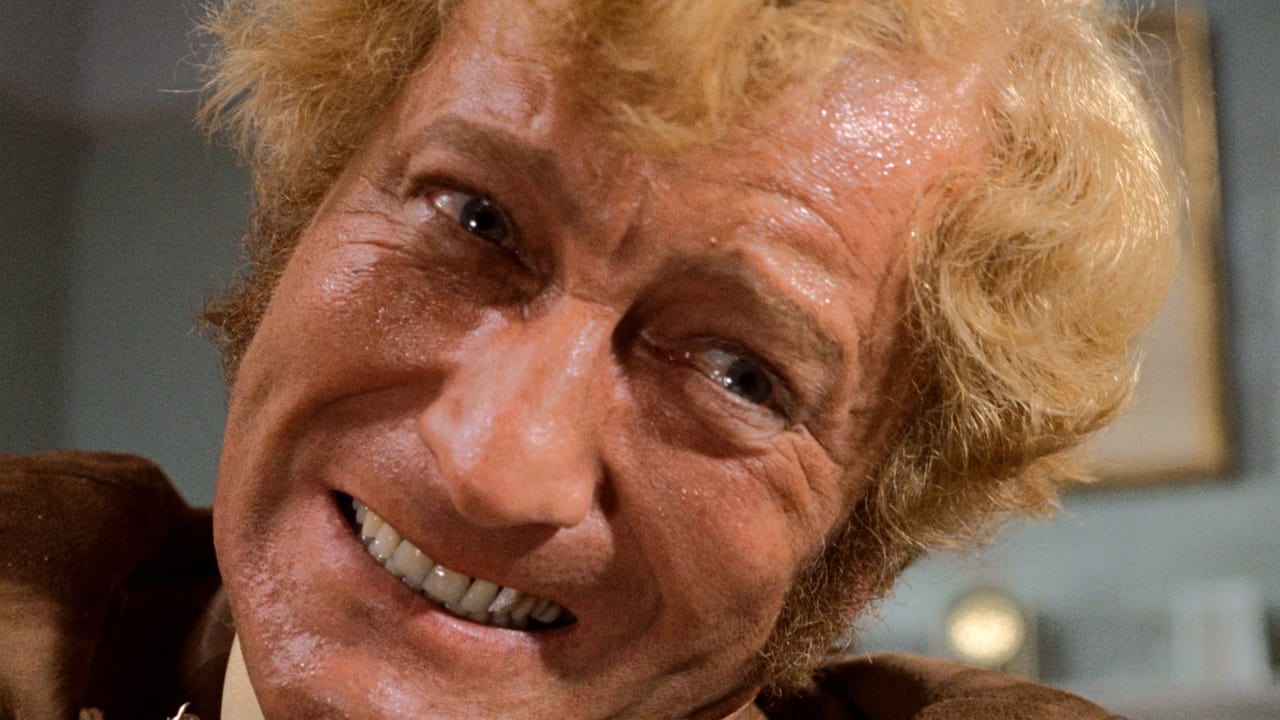
The true horror of Frenzy lies in Barry Foster’s performance as Bob Rusk. Rusk is the actual killer, a cheery greengrocer who hideously blends into the background of daily life. While Blaney is abrasive and suspicious, Rusk is charming, helpful, and "a bit of a lad." Foster plays him with a terrifying, upbeat banality.
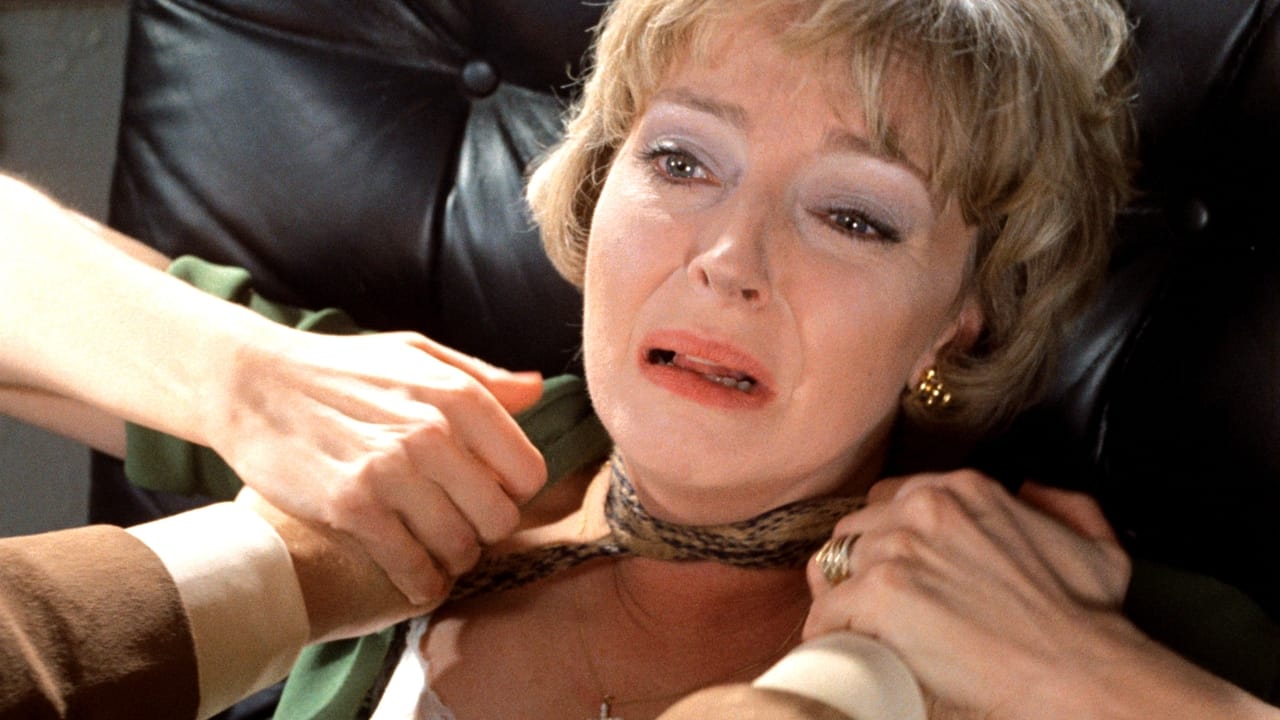
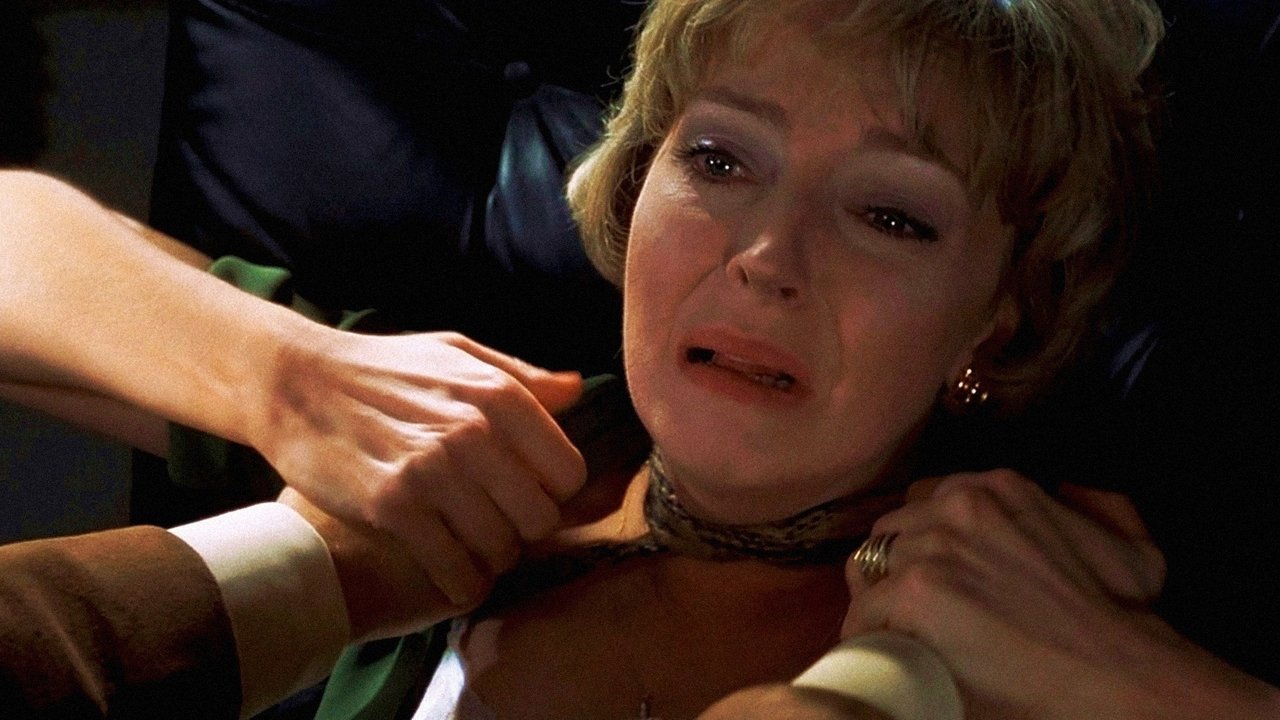
The scene involving Brenda Blaney (Barbara Leigh-Hunt) is still one of the most difficult sequences in Hitchcock’s entire filmography. It’s a prolonged, brutal assault that lacks any of the stylized "artistry" of the shower scene in Psycho. It’s intended to be repulsive, and it succeeds. However, Hitchcock balances this cruelty with one of his most famous directorial flourishes: a later scene where Rusk leads a second victim into his apartment. Instead of following them inside, the camera slowly, silently backs out of the door, down the stairs, and into the busy street outside. It’s a chilling reminder that while horrific acts are happening just behind a closed door, the world carries on, completely indifferent.
Gourmet Gore and Dark Comedy
For all its grimness, Frenzy is also a pitch-black comedy, primarily through the subplot of Chief Inspector Oxford (Alec McCowen) and his wife (Vivien Merchant). While Oxford tries to solve the murders, his wife is taking a gourmet French cooking class, serving him "delicacies" like pig's trotters in a translucent slime and tiny, decapitated quails.
The juxtaposition of Oxford discussing the forensic details of a strangulation while struggling to break the crust of a particularly stubborn soufflé is classic Hitch. Vivien Merchant steals every scene she’s in with a deadpan obsession with her husband’s "instincts" that rivals his own. It’s a necessary pressure valve for the film's intensity, providing a macabre domesticity that mirrors the film’s larger theme: the grotesque is often hidden right under the surface of the mundane.
The Covent Garden Connection
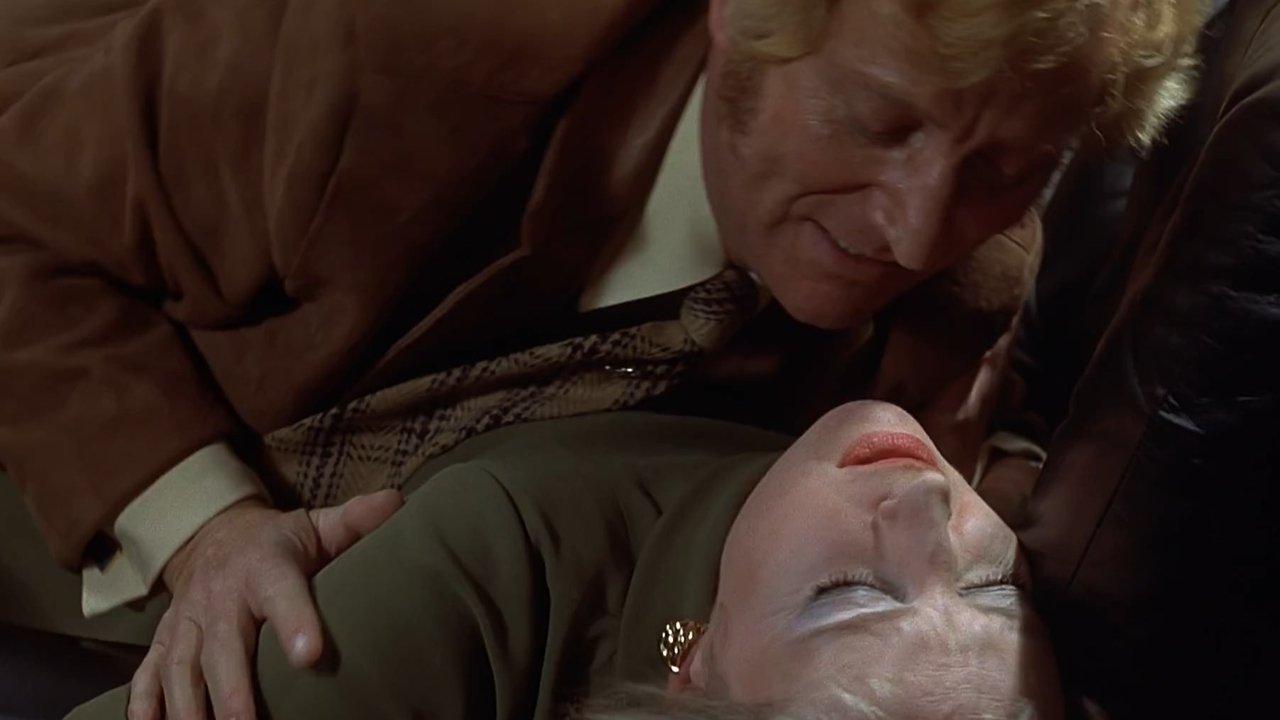
There’s a deep sense of personal history here. Hitchcock’s father was a greengrocer in Covent Garden, and the director’s familiarity with the area’s geography and rhythms is evident. The sequence where Rusk has to retrieve a misplaced tie-pin from a corpse hidden in a potato truck is a masterclass in tension and practical ingenuity. Hitchcock actually had a massive rig built to simulate the shifting potatoes, and Barry Foster apparently spent hours being pelted with real spuds to get the shot.
Interestingly, Michael Caine was the original choice for the role of Rusk, but he famously turned it down because he found the character too "disgusting." It’s hard to imagine anyone doing a better job than Foster, though; his "lovely, lovely" catchphrase becomes a genuine skin-crawler by the final act.
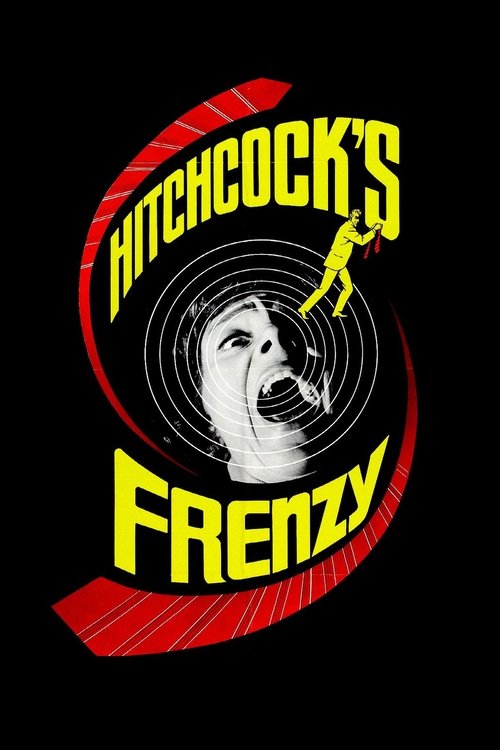
When Frenzy eventually hit the VHS market in the late 70s and 80s, it gained a reputation as the "forbidden" Hitchcock. The cover art often played up the lurid, slasher-adjacent elements to compete with the Halloween clones of the era. On home video, the graininess of the 35mm film stock and the muted color palette of 70s London felt even more claustrophobic on a CRT television. It’s a film that demands to be watched in a dimly lit room, perhaps with a drink in hand—though you might want to skip the pig's trotters.
Frenzy is the work of a master craftsman returning to the shadows he knew best. It’s a mean, lean thriller that trades Hollywood artifice for a cold-blooded look at human depravity and the bureaucratic comedy of the law. While the explicit nature of the violence might shock those expecting a "polite" Hitchcock experience, the film’s technical precision and grim wit prove that even in the twilight of his career, the old man could still out-scare the newcomers. It’s a knot that stays tight long after the credits roll.
Keep Exploring...
-
The Birds
1963
-
Manhunter
1986
-
Marnie
1964
-
Strangers on a Train
1951
-
Psycho
1960
-
Le Samouraï
1967
-
Bullitt
1968
-
Deep Red
1975
-
Marathon Man
1976
-

Murder by Death
1976
-
The Omen
1976
-
Straw Dogs
1971
-
Blood Simple
1985
-
Peeping Tom
1960
-
Rope
1948
-
Dial M for Murder
1954
-
In the Heat of the Night
1967
-
Night of the Living Dead
1968
-
Rosemary's Baby
1968
-
Dirty Harry
1971