Last Tango in Paris
"A desperate tango where no one knows the steps."
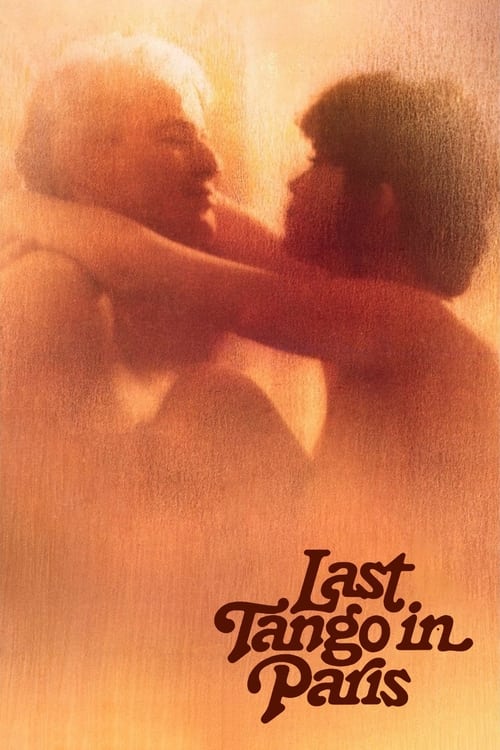
The roar of the overhead train in the opening sequence isn't just Parisian atmosphere; it’s the sound of a middle-aged man’s soul cracking wide open. You see Marlon Brando, looking every bit the weathered icon, standing under the steel tracks of the Bir-Hakeim bridge, screaming at the sky while a young woman glides past him. It’s a collision of two worlds—the decaying grandeur of Old Hollywood and the jagged, unapologetic edge of the New Wave. I watched this most recent time while wearing an old wool sweater that was slightly too itchy, which somehow made the protagonist's visible physical discomfort feel even more personal.
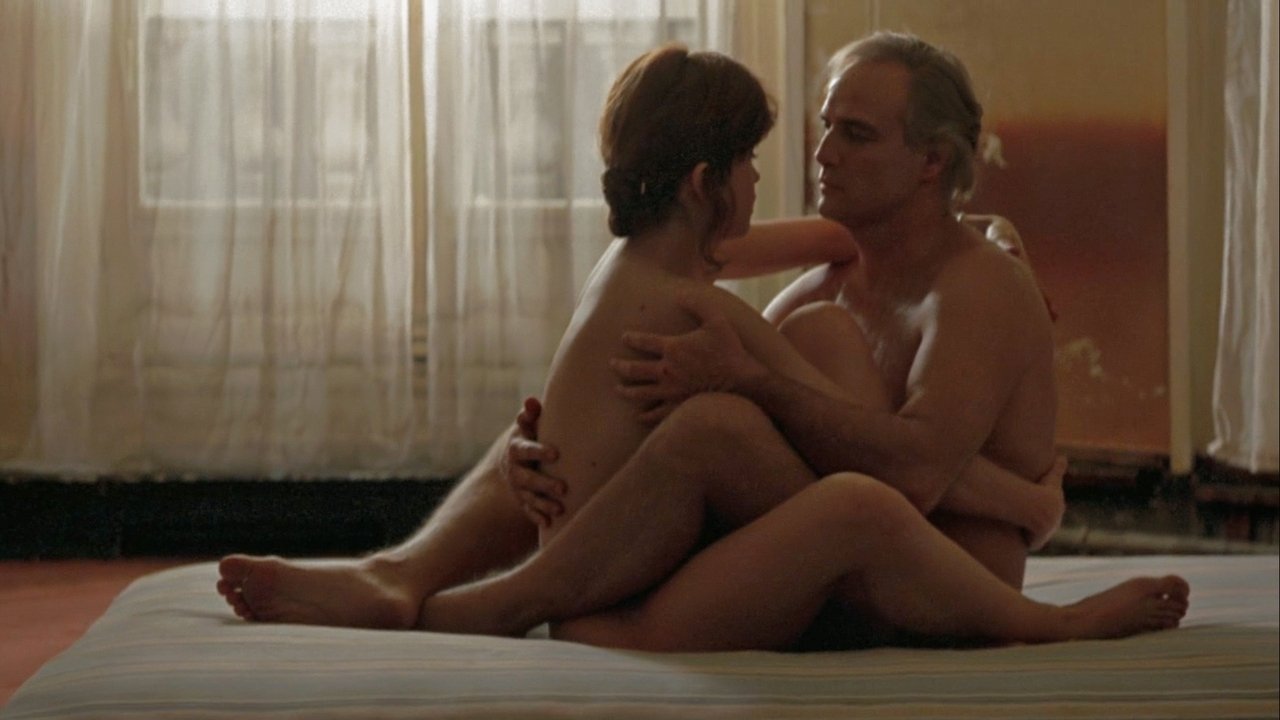
The Empty Room on Rue Jules Verne
The premise is deceptively simple, almost like a stage play that escaped into the streets of Paris. Paul (Marlon Brando), an American reeling from his wife's inexplicable suicide, meets Jeanne (Maria Schneider), a breezy Parisian twenty-something, while both are inspecting a vacant apartment. Without exchanging names or pleasantries, they fall into a feral, anonymous sexual relationship.
The apartment itself becomes the third lead character. Bernardo Bertolucci and his legendary cinematographer Vittorio Storaro (the man who gave Apocalypse Now its golden, hellish glow) drench the rooms in a sickly, beautiful orange. It’s a womb and a tomb all at once. There’s a distinct "indie" grit here despite the star power; with a budget of just $1.25 million, the production felt like a guerrilla operation. They shot in a real apartment with minimal furniture, letting the bare walls and the natural light do the heavy lifting. Brando essentially treats the camera like a priest in a confessional he doesn't believe in, mashing his face against the floor and mumbling through improvised monologues that felt far too real to be scripted.
Marlon’s Naked Confession
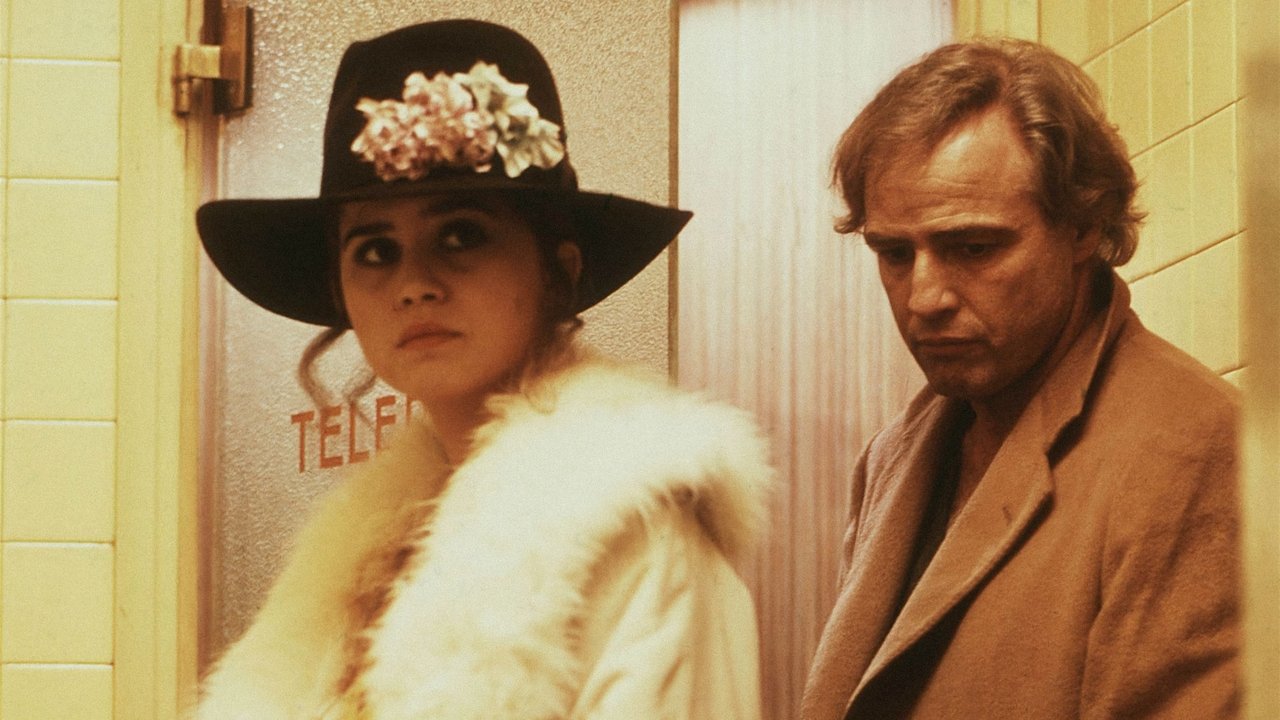
By 1972, Marlon Brando was supposed to be "difficult" and "washed up" before The Godfather saved him. In Last Tango, he isn't just acting; he’s exorcising. He refused to learn his lines, famously hiding cue cards on the backs of other actors or taping them to the furniture. While that sounds like a diva move, it creates this weird, halting rhythm in his speech that makes Paul feel utterly spontaneous and dangerous. When he talks about his childhood or his dead wife, you aren't watching a performance; you’re watching a man bleed out on screen.

Maria Schneider, only 19 at the time, has the unenviable task of matching that intensity. Her Jeanne is a fascinating counterpoint—full of youthful vanity and a desire for "experience" that she isn't quite prepared to handle. Her chemistry with Brando is magnetic but toxic. It’s a drama that relies entirely on the friction between these two bodies. If the performances didn't work, the movie would be a pretentious slog. Instead, it’s a high-wire act where you’re constantly waiting for someone to fall.
The Shadow Over the Tango
We have to talk about the "butter." You can’t discuss this film without acknowledging the controversy surrounding the scene involving Paul, Jeanne, and a stick of salted butter. For decades, it was the ultimate "did you hear?" trivia point in video stores, often used to sell the film as high-art pornography. However, the behind-the-scenes reality is much darker. Bertolucci admitted years later that the specific details of the scene were kept from Maria Schneider until the moment of filming to elicit a "real" reaction.
It’s a massive stain on the film’s legacy that forces you to reckon with the "art vs. artist" dilemma. I found myself viewing the film through a much more clinical, cynical lens this time around. The movie is undeniably a masterpiece of mood, but it was built on a foundation of genuine cruelty. That tension makes it a difficult watch, yet arguably more relevant now as we dissect the power dynamics of the era’s "Auteur" directors.

A Score for the Ages
If the visuals are the body of the film, Gato Barbieri’s score is its heartbeat. The Argentine saxophonist provides a soundtrack that is lush, soaring, and deeply melancholic. It’s the kind of music that makes you want to wander through a rainy city at 2:00 AM. It’s one of those rare scores that became a cult classic in its own right, often found in the jazz bins of record stores by people who had never even seen the movie.
The film’s journey to the home video market was its own saga. For years, the "X" rating (and later NC-17) meant the VHS box art usually just showed Brando’s face in close-up—a tactical move to hide the film's scandalous nature from casual browsers while signaling to the "serious" cinema fans that this was the real deal. It was a staple of the "Adult Drama" section, usually tucked away near the back of the store, whispered about by teenagers and analyzed by critics.
Last Tango in Paris is a haunting, uncomfortable, and visually staggering piece of cinema. It captures a specific moment in the early 70s where the boundaries of what could be shown—and what could be felt—were being torn down with a sledgehammer. It isn't a "fun" movie, and it doesn't offer the easy resolutions of a Hollywood romance. It’s a film about the messiness of grief and the futility of trying to hide from yourself in another person’s body. Even with the heavy baggage of its production, it remains a landmark of the New Hollywood era that demands to be seen, if only to understand how far we’ve come.

Keep Exploring...
-
The Last Emperor
1987
-
Guess Who's Coming to Dinner
1967
-
Cabaret
1972
-
Badlands
1974
-
Annie Hall
1977
-
Contempt
1963
-

The Umbrellas of Cherbourg
1964
-
Pierrot le Fou
1965
-
The Blue Lagoon
1980
-
Wings of Desire
1987
-
The Graduate
1967
-
Harold and Maude
1971
-
The Dreamers
2003
-
Don't Look Now
1973
-

On the Waterfront
1954
-
Belle de Jour
1967
-
In the Heat of the Night
1967
-
Easy Rider
1969
-

Midnight Cowboy
1969
-
Straw Dogs
1971