Solaris
"In deep space, your past finds you."

Most science fiction movies are obsessed with looking forward—sleek chrome, blinking lights, and the "what comes next" of human evolution. But when I sat down to watch Andrei Tarkovsky’s Solaris, I realized I wasn't looking at the future. I was looking into a mirror that hadn't been cleaned in thirty years. It’s a film that smells like damp earth and old library books, despite being set on a crumbling space station orbiting a sentient, liquid-nitrogen-colored planet.
I first tackled this beast on a double-VHS set I found in a rental shop that smelled faintly of carpet cleaner and desperation. Because the film runs a staggering 167 minutes, it was a two-tape commitment. I remember the tracking on the second tape was slightly off, making the sentient ocean of Solaris look even more like a shimmering, distorted glitch in reality. I watched it while eating a bowl of lukewarm Corn Flakes, and I managed to finish the entire box of cereal during the infamous five-minute Tokyo highway sequence before the plot even really left Earth.
The Most Haunted House in the Stars
The story follows Kris Kelvin (played with a wonderful, weary stoicism by Donatas Banionis), a psychologist sent to a space station to figure out why the skeleton crew has gone collectively insane. When he arrives, the station looks like a Victorian mansion that’s been shoved into a tin can. It’s cluttered, filthy, and haunted.
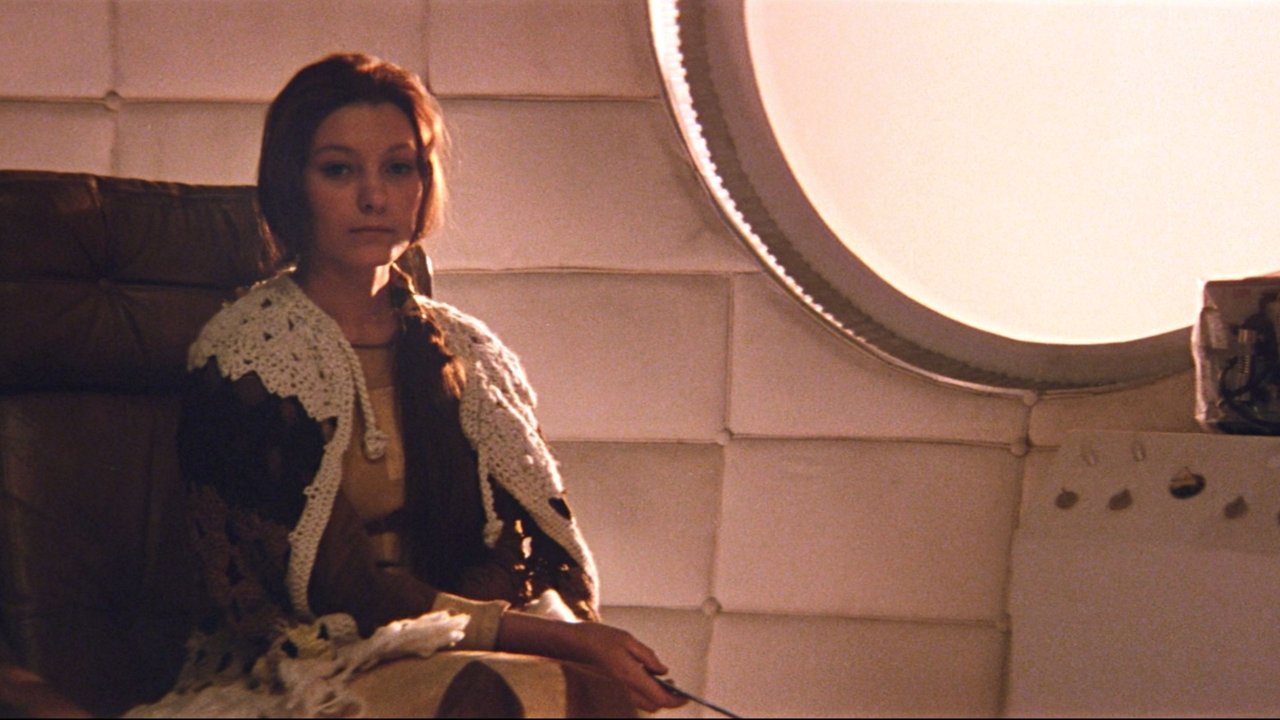
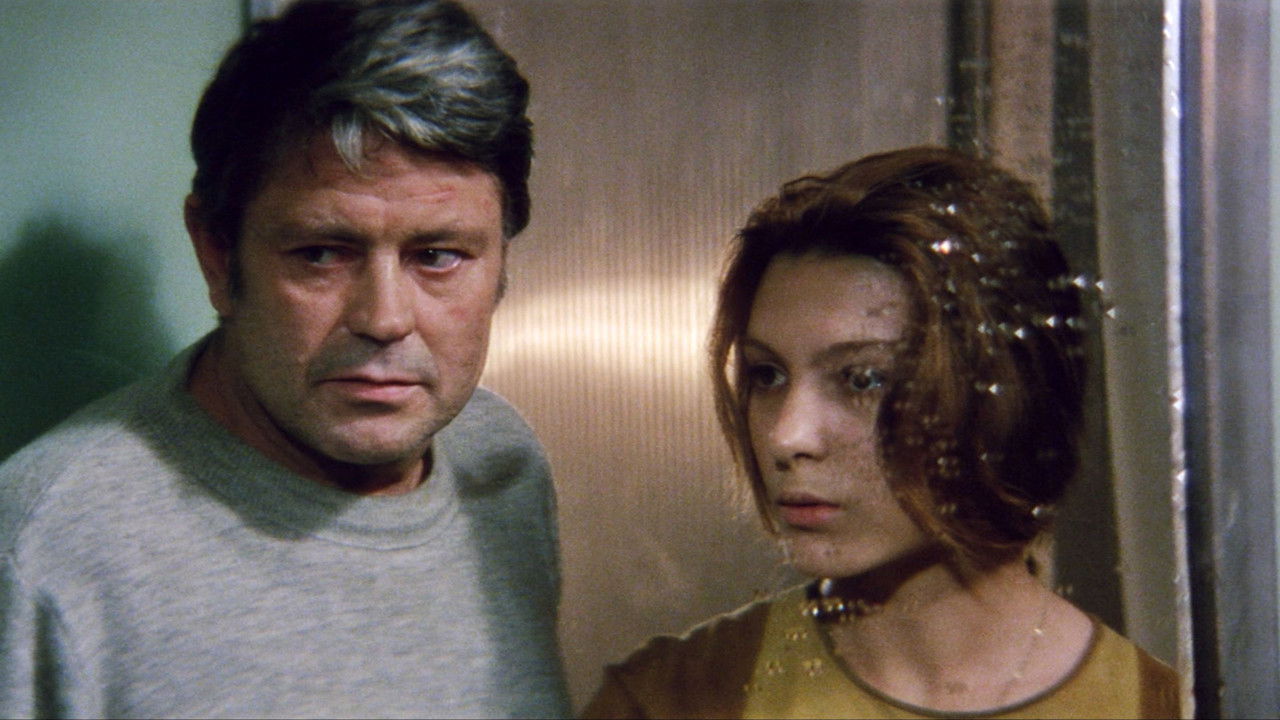
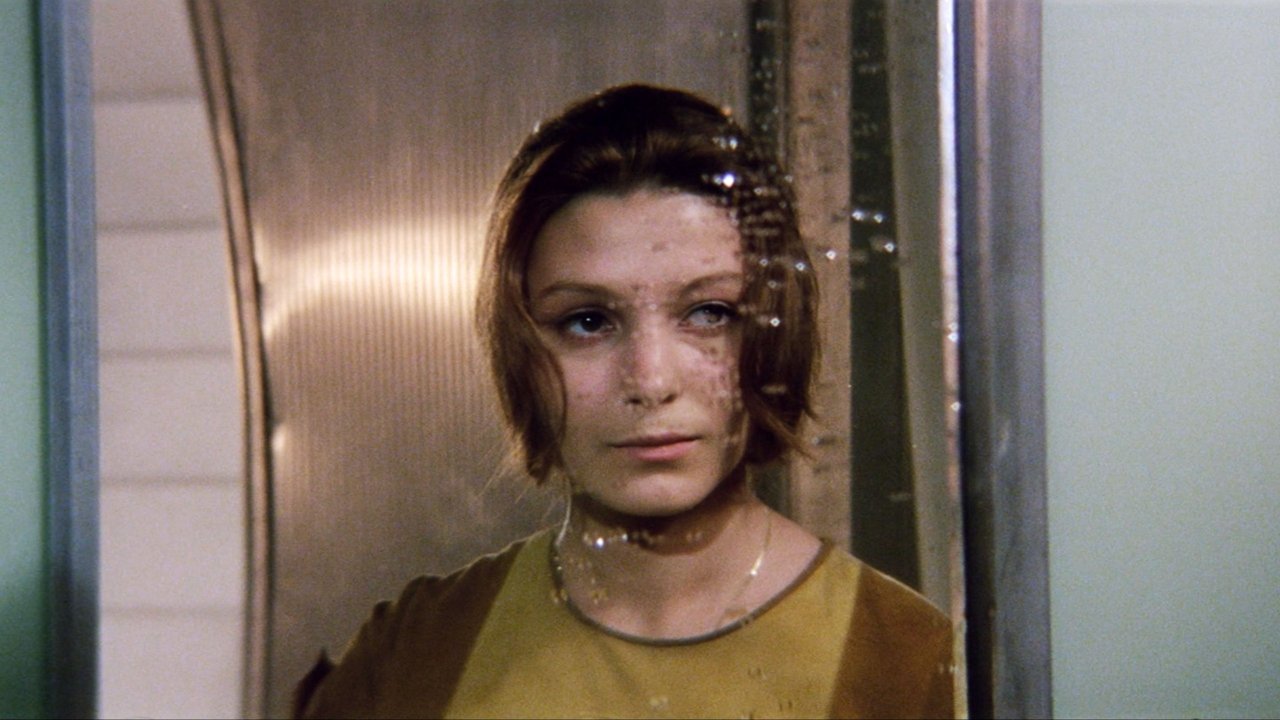
But the ghosts aren't transparent specters; they are "GUESTS." The planet Solaris is a giant, biological brain that reads the subconscious of the people above it and manifests their deepest shames into physical form. For Kelvin, that means his wife, Hari (Natalya Bondarchuk), who died by suicide years prior, suddenly appears in his cabin. She’s not a vision; she’s solid. She bleeds. She’s confused. And she is basically the ultimate cosmic guilt trip.
Natalya Bondarchuk gives a performance here that honestly puts most modern sci-fi acting to shame. She has to play a being that is slowly learning how to be human, moving from a vacant, doll-like state to a woman possessed by an agonizingly real soul. The scene where she drinks liquid oxygen just to see if she can die again is one of the most unsettling things I’ve ever seen on a CRT screen.
Practical Magic and Soviet Grime

While Hollywood was busy building the shiny Discovery One for Kubrick, Tarkovsky and his team were leaning into the "used universe" aesthetic before Star Wars made it cool. The station in Solaris feels damp. You can almost feel the humidity on the walls.
The effects are all gloriously practical. To create the weightless sequences, the crew didn't have fancy rigs; they often just used clever camera angles and wires that they desperately tried to hide in the shadows. But the real star is the score by Eduard Artemyev. He used an ANS synthesizer—a bizarre Soviet invention that converted drawings into sound—to create a soundscape that sounds like the planet is breathing. On a worn-out VHS tape, that low-frequency hum vibrates right in your marrow. It doesn't sound like music; it sounds like existential dread.
There’s a legendary bit of trivia about that long highway scene I mentioned. Tarkovsky went all the way to Tokyo just to film their modern overpasses because he wanted a "city of the future." Apparently, the Soviet authorities were annoyed he spent so much money just to film cars in tunnels, but Tarkovsky wanted the audience to feel the crushing weight of "civilization" before stripping it all away in the vacuum of space. It’s a bold, borderline arrogant directorial move that totally works if you’re willing to submit to the film’s hypnotic pace.
Why This Tape Stays in the VCR
Solaris is often called the Soviet answer to 2001: A Space Odyssey, but I’ve always found that comparison a bit lazy. Kubrick’s film is about the stars; Tarkovsky’s film is about the dirt we carry with us. It asks a terrifying question: If you could have the person you lost back, but they weren't exactly "them," would you keep them?

It’s a "heady" movie, sure, but it’s also a deeply emotional one. By the time we get to the final shot—which I won't spoil, but I will say it’s one of the greatest "gotcha" moments in cinema history—you feel like you’ve been through a psychological car wash.
If you’re used to the breakneck speed of modern Marvel movies, Solaris might feel like watching paint dry. But it’s the kind of paint that, once dry, reveals a map of your own heart. It’s a movie that rewards the patient, the grieving, and the curious. Just make sure you have a comfortable chair and maybe a fresh box of cereal.
In an era of disposable digital blockbusters, Solaris remains a towering achievement of "low-tech" imagination. It proves that you don't need a thousand CGI artists to create a world; you just need a haunting score, a few dirty corridors, and a deep understanding of human regret. It’s the kind of film that lingers in your mind long after the VCR has finished rewinding, making you look at your own reflection a little more closely than you did before.
Keep Exploring...
-
Stalker
1979
-
Mirror
1975
-

Andrei Rublev
1966
-
La Jetée
1962
-

Planet of the Apes
1968
-

High Plains Drifter
1973
-

Soylent Green
1973
-

All the President's Men
1976
-

The Tenant
1976
-
Harold and Maude
1971
-

Amarcord
1973
-

Fantastic Planet
1973
-
Cocoon
1985
-
Nineteen Eighty-Four
1984
-
Starman
1984
-

Enemy Mine
1985
-
Mississippi Burning
1988
-
La Dolce Vita
1960
-

The Hustler
1961
-

Harakiri
1962