The Discreet Charm of the Bourgeoisie
"Six guests, no dinner, and a very long walk."

I’ve spent a significant portion of my life waiting for tables in overpriced bistros, but I have never experienced a dining disaster quite like the one Luis Buñuel serves up in The Discreet Charm of the Bourgeoisie. There is a specific kind of panicked hunger that sets in when a reservation goes sideways, and this film captures that anxiety, then stretches it into a surreal, comedic marathon. I first watched this on a flickering CRT television while eating a bowl of cold cereal because my own stove had died, and honestly, the sheer irony of my situation made the film even funnier.
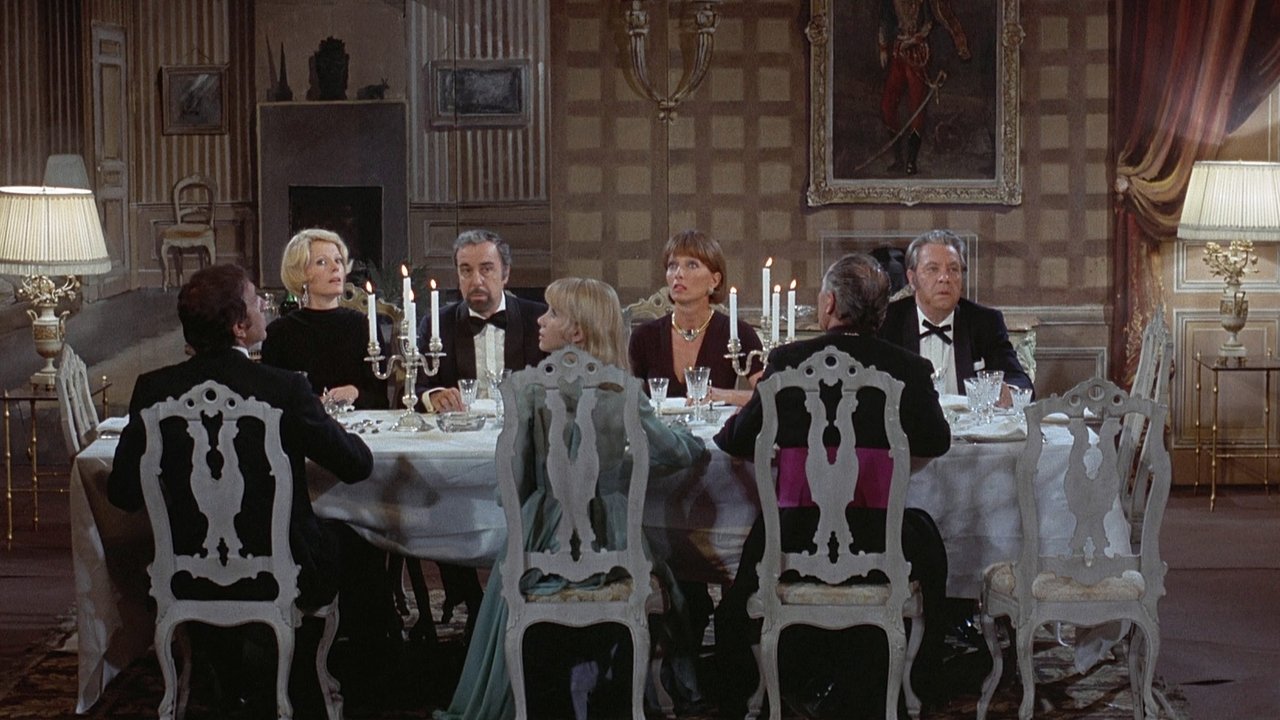
Released in 1972, this was Buñuel’s late-career victory lap. While the "New Hollywood" brats like Coppola and Friedkin were busy reinventing the gritty American epic, the 72-year-old Spanish master was in France, showing everyone that you didn’t need a massive budget or a car chase to melt an audience’s collective brain. He just needed six wealthy friends, a series of increasingly bizarre interruptions, and a total lack of interest in traditional logic.
The Infinite Loop of Appetizers
The premise is deceptively simple: a group of upper-class socialites—including the suave Fernando Rey (who you’ll recognize as the villain from The French Connection) and the ethereal Delphine Seyrig—gather for dinner. However, they never actually get to eat. Every time they sit down, something happens. Sometimes it’s a mundane misunderstanding about the date. Other times, the French army arrives for maneuvers and decides to bivouac in the dining room. Occasionally, they find themselves on a stage in front of a live audience, realizing their dinner was actually a play they forgot to rehearse.
The comedic timing here isn't based on punchlines; it’s based on the sheer, stubborn politeness of the rich in the face of total insanity. Whether they are being interrupted by a ghost or a sudden military coup, they remain obsessed with their social standing. Buñuel is essentially poking a silver-plated stick at the ruling class, and the result is a satire that feels as sharp today as it did fifty years ago. The chemistry between the leads is vital; they play the absurdity with such straight faces that you begin to question your own sanity along with theirs.
A Masterpiece on a Shoestring
What’s truly impressive about The Discreet Charm is its status as a genuine indie triumph. Despite looking like a million bucks—thanks to the lush, colorful cinematography of Edmond Richard—the film was produced on a relatively modest budget of $800,000. It was a "passion project" in the truest sense, born from the long-standing collaboration between Buñuel and screenwriter Jean-Claude Carrière. They supposedly spent weeks in remote hotels, essentially daring each other to come up with weirder scenarios that still felt vaguely plausible.
The film went on to win the Oscar for Best Foreign Language Film, a moment that provided its own bit of Buñuelian comedy. When asked by reporters about his chances of winning before the ceremony, Buñuel jokingly told them he’d already paid $25,000 for the trophy. When he actually won, people were outraged, thinking he was serious. He wasn't, of course; he just knew that the only thing funnier than a joke is a joke that people take literally.
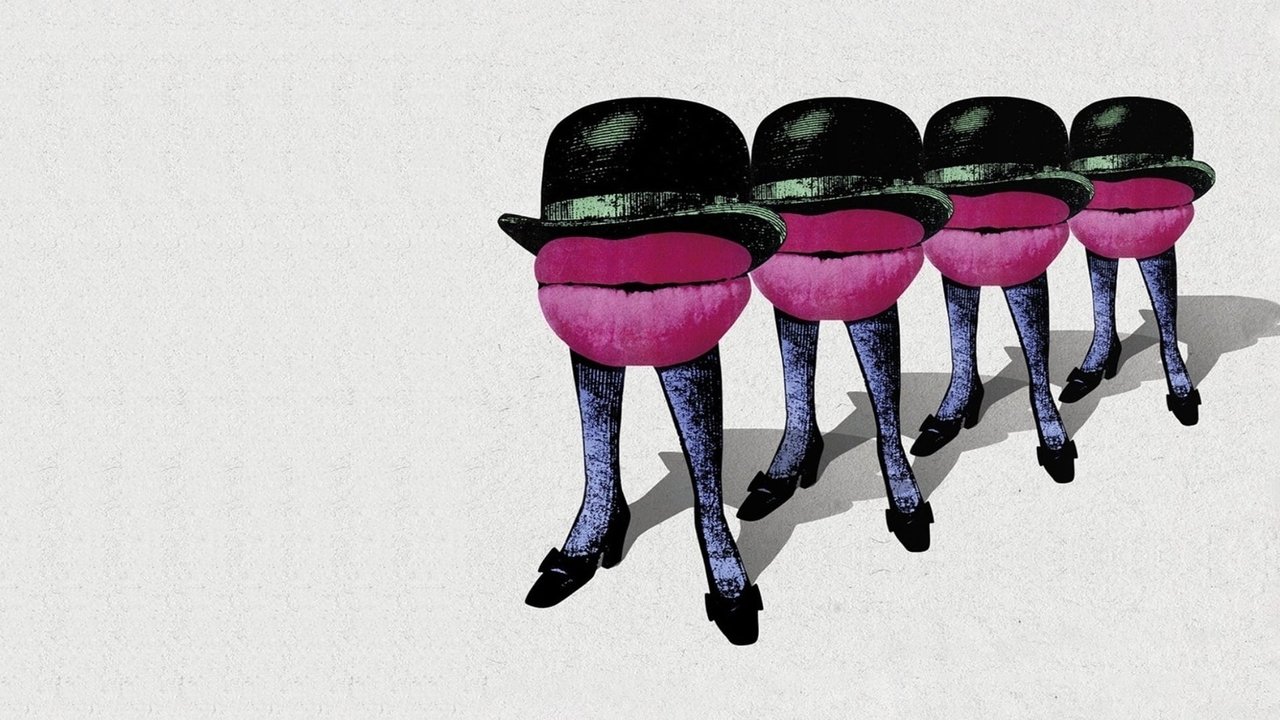
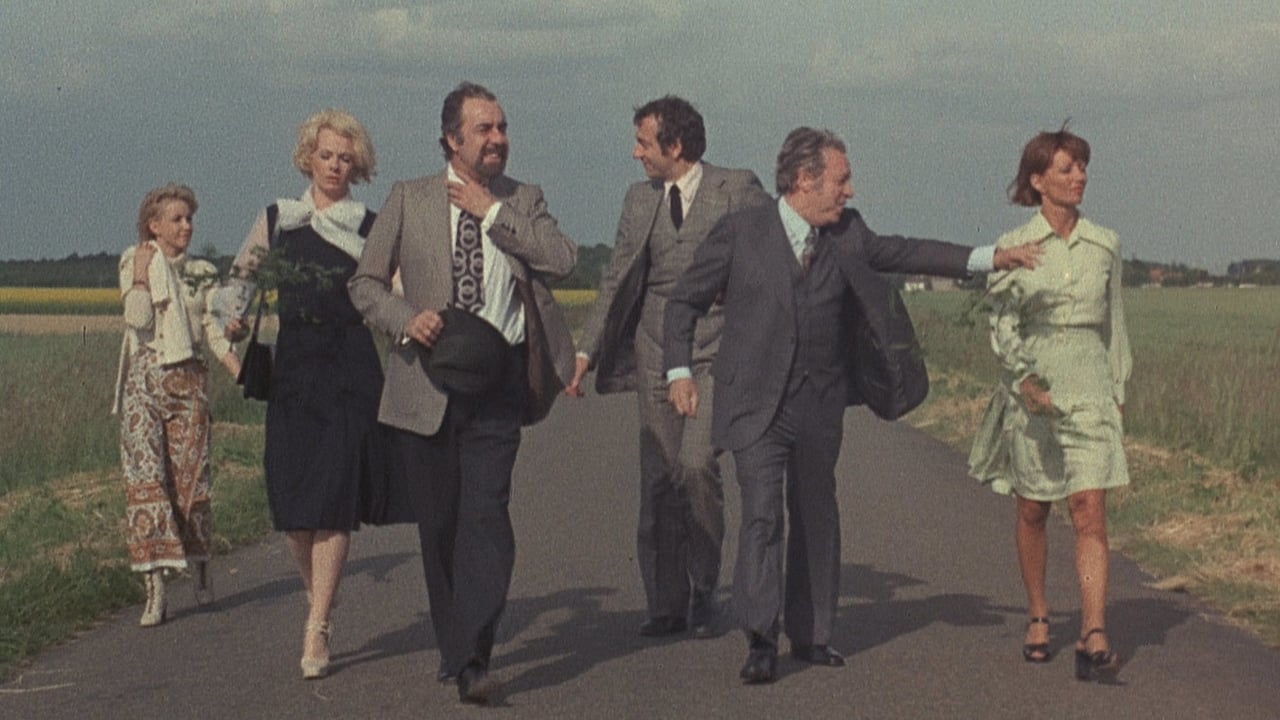
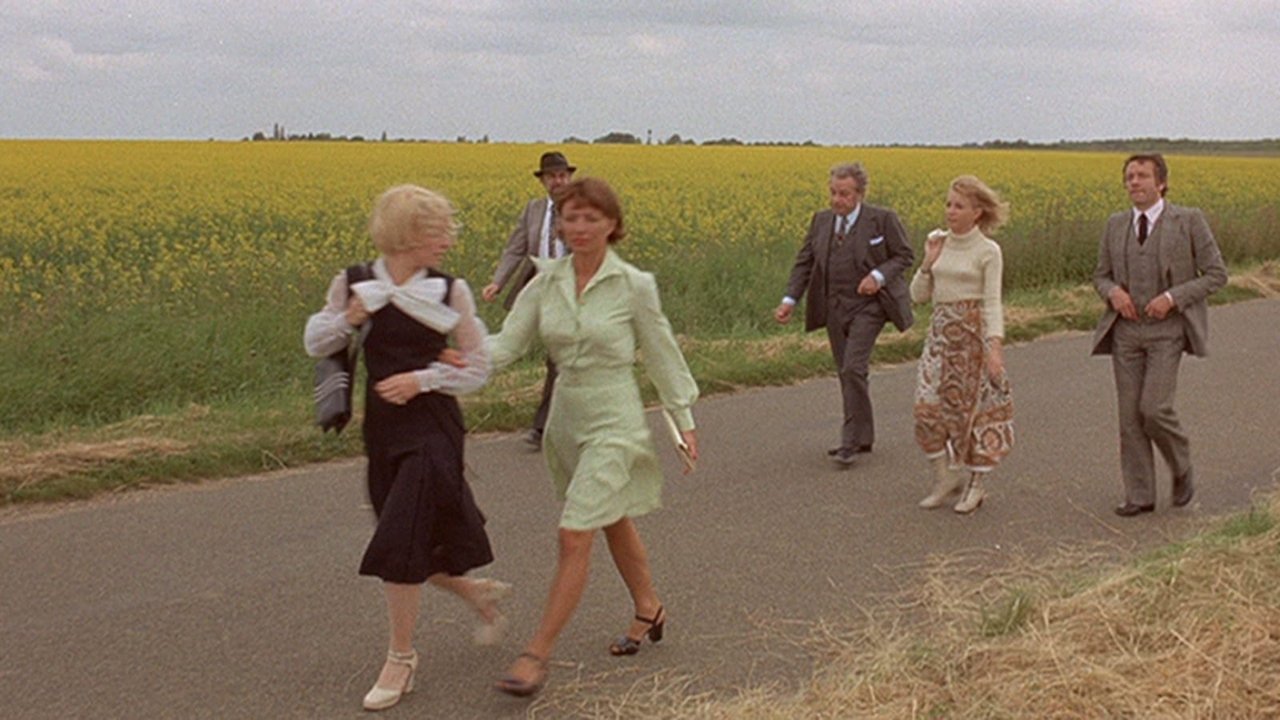
By the time this hit the VHS market in the late 70s and 80s, it became a staple of the "Foreign Film" section at every respectable mom-and-pop video store. I remember the specific box art—the close-up of the red lips with a tiny woman perched on them—which promised something far more erotic than the actual film delivered. But for the college kids and cinephiles of the Reagan era, renting this was a rite of passage. It was the kind of tape you’d watch until the tracking went fuzzy, trying to figure out if the recurring shot of the six characters walking down a desolate highway was a dream, a metaphor, or just Buñuel messing with us.
The Art of the Dry Martini
If you’re a fan of practical filmmaking, you have to appreciate the sequence where Fernando Rey’s character, Don Rafael, gives a detailed tutorial on how to make the perfect dry martini. It’s a moment of pure, uninterrupted character work that feels like it was ad-libbed on the spot. Apparently, Buñuel was a martini fanatic in real life, and he insisted the scene be shot with the reverence of a religious ritual.
The film’s structure—or lack thereof—is what makes it so rewatchable. Because it drifts in and out of dreams (and dreams within dreams), you can jump into it at almost any point and find something to marvel at. It’s a comedy that trusts its audience to keep up. It doesn't explain the jokes, and it certainly doesn't explain why a colonel's ghost is telling a story about his childhood in the middle of a cocktail party. It just happens. If you're looking for a plot that makes sense, you're in the wrong neighborhood.
In an era of cinema where every "quirky" comedy feels like it was written by a committee to be "relatable," The Discreet Charm of the Bourgeoisie remains a glorious anomaly. It is a film that celebrates the unpredictable and the absurd while looking absolutely smashing in a tuxedo. It’s the perfect reminder that sometimes the most radical thing a director can do is refuse to give the characters—or the audience—exactly what they’re craving. You’ll leave the film hungry, but your brain will be absolutely stuffed.
Keep Exploring...
-
Belle de Jour
1967
-
The Producers
1968
-

Willy Wonka & the Chocolate Factory
1971
-
Everything You Always Wanted to Know About Sex *But Were Afraid to Ask
1972
-
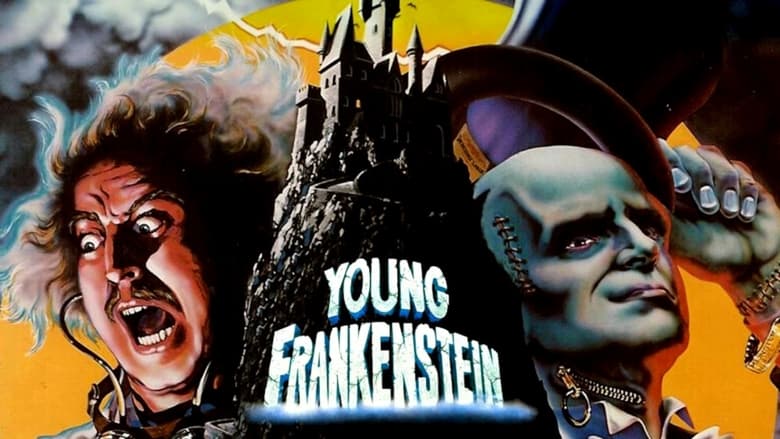
Young Frankenstein
1974
-
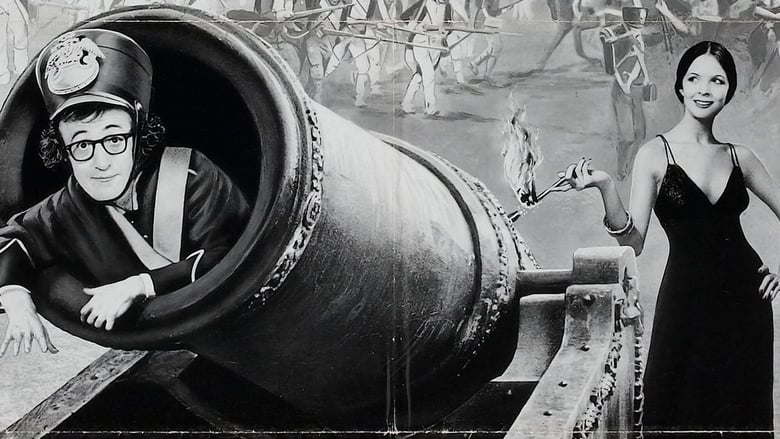
Love and Death
1975
-

Monty Python and the Holy Grail
1975
-
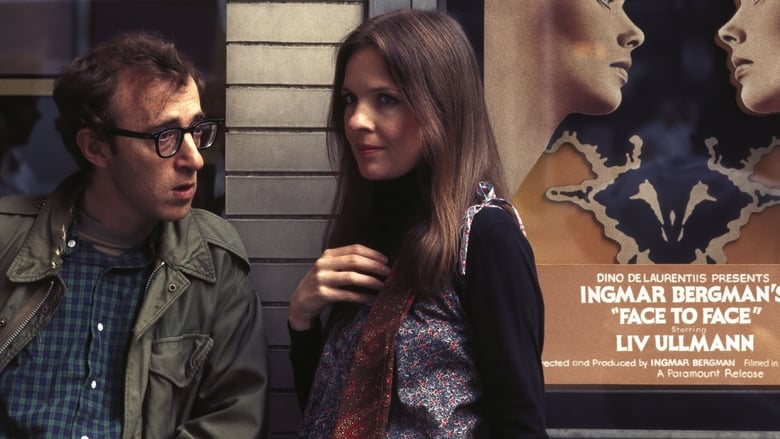
Annie Hall
1977
-

Un Chien Andalou
1929
-
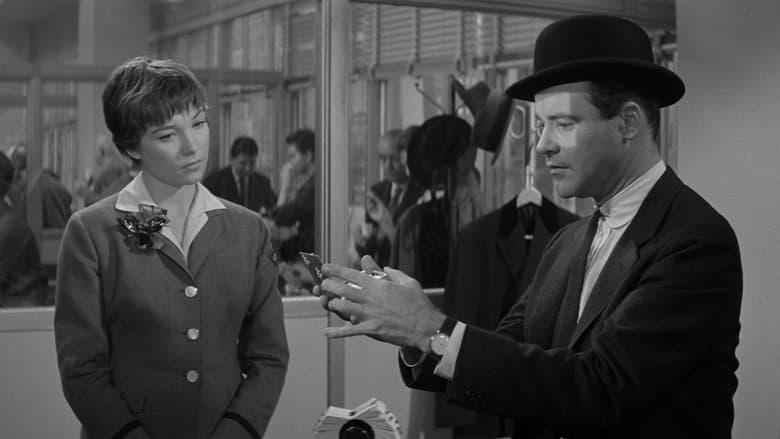
The Apartment
1960
-

Lolita
1962
-
Dr. Strangelove or: How I Learned to Stop Worrying and Love the Bomb
1964
-
How the Grinch Stole Christmas!
1966
-

Life of Brian
1979
-

A Christmas Story
1983
-
Police Academy
1984
-

This Is Spinal Tap
1984
-
After Hours
1985
-
Police Story
1985
-

Re-Animator
1985