The Godfather
"A somber, bone-chilling descent into the rotting heart of the American Dream."
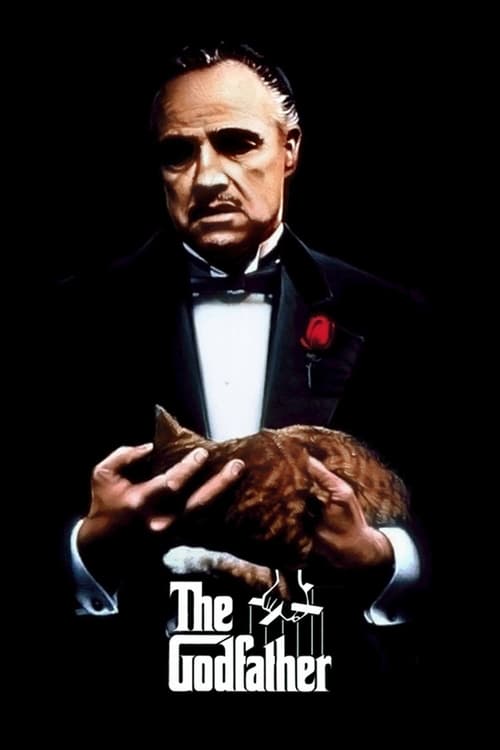
The first time I sat down with The Godfather, I wasn't in a grand cinema or a plush screening room. I was huddled in a basement on a Tuesday night, nursing a lukewarm cup of instant coffee that had a weird filmy skin on top, trying to ignore the rhythmic thumping of a dryer in the next room. You’d think the domestic mundanity would kill the mood, but within ten minutes, the world outside that basement ceased to exist.
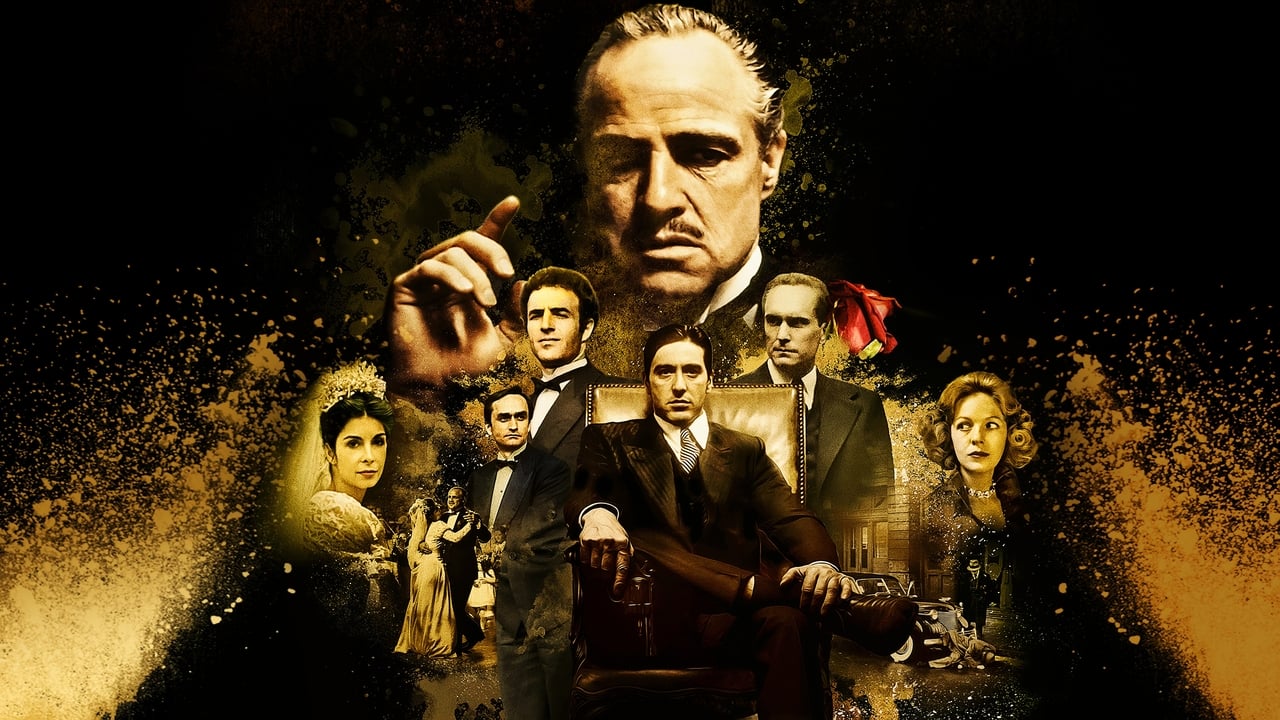
Francis Ford Coppola didn't just make a crime movie; he built an altar to the 1970s New Hollywood movement. Before this, "mob movies" were often pulpy, fast-talking B-pictures. The Godfather arrived with the weight of an opera and the texture of a funeral. It’s a film that demands you sit in the dark and feel the oxygen leave the room.
The Prince of Darkness and the Paramount Power Struggle
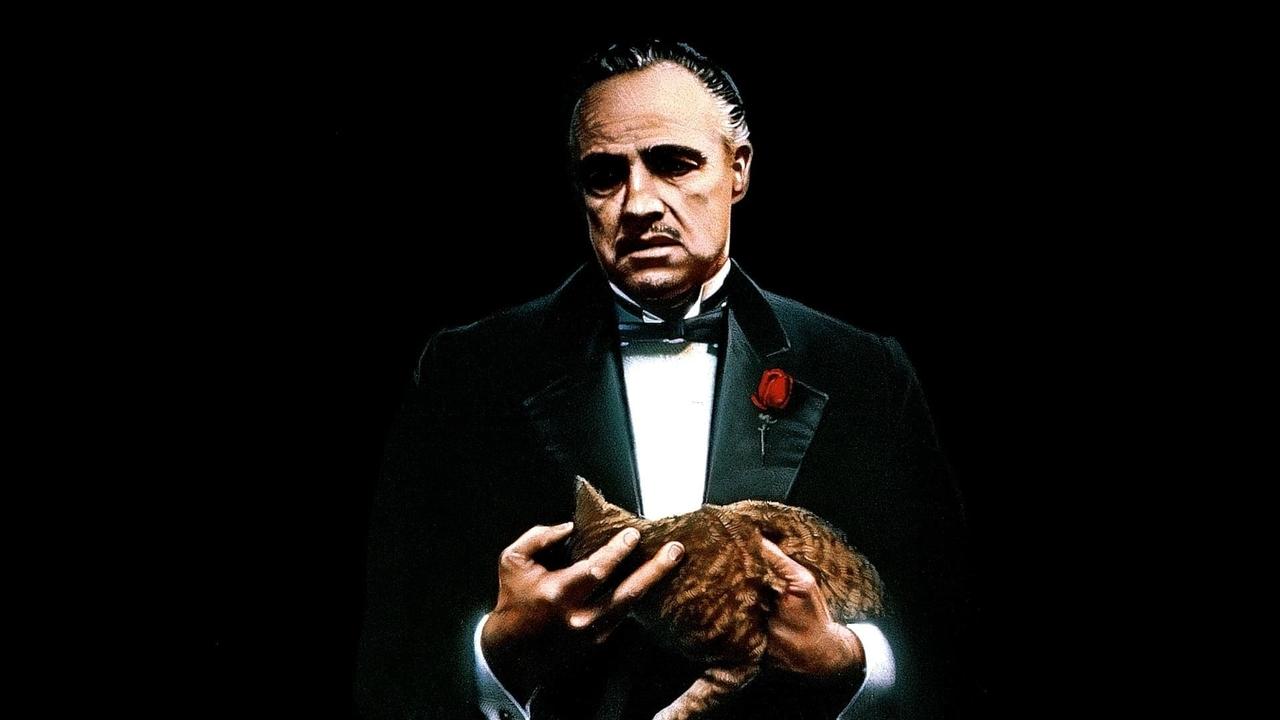
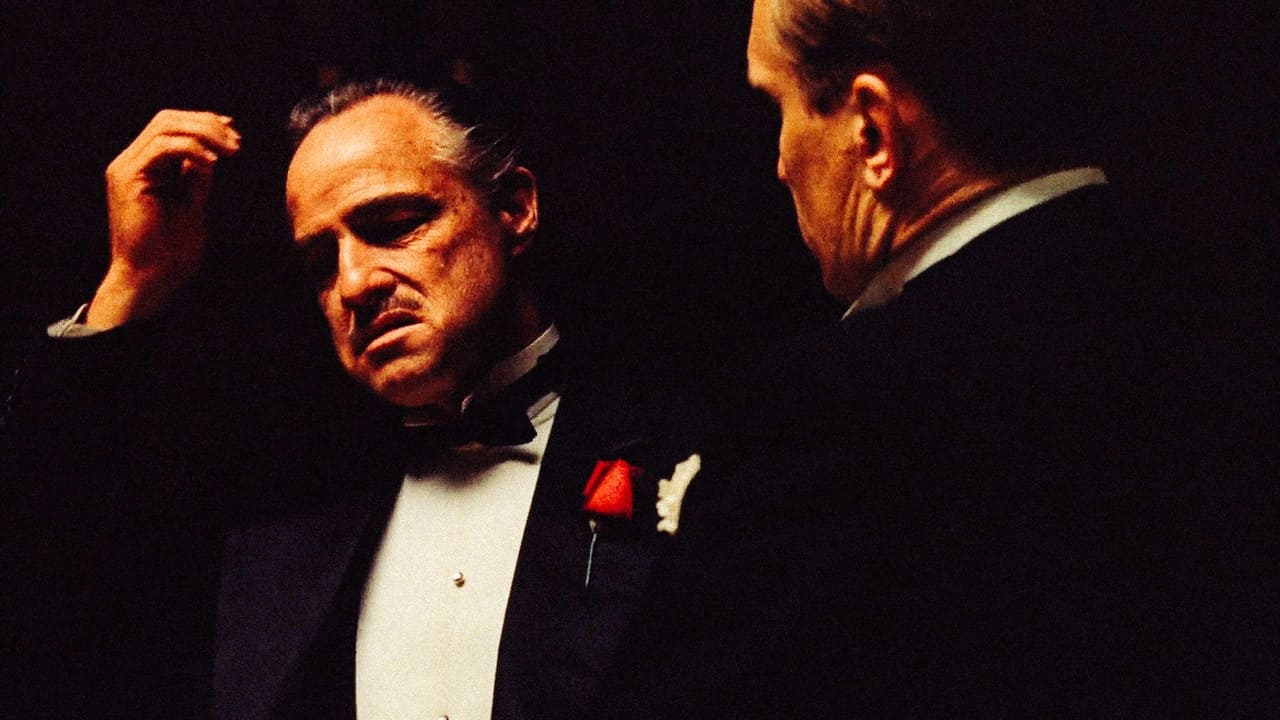
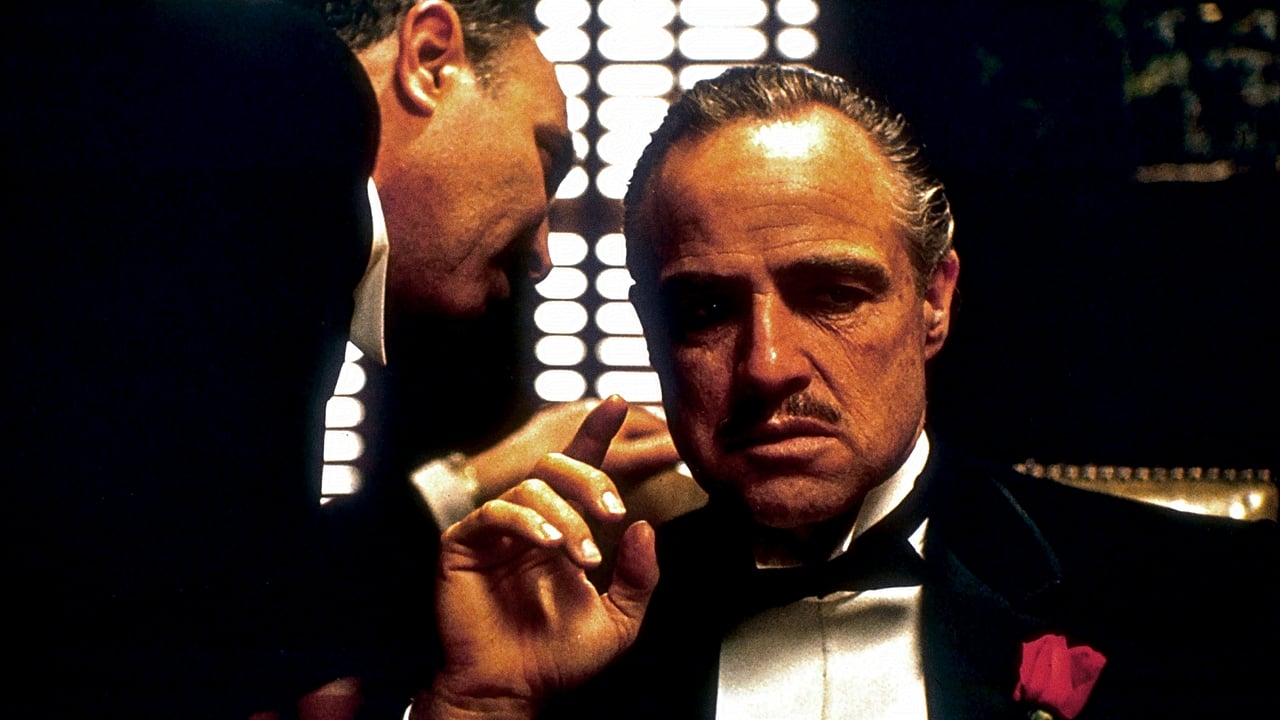
There’s a specific gloom to this film that I’ve never seen replicated. Cinematographer Gordon Willis—nicknamed "The Prince of Darkness"—did something radical for 1972: he kept the lights off. Paramount executives were reportedly terrified, worried the film was literally too dark to see. But that shadow is the film’s soul. When we first meet Marlon Brando as Don Vito Corleone, his eyes are often lost in deep sockets of black. You don't look at the Don; you peer into the void he inhabits.
Watching it now, I’m struck by how much Coppola fought to keep the film from becoming a generic action flick. The studio wanted it "zippy." Coppola gave them a slow-burn tragedy. He insisted on the 1940s period setting when the suits wanted a "contemporary" 70s vibe to save money. If the studio had won, we’d have a forgotten relic instead of a pillar of world cinema. It makes every other mob movie look like a high school play.
A Masterclass in Internal Devastation
While Marlon Brando gets the lion's share of the iconic quotes—the raspy whisper, the "offer he can't refuse"—the movie belongs to Al Pacino. His transformation from the wide-eyed Michael, the war hero who wants nothing to do with the "family business," to the cold-blooded shark at the end is the most terrifying thing about the film.
I always find myself holding my breath during the Louis Restaurant scene. The sound of the overhead train screeching, the way Pacino’s eyes dart around, the sweat on his brow—it’s not just a scene about a hit; it’s a scene about a soul being extinguished. By the time Diane Keaton (as Kay Adams) watches that office door close on her at the end, Michael isn't a man anymore. He’s a monument to isolation. The chemistry between the ensemble is terrifyingly precise; James Caan provides the hot-blooded fire as Sonny, while Robert Duvall offers the chilling, bureaucratic ice as Tom Hagen.
The VHS Legacy and the Orange Theory
For those of us who grew up in the era of physical media, The Godfather was the ultimate "shelf-prestige" item. Owning the chunky VHS box set felt like owning a piece of history. I remember my father’s tapes were so well-loved that the tracking would go haywire during the baptism sequence—a scene where the editing (handled by William Reynolds and Peter Zinner) creates a horrific juxtaposition between holy water and a hail of bullets.
One of the great joys of home viewing was the ability to pause and play detective. This is where the "Orange Theory" gained its cult status. Have you ever noticed that whenever an orange appears on screen, someone is about to die or suffer a near-miss? From the fruit stand where Vito is shot to the segments on the dinner table, these splashes of citrus act as a grim reaper in the production design. It’s the kind of detail that turns a casual viewer into a lifelong obsessive.
Awards, Acclaim, and the Score That Lingers
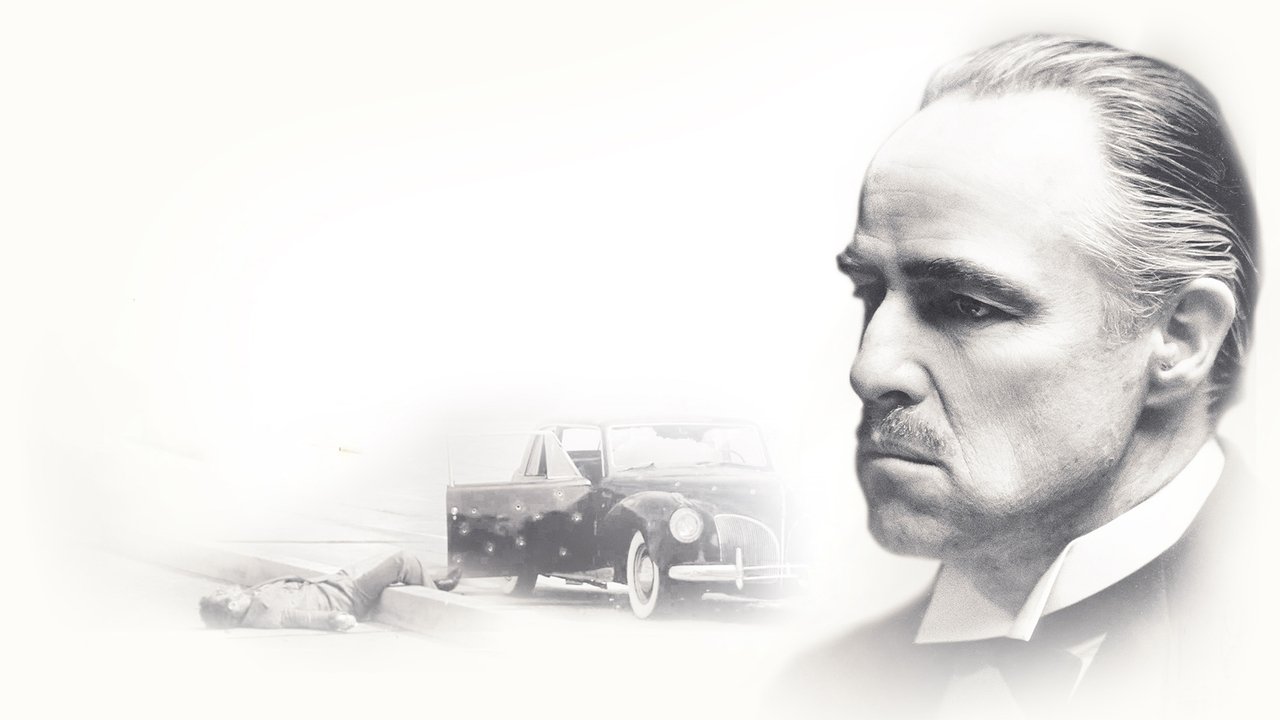
It’s easy to forget how much of a "prestige" juggernaut this was. It walked into the 45th Academy Awards and walked away with Best Picture, Best Adapted Screenplay, and Best Actor for Marlon Brando (though he famously refused the award). It was a moment where the "art house" sensibilities of the New Hollywood directors finally conquered the box office.
And then there is Nino Rota’s score. That lonely trumpet melody is etched into our collective DNA. It manages to sound both nostalgic and deeply mournful, like a lullaby played at a wake. It’s the sound of a family sticking together while they tear the world apart.
Even at 175 minutes, there isn't a single frame of filler. Every wedding toast, every whispered negotiation, and every bowl of pasta (I still try to follow Clemenza’s sauce recipe, though I always burn the garlic) serves to build a world that feels more real than our own. It’s a dark, heavy, and beautiful experience that reminds me why I fell in love with movies in the first place.
The Godfather remains the gold standard for American drama because it refuses to be simple. It’s a film about the American Dream that suggests the dream is actually a nightmare of our own making. Whether you're watching it for the first time or the fiftieth, it’s a cinematic ritual that never loses its power to haunt you long after the credits roll.
Keep Exploring...
-
The Godfather Part II
1974
-
The Godfather Part III
1990
-

Apocalypse Now
1979
-

The Conversation
1974
-
Chinatown
1974
-
Dog Day Afternoon
1975
-

Taxi Driver
1976
-
The Outsiders
1983
-
Scarface
1983
-

Once Upon a Time in America
1984
-
Stand by Me
1986
-

Papillon
1973
-
The Sting
1973
-
The Rainmaker
1997
-
Cool Hand Luke
1967
-
Barry Lyndon
1975
-
Le Samouraï
1967
-
Rosemary's Baby
1968
-
The Deer Hunter
1978
-
Blade Runner
1982