The Poseidon Adventure
"Survival is the only prayer that matters."
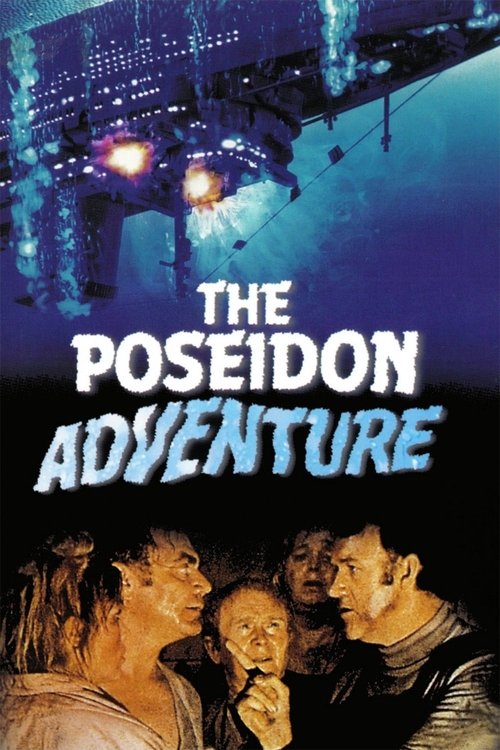
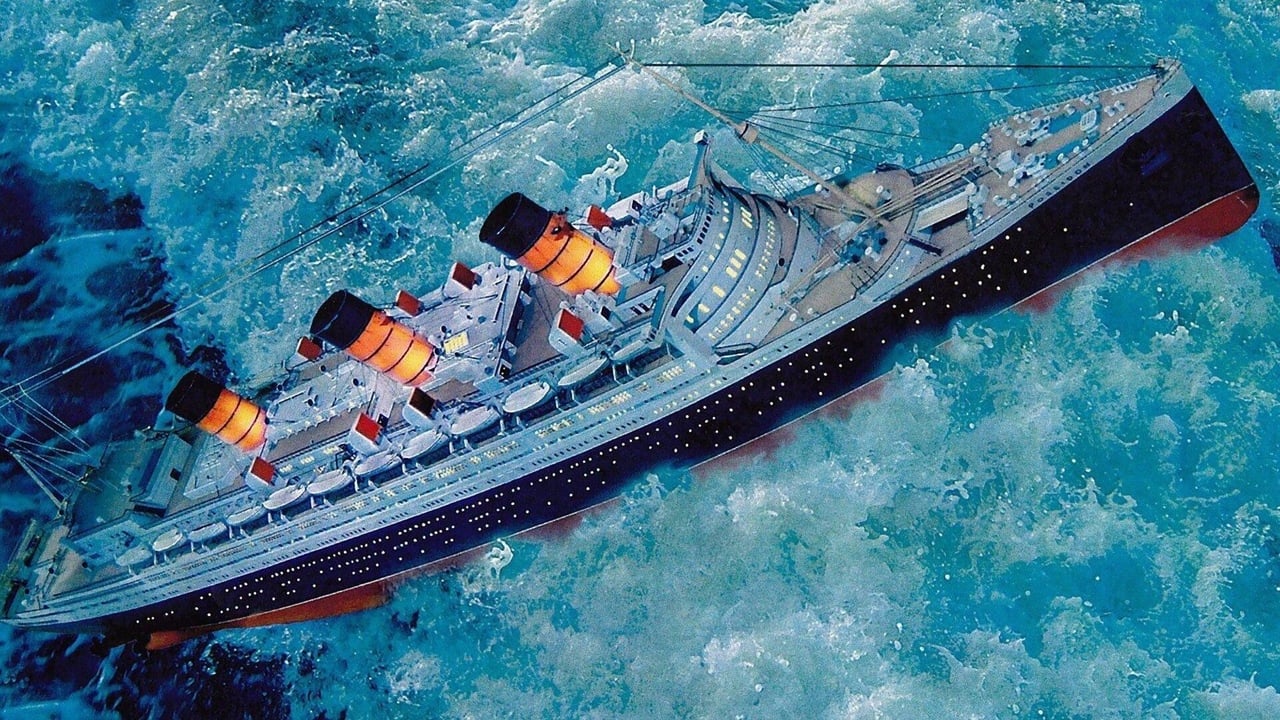
The 1970s was a decade defined by a very specific kind of cinematic sweat. Before the era of sanitized, green-screen blockbusters, Hollywood had a brief, glorious obsession with putting A-list Oscar winners into increasingly miserable, life-threatening situations and filming the results with unflinching grit. The Poseidon Adventure isn't just the blueprint for the disaster movie craze that followed; it’s a surprisingly mean-spirited, high-stakes drama that feels more like a survivalist nightmare than a popcorn flick.
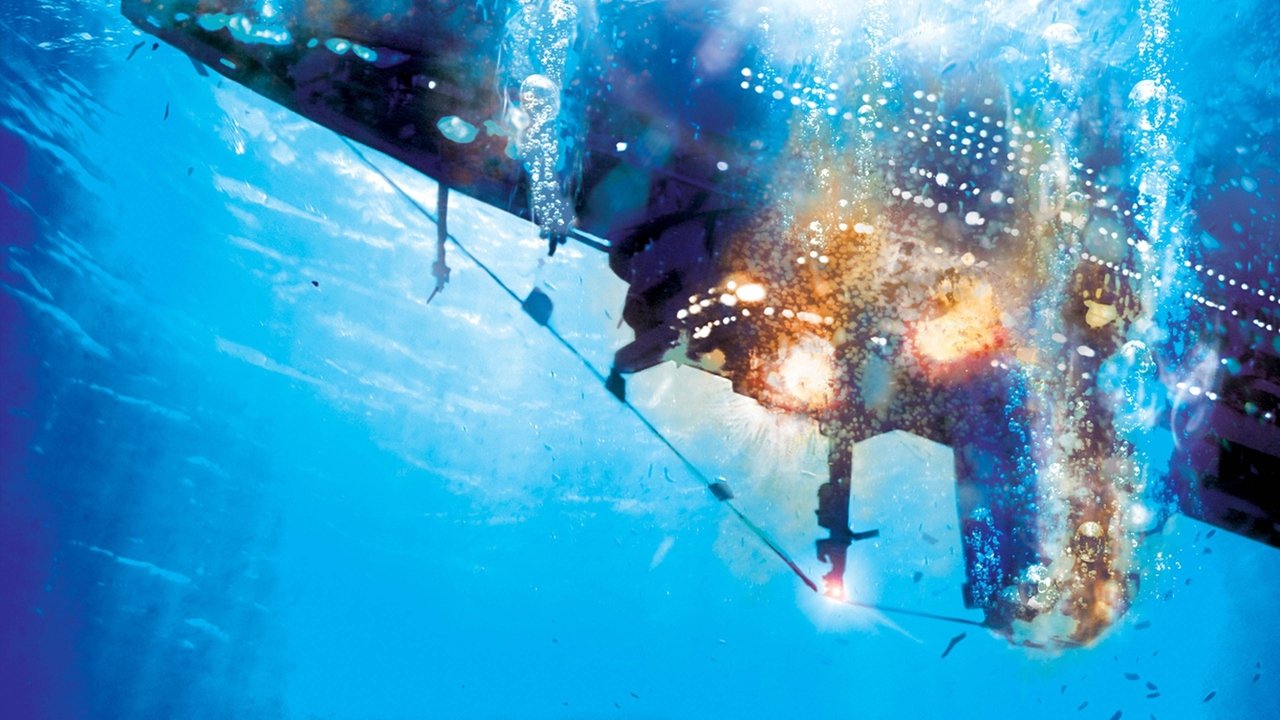
I recently rewatched this while nursing a lukewarm cup of peppermint tea and a mild case of food poisoning, and I can confirm that the Dutch angles and tilting sets did absolutely nothing to settle my stomach. If anything, the physical discomfort of the viewing experience felt strangely appropriate for a film that wants you to feel every bruise, every singed eyebrow, and every gallon of salt water.
The Gospel According to Reverend Scott
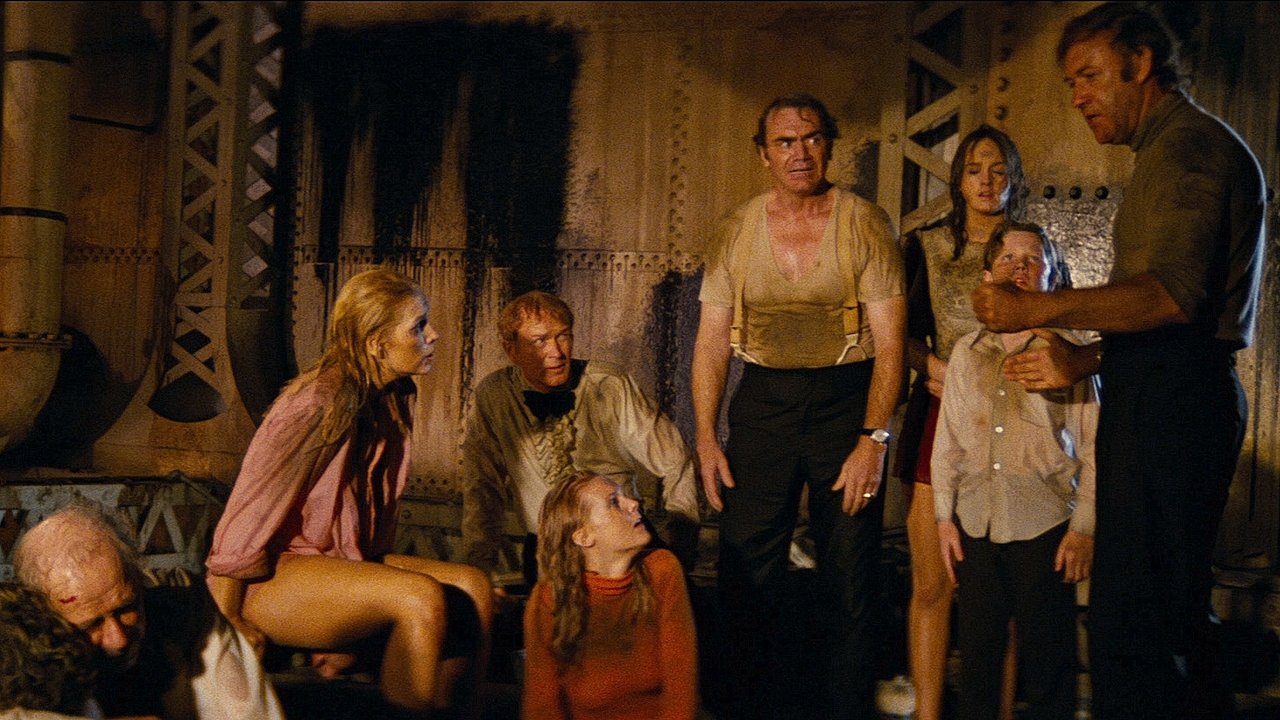
At the center of this floating catastrophe is Gene Hackman’s Reverend Scott. If you’re expecting a gentle shepherd leading his flock with hymns and platitudes, you’ve got the wrong guy. This is 1970s Gene Hackman—the man who basically patented the "angry, sweating intellectual" archetype. His Scott is a theological rebel who tells his congregation that God doesn't help those who pray, but those who have the "guts" to help themselves.
It’s a fascinating, prickly performance that anchors the film’s darker themes. When the SS Poseidon is hit by a rogue wave on New Year’s Eve and capsizes, Scott becomes a Darwinian Moses, leading a small group of survivors up toward the "bottom" of the ship. His primary antagonist isn't just the rising water; it’s Ernest Borgnine’s Mike Rogo. Borgnine plays Rogo like a pressure cooker with a broken valve, a loudmouthed cop who represents the cynical, reactive antithesis to Scott’s proactive fury. The shouting matches between these two are legendary. It’s been said that Hackman and Borgnine didn't exactly get along on set, and you can see that genuine friction in every scene. They aren't just acting; they are trying to out-shout the actual apocalypse occurring around them.
A Masterclass in Practical Vertigo
What makes The Poseidon Adventure still feel remarkably intense today—decades after CGI made "impossible" spectacles routine—is the sheer physicality of the production. Producer Irwin Allen and director Ronald Neame didn't have the luxury of digital sets. When you see the survivors climbing a massive, decorated Christmas tree to reach the galley, you're looking at actors navigating a genuine, oversized prop on a set that was built to be destroyed.
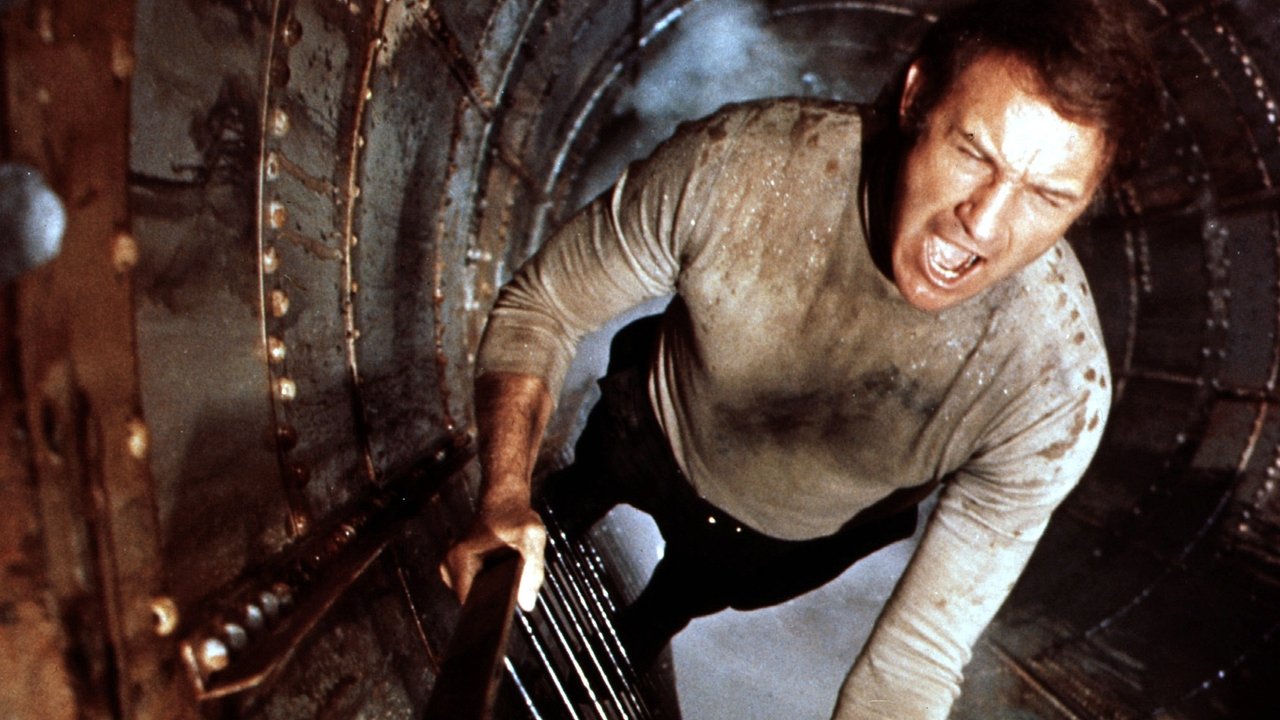
The production design is a triumph of practical ingenuity. The "upside-down" sets are more than just a gimmick; they create a pervasive sense of wrongness that heightens the tension. Tables are bolted to the ceiling; light fixtures sprout from the floor. It’s a literal subversion of the world that forces the characters—and the audience—to constantly reorient themselves. There’s a scene involving a long climb up a vertical shaft that feels genuinely perilous because, in 1972, the stunts were often as dangerous as they looked. Shelley Winters, who plays the retired swimmer Belle Rosen, famously put herself through physical hell for the role, gaining weight and performing her own underwater stunts. Her performance provides the film’s emotional heartbeat, turning what could have been a caricature into a tragic, heroic figure.
The Grim Reality of the Golden Age
While the 1980s would eventually turn disaster movies into campy spectacles, The Poseidon Adventure retains the cynical edge of New Hollywood. It is surprisingly comfortable with the "Dark" modifier. Characters you like die suddenly and unceremoniously. There is no guarantee of safety for the virtuous, and the film doesn't shy away from the screams of those left behind in the ballroom.
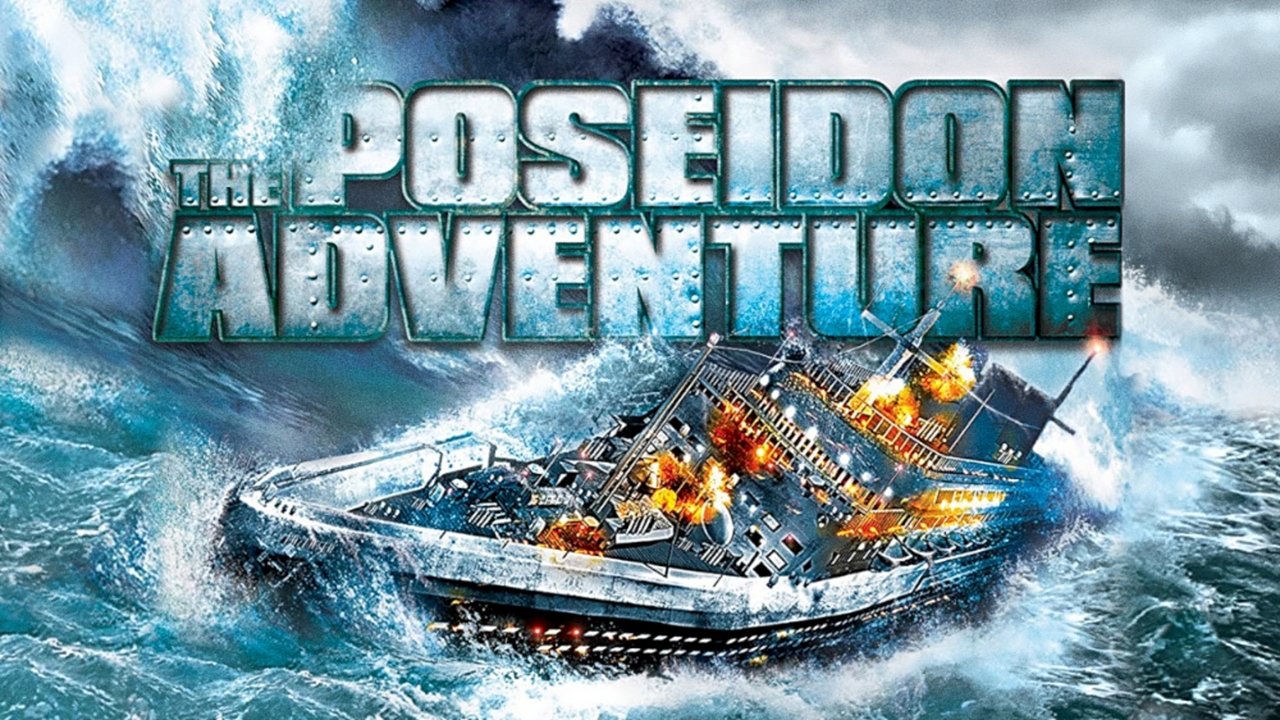
For those of us who grew up in the VHS era, the box art for this movie was a staple of the "Action/Drama" section. I remember the specific weight of that oversized plastic clamshell case at the local rental place. Interestingly, the old "pan and scan" VHS versions of the film actually added a layer of claustrophobia that the widescreen theatrical release lacks. On a square CRT television, you couldn't see the exits; you were trapped in the frame with Hackman and his increasingly bedraggled crew. It turned the film into a 117-minute panic attack.
The film also benefits from a score by a young John Williams, who was still a few years away from Jaws and Star Wars. Here, his music is less about sweeping heroics and more about the groaning, metallic dread of a dying ship. It’s an atmospheric, percussive work that emphasizes the "Hell" in the film’s famous tagline.
The Poseidon Adventure remains the gold standard of the disaster genre because it understands that the "disaster" is only as interesting as the people trying to survive it. It balances big-budget spectacle with the kind of character-driven friction that modern blockbusters often trade for quips and explosions. Even if you know who makes it to the end, the journey through the guts of the ship is a grueling, rewarding piece of cinema history that demands to be taken seriously.
It’s a film that asks what you would do when the world turns upside down, and it doesn't offer any easy answers. It’s loud, it’s sweaty, and it’s occasionally heartbreaking. But more than anything, it’s a testament to a time when Hollywood wasn't afraid to let its heroes be as exhausted and angry as the audience watching them. Grab some popcorn, but maybe skip the heavy meal before hitting play.
Keep Exploring...
-
Deliverance
1972
-
Mississippi Burning
1988
-

The Towering Inferno
1974
-
All the President's Men
1976
-
Marathon Man
1976
-
The Tenant
1976
-
In the Heat of the Night
1967
-
Le Samouraï
1967
-
The Dirty Dozen
1967
-
Butch Cassidy and the Sundance Kid
1969
-
Chinatown
1974
-
Jaws
1975
-
Blood Simple
1985
-
The Count of Monte Cristo
2002
-

Yojimbo
1961
-
Rosemary's Baby
1968
-
Dog Day Afternoon
1975
-
The Killer
1989
-
Batman vs. Robin
2015
-
Bullitt
1968