The Way of the Dragon
"In the shadow of the Colosseum, a god becomes a man."
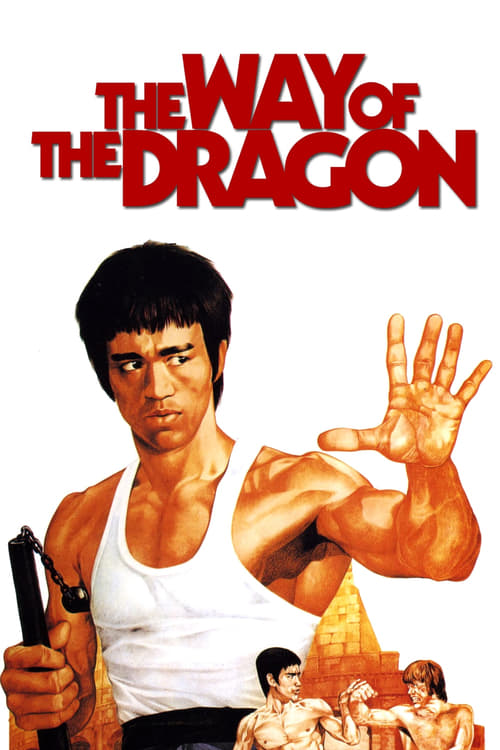
The first time I saw Bruce Lee on a screen, it wasn't in a theater or on a high-def stream; it was a grainy, nth-generation VHS copy with a tracking line that stuttered every time someone took a roundhouse to the head. I watched it while eating a lukewarm bowl of leftover spaghetti that had achieved a structural integrity similar to drywall, and yet, I couldn't look away. There is a raw, electric magnetism to The Way of the Dragon that survives even the worst technical presentation. It’s the sound of a man who finally had the keys to the kingdom and decided to drive the car exactly how he wanted—even if that meant taking a detour through some surprisingly goofy comedy before landing in one of the most somber finales in action history.
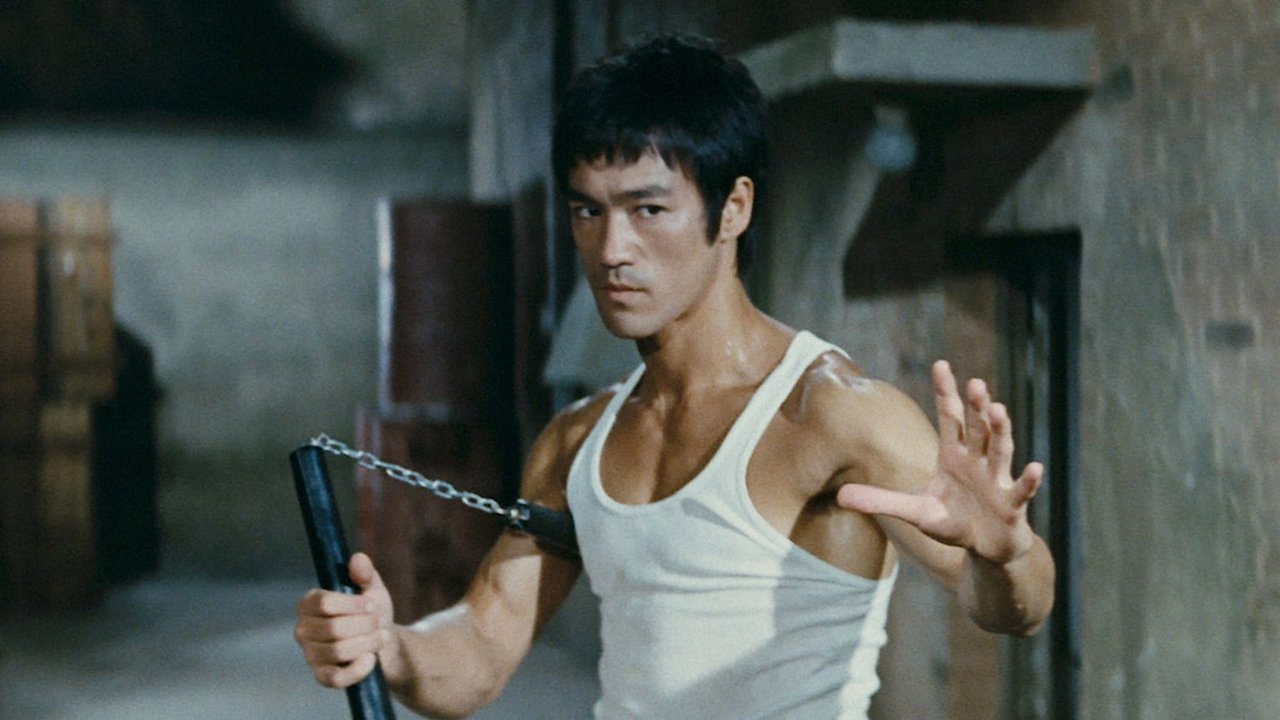
The Guerrilla King of Rome
While most people remember this as "the one where Bruce fights Chuck Norris," I’m always struck by how much of a DIY passion project this actually was. By 1972, Lee was frustrated with the rigid studio system in Hong Kong. He wanted control, so he co-founded Concord Productions to produce this himself. With a measly budget of about $130,000—roughly what a modern blockbuster spends on flavored water for the catering tent—Lee flew a small crew to Rome and basically invented the "indie action" blueprint.
They didn't always have permits. In fact, many of the shots around the Colosseum were filmed guerrilla-style, with the crew hiding cameras in bags to avoid the local authorities. That scrappiness bleeds into the film’s DNA. Lee isn't just the star; he’s the writer, the director, the producer, and he even reportedly played the percussion on the score. It’s a total auteur vision. He plays Tang Lung, a country bumpkin sent to Italy to help a family friend (Nora Miao) protect her restaurant from a local syndicate. The early scenes are pure fish-out-of-water slapstick—Tang Lung struggling with Italian menus and airport bathrooms—which makes the eventual explosion into violence feel even more startling.
Choreography as Character Arc
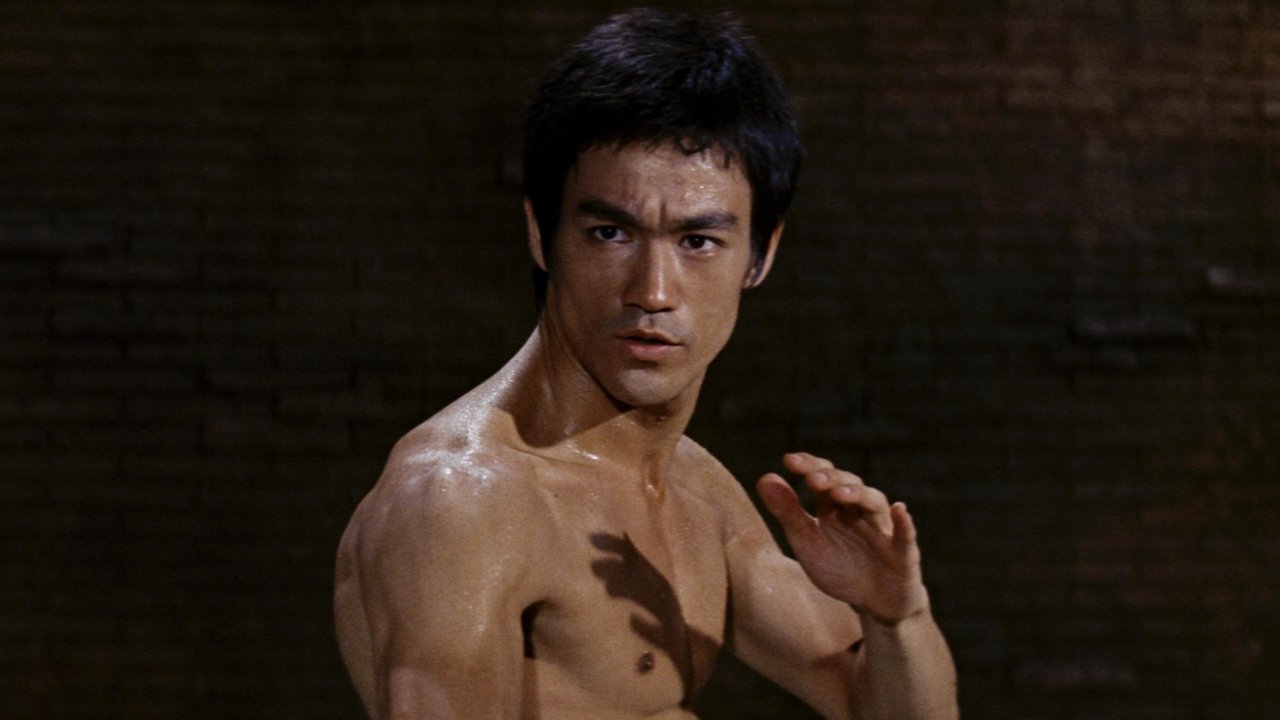
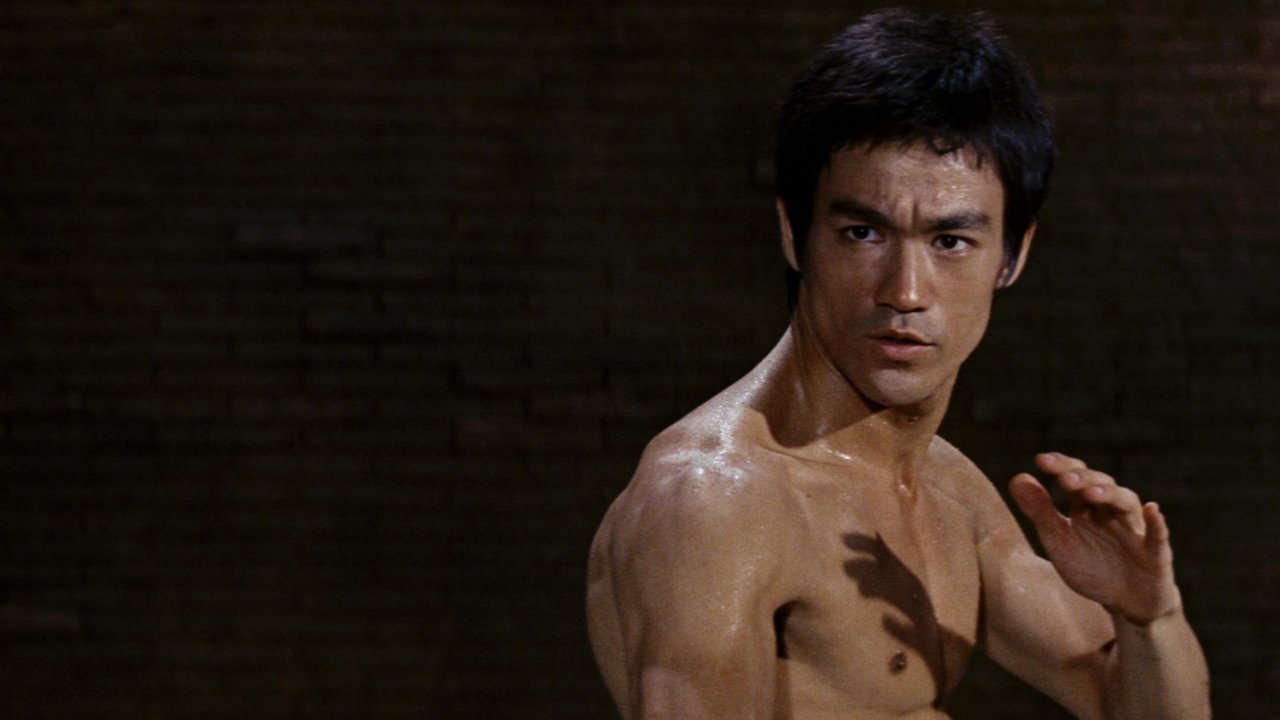
The action here isn't just "content" meant to fill time between plot points. Lee, who had already displayed his speed in The Big Boss (1971) and Fist of Fury (1972), uses The Way of the Dragon to showcase his philosophy of Jeet Kune Do. He wanted to show that being rigid is a death sentence. When he faces off against the mob’s thugs, his movements are fluid, almost teasing. He uses two pairs of nunchaku with a speed that makes the frame rate of the film look like it’s struggling to keep up.
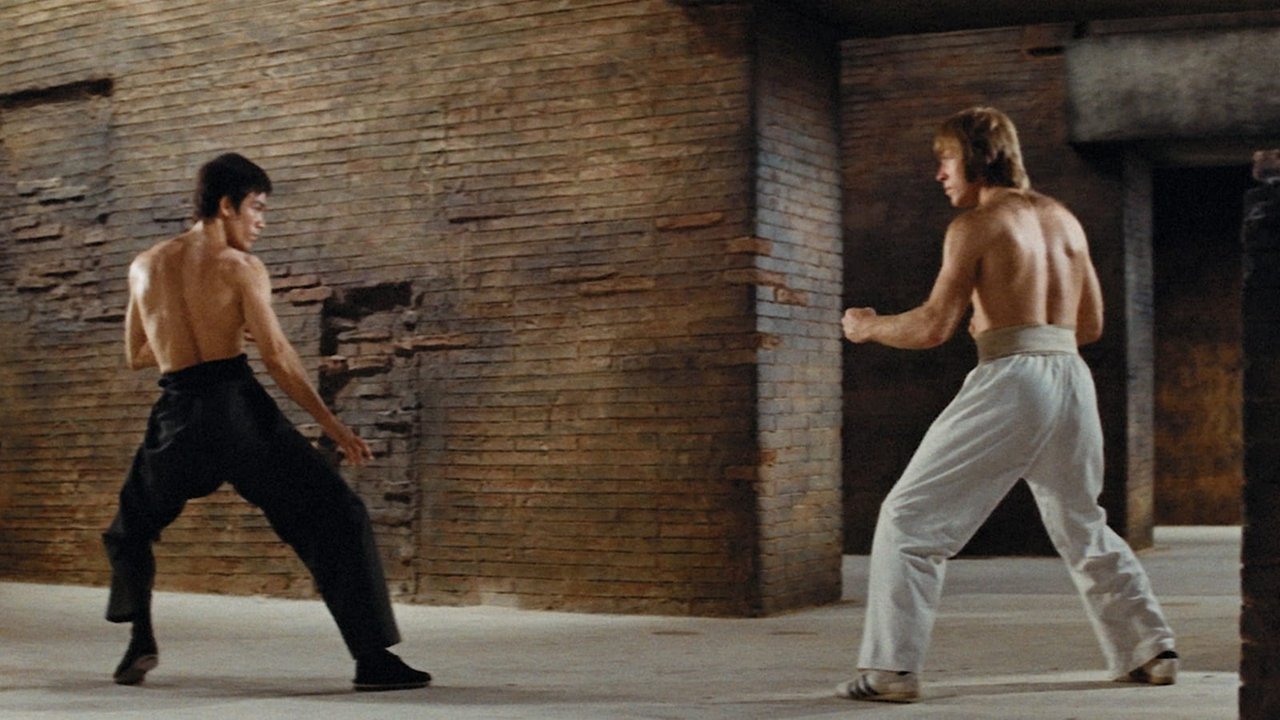
But the film's reputation rests entirely on the final twenty minutes. When the "boss" realizes his local goons can't stop Tang Lung, he flies in the big guns: a world-class martial artist named Colt, played by a then-unknown Chuck Norris. This was Norris’s film debut, and despite the memes that have turned him into a cartoon of invincibility over the last forty years, he is genuinely imposing here.
The fight inside the Colosseum is a masterclass in pacing. There is no music. There are no fast cuts or shaky-cam tricks to hide a lack of skill. It is just two men, the sound of their breathing, and the rhythmic thud of bone on flesh. Lee directs this sequence with a reverence for the stakes involved. It’s not a "cool" fight; it’s an exhausting, grueling chess match. Watching Chuck Norris get his chest hair pulled out is the exact moment the 70s peaked, but the brilliance is in how Lee adapts. He stops trying to match Colt’s power and starts using his own superior mobility to dismantle him.
The Weight of the Kill
For a film that starts with jokes about "cat meat" and awkward social encounters, the ending is surprisingly dark and heavy. This is where the "Dark/Intense" modifier of Lee’s directorial style shines. Most 70s action movies ended with the hero walking into the sunset while a brassy theme song played. The Way of the Dragon ends with a funeral.
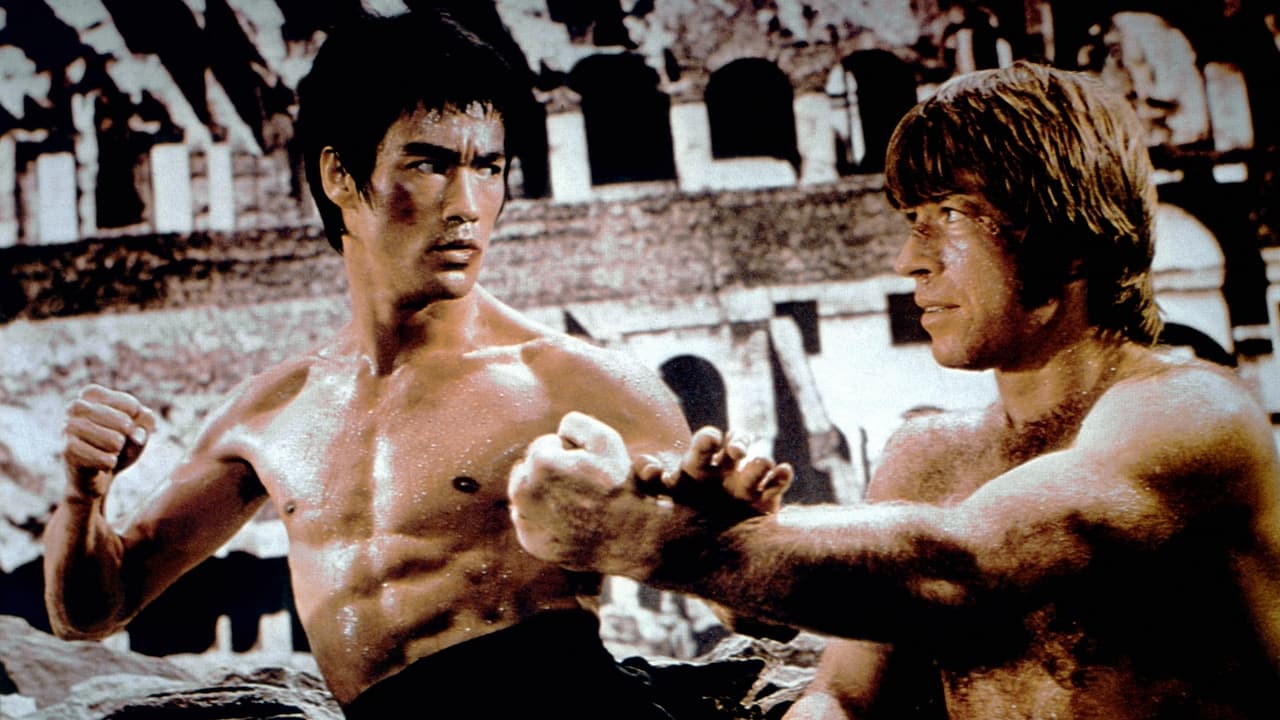
After Tang Lung defeats Colt, there is no celebration. He covers the fallen warrior with his own karate gi and places his black belt over him. It’s a moment of profound respect for a dead adversary that elevates the film from a standard revenge flick to something approaching a Greek tragedy. Tang Lung has saved the restaurant, but he has also been forced to take lives and witness the betrayal of people he trusted, like the "Uncle" Wang played by Huang Tsung-Hsun.
The final shot of Tang Lung walking away, alone, as the narrator muses on the lonely path of the martial artist, sticks with you. It’s a reminder that Lee wasn't just interested in being an action star; he was trying to communicate the spiritual cost of violence. Even when I revisit this now, far removed from that flickering VHS tape and my questionable pasta choices, that final walk feels just as weighty. It’s a testament to a man who knew exactly what he wanted to say, and had the sheer physical will to make the world listen.
Ultimately, The Way of the Dragon is the purest distillation of Bruce Lee’s screen persona. It balances his charm, his humor, and his terrifying physical prowess in a way his later, more polished films never quite captured. It’s a movie that feels like it was made by hand, with all the sweat and grit that implies. If you can handle a little 70s camp in the first act, you’ll be rewarded with one of the most significant pieces of action cinema ever committed to celluloid.
Keep Exploring...
-
Fist of Fury
1972
-
Dirty Harry
1971
-
Assault on Precinct 13
1976
-
The French Connection
1971
-
Death Wish
1974
-
Bullitt
1968
-

Magnum Force
1973
-
Marathon Man
1976
-
In the Heat of the Night
1967
-
Straw Dogs
1971
-
Mean Streets
1973
-
Serpico
1973
-
Badlands
1974
-

The Conversation
1974
-
Police Story
1985
-
Enter the Dragon
1973
-
The Killer
1989
-
Scarface
1983
-
Beverly Hills Cop
1984
-
Batman
1989