Amarcord
"The seasons change, but the dreams never end."
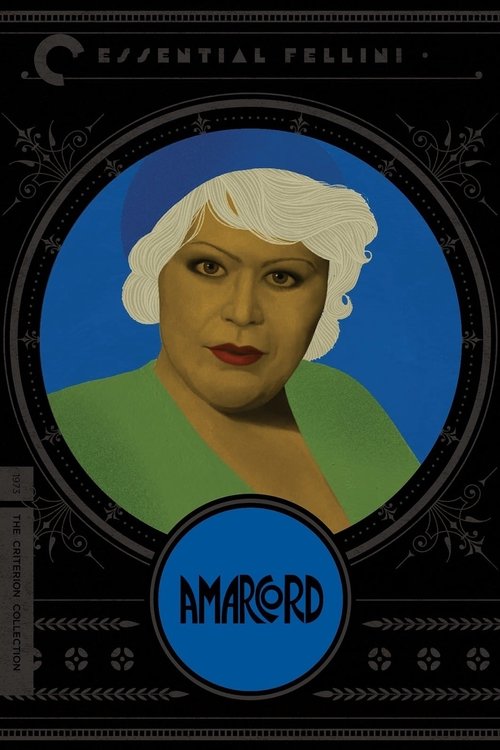
The first time those little white "manina" puffballs started floating across the screen, I realized I wasn’t just watching a movie; I was being sucked into someone else’s brain. It’s Spring in the coastal town of Borgo, or at least Federico Fellini’s reconstructed, studio-built version of it. I watched this most recent time in my apartment while my radiator clanked like a ghost trying to escape the floorboards, and honestly, the rhythmic thumping felt like it belonged in the film's rowdy, percussive dinner scenes.
Amarcord translates to "I remember" in the Romagnolo dialect, but this isn't the dry, chronological memory of a historian. It’s the vivid, distorted, and occasionally smutty memory of a man who knows that the past is just a tall tale we tell ourselves to stay warm.
A Carnival of the Mundane
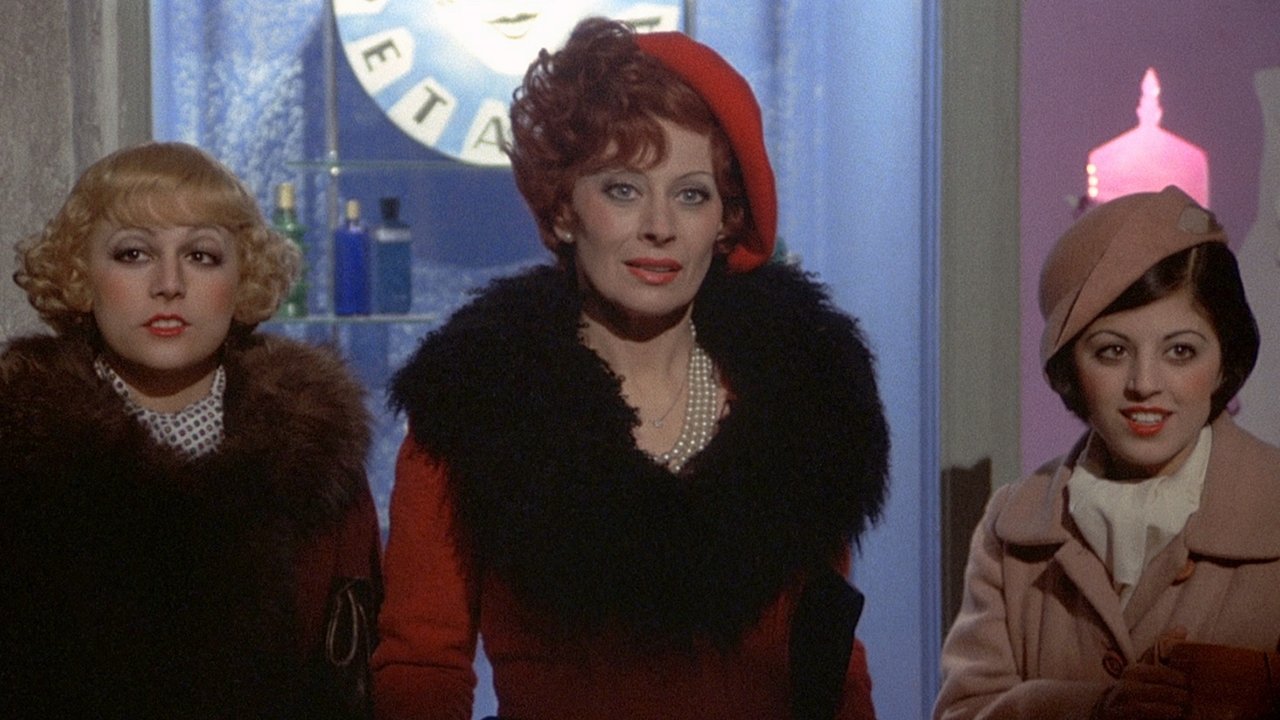
Set in the 1930s, the film follows young Titta—played with a perfect mix of horniness and bewilderment by Bruno Zanin—as he navigates a town populated by characters who feel like they escaped from a deck of tarot cards. There is the Volpina, a nymphomaniac who prowls the beach; the Gradisca (Magali Noël), the town’s collective obsession in her red coat; and Titta’s own family, led by his perpetually exasperated father Aurelio (Armando Brancia) and his doting, frantic mother Miranda (Pupella Maggio).
The 1970s was a decade where "Auteur" wasn't just a fancy word; it was a license for directors to be as indulgent as they wanted. Coming off the heels of the New Hollywood explosion in the States, Fellini was doing something even more radical here. He wasn't trying to be "gritty" or "realistic." He was leaning into the artifice. Every cobblestone in Borgo was laid down at Cinecittà studios. It’s a town of ghosts, but they’ve never felt more alive. When Titta’s family takes their "crazy" Uncle Teo (Ciccio Ingrassia) out of the asylum for a day trip, and he climbs a tree to scream "I want a woman!" at the top of his lungs, you realize Fellini isn't mocking him. He’s acknowledging that we are all just one bad afternoon away from screaming in a tree.
Fascism as a Form of Puberty
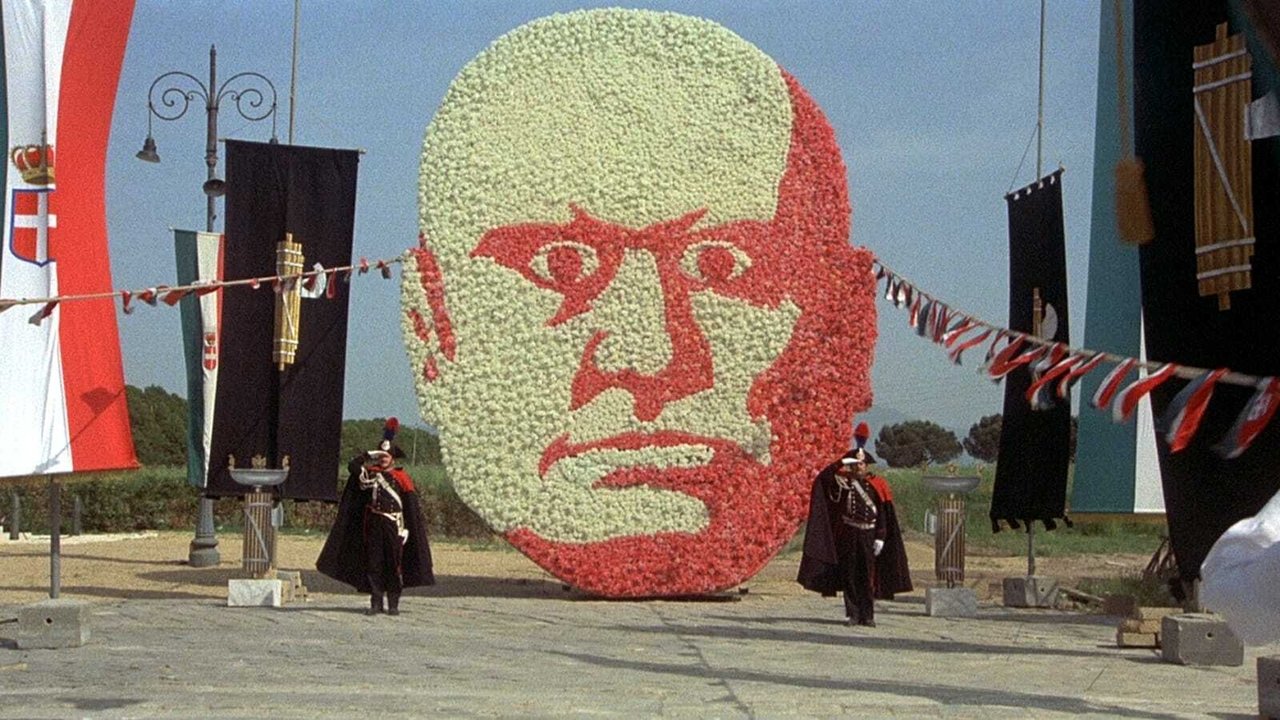
There’s a deeper, more cerebral layer to the absurdity that often gets lost if you’re just laughing at the fart jokes (and there are several). Fellini presents Italian Fascism not as a grand, terrifying monolith, but as a pathetic, adolescent pageant. The local blackshirts strut around in uniforms that look like bad community theater costumes for villains who can't aim straight.
By framing the rise of Mussolini through the eyes of schoolboys and eccentric locals, Fellini suggests that Fascism was a form of arrested development—a way for a country to avoid growing up. The townspeople line up to cheer for a giant, floral bust of Il Duce, and it’s both hilarious and chilling. It’s the philosophy of the "crowd"—the comfort of being part of a noisy, stupid whole rather than a thinking individual.
Yet, even amidst the political critique, the film remains stubbornly human. The score by Nino Rota is the secret sauce here. If you’ve never heard Rota’s theme for Amarcord, it’s a melody that sounds like it’s been playing in your head since you were five years old. It’s nostalgic, melancholic, and bouncy all at once. It’s the sound of a carousel that won't stop turning even after the park has closed.
The VHS Magic of "The Fantastic World"

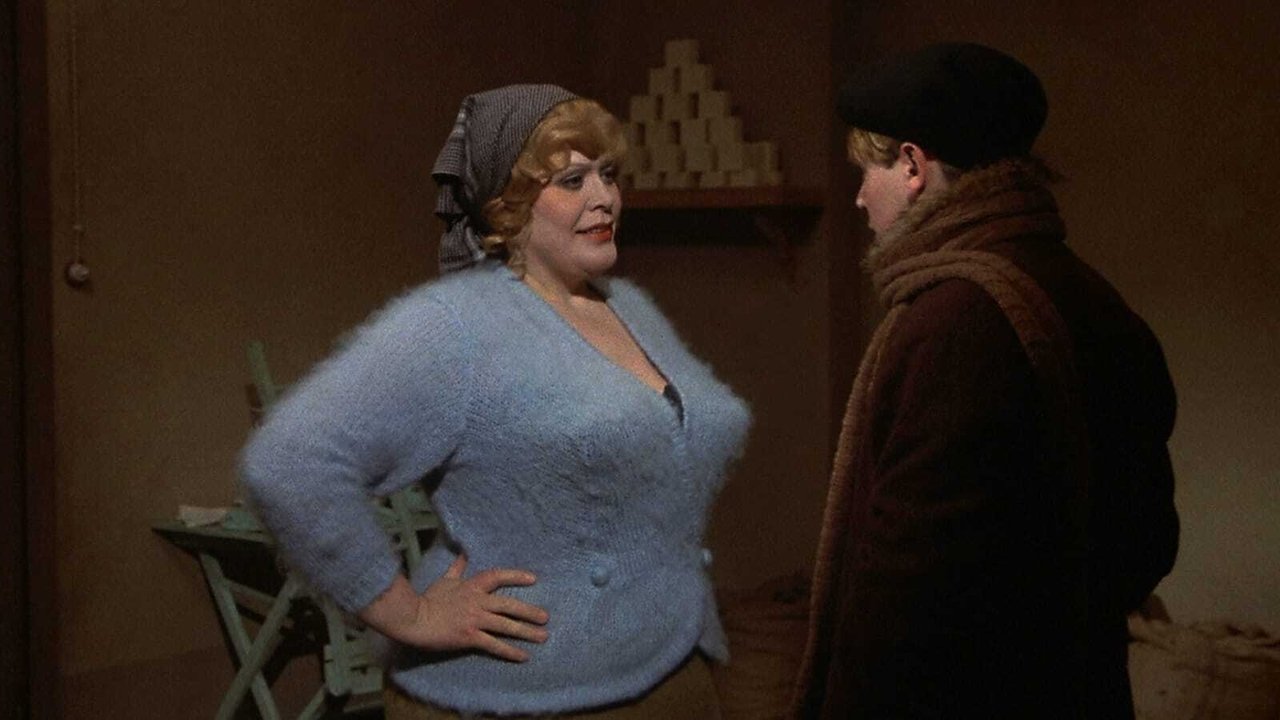
For those of us who grew up raiding the "International" section of local video stores in the 80s, the Amarcord VHS box was a staple. It usually featured that vibrant, crowded cover art that promised "The Fantastic World of Fellini!" To a teenager expecting something like Star Wars, it was a shock. There were no space battles, just a giant peacock landing in the snow and a woman with breasts so large they literally became a plot point.
But that’s the beauty of the home video revolution. It allowed these dense, European dream-states to seep into suburban living rooms. I remember the tracking on my old tape was so bad during the fog scene—where the grandfather gets lost in a white void just inches from his own front door—that the screen turned into a literal soup of static. It actually made the scene better. The physical decay of the tape matched the fading nature of the memories on screen.
The cinematography by Giuseppe Rotunno handles these transitions between the bawdy and the ethereal with staggering grace. One moment we’re watching a boy pee on a radiator, and the next, we’re witnessing the majestic transit of the Rex, a giant ocean liner that represents the unattainable dreams of the entire town. It’s a massive cardboard prop, and Fellini doesn't care if you know it. The artifice is the point. Real life is boring; it’s the way we dress it up that matters.
Amarcord is a film that rewards you more every time you revisit it. It’s a reminder that our personal histories aren't made of facts, but of smells, sounds, and the way the light hit a red coat forty years ago. It’s a loud, messy, beautiful riot of a movie that manages to be deeply philosophical without ever feeling like a lecture. It’s the ultimate cinematic comfort food—if your comfort food happens to be a little bit strange and served by a clown.

Keep Exploring...
-
La Dolce Vita
1960
-
8½
1963
-
Harold and Maude
1971
-
La Strada
1954
-
Being There
1979
-
Annie Hall
1977
-
Fantozzi: White Collar Blues
1975
-
M*A*S*H
1970
-

Solaris
1972
-
The Apartment
1960
-
Breakfast at Tiffany's
1961
-
Manhattan
1979
-

The Breakfast Club
1985
-
The Leopard
1963
-
Nothing Left to Do But Cry
1984
-
The Last Emperor
1987
-
Hannah and Her Sisters
1986
-
Crimes and Misdemeanors
1989
-
Say Anything...
1989
-

The Hustler
1961