American Graffiti
"One night, one strip, and the end of innocence."
The first thing you hear isn’t a line of dialogue; it’s the static-drenched howl of Wolfman Jack coming through a car radio, followed immediately by the opening notes of "Rock Around the Clock." It’s a sonic blast of 1962, but viewed through the rearview mirror of 1973. I watched this most recent time while nursing a lukewarm root beer that had gone entirely flat, and honestly, that sugary, stagnant taste felt like the perfect companion to a movie about the precise moment when the "sweetness" of youth starts to turn.
Before he was the master of a galaxy far, far away, George Lucas was a guy who just wanted to capture the ritual of "cruising." If you look past the chrome and the poodle skirts, American Graffiti is one of the most structurally sophisticated dramas of the New Hollywood era. It’s a vignettes-style odyssey that manages to feel both incredibly fast-paced and agonizingly slow, mirroring that specific high school feeling where a single night feels like it could last for an entire lifetime.
The Sound of a Vanishing World
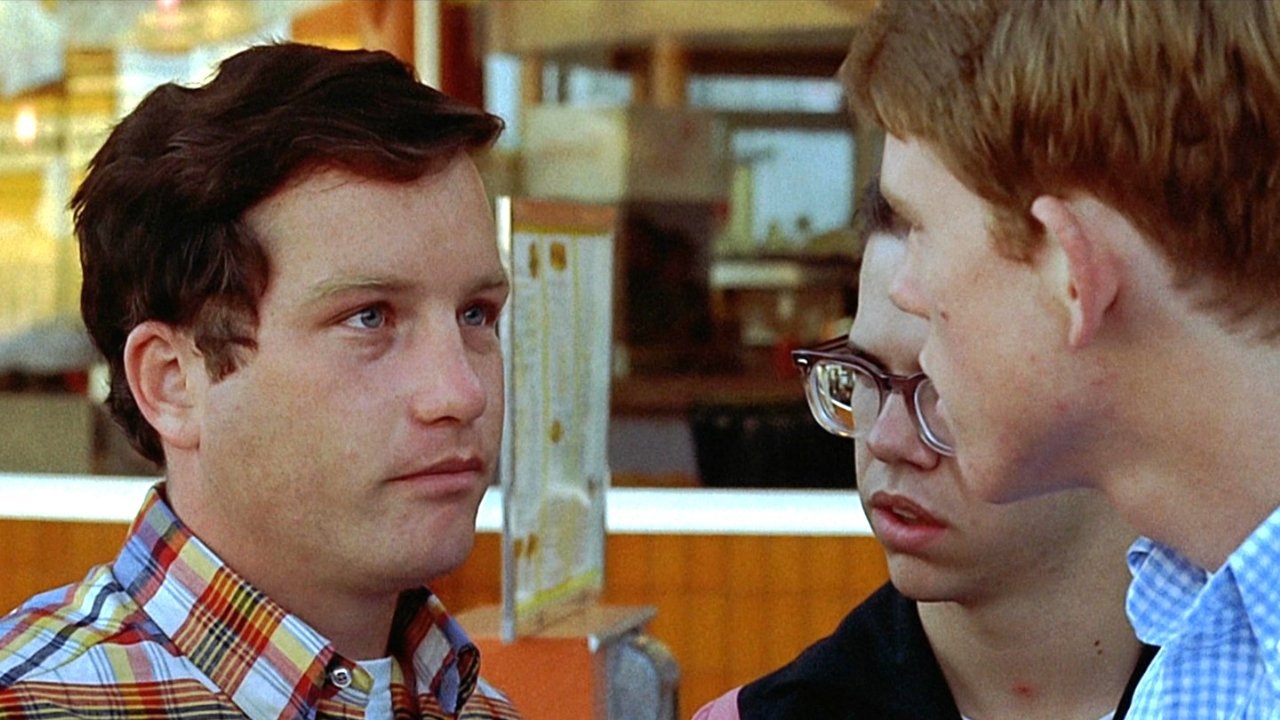
The film follows four friends on their last night in town before college. Richard Dreyfuss plays Curt, the intellectual who isn't sure he wants to leave; Ron Howard is Steve, the golden boy who can’t wait to get out; Paul Le Mat is John Milner, the drag-racing king who peaked at 18; and Charles Martin Smith is Terry "The Toad," the nerd just looking for a win.
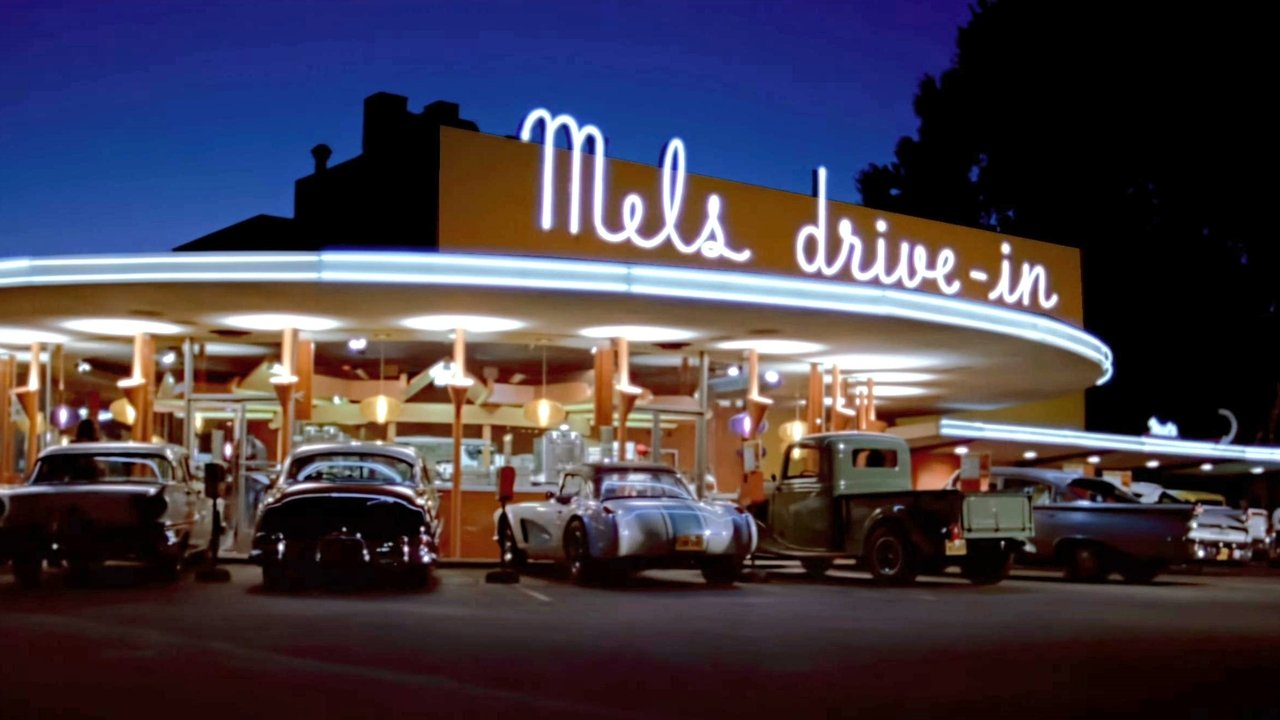
What strikes me every time I revisit this is how Lucas uses sound. There is no traditional "score." Instead, the entire movie is blanketed in 41 hit songs from the era. It’s an immersive, diegetic wall of sound that follows the characters from the Mel’s Drive-In parking lot to the backseats of their Chevys. It’s not just nostalgia; it’s a character in itself. The music represents the safety of the bubble they’re about to pop.
The chemistry between the leads is lightning in a bottle. Richard Dreyfuss anchors the film with a jittery, thoughtful energy, but for my money, Paul Le Mat steals the show. His Milner is the archetype of the "cool guy" who is starting to realize the world is moving on without him. When he’s forced to drive around with a pre-teen girl (played with hilarious sharpness by Mackenzie Phillips), we see the cracks in his armor. George Lucas was a much better director when he was hungry, slightly panicked, and focused on humans rather than digital widgets.
A Blockbuster Born from Loose Change

It’s hard to reconcile the $140 million box office haul with the fact that this movie was filmed on a shoestring budget of roughly $777,000. Universal Pictures didn't even want to release it; they thought it looked like a "low-budget student film" and hated the title. It was only after Francis Ford Coppola, riding high on the success of The Godfather, offered to put his name on it as a producer that the studio gave it a chance.
The production was a beautiful mess. They filmed almost entirely at night over 28 days. The actors were essentially living the "cruising" lifestyle during the shoot—getting into real-life scrapes, drinking, and causing enough trouble that Harrison Ford (playing the cocky drag-racer Bob Falfa) actually got arrested during a rowdy night out. That raw, exhausted, midnight energy bleeds onto the screen. You can almost smell the exhaust fumes and the cheap burgers.
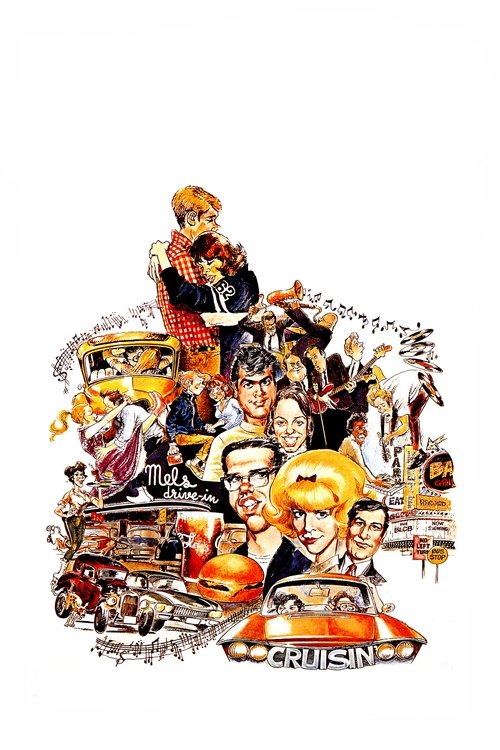
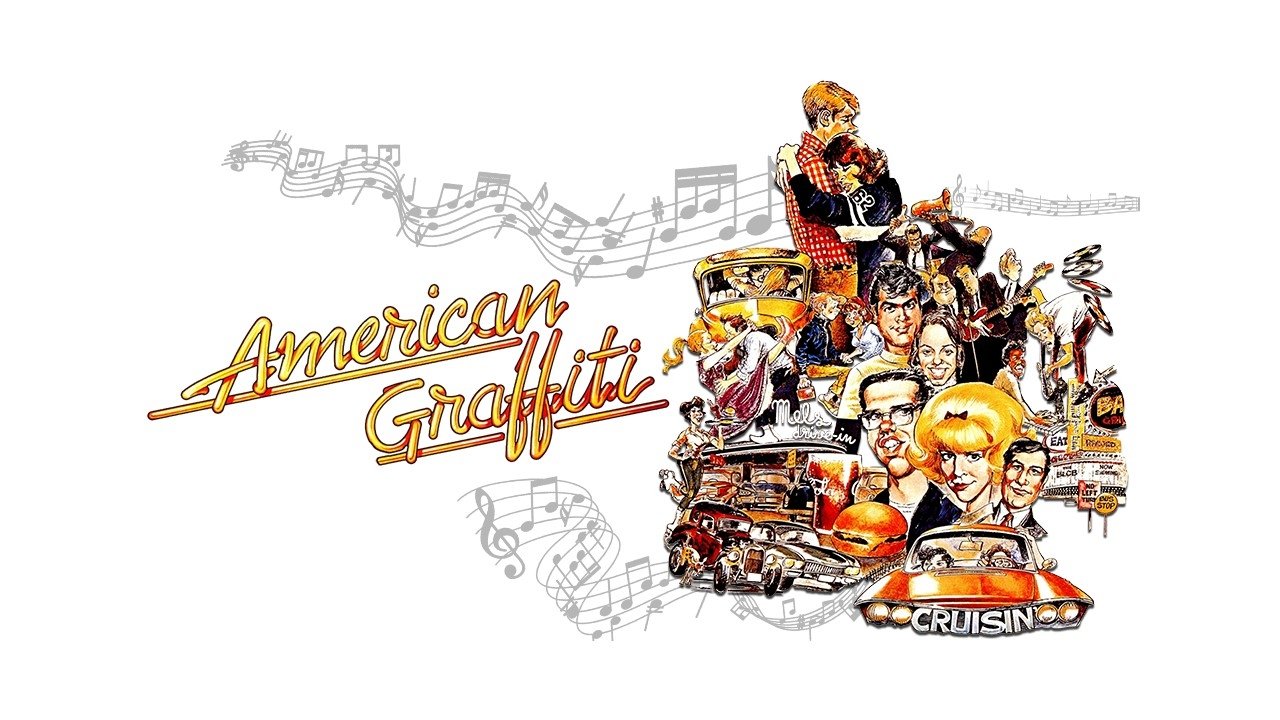
By the time it hit the home video market in the late 70s and 80s, the film became a different kind of beast. For those of us who grew up seeing that iconic yellow VHS box art with the collage of characters, American Graffiti wasn't just a movie; it was a time machine. Because it was shot with such naturalistic, grainy cinematography by Jan D'Alquen and Haskell Wexler, it looked remarkably "real" on a CRT television. It didn't feel like a Hollywood production; it felt like a home movie of a dream someone had in 1962.
The Shadow in the Rearview
The genius of the film is its subtext. While the characters are worried about dates and drag races, the audience knows what’s coming: the Kennedy assassination, Vietnam, and the total collapse of the 1950s social order. The ending of the film, which features a series of title cards explaining what happened to the four main characters, is one of the most effective gut-punches in cinema. It reframes the fun we just had as something fragile and, in some cases, tragic.
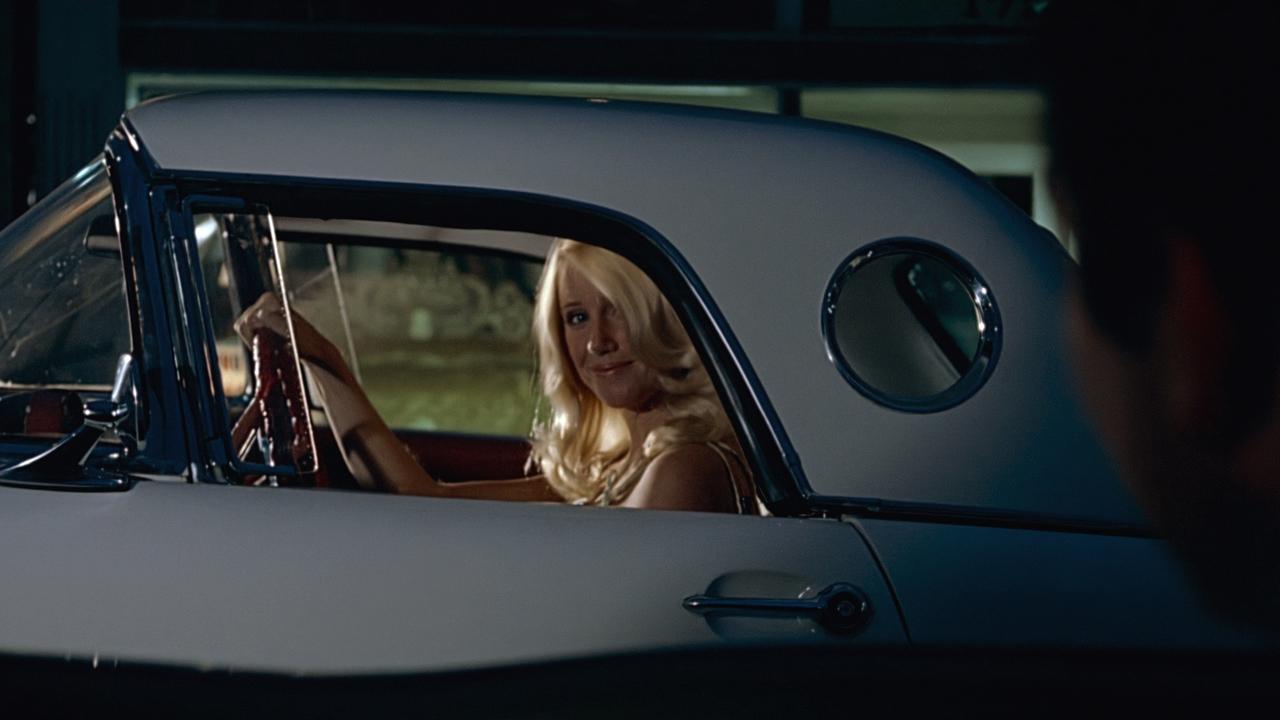
I’ve always found Cindy Williams and Candy Clark to be the unsung heroes here. Williams, as Laurie, portrays the frustration of a young woman being told her only role is to wait for her boyfriend to come home from college. Her arguments with Ron Howard feel painfully authentic, grounded in a reality that many teen comedies of the era ignored. They aren't just archetypes; they are people standing on a precipice.
Ultimately, American Graffiti works because it captures the universal truth of the "final night." Whether you graduated in 1962 or 2022, that feeling of staring at your hometown and realizing it looks smaller than it did yesterday is a rite of passage. It’s a film about the terrifying freedom of the open road and the comfort of the rearview mirror.
American Graffiti remains the gold standard for the "one-night" subgenre. It’s a masterclass in atmosphere that proves you don't need a massive budget to create a cultural phenomenon—you just need a few cars, a great soundtrack, and a deep understanding of how it feels to be young and restless. If you haven't seen it, or haven't seen it lately, turn off the lights, turn up the volume, and let the Wolfman guide you home.
Keep Exploring...
-
THX 1138
1971
-
The Sting
1973
-
The Graduate
1967
-
Close Encounters of the Third Kind
1977
-
M*A*S*H
1970
-
Harold and Maude
1971
-
Annie Hall
1977
-
Good Morning, Vietnam
1987
-
Moonstruck
1987
-
Big
1988
-
Working Girl
1988
-
The War of the Roses
1989
-
Star Wars
1977
-
The Aristocats
1970
-
Blazing Saddles
1974
-
The Rocky Horror Picture Show
1975
-
Rocky
1976
-
Saturday Night Fever
1977
-
Animal House
1978
-
Breakfast at Tiffany's
1961