Battle for the Planet of the Apes
"The low-budget finale where the world ends with a bus ride."
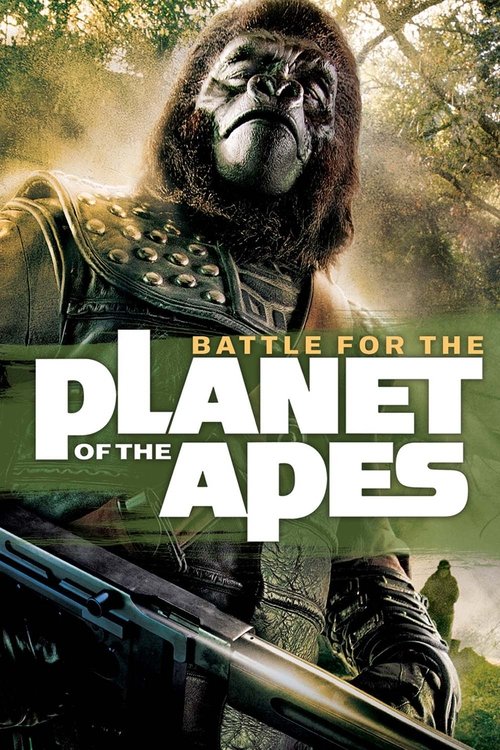
By 1973, the Planet of the Apes franchise had become the cinematic equivalent of a heavy smoker trying to finish a marathon on a Tuesday morning. The gas was gone, the lungs were burning, but through sheer contractual obligation, it crossed the finish line. Battle for the Planet of the Apes is the fifth and final entry in the original cycle, and while it lacks the gut-punch nihilism of the earlier films, there’s a scrappy, "we’re doing this on a weekend budget" charm to it that I find weirdly endearing.
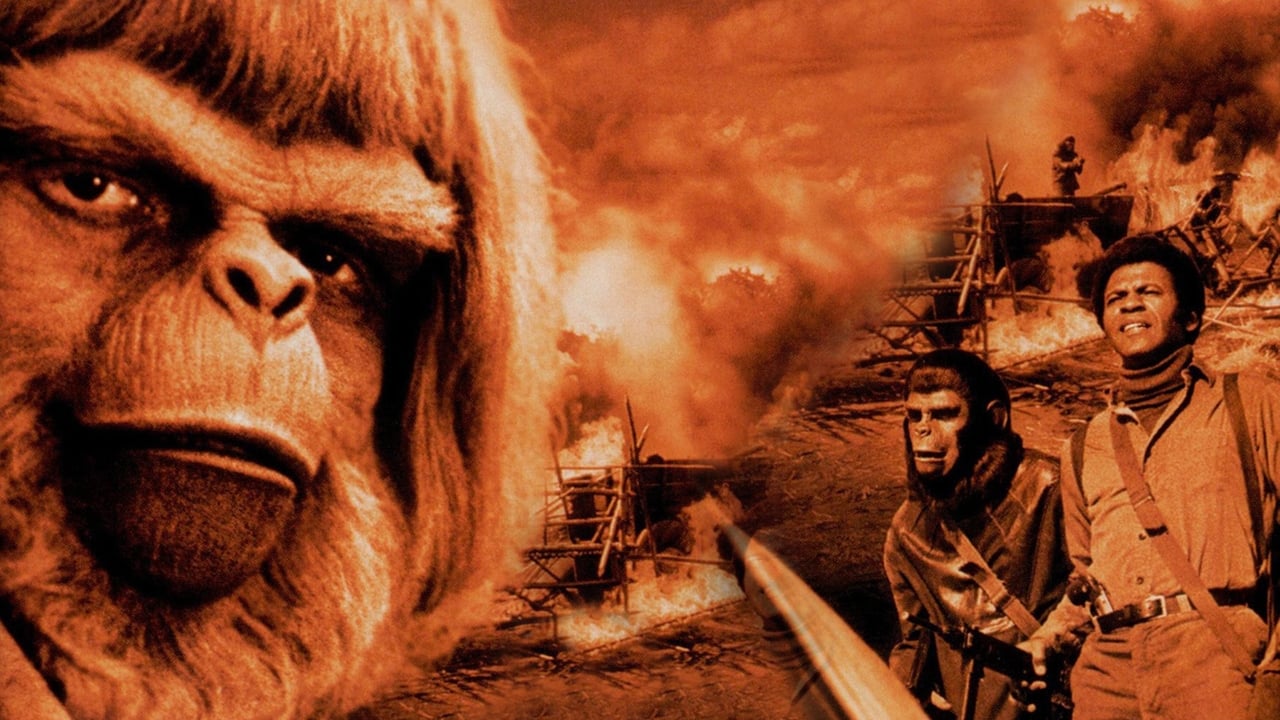
I watched this recently while my apartment radiator was clanking like a percussion section out of sync, and honestly, the metallic banging perfectly complemented the low-fi aesthetic of the mutants' underground lair. It felt like I was watching the movie inside a boiler room, which is exactly where most of the budget seems to have been spent.
The Great Ape Skirmish
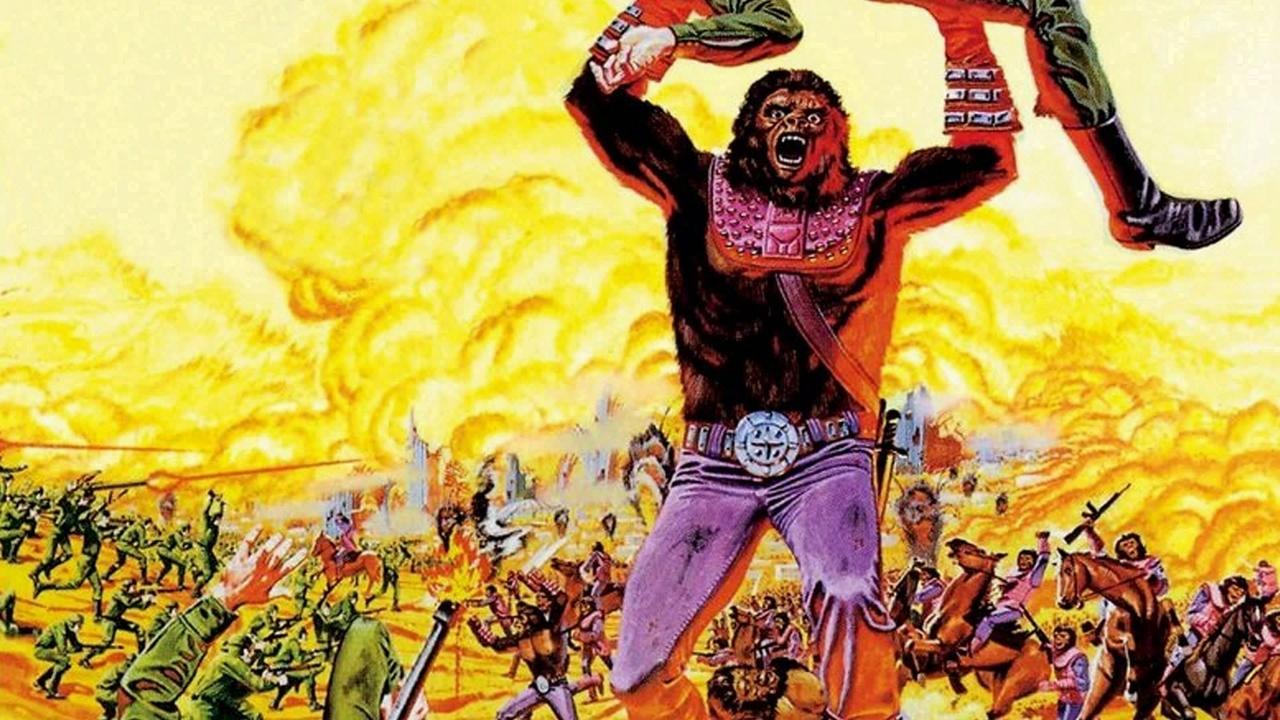
The title promises a "Battle," but what we actually get is more of a heated disagreement in a Southern California park. After the city-shattering revolution of Conquest of the Planet of the Apes, we find Caesar (Roddy McDowall) trying to build a peaceful society where apes and humans live as equals. It’s a noble goal, but he’s flanked by General Aldo (Claude Akins), a gorilla who clearly skipped his conflict-resolution seminars. Aldo is essentially a disgruntled middle manager with a machine gun, and Akins plays him with a wonderful, scenery-chewing arrogance.
The plot kicks into gear when Caesar travels to the "Forbidden City" (the nuked ruins of Los Angeles) to find recordings of his parents. This alerts a group of radiation-scarred human survivors led by Governor Kolp (Severn Darden). Kolp decides the best way to handle his neighbors is to pack his remaining troops into an old school bus and a couple of Jeeps to launch an invasion. Watching an army of "conquerors" arrive in a yellow school bus is the peak 1970s "we ran out of money" aesthetic. Director J. Lee Thompson, who previously gave us the epic scale of The Guns of Navarone, does his best to frame these skirmishes to look like a war, but the "epic finale" mostly looks like a LARPing event that got slightly out of hand.
Practical Magic and Budget Constraints
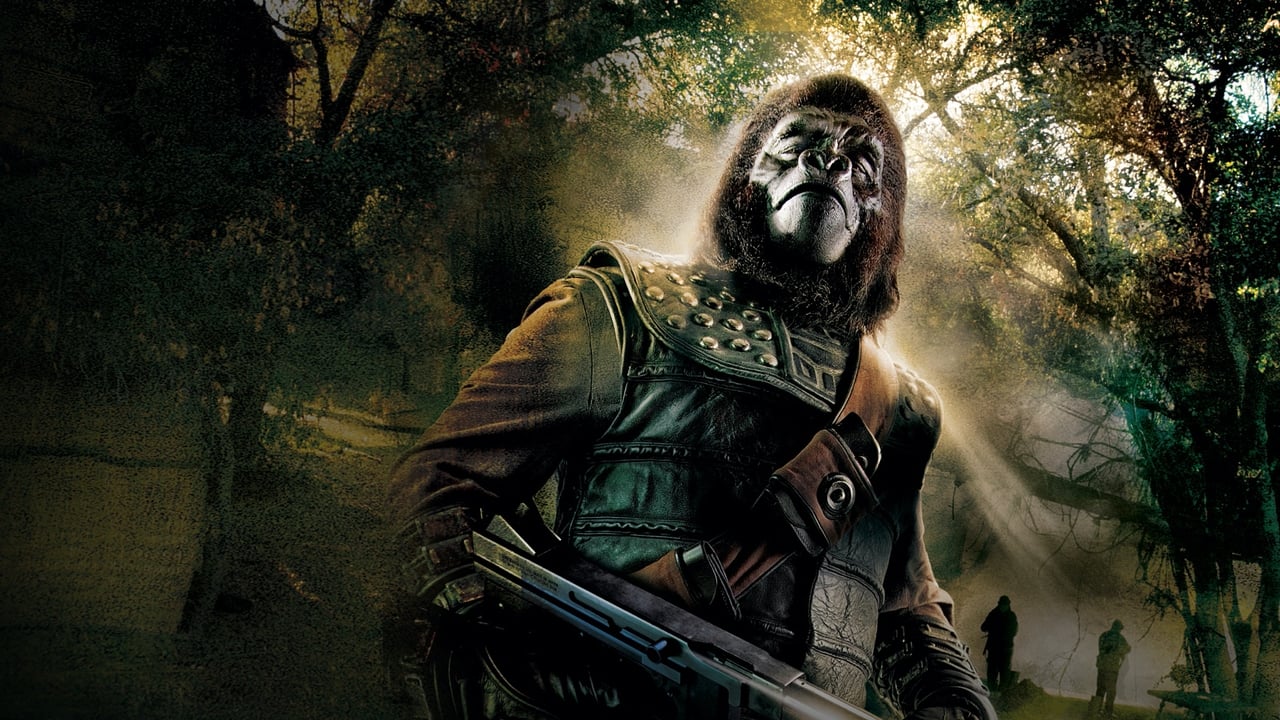
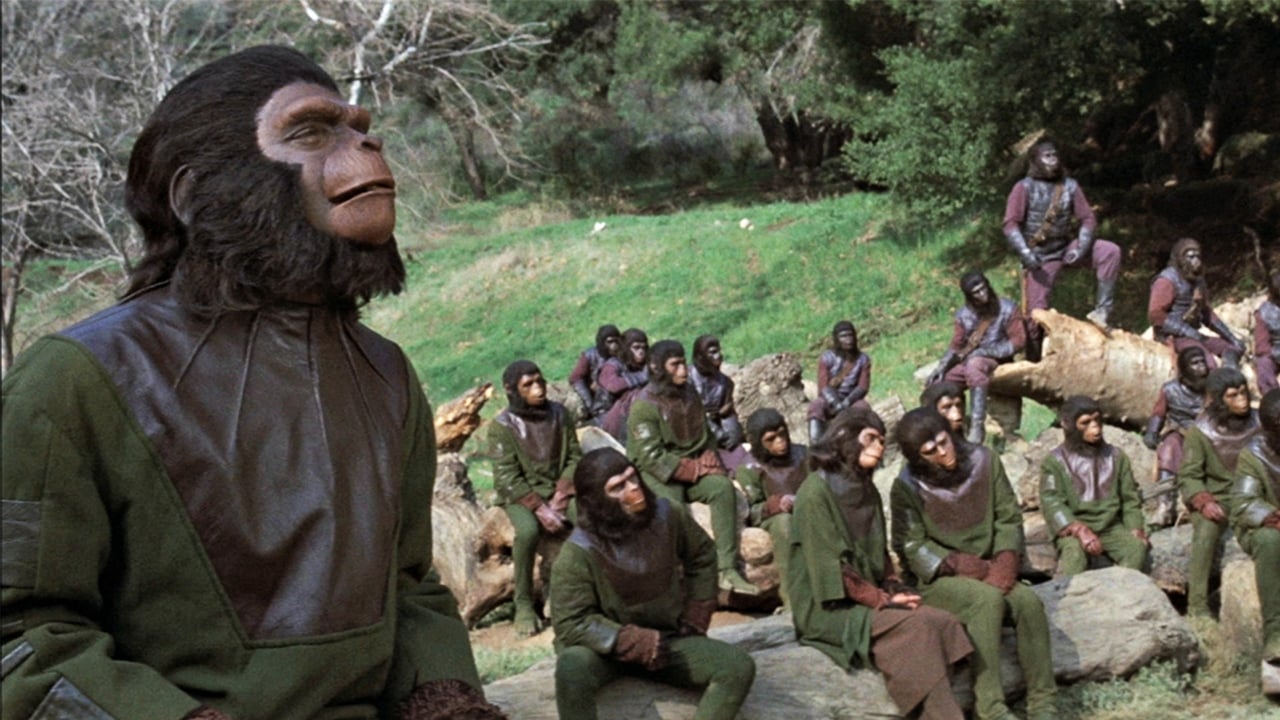
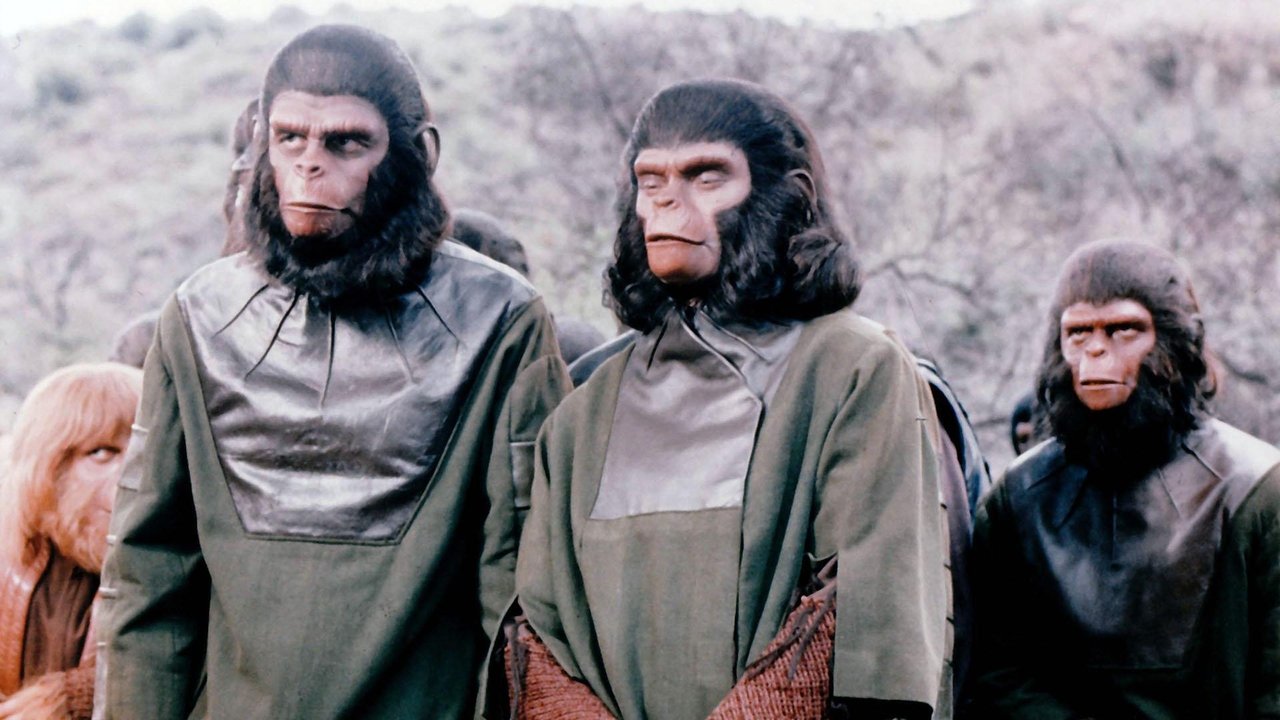
The makeup effects are where the franchise usually shines, but here, the strain of the $1.7 million budget shows. While Roddy McDowall remains the undisputed king of performing through latex—conveying more emotion with a twitch of a prosthetic snout than most actors do with their whole faces—the background apes suffer. If you look closely at the crowd scenes, you’ll notice many of the gorillas are wearing "slip-over" masks that don't move. It’s a far cry from the Academy Award-winning work of John Chambers in the 1968 original.
The mutant makeup is equally budget-conscious. Instead of the horrifying skin-peeling reveals of Beneath the Planet of the Apes, these guys just look like they fell face-first into a vat of grey oatmeal. However, the film finds its heart in Virgil, an intellectual orangutan played by the legendary songwriter Paul Williams. Williams is a delight, bringing a needed levity to the proceedings. Seeing a man who wrote "Rainy Days and Mondays" in full orangutan prosthetics is the kind of specific 70s insanity I live for.
The VHS Box Set Legacy
For many of us, Battle wasn't a theatrical experience; it was the final tape in the bulky CBS/Fox Video box set. I remember those gold-trimmed VHS cases sitting on video store shelves like a row of sacred texts. Because it was the "final chapter," there was a sense of completion in renting it, even if you knew it was the weakest of the bunch. On a grainy CRT television, the low-budget flaws of the "Battle" sequences were softened, and the film’s message of breaking the cycle of violence felt more profound than it probably was.
The action choreography is functional but lacks the grit of the previous installment. The stunt team, led by Austin Stoker (who would go on to star in John Carpenter’s Assault on Precinct 13), does a lot of heavy lifting. There are some genuine pyrotechnics and a few impressive falls, but the editing often feels rushed. It lacks the rhythmic build-up of a true blockbuster, feeling more like an episode of a high-end 70s TV show—which makes sense, considering the franchise transitioned into a television series shortly after this.
Ultimately, Battle for the Planet of the Apes is a movie for the completionists. It’s the "dessert" at the end of a five-course meal where the chef ran out of sugar and had to use Splenda. It’s not great cinema, but as a piece of sci-fi history, it’s a fascinating look at how a massive franchise tried to wrap itself up while the studio was tightening the purse strings. It’s a gentle, flawed ending to one of the most cynical and brilliant series in Hollywood history, and for that alone, it’s worth a 90-minute detour.
Keep Exploring...
-
Conquest of the Planet of the Apes
1972
-
Escape from the Planet of the Apes
1971
-
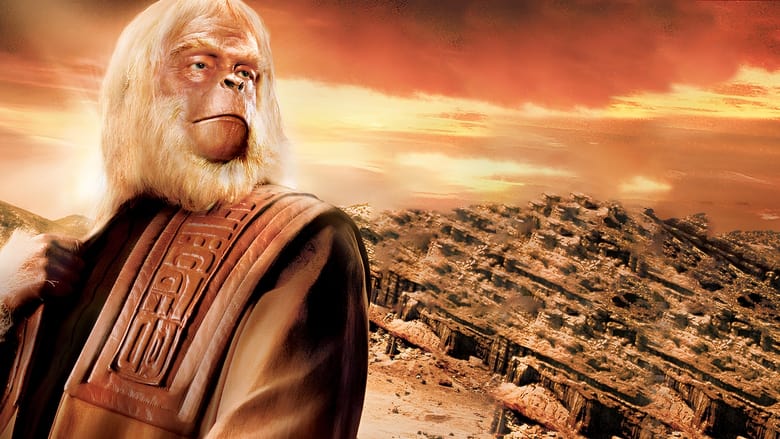
Beneath the Planet of the Apes
1970
-
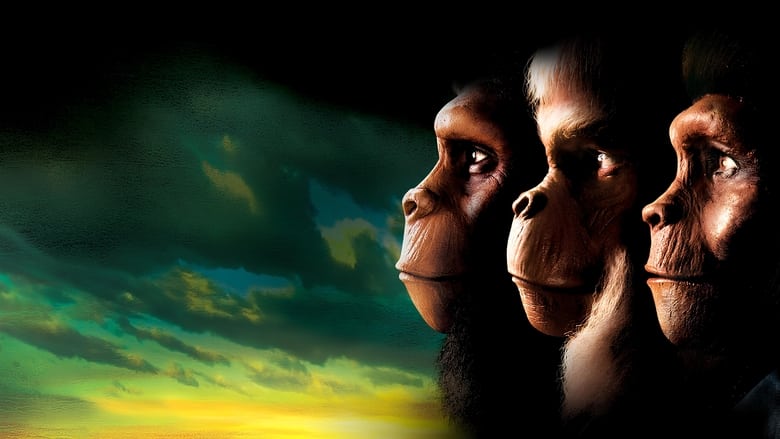
Planet of the Apes
1968
-
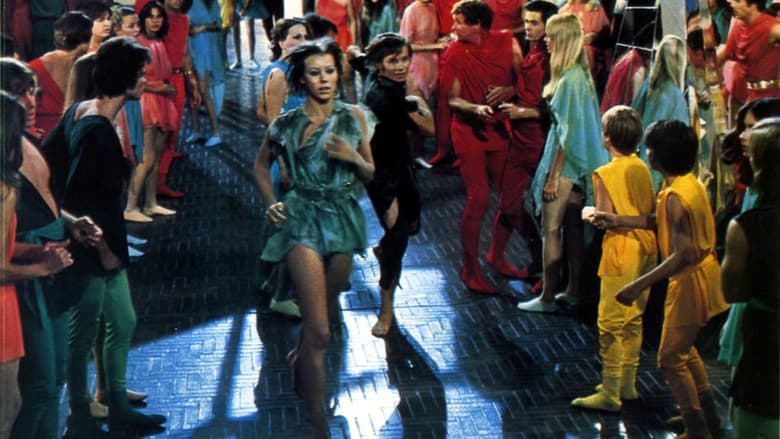
Logan's Run
1976
-
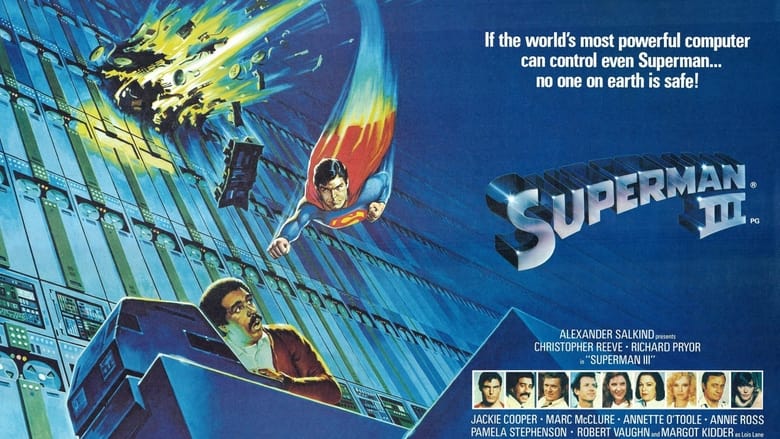
Superman III
1983
-
Star Trek III: The Search for Spock
1984
-

Masters of the Universe
1987
-
Star Trek V: The Final Frontier
1989
-
Flash Gordon
1980
-
Dune
1984
-
The Running Man
1987
-
Moonraker
1979
-
Mad Max Beyond Thunderdome
1985
-

THX 1138
1971
-
Conan the Destroyer
1984
-
Red Dawn
1984
-
Cocoon
1985
-
The Jewel of the Nile
1985
-

Weird Science
1985