Don't Look Now
"Grief has a sharp, red edge."

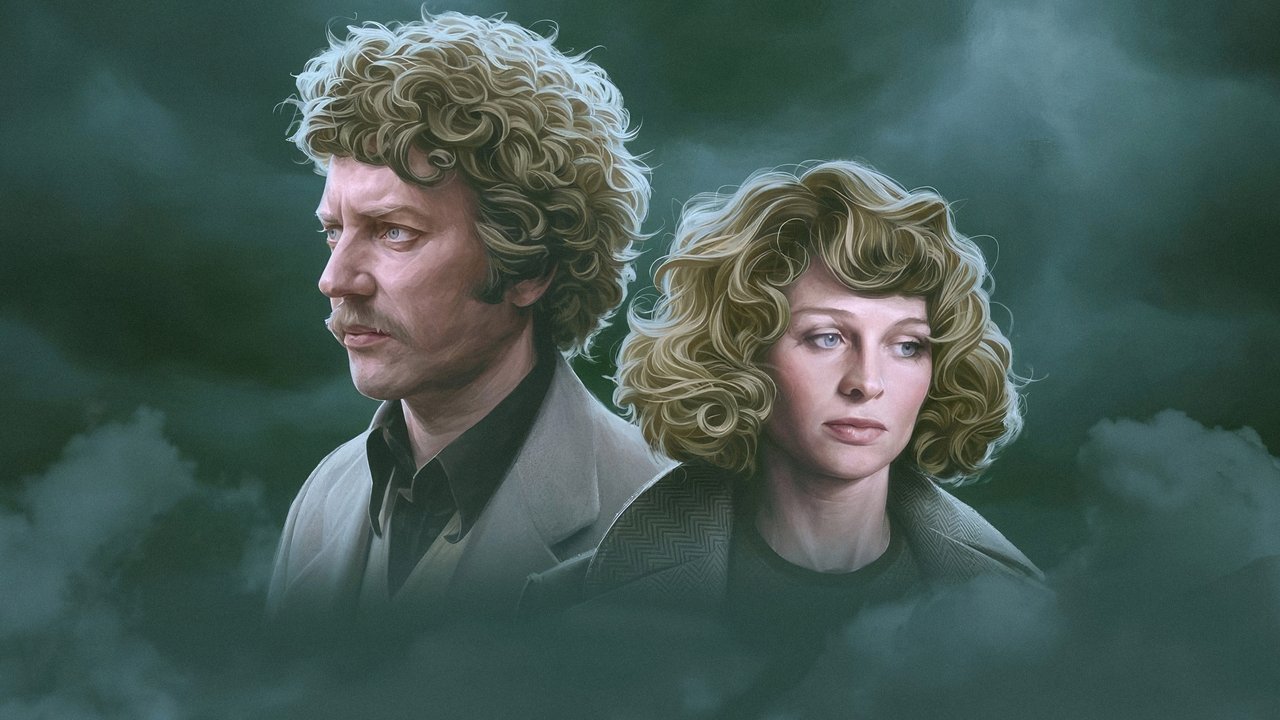
If you drop a slide into a projector and it catches fire, the image doesn’t just disappear—it bleeds. That’s exactly how the opening of Nicolas Roeg’s Don’t Look Now feels. Within the first ten minutes, you aren’t just watching a tragedy; you’re being submerged in one. There’s a red ball, a spilled glass of water, and a little girl in a red mackintosh sinking into a pond while her father, played with a haunting, frantic energy by Donald Sutherland, realizes a split second too late that his "second sight" was actually a death sentence.
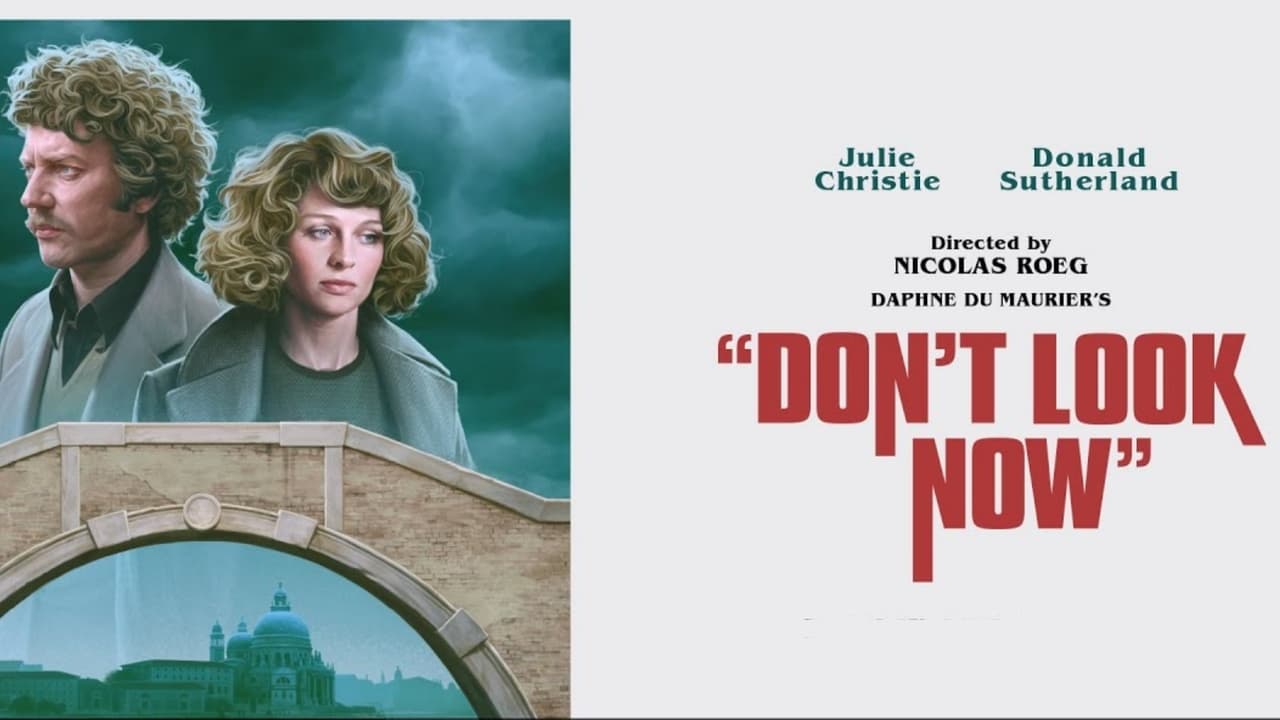
I first sat down with this movie on a rainy Tuesday while my radiator was clanking like a ghost’s heartbeat, and honestly, that ambient dampness made the Venetian winter on screen feel even more claustrophobic. By the time the credits rolled, I was staring at the wall, wondering if I’d ever be able to look at the color red the same way again.
The Geography of a Haunted Mind
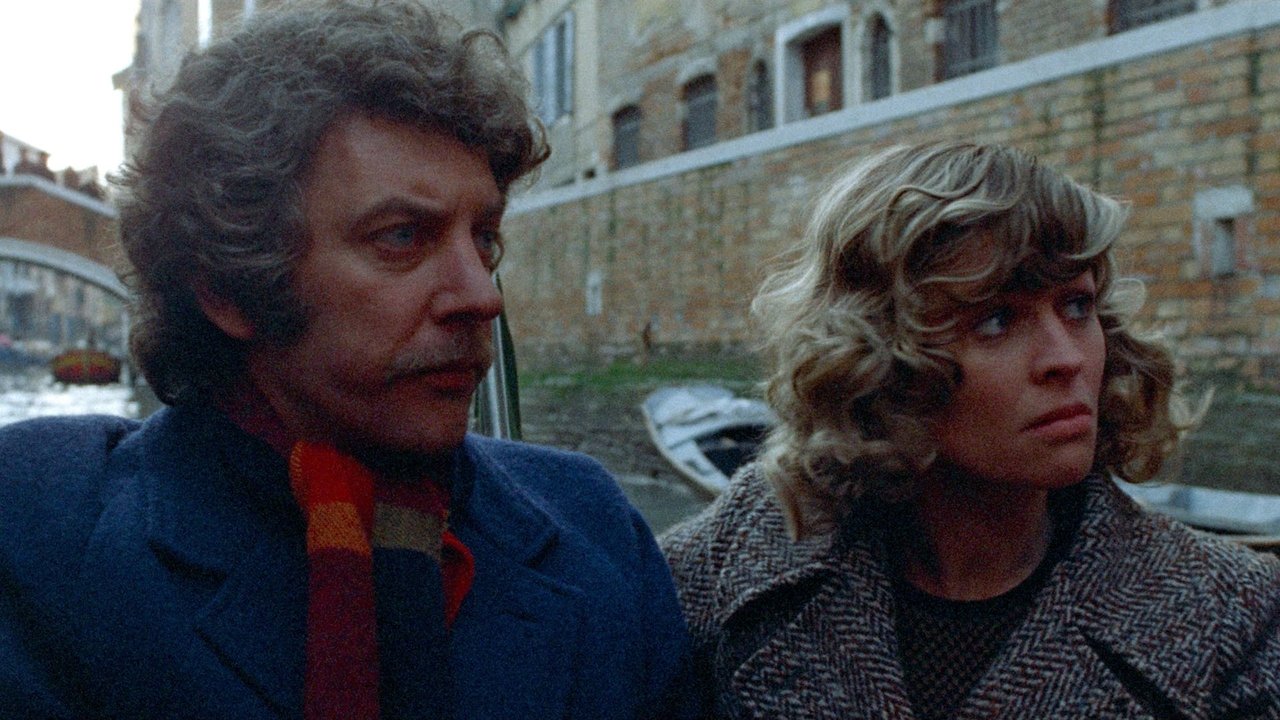
Set mostly in a crumbling, off-season Venice, the film follows John and Laura Baxter (Julie Christie) as they attempt to outrun their mourning. John is restoring an ancient church, a job that requires him to literally piece together the past while his present is falling apart. Venice here isn't the romantic "City of Water" from the postcards; it’s a labyrinth of shadows, stagnant canals, and narrow alleys that feel like they’re closing in on you.
Roeg, who started as a cinematographer (he worked on Lawrence of Arabia and François Truffaut's Fahrenheit 451), uses the camera like a weapon. He doesn't rely on jump scares. Instead, he uses "match cutting"—showing us an object in the present that looks like something from the past—to prove that for the Baxters, time isn't a straight line. It’s a circle. When they meet two mysterious sisters—one of whom is a blind psychic (played with a chilling, sightless intensity by Hilary Mason)—the film shifts from a grief drama into a high-octane psychic thriller. The psychic claims to "see" their deceased daughter, and while Laura finds a desperate hope in it, John’s skepticism becomes his armor. He’s so busy being a rational man that he misses the supernatural freight train headed right for his jugular.
Breaking the Rules of the 1970s
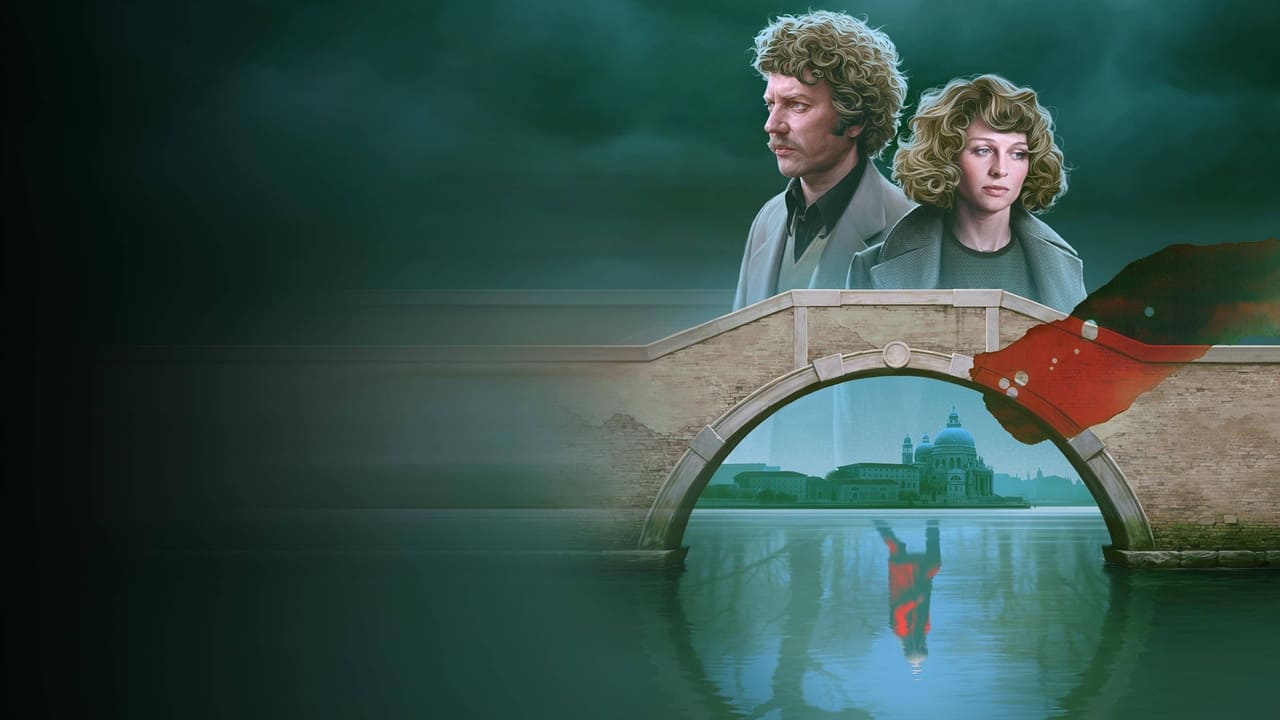
There is a sequence in this film that people still whisper about: the sex scene. In 1973, it was a lightning rod for controversy, with rumors swirling for decades that Donald Sutherland and Julie Christie weren’t actually acting. (They were, but the chemistry is so thick you could carve it with a Venetian glass-cutter). What makes it genius, though, isn't the nudity—it’s the editing. Roeg intercuts the intimacy of the bedroom with shots of the couple getting dressed to go out for dinner afterward. It’s a mundane, quiet choice that makes their relationship feel lived-in and heartbreakingly real. It grounds the horror. You care about them, which is the only way the scares actually land.
The production itself was a masterclass in indie-style resourcefulness. Shot on a relatively modest $1.5 million, the crew had to deal with the actual logistics of Venice in the winter—flooding, freezing temperatures, and the constant smell of decay. Pino Donaggio, who later became Brian De Palma’s go-to composer, turned in a score that flutters between romantic piano and screeching strings, perfectly capturing a city that is beautiful on the surface but rotting underneath.
The VHS Legacy and the Red Mackintosh
For those of us who grew up in the VHS era, Don't Look Now was a legendary "rental store" find. The box art usually featured Sutherland’s face twisted in terror or the iconic image of the small figure in the red coat. It was the kind of tape that stayed in the "Horror/Thriller" section but felt like it belonged in a different category entirely—something more adult, more sophisticated, and infinitely more upsetting than the slashers on the neighboring shelves.
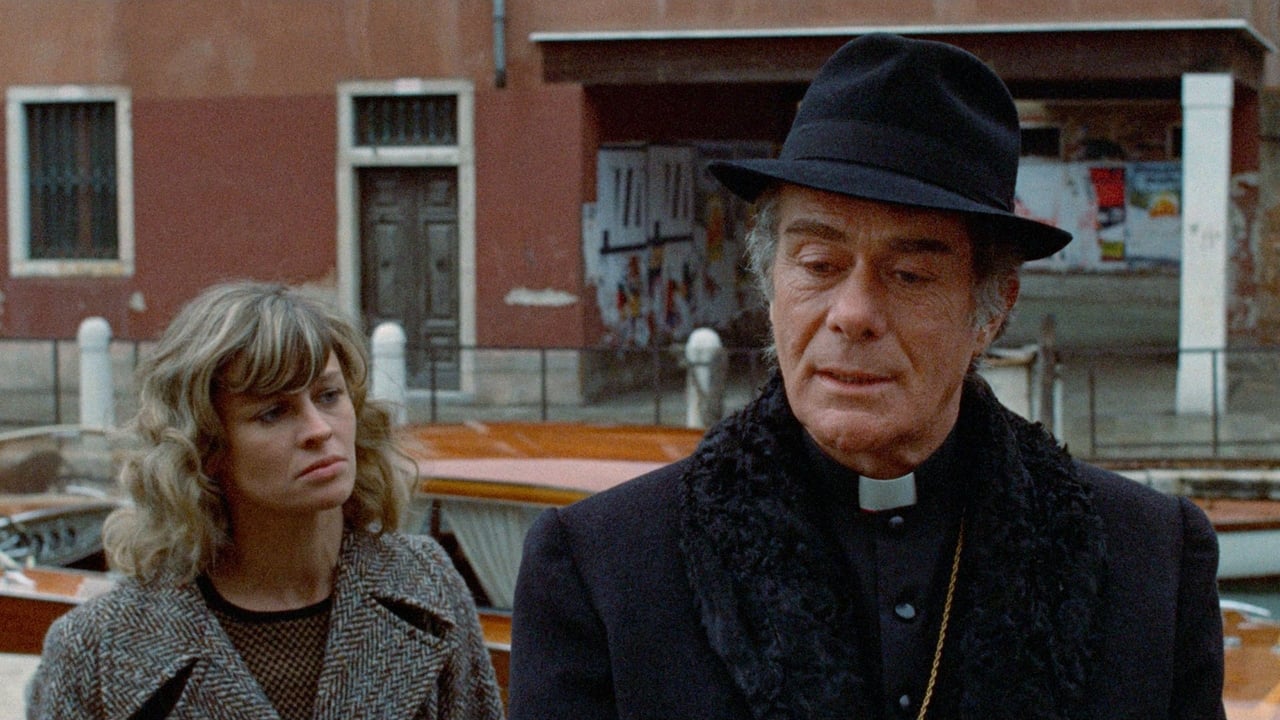
The film’s ending is one of the most famous "gut punches" in cinema history. If you haven't seen it, I won't ruin it, but I will say this: pay attention to the background. Pay attention to the fleeting glimpses of the world's most terrifying toddler-sized raincoat skittering through the peripheral vision of the camera. Roeg builds the dread so slowly that you don't realize you're holding your breath until the very last frame.
This isn't just a movie about a ghost; it’s a movie about how grief makes ghosts of the living. It’s a beautifully shot, expertly edited puzzle that demands your full attention. Nicolas Roeg created a masterpiece that feels as modern today as it did in 1973, proving that the most effective horror doesn't come from monsters under the bed, but from the things we refuse to see right in front of us. If you’re looking for a film that stays with you long after the screen goes black, this is the one. Just don’t blame me if you start avoiding dark alleys and red jackets for a few weeks.
Keep Exploring...
-
Peeping Tom
1960
-

Repulsion
1965
-
Rosemary's Baby
1968
-
Night of the Living Dead
1968
-
Straw Dogs
1971
-
Fist of Fury
1972
-
Murder on the Orient Express
1974
-
Carrie
1976
-
Eraserhead
1977
-

The Hills Have Eyes
1977
-

Halloween
1978
-

Invasion of the Body Snatchers
1978
-
Phenomena
1985
-
What Ever Happened to Baby Jane?
1962
-
The Lost Boys
1987
-
The Birds
1963
-
Blow-Up
1966
-
In the Heat of the Night
1967
-
Nosferatu the Vampyre
1979
-
Halloween II
1981