Enter the Dragon
"His fist is the message, and it’s loud."
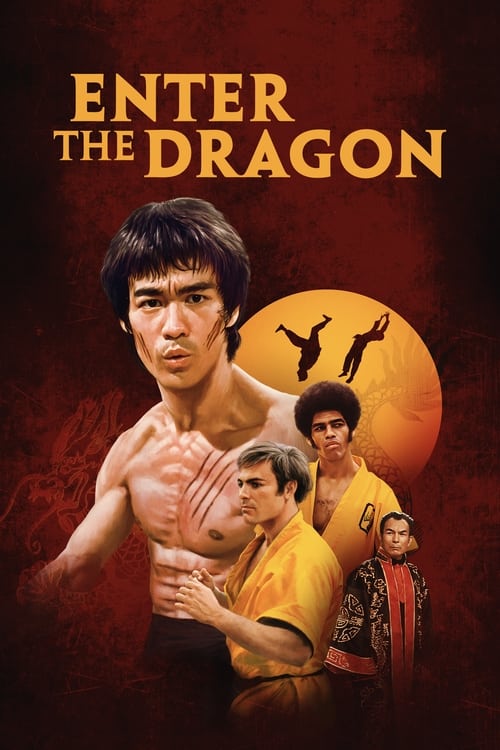
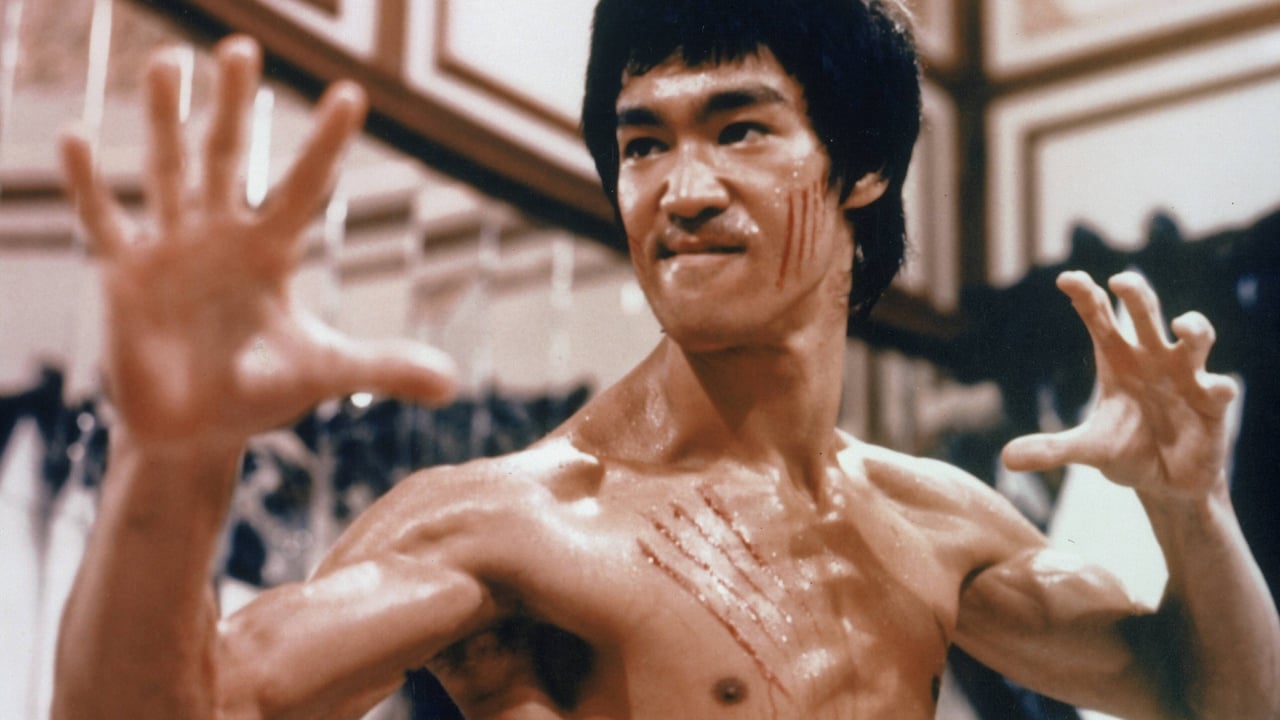
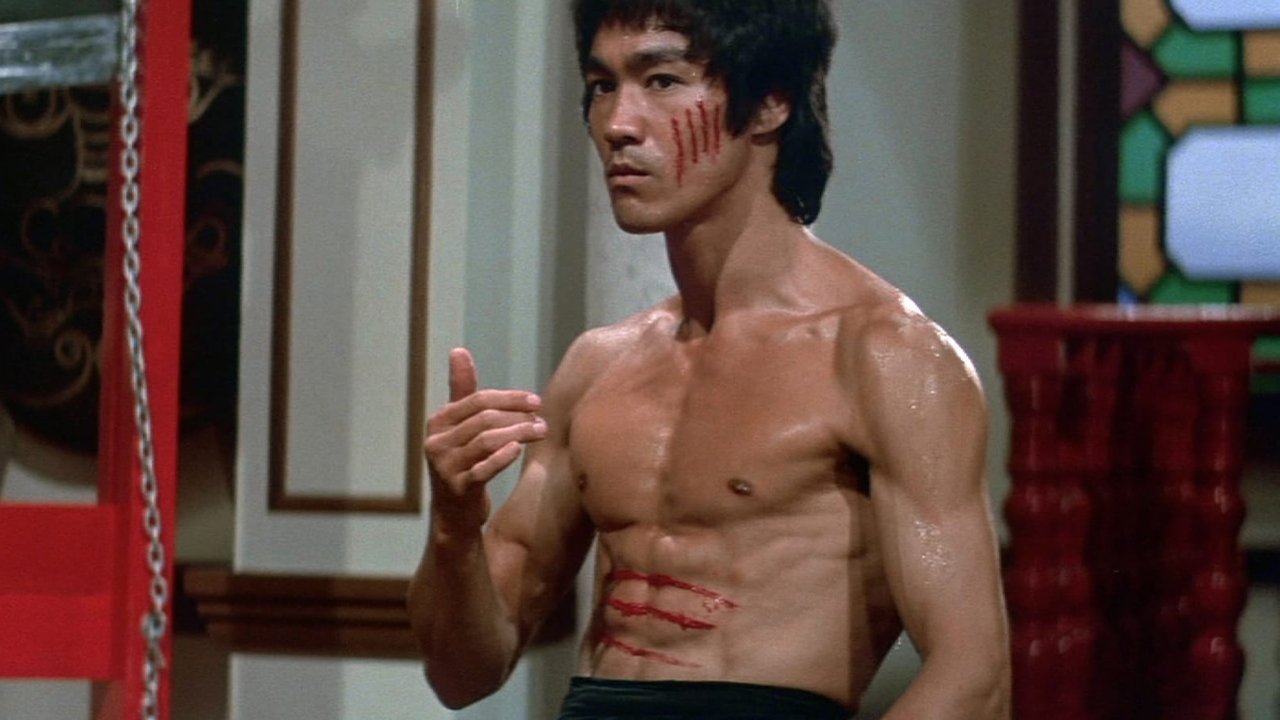
The image is indelible: a man standing shirtless, his chest striped with four crimson claw marks, staring down a villain in a room filled with infinite reflections. Even if you’ve never seen a minute of martial arts cinema, you know that face. It’s the face of Bruce Lee, a man who didn't just play a character named Lee—he essentially manifested a new archetype of human capability on screen. I recently revisited this classic on a Tuesday afternoon while my neighbor was loudly power-washing his driveway, and remarkably, the sheer charisma of Lee managed to drown out the industrial drone from next door.
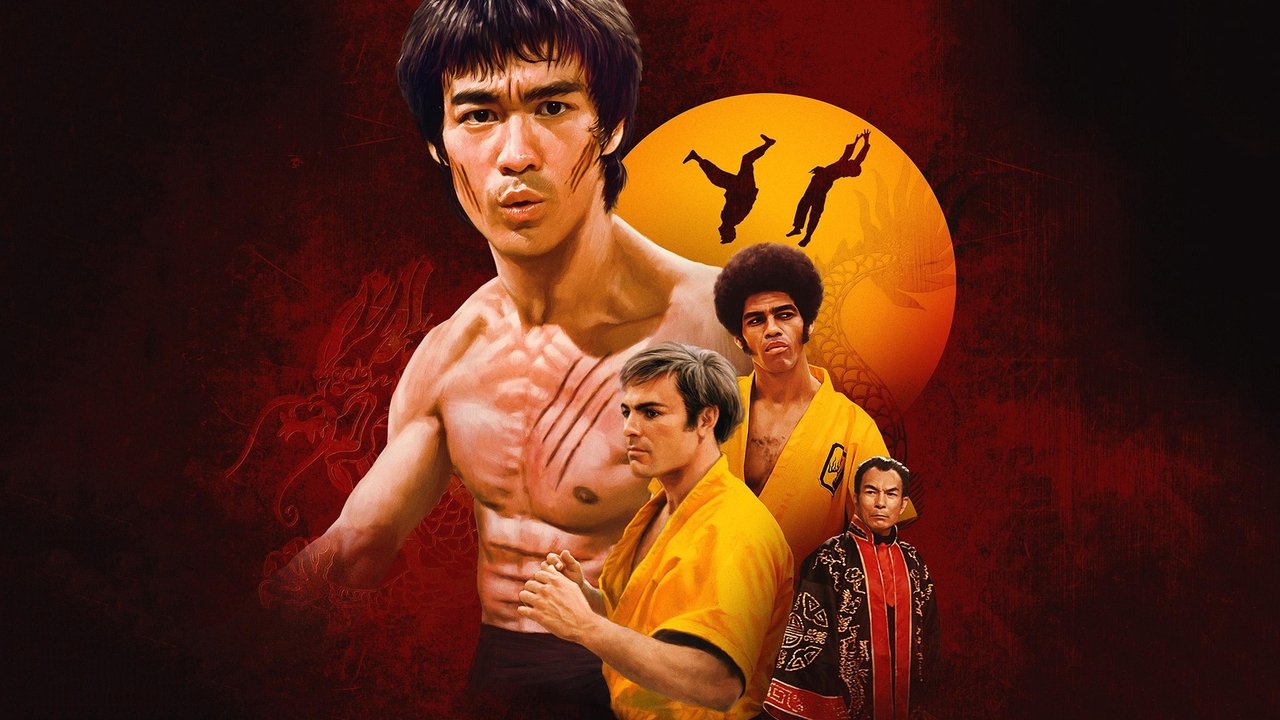
Enter the Dragon isn't just a movie; it’s the moment the West finally realized that the East had been holding all the best cards. Released just weeks after Lee’s tragic death in 1973, it stands as a bittersweet peak—a high-gloss, Bond-inspired spy thriller that happens to feature the greatest physical performer to ever grace a lens.
The Philosophy of the Fist
The plot is elegantly thin, providing just enough structure to keep the fights from feeling like a montage. Lee is a Shaolin martial artist recruited by British intelligence to infiltrate a private island hosted by the reclusive Han (Sek Kin). Han is running a drug and prostitution ring under the guise of an elite martial arts tournament. To get the job done, Lee joins a trio of fighters that includes John Saxon as Roper, a gambling-addict playboy, and Jim Kelly as Williams, a cool-as-ice karateka escaping racial injustice back home.
What makes the action here so distinct from the "choppy-socky" films that preceded it is the clarity of the movement. Bruce Lee, who also served as the film's uncredited producer and fight choreographer, demanded a level of realism that was unheard of in 1973 Hollywood. While I was watching, I noticed that the editing doesn't hide the actors; it showcases them. There are no quick cuts to hide a stunt double’s face because, frankly, no stunt double could move like Lee. His speed was so legendary that the crew actually had to shoot him at 32 frames per second and play it back at the standard 24 just so the human eye could track his strikes. He was literally too fast for the technology of his time.
A Blaxploitation-Bond Hybrid
Director Robert Clouse leans heavily into the 70s aesthetic, and the result is a fascinating cultural stew. You’ve got the gadgets and secret lairs of a 007 flick, the gritty urban sensibilities of Blaxploitation, and the traditional honor-codes of a Shaw Brothers epic. Jim Kelly, with his massive afro and effortless swagger, steals every scene he’s in. His dialogue is pure gold—when Han asks him about his fear of defeat, Williams coolly replies, "I don't waste my time with it. When it comes, I won't even notice. I'll be too busy looking good."
The film also benefits immensely from Lalo Schifrin’s score. Schifrin, the man behind the Mission: Impossible theme, creates a brassy, funky, high-tension soundscape that makes every hallway walk feel like a life-or-death mission. It’s the kind of music that makes you want to kick your own front door open just to get the mail.
The Stunts and the Scratches
Behind the scenes, Enter the Dragon was a chaotic production. It was a co-production between Warner Bros. and Lee’s Concord Productions, and the culture clash was real. Apparently, the "fighting without fighting" scene on the junk boat was based on a real-life encounter Lee had. Even more wild is the trivia involving a young, pre-fame Jackie Chan, who appears as a nameless henchman in the underground cavern sequence. Lee accidentally hit him in the face with a staff during the scene and felt so bad that he held Jackie Chan until the director called cut, promising him extra work on future films.
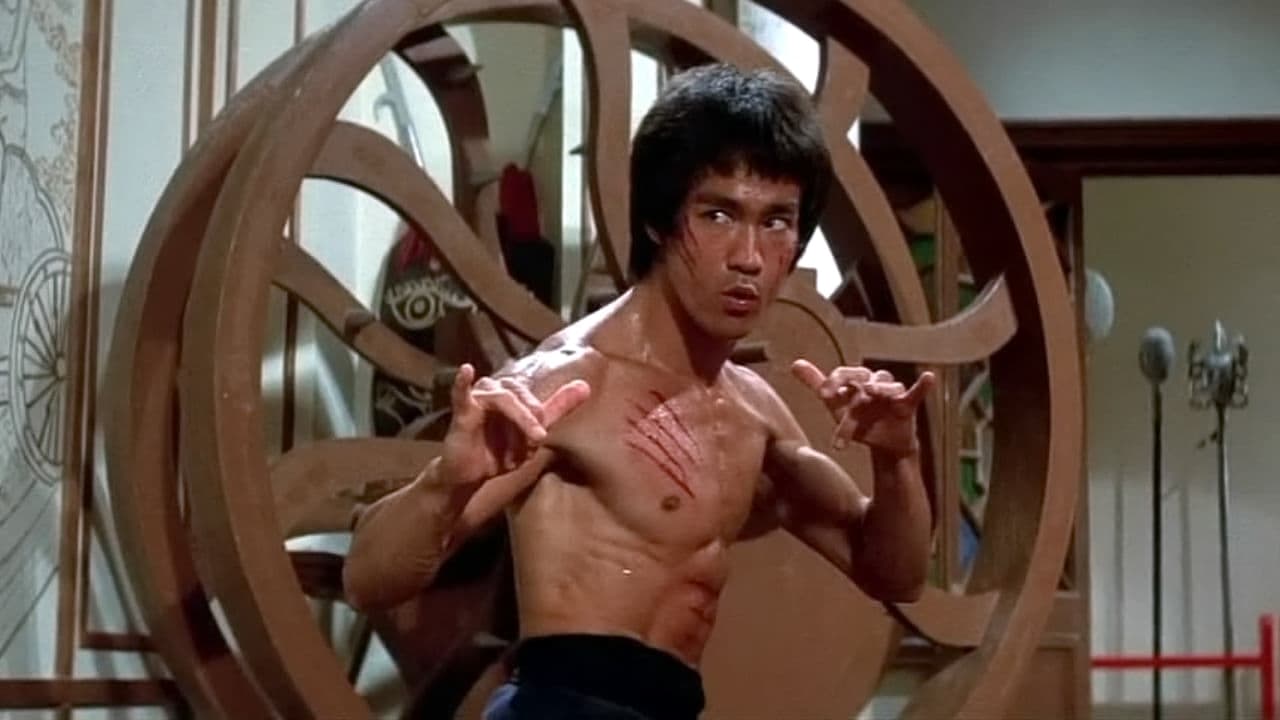
The film's climax in the hall of mirrors is a masterwork of practical filmmaking. Without CGI, the crew had to find ingenious ways to hide the cameras and lights among hundreds of reflective surfaces. It’s a psychedelic, disorienting finale that forces Lee to fight his own image as much as he fights Han. Speaking of Han, the villain’s interchangeable prosthetic hands are delightfully campy, looking like something scavenged from a mid-tier seafood restaurant. Yet, because the movie takes itself just seriously enough, it works.
Ultimately, Enter the Dragon is the "gateway drug" of action cinema. It’s the reason why video stores in the 80s had entire sections dedicated to martial arts and why kids for the last fifty years have been making "waaaa-taaa!" noises in their backyards. While some of the supporting acting is a bit wooden and the pacing in the second act slows down to accommodate some 70s-era "investigative" fluff, the moment Lee enters the frame, the energy shifts. He was a once-in-a-century lightning bolt captured on celluloid.
This isn't just a movie for people who like to see guys get kicked in the head; it’s a study in screen presence. If you haven't seen it in a few years, put it on. It’s one of the few legends that actually lives up to its own myth. Just try not to break any furniture while the credits are rolling.
Keep Exploring...
-
The Way of the Dragon
1972
-
Fist of Fury
1972
-
Duel
1971
-
The French Connection
1971
-
Bloodsport
1988
-
Planet of the Apes
1968
-
On Her Majesty's Secret Service
1969
-
The Warriors
1979
-
Dirty Harry
1971
-
Death Wish
1974
-
Assault on Precinct 13
1976
-
Drunken Master
1978
-

Escape from New York
1981
-
Conan the Barbarian
1982
-

Star Trek II: The Wrath of Khan
1982
-
Tron
1982
-
The Terminator
1984
-
Commando
1985
-
Big Trouble in Little China
1986
-
Highlander
1986