Magnum Force
"A man's got to know his limitations."
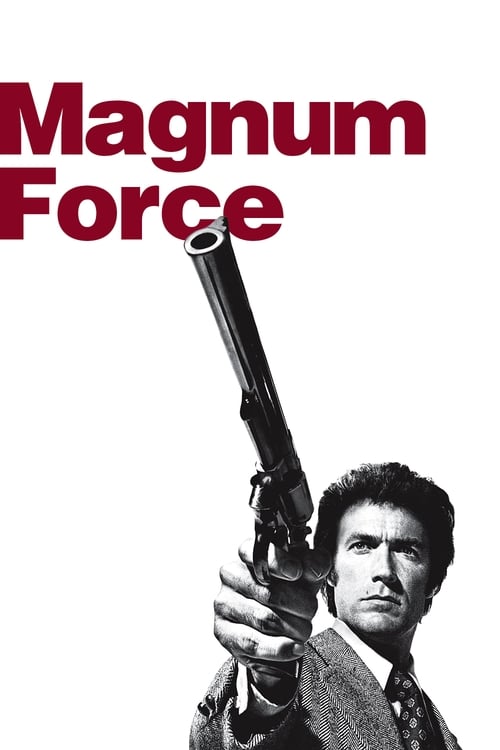
The Smith & Wesson Model 29 isn't just a sidearm in Magnum Force; it’s practically the primary protagonist. In the 1970s, that long, tapering barrel became the silhouette of American justice—or at least, a very specific, sweat-stained, San Franciscan brand of it. I watched this one on a rainy Tuesday while trying to fix a leaking kitchen faucet, and I swear the rhythmic drip-drip-drip of the sink perfectly synced up with Lalo Schifrin’s twitchy, jazz-fusion bassline. It’s a film that demands that kind of atmosphere: a bit cold, a bit damp, and deeply cynical.
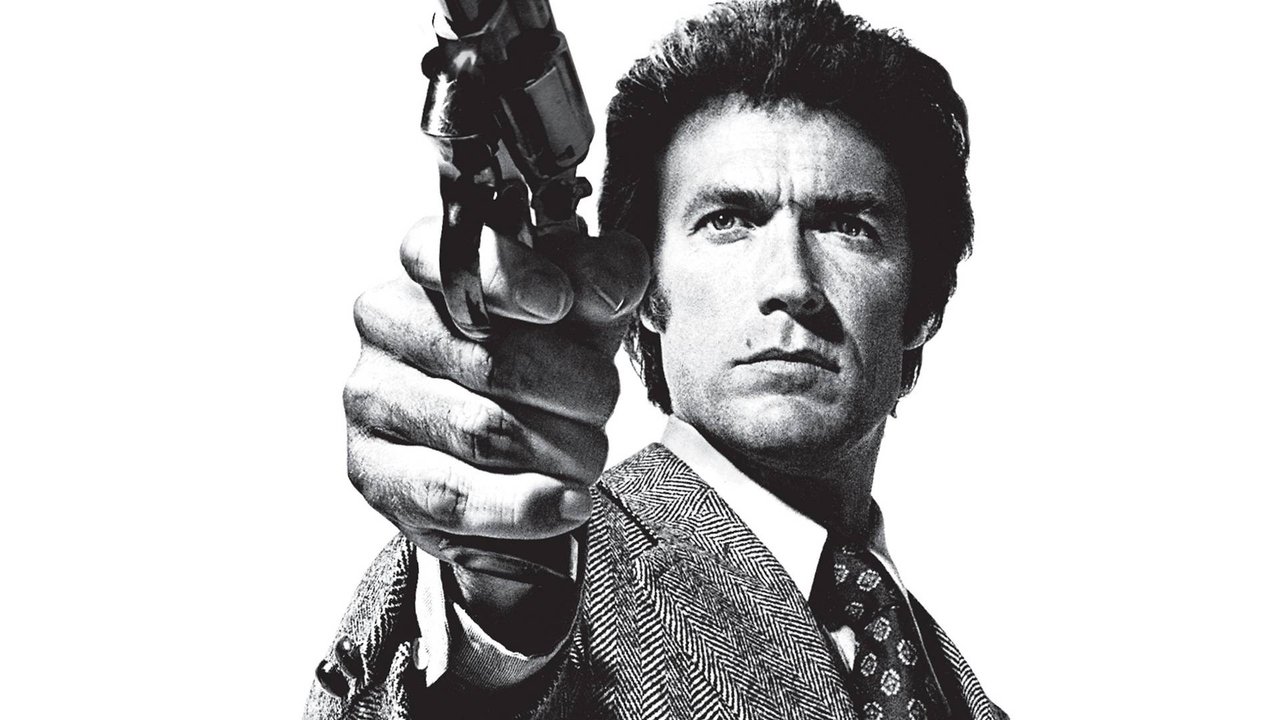
Coming off the massive, controversial success of 1971’s Dirty Harry, Clint Eastwood found himself in a weird spot. Critics (most famously Pauline Kael) had branded the character a proto-fascist. The sequel, then, feels like a deliberate, fascinating course correction. Screenwriters John Milius and Michael Cimino—two titans of New Hollywood who couldn't be more different if they tried—teamed up to ask a provocative question: If Harry Callahan is a loose cannon, what does a truly lawless police force look like? The answer is a group of fresh-faced, white-gloved traffic cops who have decided that the judicial system is a broken engine that needs to be replaced by a firing squad.
The Grime of the Golden Gate
While the first film was a cat-and-mouse thriller with a flamboyant villain, Magnum Force is a much darker, more procedural dive into the rot within the system. Ted Post takes over the director’s chair from Don Siegel, and while he lacks Siegel’s lean, muscular economy, he excels at capturing the sheer scale of the urban decay. The San Francisco here isn't the postcard version; it’s a city of concrete shadows and parking garages.
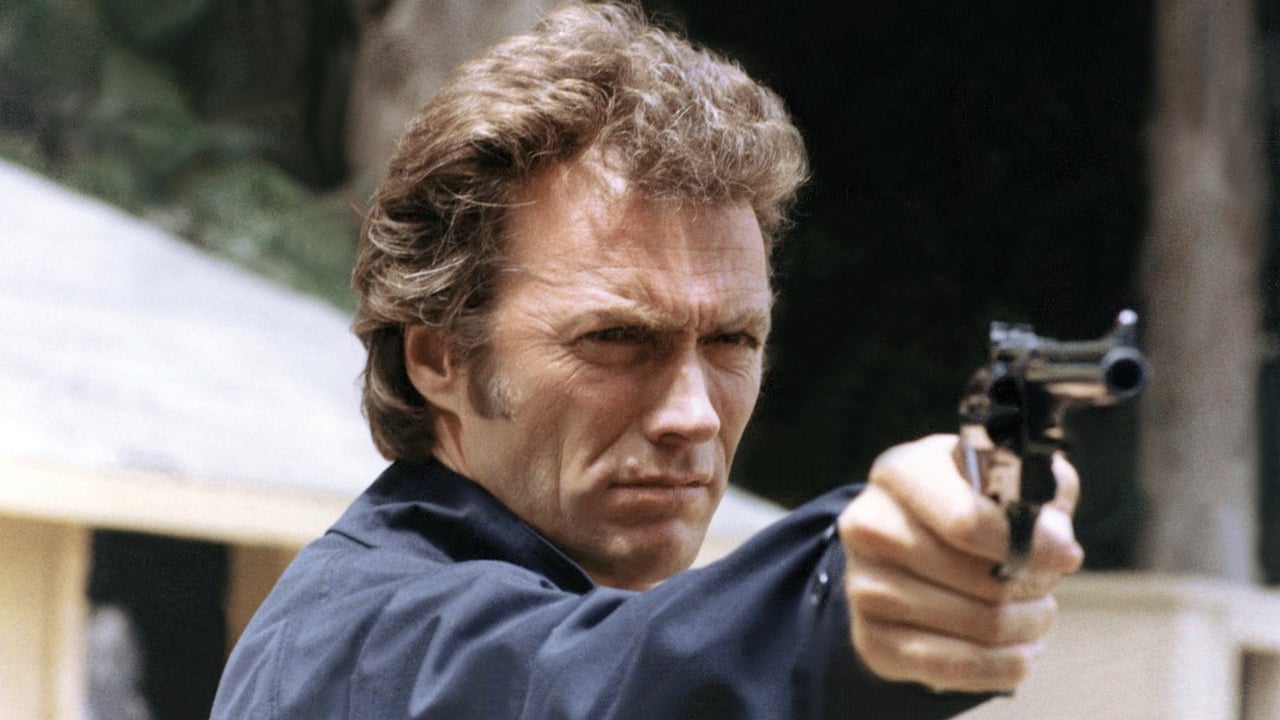
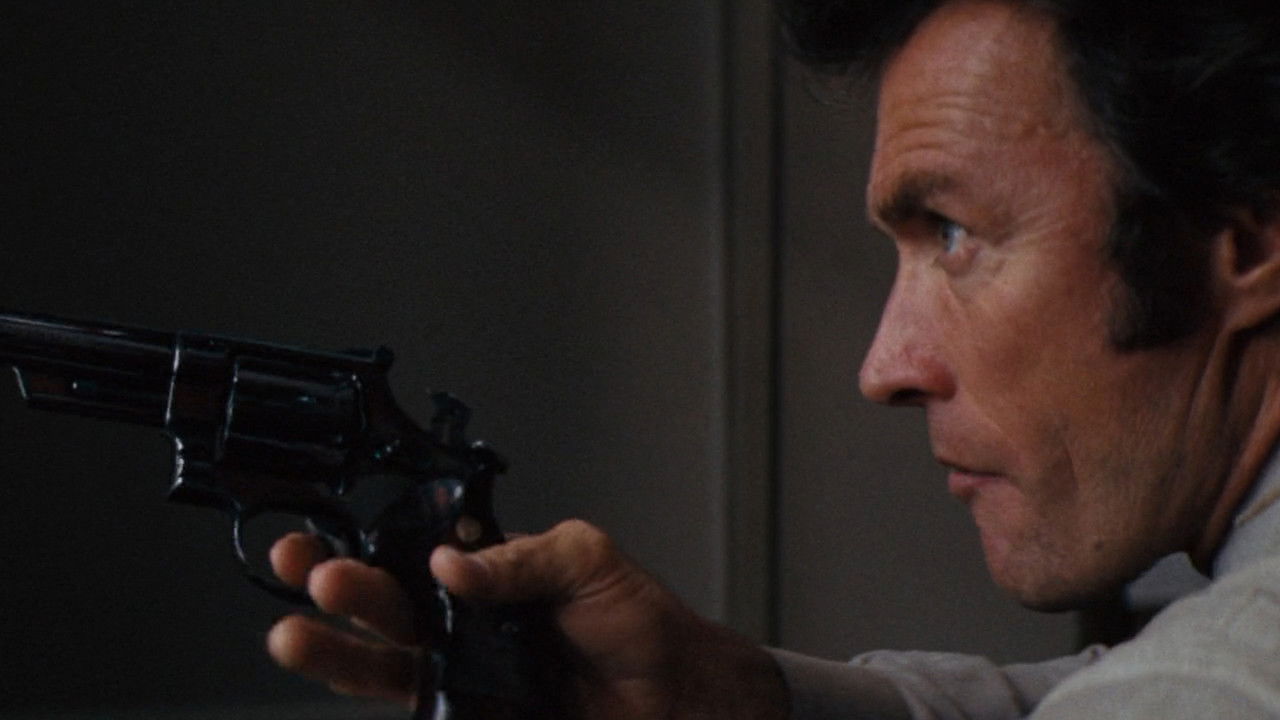
The plot kicks off with a series of vigilante hits on mobsters and pimps. At first, you’re almost tempted to cheer—until you realize these rookie cops aren't heroes; they’re robots. David Soul (pre-Starsky & Hutch), Robert Urich, and Tim Matheson play the rogue officers with a chilling, blue-eyed blankness. They are the terrifying logical extreme of Harry’s own "shoot-first" philosophy, and watching Clint Eastwood realize he’s the "moderate" in the room provides the film’s best tension. Clint plays Harry with a perpetual squint that suggests he’s not just looking for perps, but trying to see through the fog of his own morality. He’s a walking recruitment poster for Smith & Wesson who suddenly realizes the poster is being used for target practice by the wrong people.
Practical Mayhem and 70s Grit
In the pre-CGI era, action had a weight that you can feel in your marrow. The motorcycle stunts in Magnum Force are legitimately insane. There’s a sequence involving a bike jumping between two mothballed aircraft carriers in the shipyard that makes modern green-screen chases look like Saturday morning cartoons. These weren't digital doubles; these were stuntmen like Buddy Van Horn (who would later direct Clint in Any Which Way You Can) putting their actual necks on the line.
The violence here has a 70s "sting" to it, too. It’s unglamorous and often ugly. There’s a scene involving a pool party and a submachine gun that is staged with a cold, geometric precision that feels more like a horror movie than an action flick. It’s that New Hollywood nihilism—the idea that the world is a dangerous place, and even the people meant to protect you might just be the ones holding the stopwatch on your life. Hal Holbrook is pitch-perfect as Lieutenant Briggs, the "by-the-book" foil to Harry who represents the bureaucratic arrogance that allows this kind of corruption to fester. His chemistry with Eastwood is all vinegar and no oil; they grate against each other beautifully.
The VHS Legacy and the Big Box Era
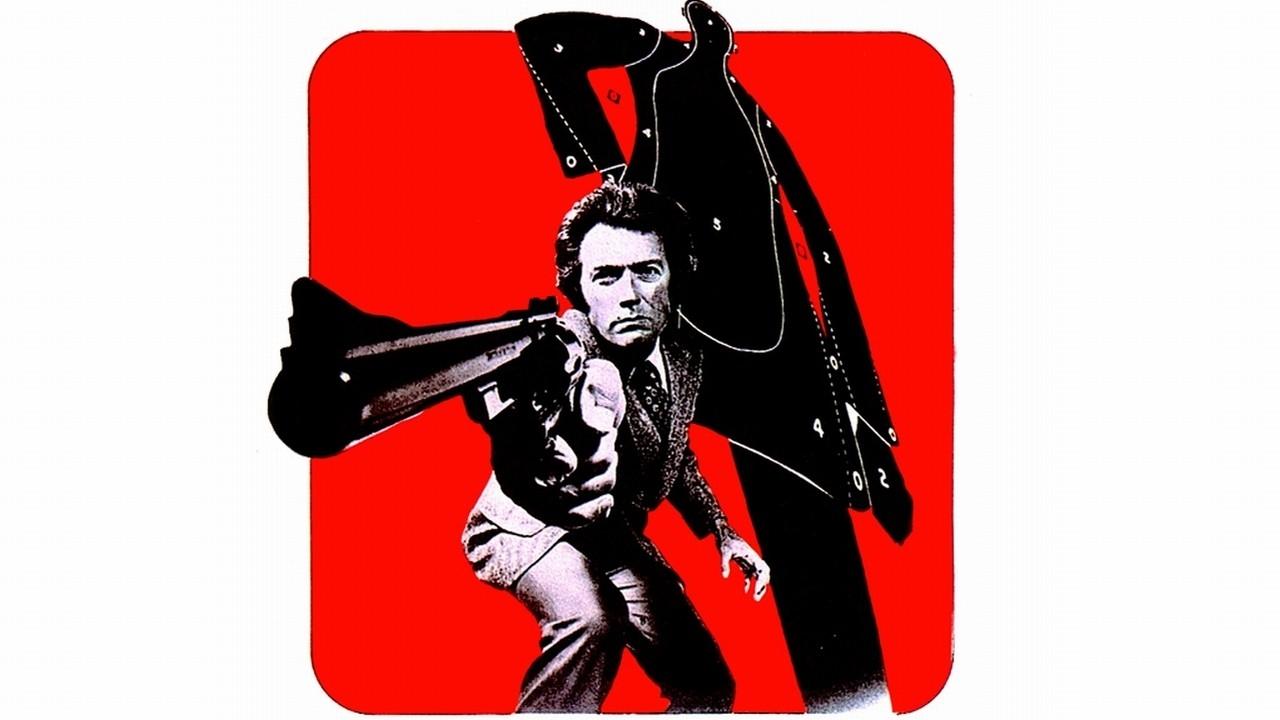
For those of us who grew up scouring the "Action" aisles of local video stores, Magnum Force was a staple of the Warner Bros. "Big Box" era. You remember those—the oversized cardboard clamshells that took up too much space on the shelf but felt like holding a brick of pure cinema. The cover art, usually featuring Eastwood’s looming visage and that massive handgun, promised a level of testosterone that the movie actually delivered. On a grainy VHS tape, the film's muted color palette and harsh shadows looked even more oppressive, turning the San Francisco fog into a literal shroud.
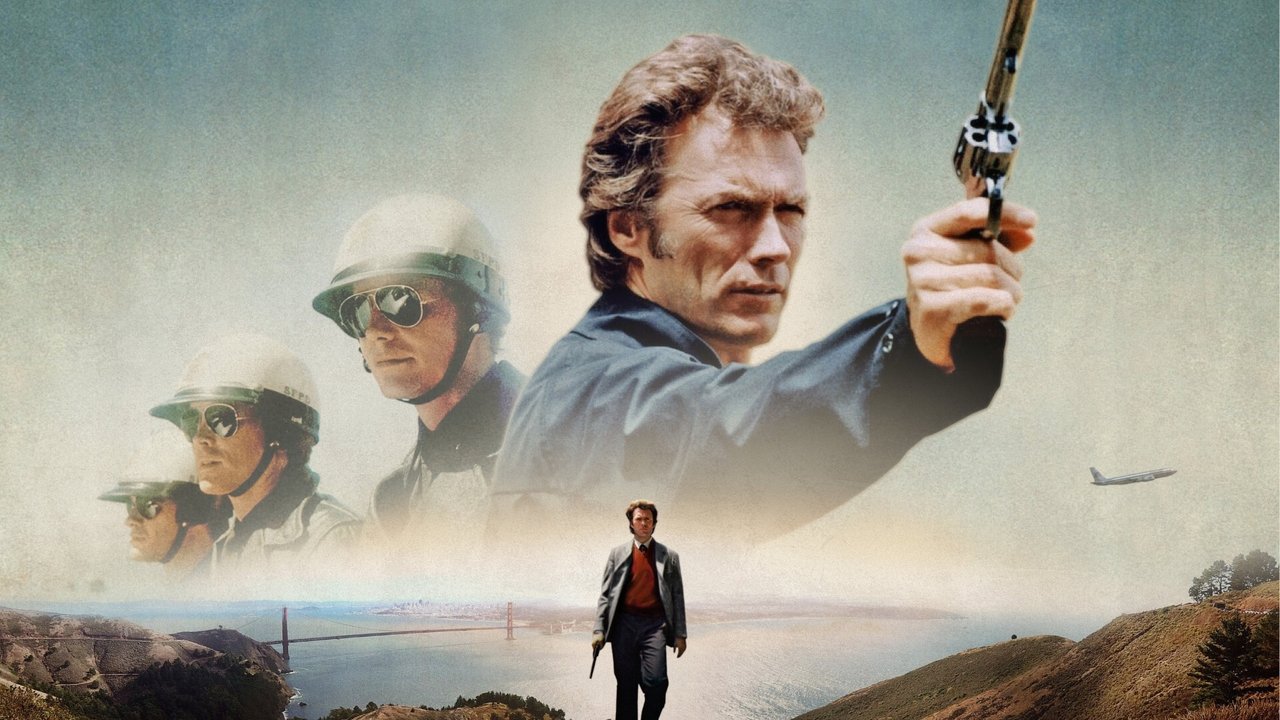
Interestingly, John Milius originally wanted the film to be even more extreme, but Cimino’s influence added a layer of mystery and character depth that keeps it from being just a body-count movie. It’s a sequel that actually justifies its existence by challenging its predecessor's ideology. The shipyard climax is the cinematic equivalent of a heavy metal solo played on a shotgun, providing a high-octane payoff to a story that spent two hours simmering in systemic dread.
Magnum Force is a rare sequel that understands that the only way to top a classic is to subvert it. It trade’s the first film’s slasher-movie energy for a sprawling, paranoid conspiracy vibe that fits the post-Watergate era like a glove. It’s sweaty, loud, and unapologetically grim, anchored by an Eastwood performance that proves Harry Callahan is at his most interesting when he’s the only one left holding a moral compass—even if that compass is made of steel and chambered in .44 Magnum. If you haven't revisited this one lately, turn off the lights, ignore the dripping faucet, and let Lalo Schifrin’s score take you back to a time when justice was measured in muzzle velocity.
Keep Exploring...
-
Dirty Harry
1971
-

The Enforcer
1976
-
The Dead Pool
1988
-
Sudden Impact
1983
-
Marathon Man
1976
-
The Killer
1989
-
Bullitt
1968
-
Lock Up
1989
-
West Side Story
1961
-
The Longest Day
1962
-
Bonnie and Clyde
1967
-
Cool Hand Luke
1967
-
The Outsiders
1983
-
Blood Simple
1985
-
Mississippi Burning
1988
-
Crimes and Misdemeanors
1989
-
Death Wish
1974
-
Red Dawn
1984
-
Le Samouraï
1967
-
Butch Cassidy and the Sundance Kid
1969