Mean Streets
"Hell is a sidewalk in Little Italy."
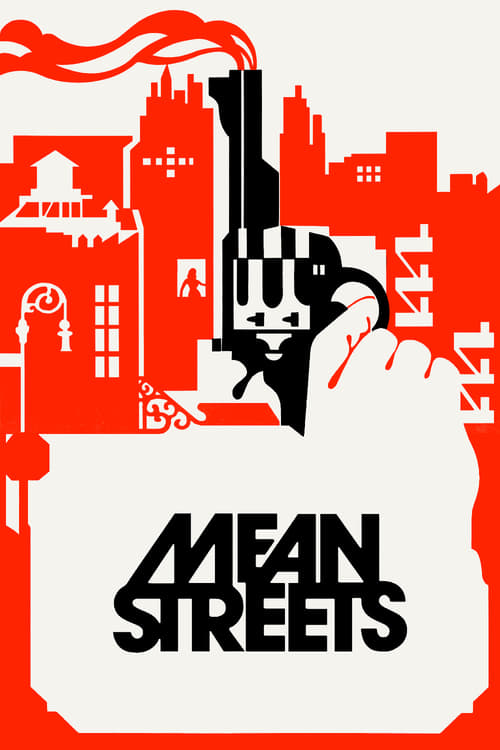
The film doesn’t open with a sweeping vista of New York or a title card explaining the socio-economics of the 1970s. It starts with grainy, 8mm home movies. You see a wedding, a baptism, and a group of guys smiling at a camera that feels like it’s being held by a cousin who’s had one too many. Then, the Ronettes’ "Be My Baby" kicks in, and suddenly, the nostalgia feels like a threat. It’s one of the most confident openings in cinema history, signaling that Martin Scorsese wasn’t just making a movie; he was exorcising his own neighborhood’s demons.
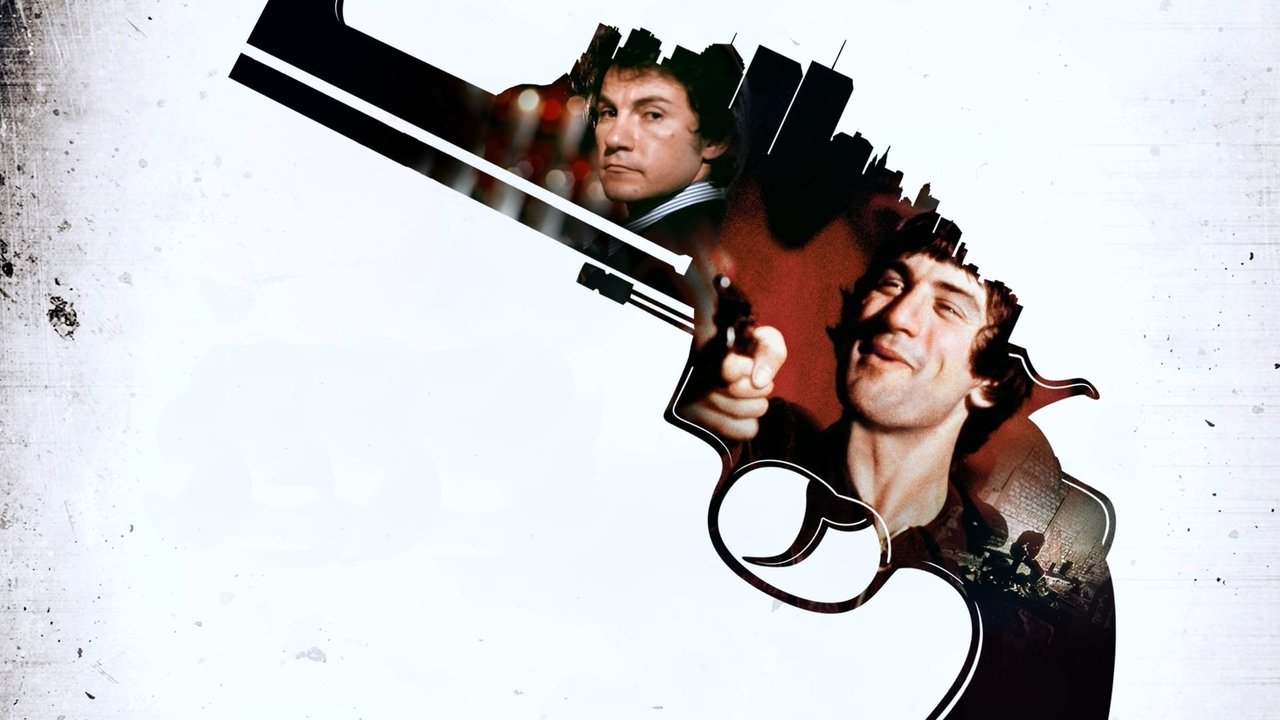
I watched this most recent time while my radiator was doing this rhythmic, metallic clanking that sounded suspiciously like a pipe hitting a debt-collector's skull, and honestly, the ambient noise only added to the experience. Mean Streets isn't a polished "mafia" movie. It’s a movie about the guys who hang out on the corner wishing they were the guys in the "mafia" movies.
The Sacred and the Profane
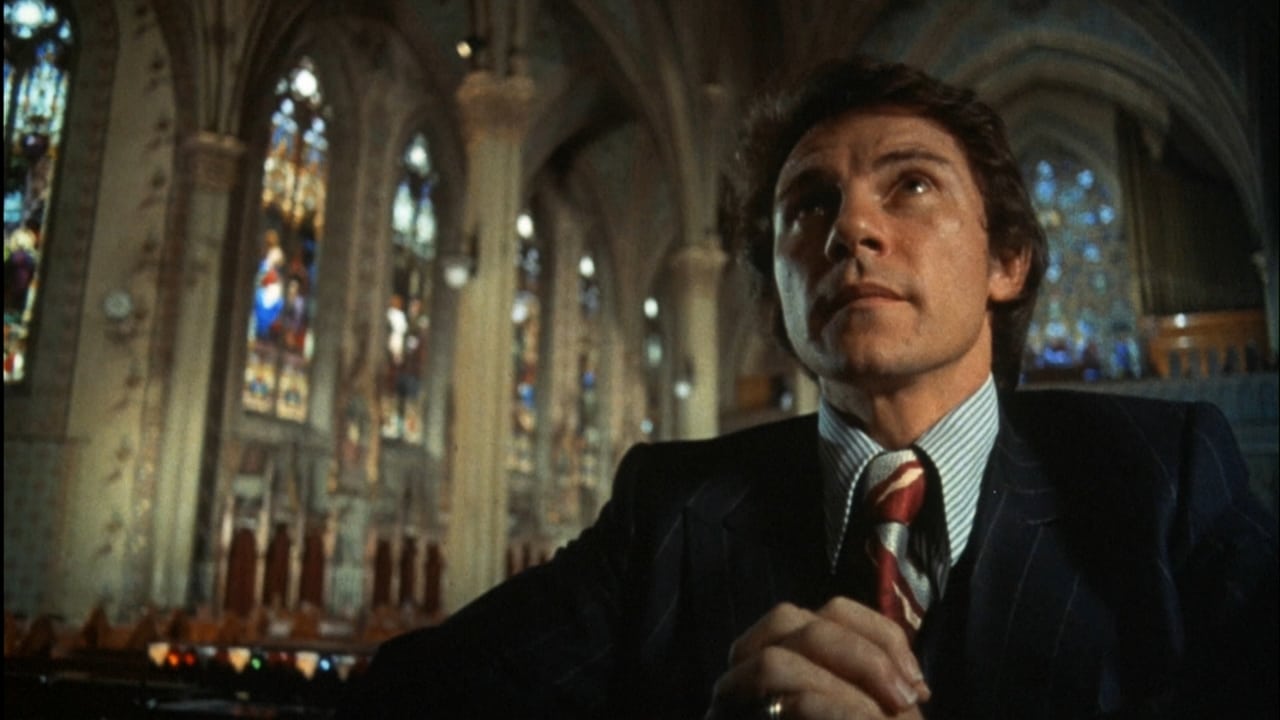
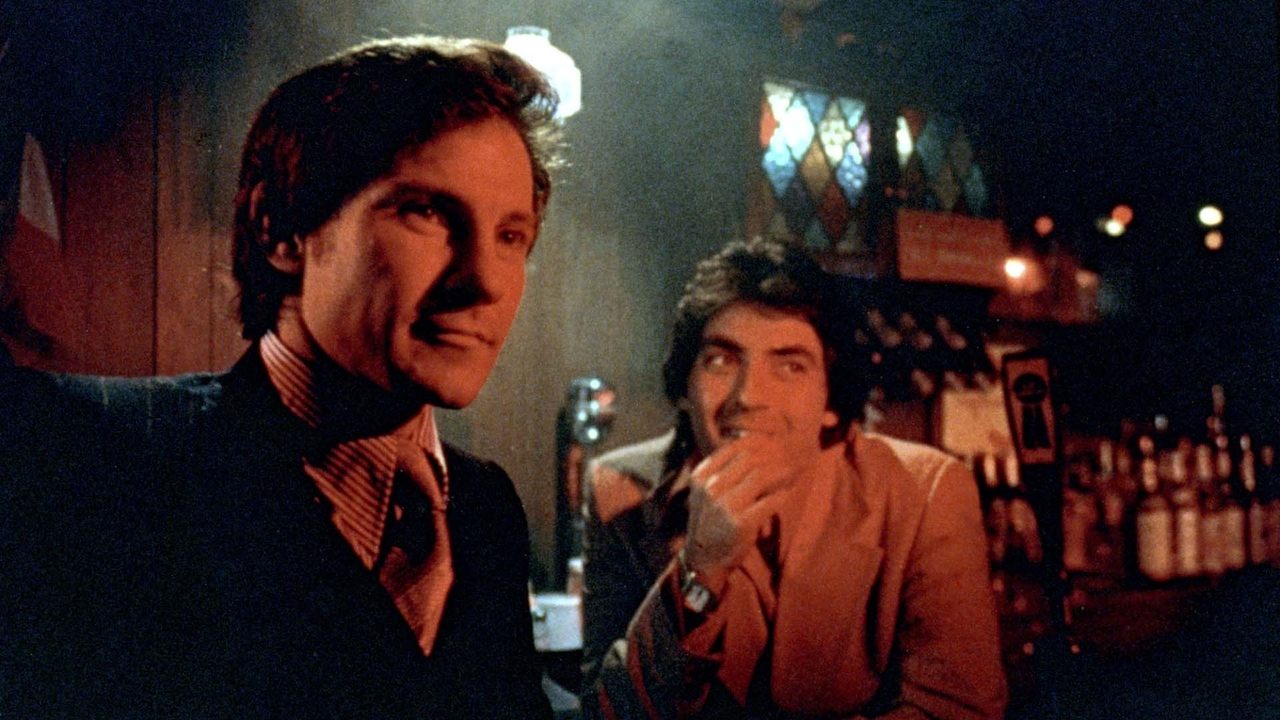
At the center of this hurricane is Charlie, played with a twitchy, internal agony by Harvey Keitel. Charlie is a man trying to reconcile his Catholic guilt with his desire to move up in his uncle’s criminal organization. He’s the kind of guy who tests his fingers over a candle flame to see if he can handle the heat of Hell, which is a fairly dramatic way to spend a Tuesday night, but it tells you everything you need to know about his headspace.
Harvey Keitel’s Charlie has the backbone of an overcooked noodle when it comes to his social circle, but his internal monologue is a battlefield. He wants to be a saint, but he lives in a world where the only way to survive is to be a sinner. His chemistry with Amy Robinson, who plays his secret girlfriend Teresa, is brittle and desperate. She’s his "epileptic" secret, a woman the neighborhood looks down upon, and his refusal to stand up for her reveals the cowardice lurking behind his sharp suits.
Then there’s Johnny Boy. If Charlie is the conscience of the film, Robert De Niro is its chaos. This was the role that put De Niro on the map, and for good reason. He enters the film in a black hat with a literal bomb in a trash can, strolling into a bar like he owns the air everyone else is breathing. He is the ultimate "friend from hell"—the guy you love but who is inevitably going to get you killed because he owes money to everyone in a three-mile radius and finds the whole thing hilarious.
The Guerilla Spirit of ’73
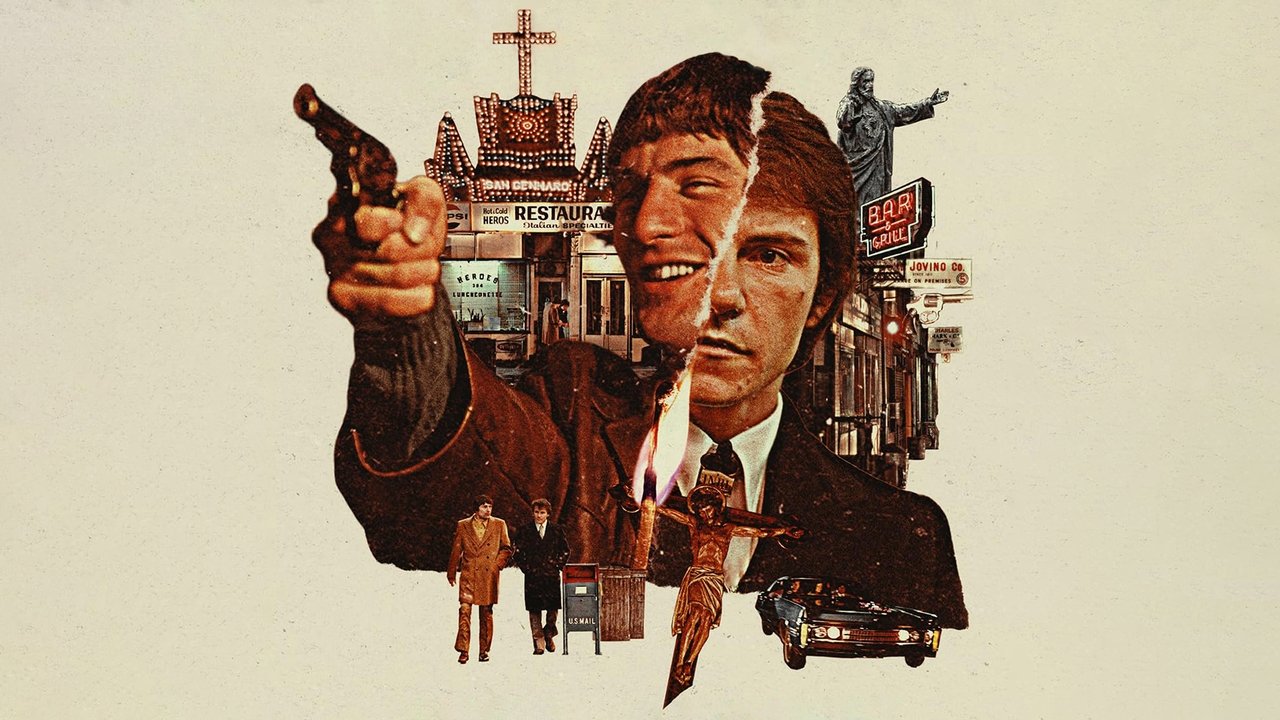
What makes Mean Streets such a standout "Indie Gem" isn't just the performances; it’s the sheer resourcefulness of the production. Scorsese had a measly $500,000 to play with. Because of the tight budget, he couldn’t actually afford to shoot the whole thing in New York. Believe it or not, most of this quintessential NYC film was shot in Los Angeles. They spent about six days in New York doing the exterior "run and gun" shots—grabbing footage on the fly like they were stealing it—and the rest was faked on West Coast sets.
You can feel that frantic energy in the cinematography by Kent L. Wakeford. The camera is often handheld, weaving through the red-drenched interior of Tony’s bar (played by David Proval). That red lighting is everything. It’s oppressive, making the bar look like a waiting room for the afterlife. The budget was so tight that Scorsese’s own mother, Catherine, ended up doing the catering and appearing in the film, a tradition that would continue for decades.
The music rights for songs like "Jumpin' Jack Flash" and "I'm a Believer" reportedly ate up nearly half the budget. It was a massive gamble at the time, but it defined the "Scorsese sound"—that marriage of pop culture and extreme violence that every filmmaker has been trying to rip off since the mid-70s.
A Legacy on Magnetic Tape
While it didn't set the box office on fire in 1973, Mean Streets became a sacred text for film geeks during the VHS revolution. I remember seeing those early rental boxes where the cover art tried to make it look like a generic action flick to compete with the high-octane 80s blockbusters. But for those who took it home, it offered something much darker and more honest. It’s a film that demands repeat viewings, not for the plot—which is intentionally loose and episodic—but for the atmosphere.

You watch it to see Richard Romanus and De Niro engage in the most pathetic, high-stakes argument over a debt in a pool hall. You watch it to see Harvey Keitel try to navigate a conversation with his mobster uncle Cesare Danova, where every word feels like it’s being weighed on a scale. It’s a film about the weight of being watched—by your family, your church, and your peers—and the crushing realization that you might never be more than a small-time hood.
The ending is abrupt, violent, and messy, exactly like the lives these characters lead. It doesn't offer a clean resolution because there isn't one for guys like Charlie and Johnny Boy. There's just the next debt, the next sin, and the flickering red light of the bar.
Mean Streets is the raw, unpolished heart of New Hollywood. It’s a film that proves you don’t need a massive budget to create a world that feels lived-in and terrifyingly real; you just need a director with a vision and a cast willing to bleed for the camera. It remains the gold standard for independent crime dramas, capturing a specific time and place with an intensity that hasn't dimmed in fifty years. If you haven't seen it, you're missing the moment a master found his voice.
Keep Exploring...
-

Taxi Driver
1976
-
Casino
1995
-
After Hours
1985
-

The Irishman
2019
-
Serpico
1973
-
Badlands
1974
-

The Conversation
1974
-
Raging Bull
1980
-
Cape Fear
1991
-
Straw Dogs
1971
-
Midnight Express
1978
-
GoodFellas
1990
-
Killers of the Flower Moon
2023
-
In the Heat of the Night
1967
-

Breathless
1960
-
Pierrot le Fou
1965
-
Dog Day Afternoon
1975
-
The King of Comedy
1982
-
Death Wish
1974
-
Butch Cassidy and the Sundance Kid
1969