My Name Is Nobody
"The Old West’s last legend meets its first fanboy."

The 1973 cinematic landscape was a strange, dusty crossroads. The grim, operatic violence of the Spaghetti Western was losing its teeth, being replaced by the "bean-eating" slapstick comedies of the Trinity films. Standing right at the center of this identity crisis is My Name Is Nobody, a film that functions as both a heartfelt eulogy for the genre and a pie-in-the-face prank. I watched this for the first time while nursing a spectacular stomach ache brought on by a questionable lukewarm carnitas burrito, and somehow, the film’s bizarre tonal shifts were the only thing that made sense in my world that afternoon.
The Passing of the Holster
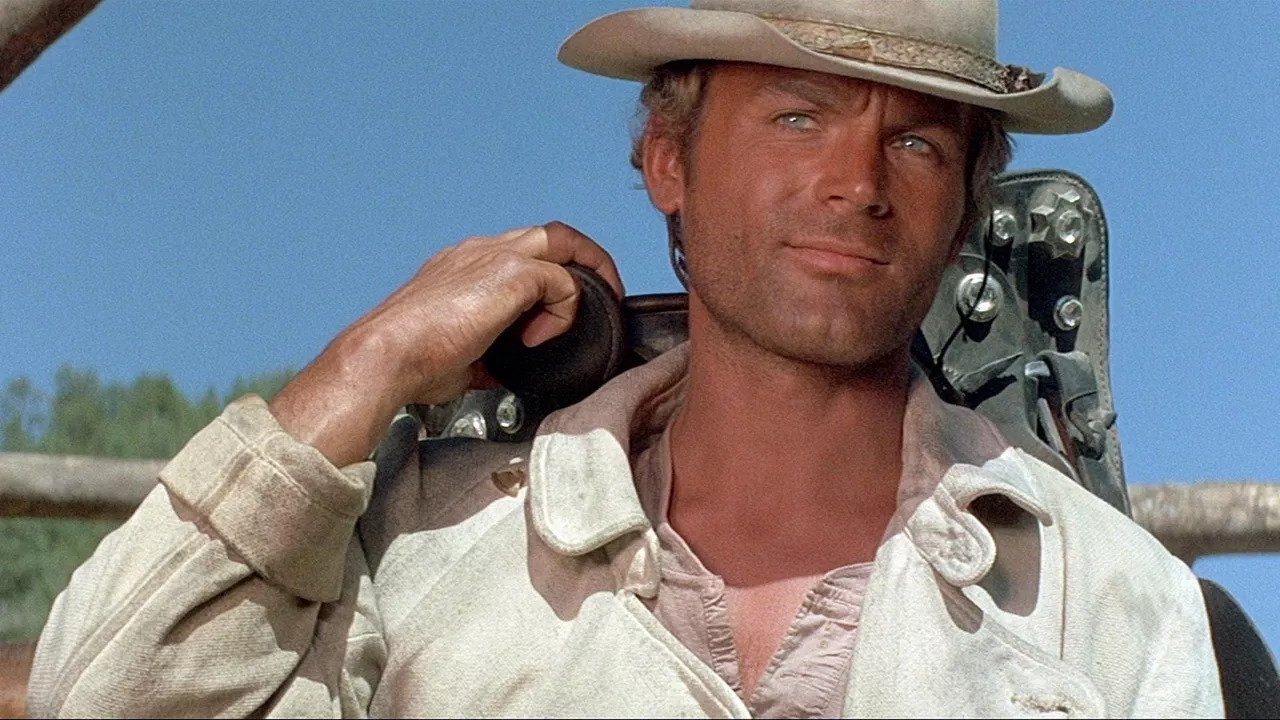
The film is a meta-commentary masquerading as a comedy. You have Henry Fonda, the ultimate icon of American Western stoicism, playing Jack Beauregard. He’s tired, he’s old, and he just wants to catch a boat to Europe and disappear into the history books. Then you have Terence Hill, playing "Nobody," a blue-eyed, perpetually grinning trickster who represents the new, sillier era of the genre.
Nobody doesn't want to kill his hero; he wants to curate his hero’s legacy. He insists that Beauregard go out in a "blaze of glory" by facing down the Wild Bunch—a literal army of 150 outlaws. The chemistry here shouldn't work. Henry Fonda is acting in a John Ford movie, while Terence Hill is acting in a Looney Tunes short. Yet, their dynamic is oddly touching. Watching Fonda maintain his legendary gravitas while Hill performs high-speed slapstick slaps (achieved through some very clever camera under-cranking) is like watching a Shakespearean actor perform a scene with a golden retriever. Fonda spends half the movie looking like he wants to file a restraining order against his own co-star, and that irritation feels 100% authentic.
Practical Pranks and Morricone Magic
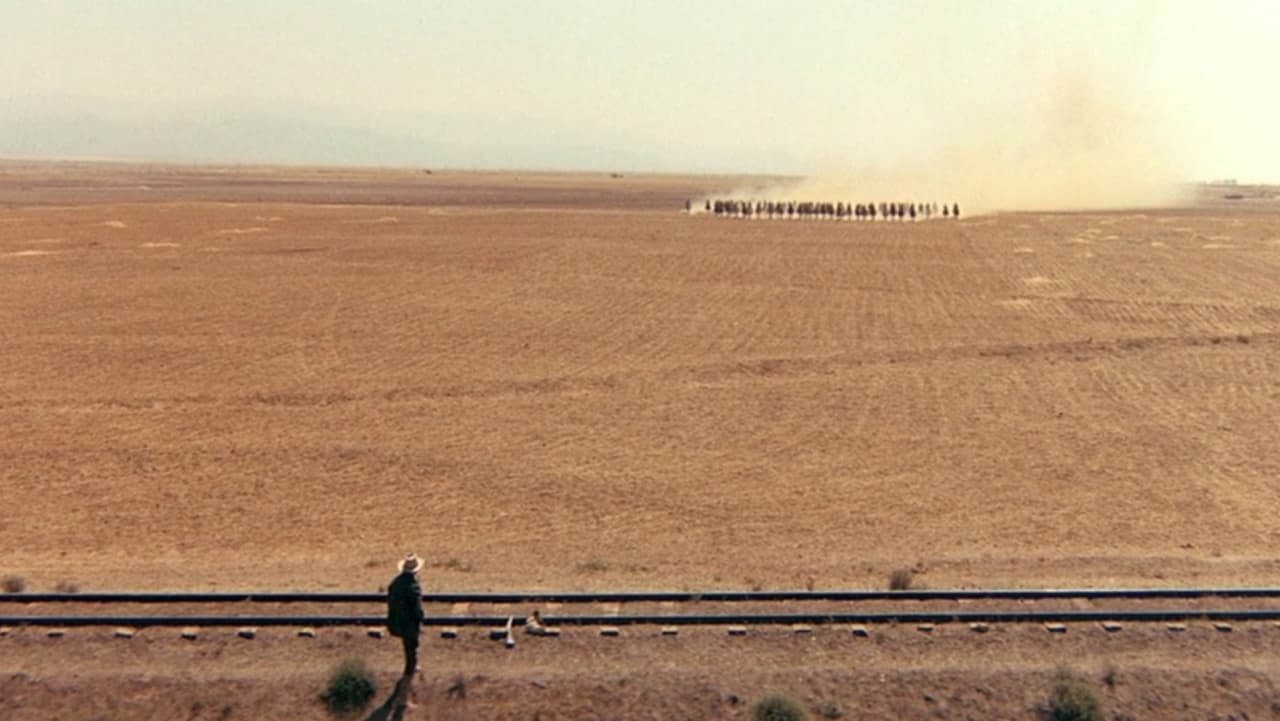
From a technical standpoint, this is a masterclass in pre-CGI spectacle. When the 150 riders of the Wild Bunch crest the horizon, they aren't digital clones; they are 150 actual horses and stuntmen kicking up real dust. On an old CRT television, the scale of this was often lost—the riders looked like a blurry line of ants—but seeing it today reveals the sheer logistics of the era.
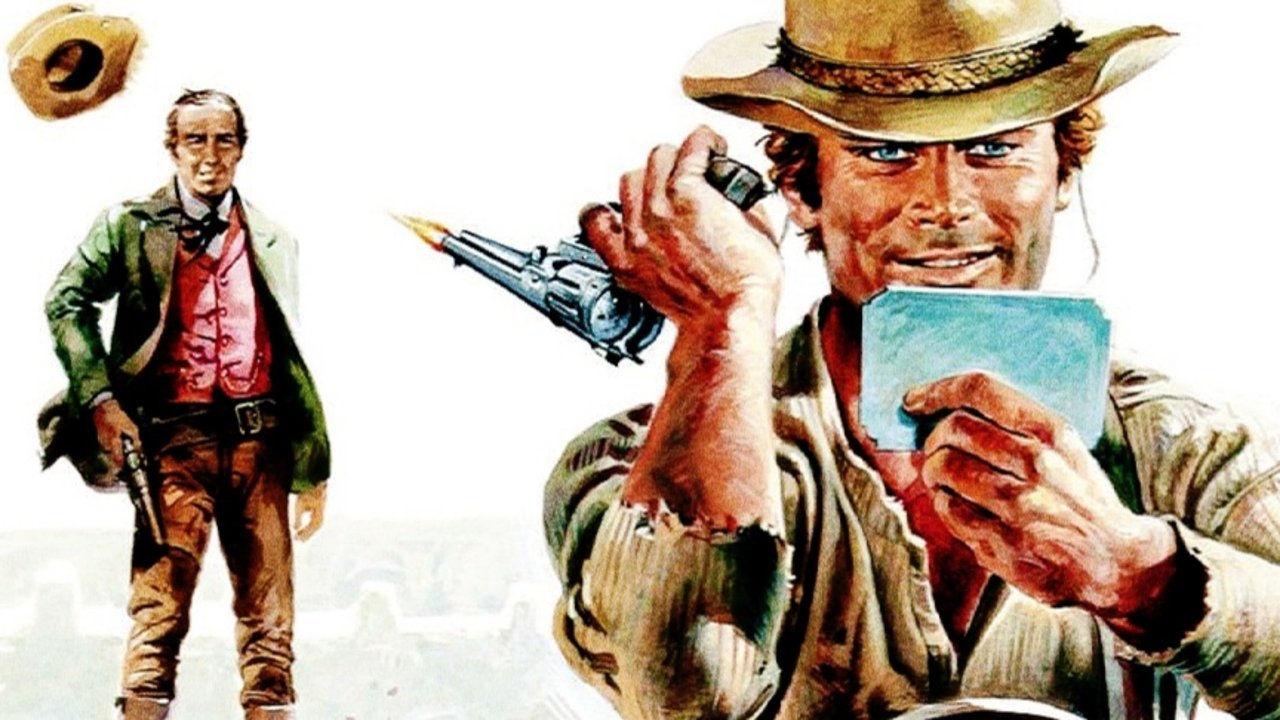
The comedy relies heavily on rhythmic timing and visual gags. The famous "saloon duel," where Nobody repeatedly draws his gun, slaps his opponent, and replaces the gun so fast it seems like magic, is a perfect example of the era’s "practical effect" ingenuity. It’s purely a product of editing and performance, yet it’s more entertaining than any modern CGI bullet-time sequence.
Then there is the score by Ennio Morricone. It is, without exaggeration, some of his most playful work. He takes Richard Wagner’s "Ride of the Valkyries" and twists it into a mockery every time the villains appear. It’s a brilliant joke: the 'Wild Bunch' are less of a threat and more of a synchronized swimming team for bullets, and Morricone’s music lets you in on the gag immediately.
The Dusty Relic of the Rental Aisle
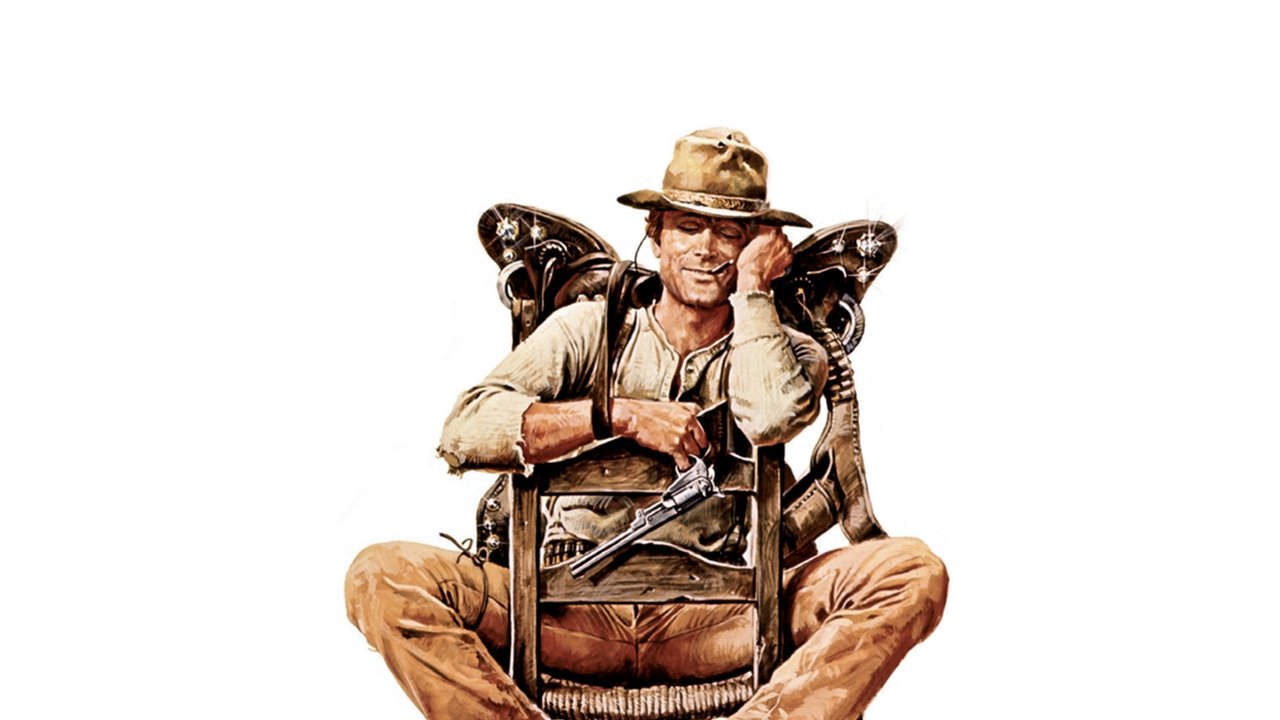
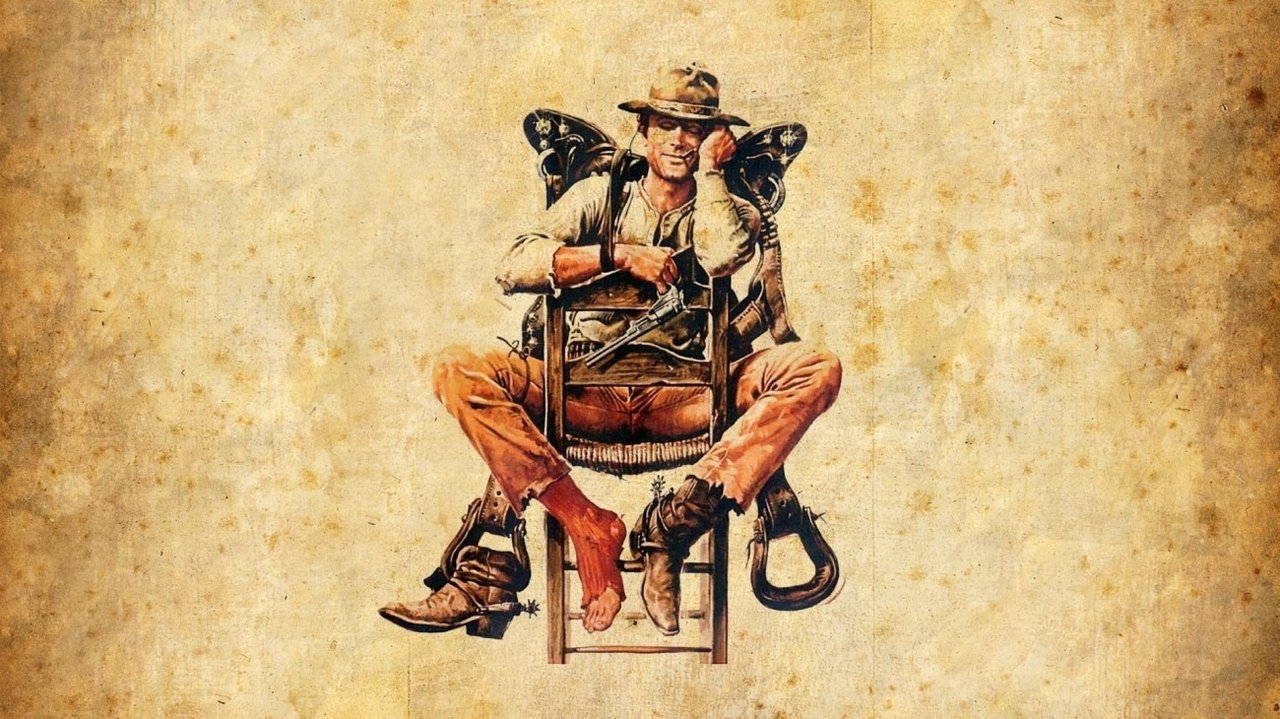
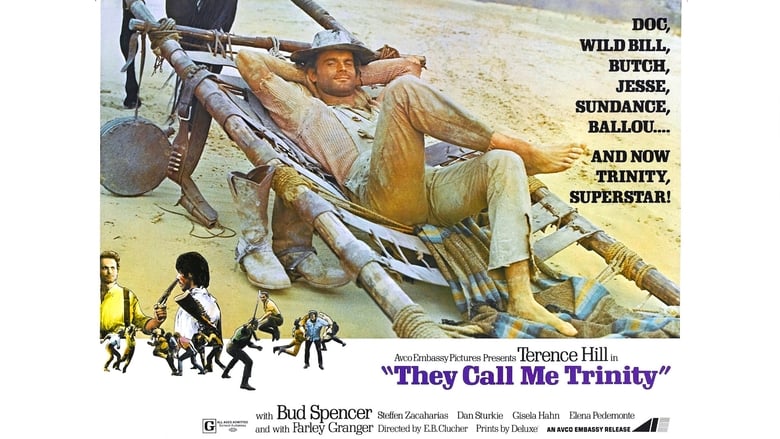
For a long time, My Name Is Nobody lived in a sort of distribution purgatory. It was a staple of those 1980s video stores where the box art was often misleading. I remember seeing a VHS cover for this that featured a gritty, sweat-stained Henry Fonda looking like he was in a brutal revenge flick, only to take it home and find Terence Hill catching a fish with his bare hands and winning a glass-shattering drinking contest.
The film was produced by Sergio Leone, the man who basically invented the Spaghetti Western, and while Tonino Valerii is the credited director, Leone’s fingerprints are everywhere. There are rumors that Leone directed the tensest duels himself, while Valerii handled the comedy. Whether that’s true or not, the result is a film that feels like a "greatest hits" compilation of the genre’s tropes being lovingly dismantled. It’s a movie that understands that for something new to be born, the old must be buried with honors—and maybe a few well-timed jokes.
My Name Is Nobody is a rare bird: a sequel-in-spirit that manages to be both a parody and a tribute. It captures that specific 1970s transition from artistic grit to high-concept fun without losing its soul. If you’ve only ever seen Henry Fonda as the stern patriarch or Terence Hill as the slapstick king, seeing them collide in the middle of a desert is a cinematic "odd couple" pairing that actually pays off. It’s the perfect five-minute-wait-for-the-bus recommendation because it reminds us that legends don't always have to die—sometimes they just get to retire and watch the kids take over.
Keep Exploring...
-
They Call Me Trinity
1970
-
Trinity Is Still My Name
1971
-

Watch Out, We're Mad
1974
-
¡Three Amigos!
1986
-
High Plains Drifter
1973
-
Blazing Saddles
1974
-
The Wing or the Thigh?
1976
-
Amarcord
1973
-
Fantozzi: White Collar Blues
1975
-
Asterix and Cleopatra
1968
-
The Wild Bunch
1969
-
M*A*S*H
1970
-

Bedknobs and Broomsticks
1971
-
Duck, You Sucker
1971
-
Harold and Maude
1971
-

The Mad Adventures of Rabbi Jacob
1973
-

Murder by Death
1976
-
The Outlaw Josey Wales
1976
-
The Twelve Tasks of Asterix
1976
-
Drunken Master
1978