Papillon
"The only thing harder to break than the prison is the man."
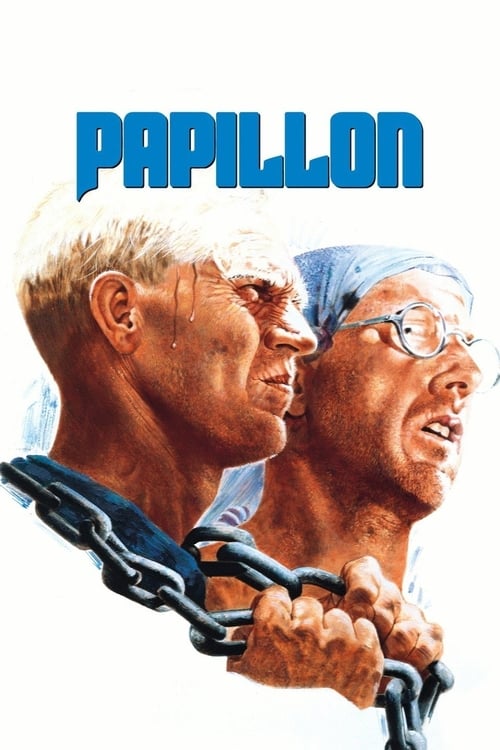
The sound that stays with me isn’t the crashing surf of the Caribbean or the tropical birds screaming in the brush. It’s the heavy, wet thud of the guillotine blade hitting the block in the opening act. It’s a sound that tells you exactly what kind of movie you’re settling into. This isn’t a fun, "let’s dig a hole with a spoon" caper. It’s a 151-minute marathon of humidity, infection, and the kind of stubbornness that borders on psychosis.
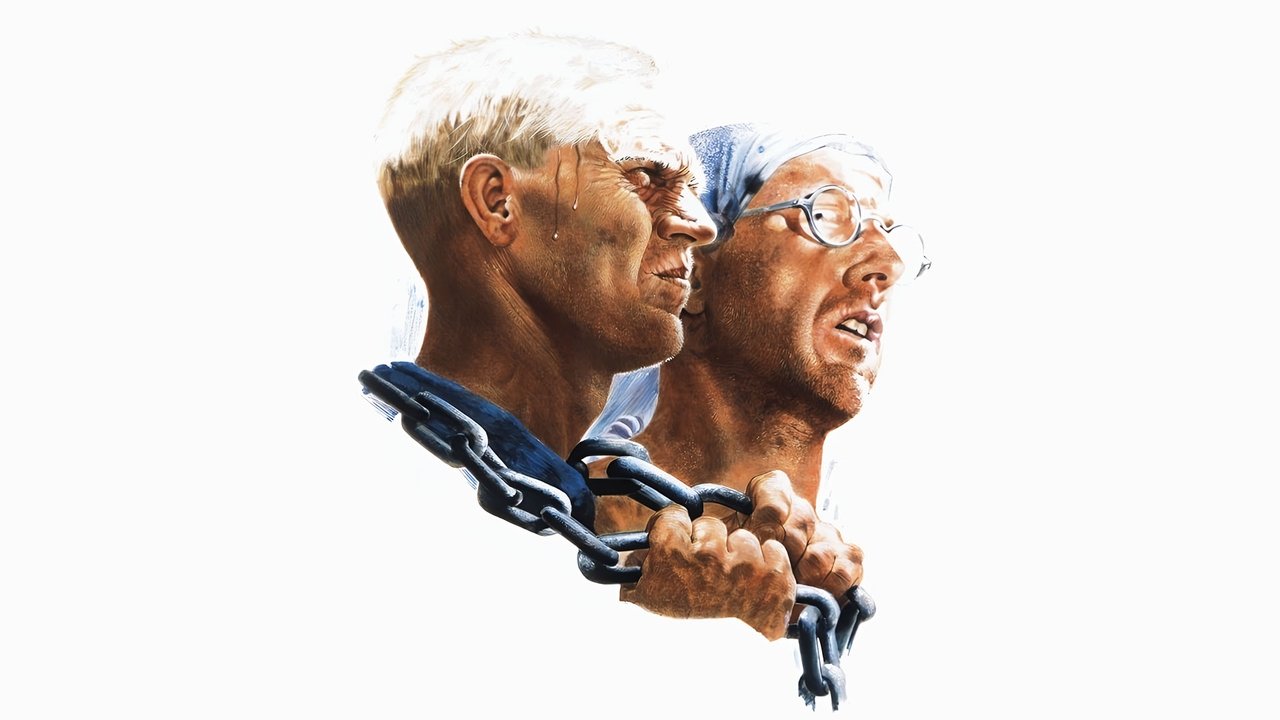
I watched this recently while my roommate was in the other room frantically trying to fix a leaky kitchen sink with a pipe wrench. Every time he banged on the metal, it echoed through the apartment and weirdly synced up with the clanking chains of the French penal colony on screen. It made the whole experience feel less like a movie and more like a shared sentence.
The New Hollywood Survival Guide
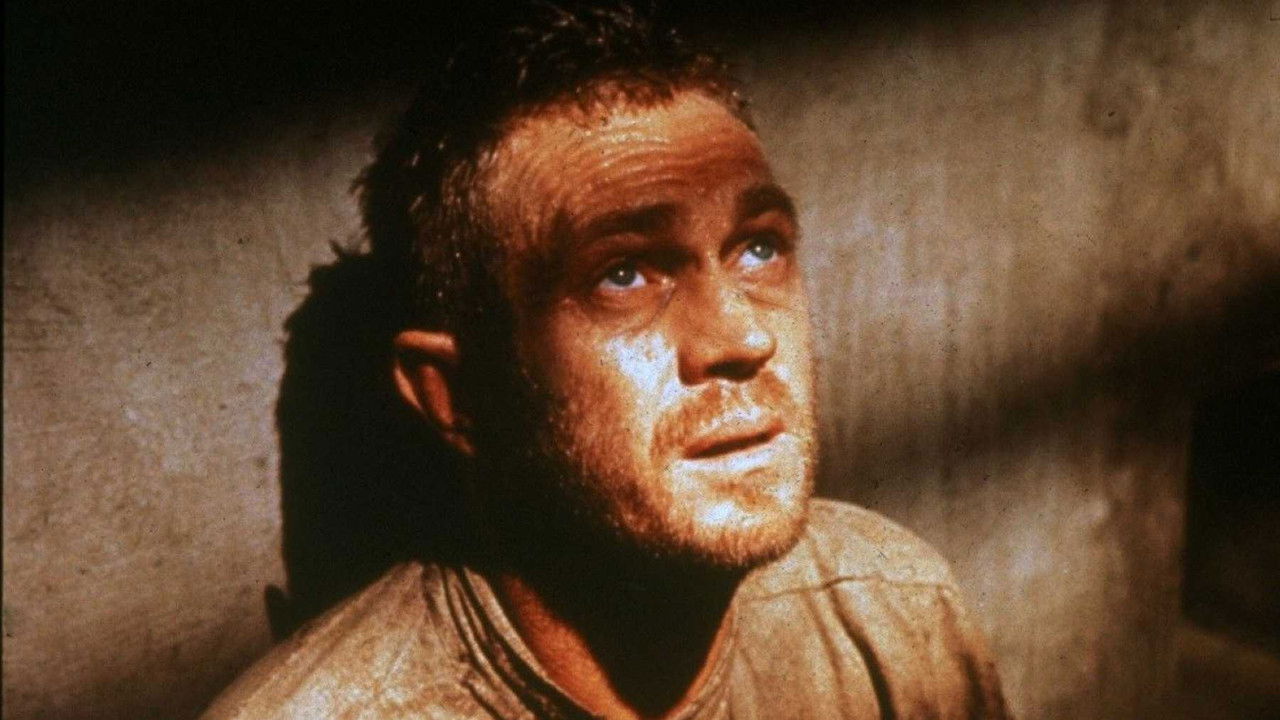
By 1973, the old-school Hollywood epic was dying, being replaced by the gritty, unwashed realism of the New Hollywood era. Steve McQueen, the "King of Cool," decided to shed the motorcycle-jumping bravado of The Great Escape (directed by John Sturges) for something much more harrowing. As Henri "Papillon" Charrière, he isn't a hero; he’s a piece of human gristle that refuses to be swallowed.
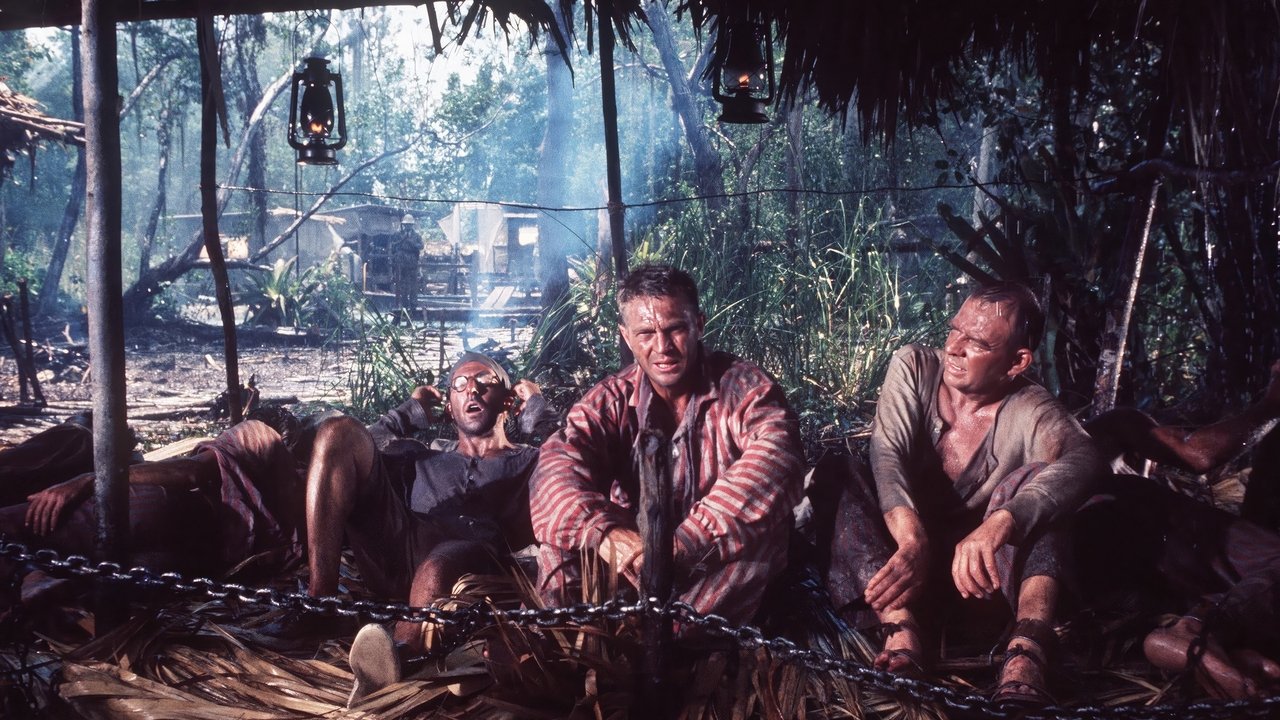
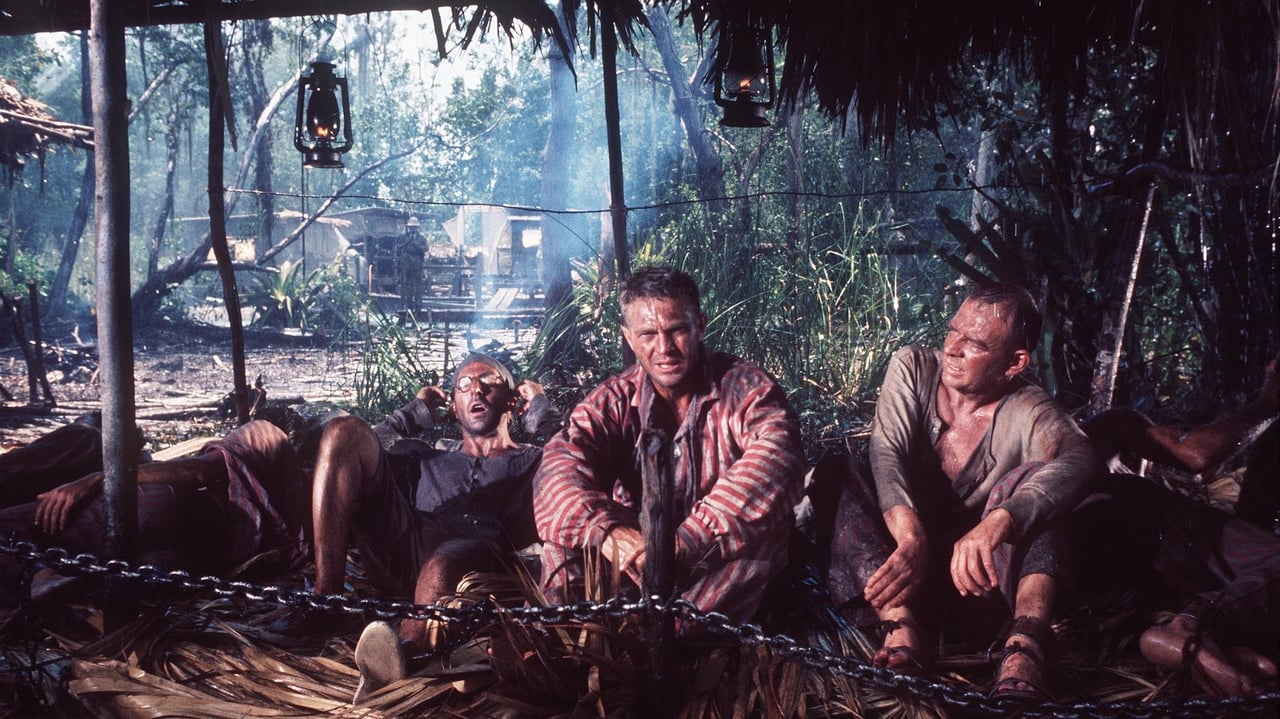
Beside him, Dustin Hoffman plays Louis Dega, a high-stakes forger who looks like an accountant who got lost on his way to a tax audit and ended up in hell. Watching them together is a fascinating collision of styles. McQueen is all physicality and silence—he does more with a squint and a clenched jaw than most actors do with a five-page monologue. Hoffman, coming off the success of The Graduate (from Mike Nichols), is twitchy, cerebral, and vulnerable. Their chemistry isn't built on witty banter, but on the desperate, transactional need for survival that slowly curdles into genuine love.
The film was directed by Franklin J. Schaffner, the man who gave us the original Planet of the Apes. He clearly has a thing for men trapped in hostile, alien environments, but here the "aliens" are just other Frenchmen with badges. The cinematography by Fred J. Koenekamp captures a world that feels permanently damp. You can almost smell the rot and the salt air coming off the screen.
Sweat, Stunts, and the Blacklist
One of the reasons Papillon feels so heavy is the DNA of its screenplay. It was co-written by Dalton Trumbo, the legendary writer who was blacklisted during the Red Scare and wrote Roman Holiday under a pseudonym. Trumbo was actually dying of lung cancer during the production, and he reportedly wrote some of the script while hooked up to an oxygen tank. You can feel that proximity to mortality in every scene. Trumbo’s dialogue doesn't waste breath because his characters literally can’t afford to.
The production itself was a bit of a nightmare. They shot in Jamaica and Spain, hauling a massive crew into remote areas before the era of easy digital fixes. Apparently, the real Henri Charrière was actually on set as a consultant during the early parts of filming, though he died of throat cancer shortly before the film was released.
And then there’s that final jump. If it looks like Steve McQueen is actually plummeting off a forty-foot cliff into the churning ocean, it’s because he was. He famously refused a stuntman for the sequence, later saying it was one of the most exhilarating experiences of his life. It’s that kind of practical, "do it for real" madness that gives these 70s dramas a weight you just don’t get from a green screen. The sheer audacity of a middle-aged movie star hurling himself into the sea for a shot is the peak of New Hollywood energy.
The Double-Tape Endurance Test
For a lot of us, Papillon was a "Double VHS" experience. You remember those—the chunky plastic boxes that were so wide they took up the space of two regular movies on the rental shelf. You had to physically swap the tapes halfway through, usually right around the time Papillon gets thrown into the "Silent Room" for his years-long stint in solitary.
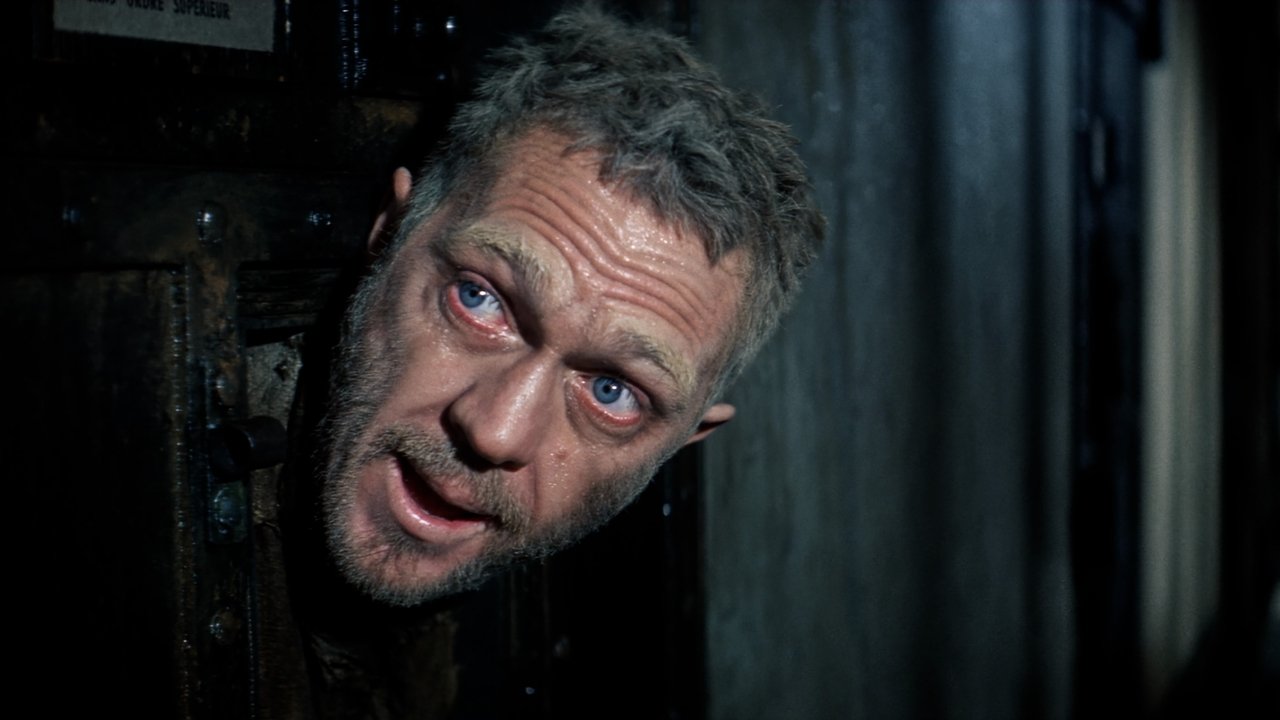
That middle section is where the film earns its stripes. Watching McQueen pace a tiny cell, catching cockroaches for protein and slowly losing his teeth, is a masterclass in physical transformation. The "dry rot" makeup on McQueen’s face during the isolation scenes is more effective than most modern CGI gore. It’s a slow-burn descent into madness that demands you sit with the silence.
It’s a long movie, and it doesn't care if you're tired. It mirrors the experience of its characters—it wears you down until you're just as exhausted as they are. But when that final theme by Jerry Goldsmith (who also scored The Omen) kicks in, and we see those bags of coconuts hitting the water, the payoff is immense. It’s not a "victory" in the traditional sense; it’s just the refusal to give up.
Papillon is a grueling, beautiful, and deeply human piece of cinema that captures two icons at the absolute top of their game. It’s a cult classic not because it’s "weird," but because it’s so unflinchingly committed to its own grim atmosphere. It’s the kind of film that makes your own life feel incredibly easy by comparison. After two and a half hours of watching McQueen survive the jungle, even my roommate’s leaky sink didn't seem so bad.
Keep Exploring...
-
Planet of the Apes
1968
-
Patton
1970
-

Wall Street
1987
-
Bullitt
1968
-
Butch Cassidy and the Sundance Kid
1969
-
The Godfather
1972
-
The Sting
1973
-
Chinatown
1974
-
The Godfather Part II
1974
-
Marathon Man
1976
-
Spartacus
1960
-

The Towering Inferno
1974
-

Magnum Force
1973
-
Mean Streets
1973
-
Serpico
1973
-
Badlands
1974
-

The Conversation
1974
-
Dog Day Afternoon
1975
-

Taxi Driver
1976
-
West Side Story
1961