Robin Hood
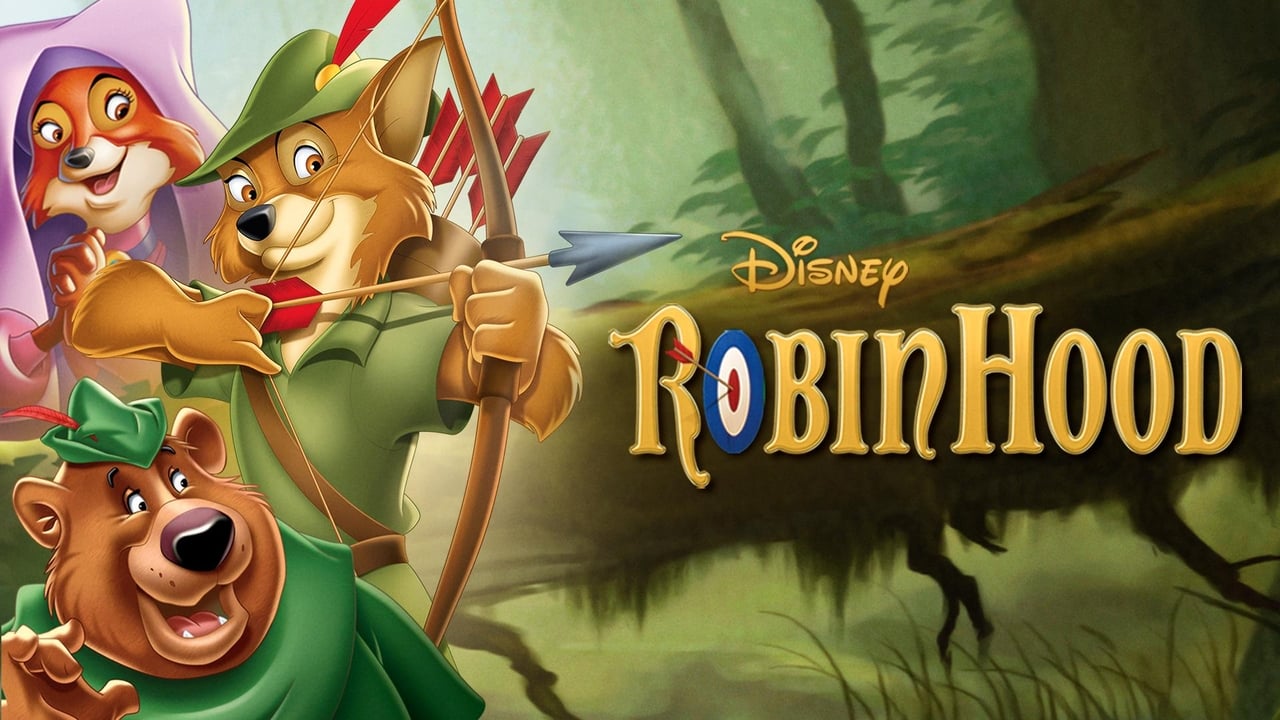
"The foxiest hero in Nottingham’s history."
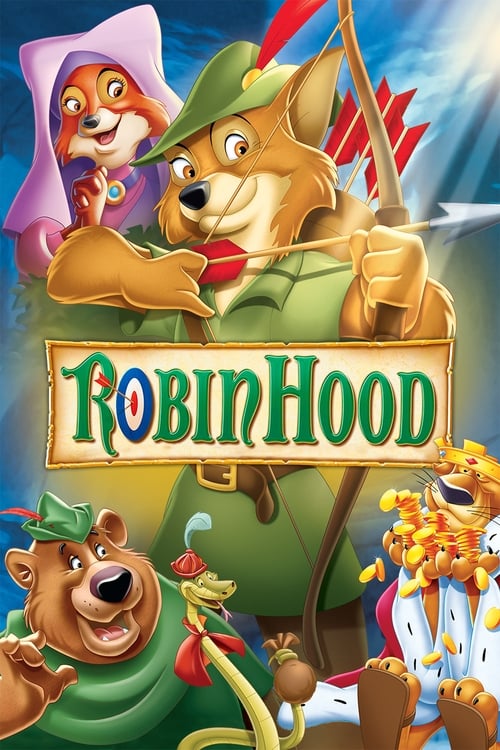
The Most Relaxed Revolution in Sherwood
If you close your eyes and think of the 1970s, you probably see grainy film stocks, flared trousers, and the cynical, gritty "New Hollywood" of Martin Scorsese or Francis Ford Coppola. But tucked away in 1973, Walt Disney Productions was having its own weird, wonderful identity crisis. They were broke, the "Old Guard" of animators was retiring, and they were trying to figure out how to be "cool" without Walt. The result was Robin Hood, a film that feels less like an epic medieval legend and more like a breezy, folk-singing hangout movie.
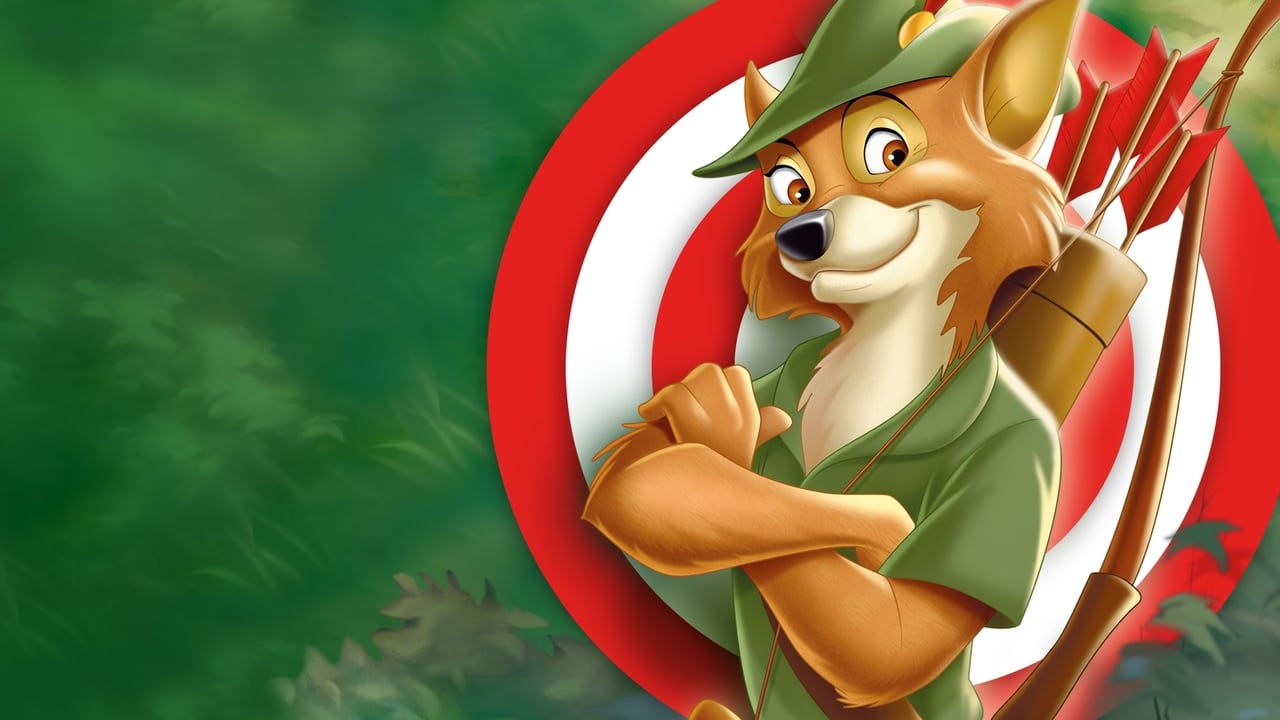
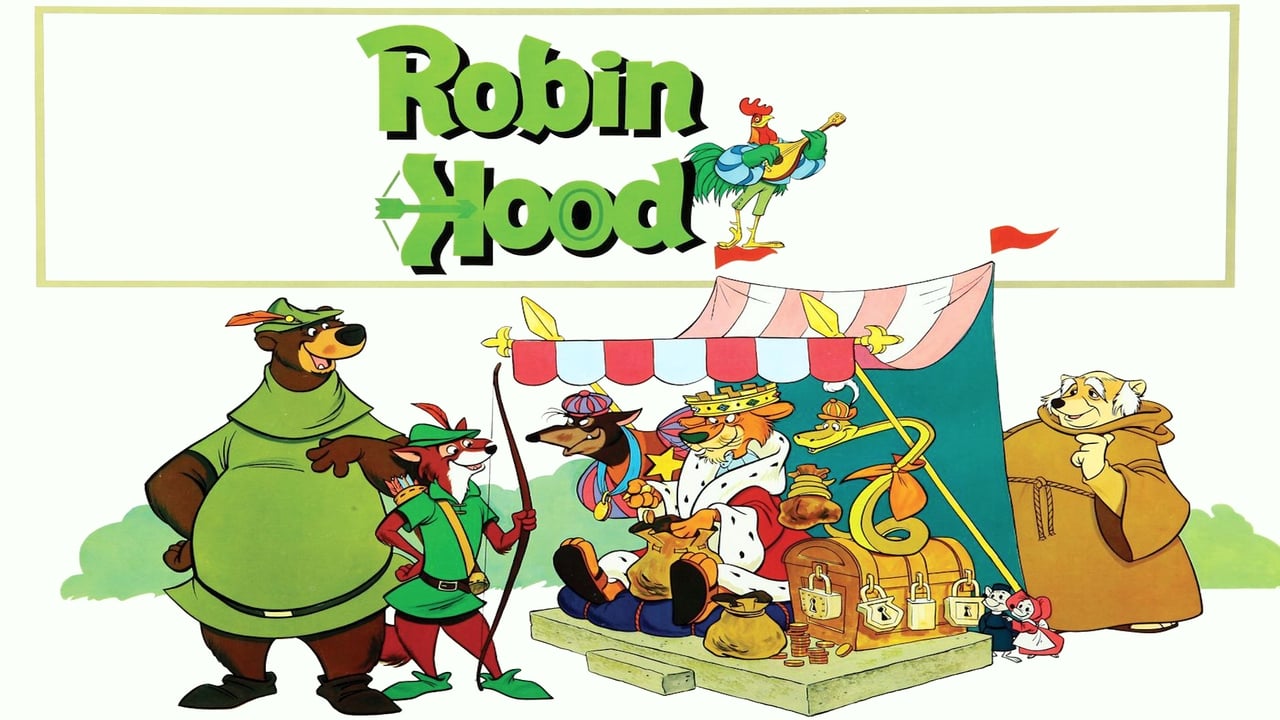
I remember watching this on a humid Tuesday afternoon while trying to fix a jammed stapler, and honestly, the low-stakes energy of this movie is its greatest superpower. It doesn’t try to be Snow White; it tries to be a good time. It’s the "chillest" adventure ever put to celluloid. While the rest of the 70s was busy being dark and edgy, Wolfgang Reitherman (who also directed The Jungle Book and The Aristocats) gave us a rooster playing a lute and a hero who is—quite literally—a fox.
Recycled Gold and Southern Soul
One thing you’ll notice if you’ve seen enough Disney classics is a strange sense of déjà vu. During the "The Phony King of England" dance sequence, you might think, "Wait, didn't Snow White do those exact moves?" You aren't crazy. Because the budget was a tight $5 million, the studio used the "Xerox process" to literally trace over animation frames from The Jungle Book, The Aristocats, and Snow White and the Seven Dwarfs. It is arguably the most high-effort "copy-paste" job in cinematic history.
But instead of feeling cheap, it adds to the film's scrappy, cult-classic charm. The movie leans heavily into its 70s roots by casting American country-folk legends like Roger Miller as Alan-a-Dale. Having a Nashville-sounding rooster narrate a story about 12th-century England is a choice so bizarre that it somehow circles back to being genius. Then you have Phil Harris voicing Little John, who is essentially just Baloo the Bear with a different hat. I have a massive soft spot for this era of Disney because it feels like a troupe of actors just putting on a play in their backyard.
The Best Villain to Ever Suck His Thumb
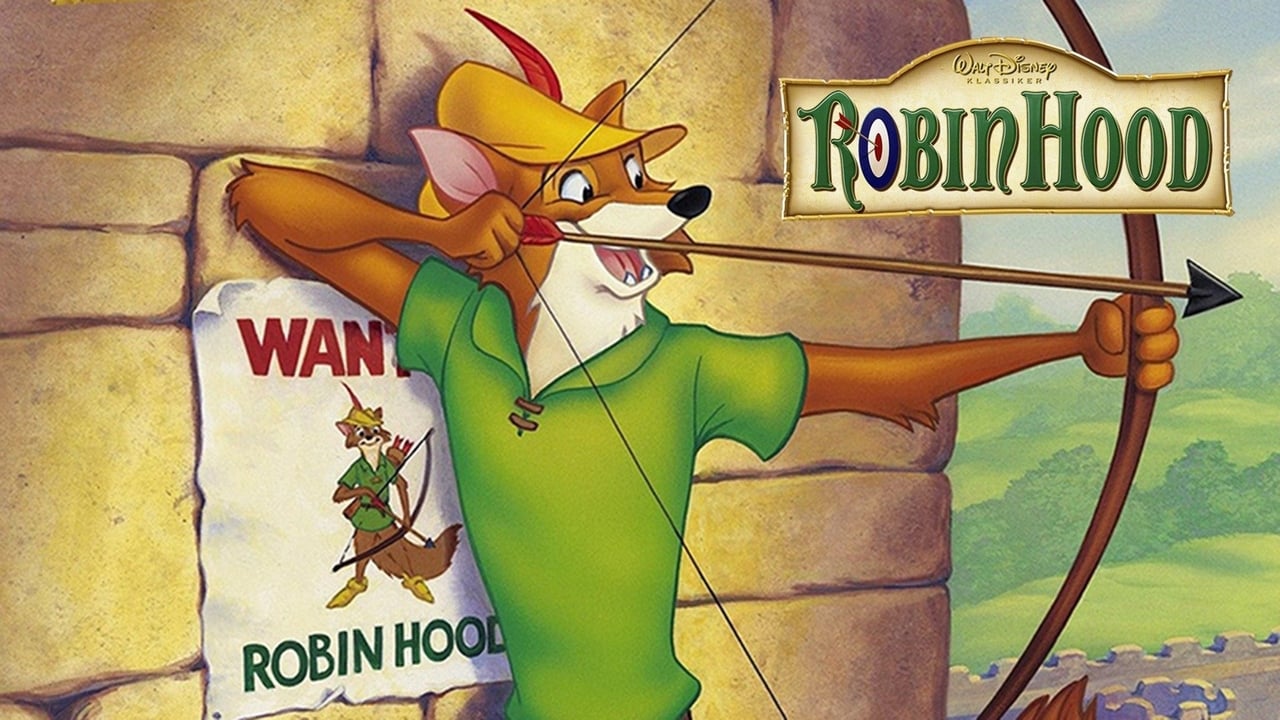
While Brian Bedford provides a dashing, suave voice for Robin, the movie is completely stolen by the villains. Peter Ustinov as Prince John is a masterclass in comedic voice acting. He isn’t a terrifying tyrant like Maleficent; he’s a pampered, insecure toddler in a lion’s body who cries for his mother and sucks his thumb when things go wrong. His chemistry with Terry-Thomas, who voices the snivelling, hypnotic snake Sir Hiss, is pure gold.
Prince John is the most relatable Disney villain because his primary motivation isn't world domination—it’s just a desperate need for a hug.
The action sequences, particularly the archery tournament where Robin disguises himself as a spindly stork, are gems of physical comedy. It captures that specific "Adventure" genre vibe where the stakes feel real enough to be exciting, but you never truly doubt that our heroes will escape with a witty quip. It’s a swashbuckler where the "swash" is replaced with a bit of a lazy Sunday stroll.
The Clamshell Cult
If you grew up between 1980 and 2000, you likely encountered Robin Hood inside one of those iconic, oversized white plastic clamshell VHS cases. This was the era of the "Disney Vault," where movies would disappear for years, making them legendary status symbols in the neighborhood. Robin Hood was a staple of the home video revolution because it was endlessly rewatchable for kids.
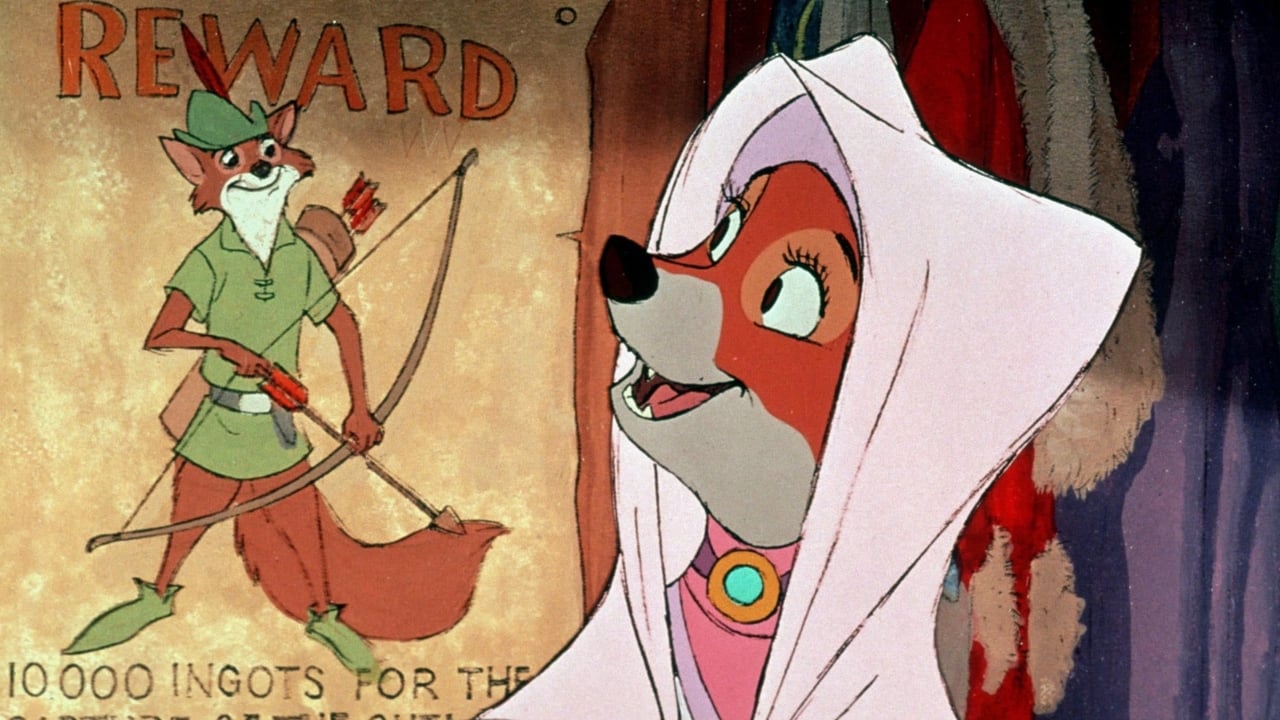
Interestingly, the film was originally intended to be about Reynard the Fox, a trickster figure from European folklore. However, Walt Disney had always been nervous about Reynard being "too much of a crook," so the project was folded into the Robin Hood legend. This decision created a specific "look" for the film that would later inspire a massive cult following. It’s no secret that this movie is the "patient zero" for the modern furry fandom, but even if you aren't into that, the character designs by Ken Anderson remain some of the most expressive and soulful in the Disney canon.
Robin Hood is a reminder that a movie doesn’t have to be a technical masterpiece to be a classic. It’s a film built on character, "vibe," and some of the catchiest folk songs to ever grace an animated feature. It captures the transition from the golden age of animation into the experimental, budget-conscious 70s with a wink and a whistle. It’s an adventure that invites you to pull up a log, grab a snack, and stop worrying about the Sheriff for a while.
Does it have recycled animation? Yes. Is the historical accuracy non-existent? Absolutely. But when that opening whistle of "Whistle Stop" starts up, none of that matters. It’s pure, nostalgic comfort food that reminds me of a time when the biggest problem in my life was whether I could find a stick that looked enough like a sword.
Keep Exploring...
-
The Aristocats
1970
-
The Rescuers
1977
-
The Many Adventures of Winnie the Pooh
1977
-
The Jungle Book
1967
-
One Hundred and One Dalmatians
1961
-
The Sword in the Stone
1963
-
The Fox and the Hound
1981
-
The Land Before Time
1988
-

Bedknobs and Broomsticks
1971
-
The Secret of NIMH
1982
-

An American Tail
1986
-
The Great Mouse Detective
1986
-
Asterix and Cleopatra
1968
-
The Twelve Tasks of Asterix
1976
-
The Goonies
1985
-
The Princess Bride
1987
-
Castle in the Sky
1986
-
The NeverEnding Story
1984
-
Labyrinth
1986
-
Balto
1995