Serpico
"In a city of thieves, honesty is a death sentence."

The film opens not with a hero’s welcome, but with a blood-soaked man in the back of a rain-slicked squad car. He’s been shot in the face, and the cops driving him aren’t sirens-and-lights panicked; they’re quiet, almost inconvenienced. This is our introduction to Frank Serpico, and it sets the tone for a movie that treats the New York City Police Department not as a shield for the public, but as a predatory organism protecting its own bank account.

I was eating a slightly stale sesame bagel while re-watching this on a rainy Tuesday, and honestly, the jaw-ache from the tough bread perfectly matched the constant, grinding tension in Frank's face. Serpico isn't a movie that wants you to feel comfortable. It’s a 129-minute descent into the isolation that comes when you realize the "good guys" are just a better-organized version of the mob.
The Man with a Thousand Beards
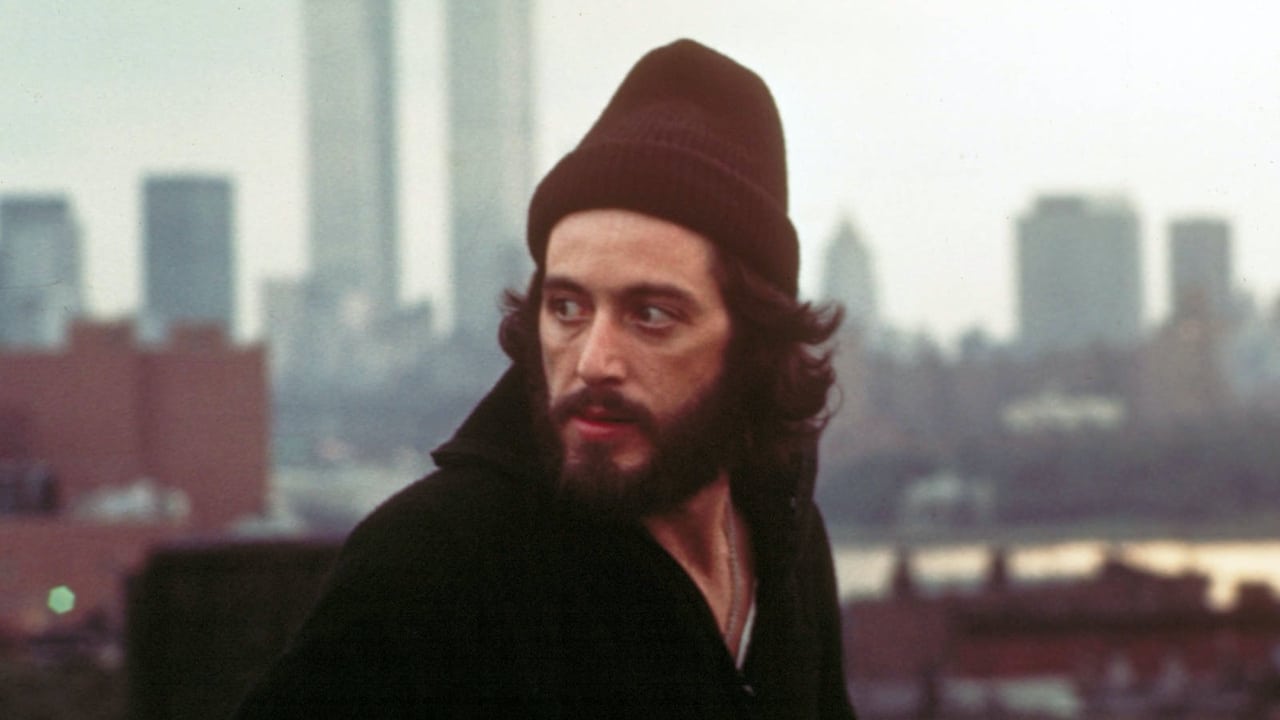
At the center of this hurricane is Al Pacino in what might be his most transformative role. Coming off the cold, calculated stillness of The Godfather, his work here is explosive, twitchy, and profoundly human. We watch him evolve from a clean-cut, idealistic rookie into a long-haired, bearded bohemian living in Greenwich Village with a sheepdog and a recorder.
Al Pacino plays Frank like a man who is allergic to lying. It’s a physical performance; you see the weight of the corruption literally stoop his shoulders as the years pass. He refuses to take the "envelopes" full of cash that every other cop treats like a standard-issue bonus. Because he won't take the money, he becomes a threat. If you don't take the bribe, you can't be trusted. If you can't be trusted, you're a "rat."
The film's most fascinating technical hurdle was actually Al Pacino's facial hair. Director Sidney Lumet was working with a tight schedule and a limited budget, so he decided to shoot the film in reverse order. They started with Pacino fully bearded and shaggy, then progressively trimmed him down scene by scene until he was the baby-faced graduate from the academy. It’s a brilliant bit of practical efficiency that ensures the "descent" feels seamless, even if it was filmed backwards.
A City Built on Grime
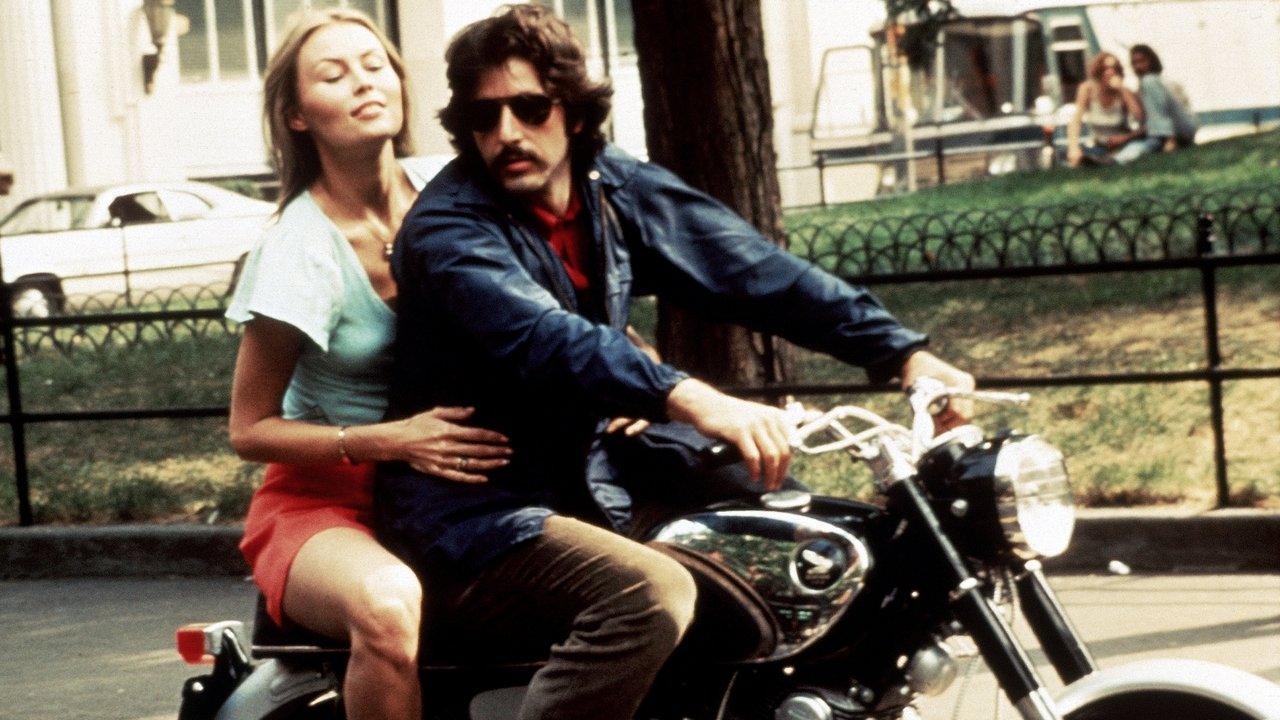
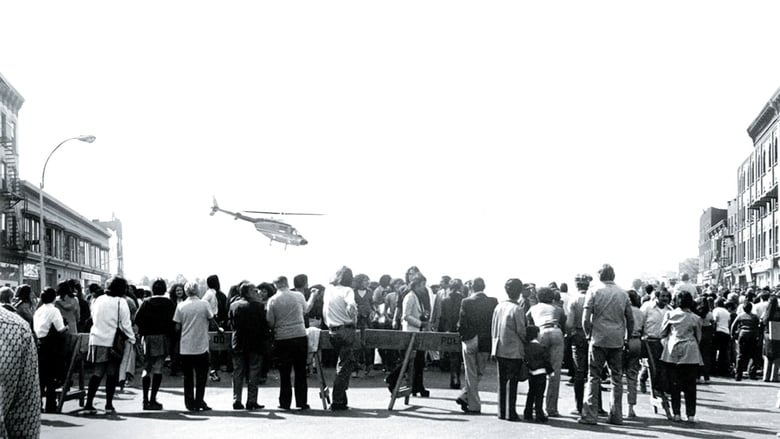
Sidney Lumet was the undisputed king of New York filmmaking, and he treats the city like a character that desperately needs a bath. This is 1970s New York at its most "New York"—steam rising from manholes, trash on the corners, and a pervasive sense of decay. There is no studio-lot polish here. It feels like an independent film because of its raw, documentary-style intimacy. Lumet didn't want sets; he wanted the real precincts, the real streets, and the real claustrophobia of a city that feels like it's closing in on its protagonist.
The supporting cast, featuring stalwarts like John Randolph as the one sympathetic ear and Jack Kehoe as the personification of "casual" corruption, fills out a world that feels lived-in and dangerous. The NYPD in this film is essentially a slasher-movie villain that carries a badge. They don't jump out from behind corners; they just stare at you in the locker room, letting you know that when the bullets start flying in a dark alley, they might not be aiming at the criminals.
The VHS Legacy of the Moral Outlaw
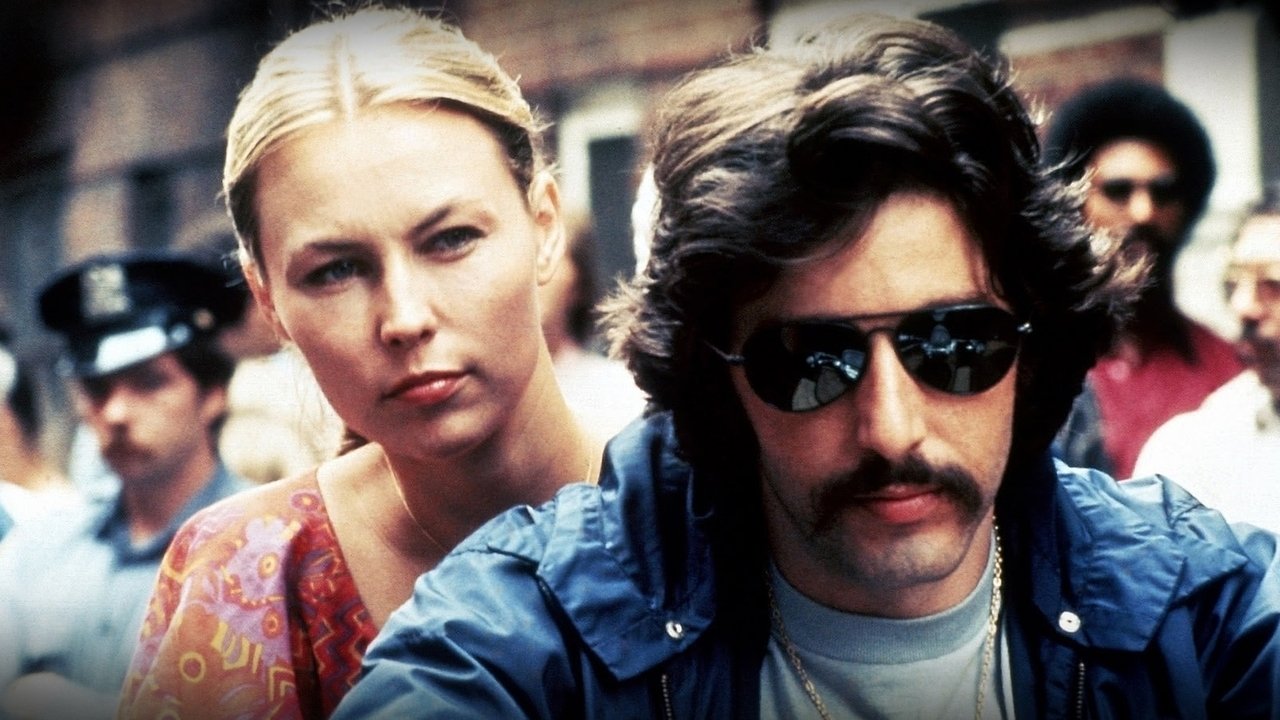
While Serpico was a massive theatrical hit, its second life in the late 70s and 80s on home video cemented its status as a foundational text for the "New Hollywood" era. If you grew up frequenting video rental stores, you likely remember the box art: just Al Pacino’s face, bearded and haunting, looking like a cross between a saint and a revolutionary.
It was a staple of the "Crime" section, usually sandwiched between The Godfather and Scarface. For viewers in the 80s, it served as a gritty antidote to the increasingly glossy, high-octane police fantasies like Lethal Weapon. Serpico was the "real" version. It was the tape you rented when you wanted to see the truth about how systems protect themselves. Watching it on a flickering CRT TV only added to the grit; the low-resolution texture of magnetic tape felt like a perfect match for Arthur J. Ornitz's grainy, naturalistic cinematography.
The film’s score by Míkis Theodorakis is another masterstroke. It’s Mediterranean, slightly melancholic, and entirely out of place for a gritty NYC cop drama—which is exactly why it works. It emphasizes Frank’s status as an outsider, a man whose soul belongs to the arts and the light, trapped in a gray world of concrete and graft.
Serpico remains a powerhouse because it refuses to offer the easy, triumphant ending we crave from police procedurals. It understands that being a whistleblower isn't a heroic montage; it’s a slow, agonizing social suicide. The film doesn't celebrate the system’s ability to fix itself; it celebrates one man's refusal to be broken by it. It’s an essential piece of 70s cinema that feels as relevant and urgent today as the day it premiered.

Keep Exploring...
-
Dog Day Afternoon
1975
-
Murder on the Orient Express
1974
-
Mean Streets
1973
-
Badlands
1974
-

The Conversation
1974
-
Network
1976
-
Straw Dogs
1971
-
Midnight Express
1978
-
In the Heat of the Night
1967
-
Scarface
1983
-
The Sting
1973
-

Breathless
1960
-
High and Low
1963
-
Pierrot le Fou
1965
-

Taxi Driver
1976
-
Death Wish
1974
-
Butch Cassidy and the Sundance Kid
1969
-

Magnum Force
1973
-

Papillon
1973
-
Chinatown
1974