Soylent Green
"The future is hungry."

We survived the actual year 2022 without resorting to eating each other—mostly—but Richard Fleischer’s 1973 vision of our present remains one of the sweatiest, grimiest, and most oddly prophetic nightmares ever put to celluloid. I first caught this on a grainy late-night broadcast while nursing a bowl of neon-orange mac and cheese, and let me tell you, nothing makes you question your food choices faster than watching Charlton Heston realize what’s for dinner. It’s a film that lives in the shadow of its own legendary spoiler, but if you look past the meme, you find a surprisingly sharp, cynical piece of New Hollywood noir.
A World of Concrete and Humidity
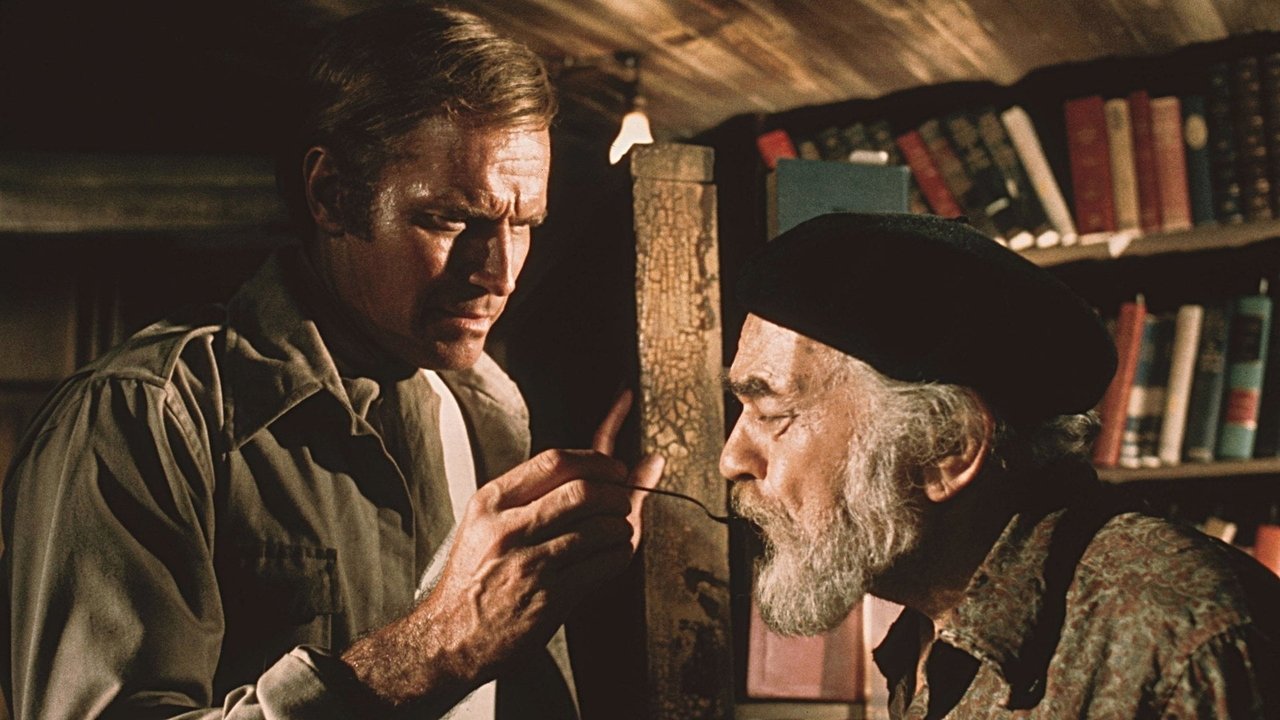
The first thing that hits you about Soylent Green isn't the plot; it’s the atmosphere. This is 1970s sci-fi at its most claustrophobic. There are no sleek silver jumpsuits or gleaming starships here. Instead, the world is a sweltering, overpopulated New York City where 40 million people are packed into stairwells and doorways. The cinematography by Richard H. Kline (who also shot the stylishly grim The Boston Strangler) uses a sickly, smog-yellow filter that makes you feel like you need a shower just by watching it.
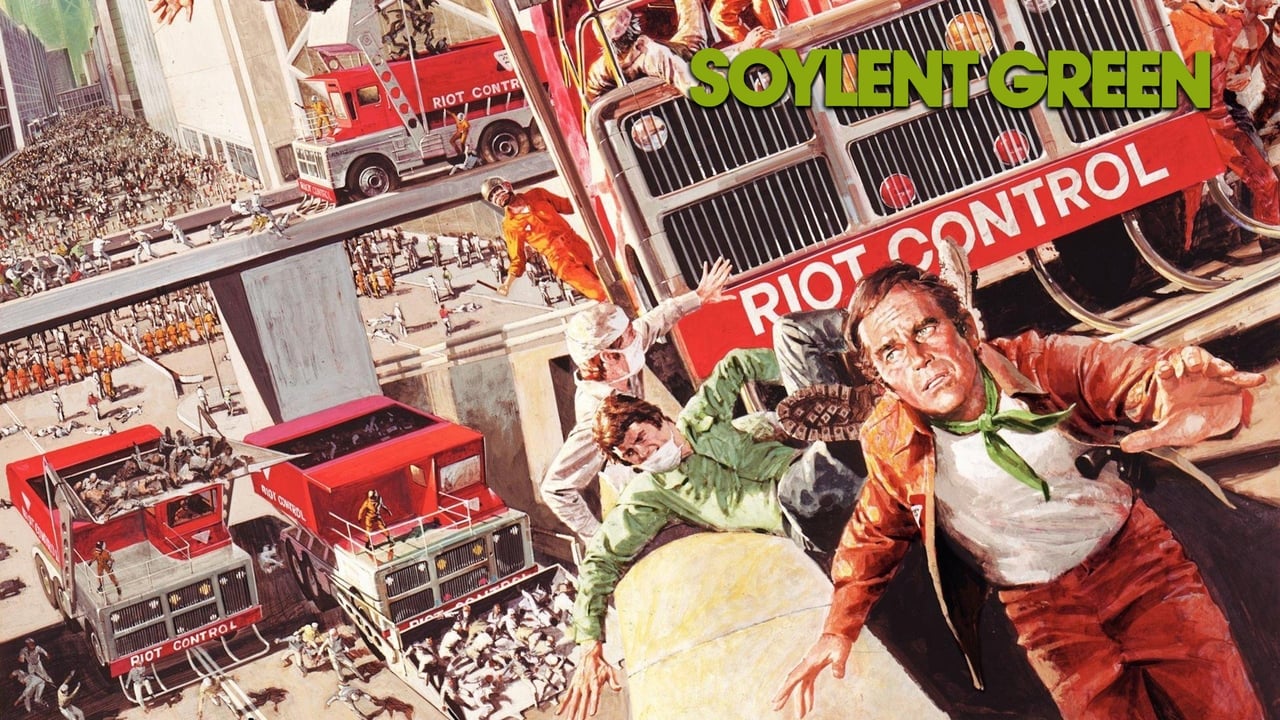
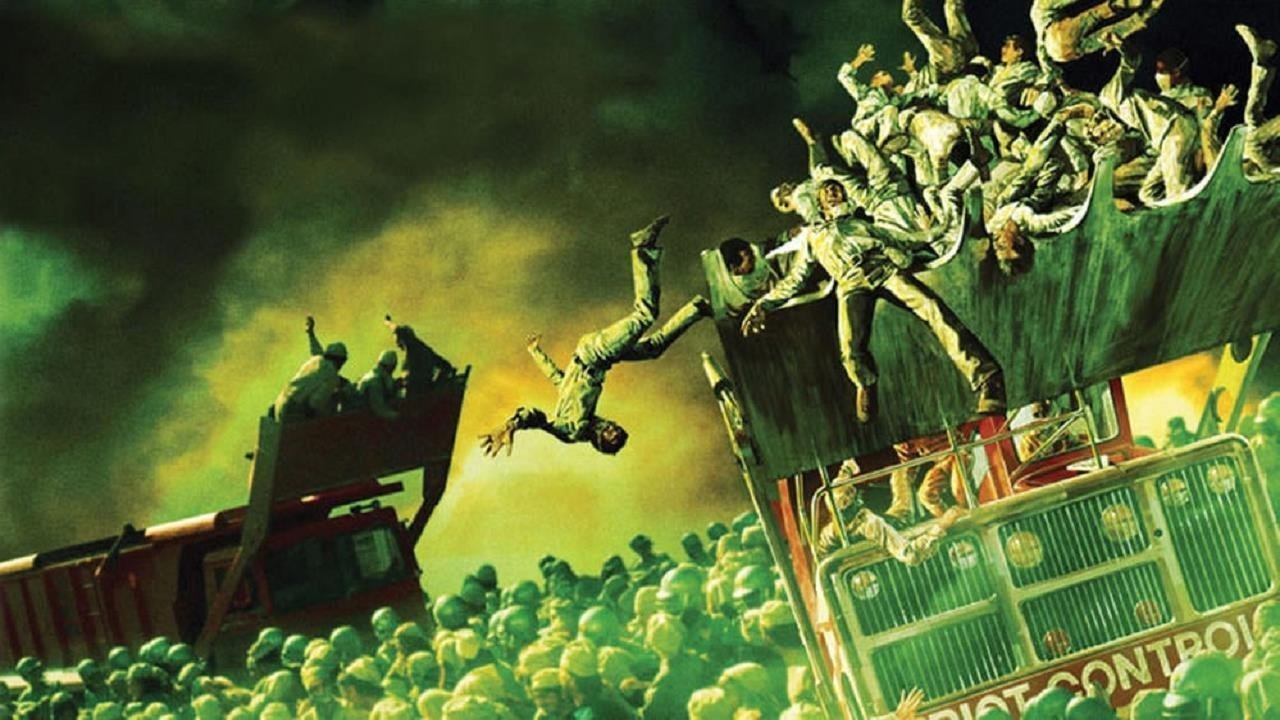
I love how the film handles its "futuristic" technology. Since the budget was tight and the 70s were, well, the 70s, the high-tech security systems look like repurposed office equipment, and the rich elites spend their time playing a primitive version of Computer Space. It feels lived-in and decaying. The practical effects team really leaned into the "urban rot" aesthetic, especially with the infamous "scoops"—giant industrial riot trucks designed to shovel protesters into the back like literal trash. It’s a brutal, low-tech solution that feels way more terrifying than any CGI swarm of drones could ever be.
Heston, Looting, and "Furniture"
Charlton Heston is in peak "Angry Man" mode here as Detective Robert Thorn. By 1973, Heston had transitioned from the stoic hero of Ben-Hur to the face of dystopian anxiety (see: Planet of the Apes and The Omega Man). What makes Thorn interesting is that he isn't a "good" cop. He’s a scavenger. When he investigates the murder of a wealthy executive played by Joseph Cotten (Citizen Kane, The Third Man), he spends more time stealing the victim’s soap, fresh apples, and high-end bourbon than he does looking for clues.
The film also introduces the deeply unsettling concept of "furniture"—women who come as part of the lease for luxury apartments. It’s a plot point that has aged like milk in the sun, but it serves a purpose: it shows just how much humanity has been devalued in this world. Leigh Taylor-Young gives a sympathetic performance as Shirl, the "furniture" Thorn eventually falls for, though their romance is secondary to the mounting dread of the mystery. Chuck Connors (the classic Rifleman) also turns up as a menacing henchman named Tab Fielding, bringing a physical threat that keeps the procedural elements moving.
The Heartbreak of Sol Roth
If the movie has a soul, it’s Edward G. Robinson as Sol Roth. Sol is Thorn’s "book"—a human researcher who remembers what the world was like before the trees died and the oceans turned to sludge. This was Robinson’s final role; he was almost completely deaf and dying of terminal cancer during filming, a fact known only to Heston and the director.
There is a sequence where Sol decides he has seen enough of this world and goes to a government-run euthanasia center. The "Going Home" scene is, without hyperbole, one of the most beautiful and devastating moments in science fiction history. As Sol lies back to watch high-definition footage of forests, flowers, and sunsets—things that no longer exist—set to Beethoven’s 6th, the film transcends its B-movie roots. Watching a dying legend say goodbye to a dying planet is enough to make you weep into your lukewarm Tab. It’s a masterclass in acting that elevates the entire production.
The Mystery Beyond the Meme
Even if you know the ending—and let’s face it, "Soylent Green is people!" is the "I am your father" of 70s sci-fi—the movie holds up as a tense conspiracy thriller. The screenplay by Stanley R. Greenberg focuses on the logistics of death. It asks the question: in a world where nothing is wasted, what happens to the billions of people who die? The revelation isn't just a shock for shock’s sake; it’s the logical conclusion of a society that has commodified everything, including human life.
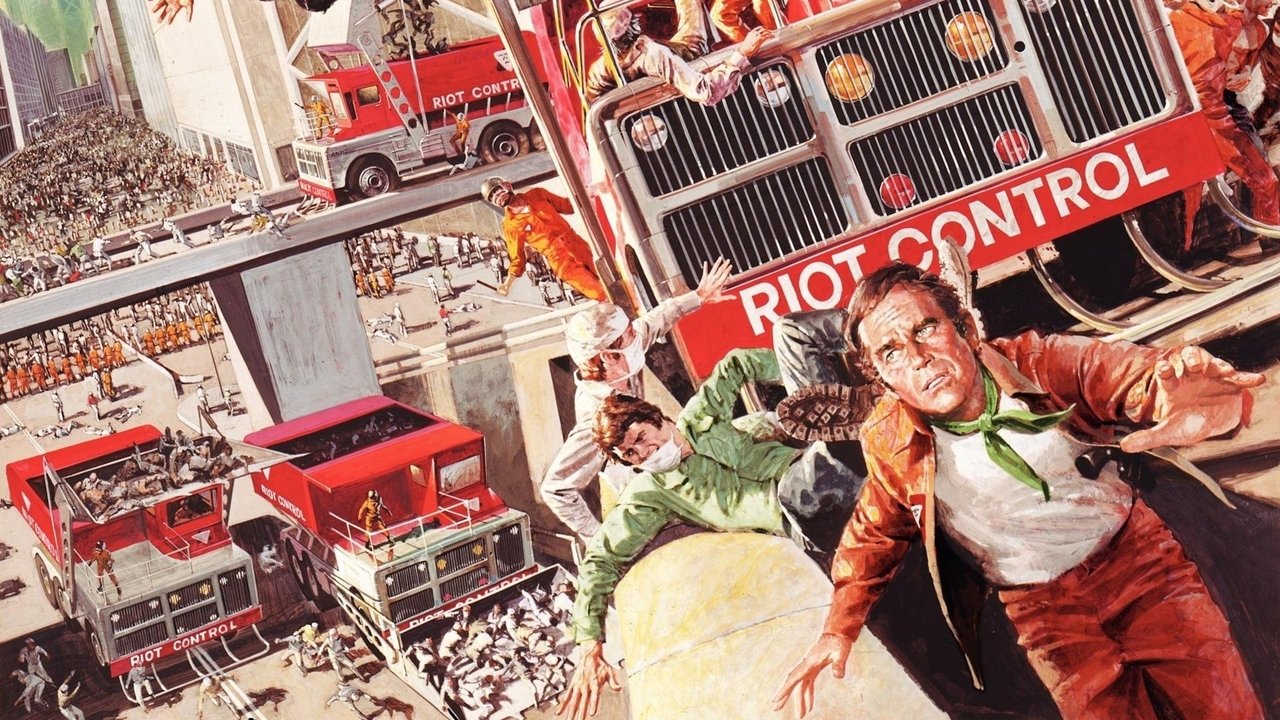
The film's impact was huge on the home video circuit in the 80s. I remember the VHS box art vividly—it featured a massive, collage-style illustration of Heston looking frantic, which wildly oversold the amount of action in what is essentially a slow-burn detective story. It became a cult favorite for kids who stayed up too late, mostly because that final screaming line is so burned into the cultural consciousness.
Soylent Green is more than just a punchline. It’s a gritty, humid, and deeply pessimistic look at where we were headed in the early 70s, and honestly, some of its anxieties about resource scarcity and corporate greed feel uncomfortably relevant today. It balances the "Old Hollywood" gravitas of Edward G. Robinson with the cynical "New Hollywood" energy of Charlton Heston perfectly. If you can handle the 70s-era pacing and the occasional dated attitude, it’s a meal well worth consuming—even if the ingredients are a little questionable.

Keep Exploring...
-

Murder by Death
1976
-
Blow Out
1981
-

Body Double
1984
-
Clue
1985
-
Mississippi Burning
1988
-
Chinatown
1974
-
Bullitt
1968
-
Beneath the Planet of the Apes
1970
-

Three Days of the Condor
1975
-
All the President's Men
1976
-
Marathon Man
1976
-
In the Heat of the Night
1967
-

Blue Velvet
1986
-

Frenzy
1972
-

Solaris
1972
-

Deep Red
1975
-
The Tenant
1976
-

Anon
2018
-
Marnie
1964
-

Dressed to Kill
1980