The Exorcist
"A battle for a soul that shook the world."
The first time I saw The Exorcist, I was sitting in a drafty basement apartment while my radiator clanked rhythmically in the corner. That metallic tapping sounded exactly like something trying to claw its way out of the floorboards, and for two hours, I didn't dare look down. It’s a film that has a physical weight to it. Even fifty years later, it doesn’t just play on a screen; it occupies the room. It’s heavy, it’s cold, and it smells like stale incense and hospital corridors.
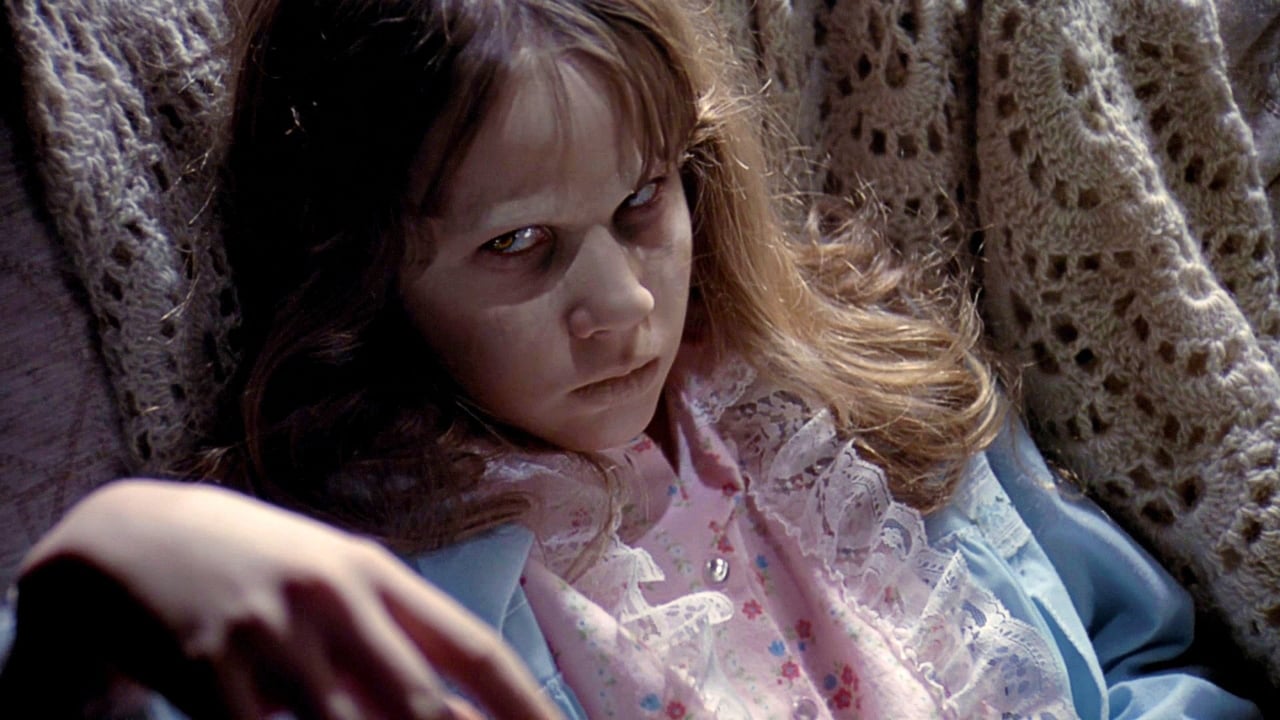
When we talk about "New Hollywood"—that glorious, gritty era from the late 60s through the 70s—we often point to The Godfather or Taxi Driver. But William Friedkin’s 1973 juggernaut is just as vital to that movement. Friedkin didn’t approach this like a "monster movie." He approached it like a documentary of a nightmare. He brought the same shivering, handheld intensity he used in The French Connection to a story about a twelve-year-old girl and a basement full of shadows.
The Horror of the Mundane
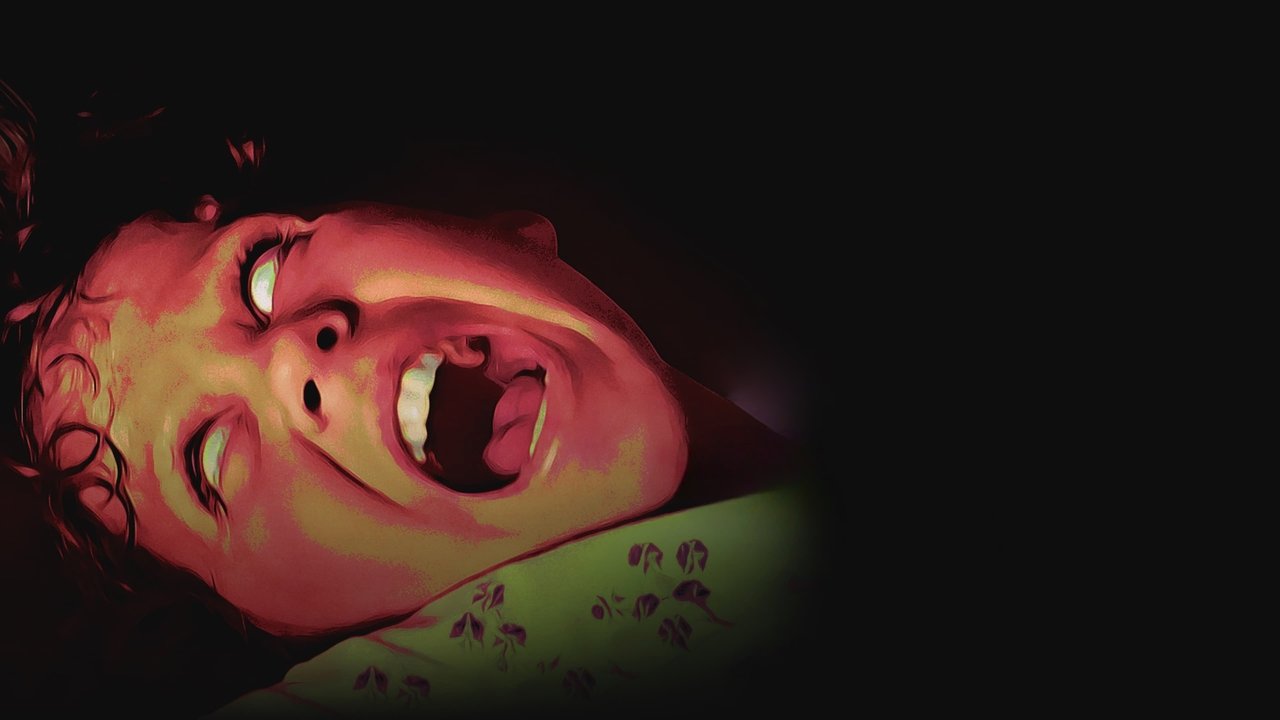
What strikes me every time I revisit this is how long it takes to get to the "scary stuff." Most modern horror movies are sprinting to the first jump scare within ten minutes. The Exorcist is a slow, agonizing burn. We spend the first forty-five minutes watching the slow disintegration of a mother’s life. Ellen Burstyn is phenomenal here. She isn't playing a "scream queen"; she’s playing a parent watching her child slip away into a neurological abyss.
The scariest thing in this movie isn't the demon; it’s the medical procedures. Watching Linda Blair get poked and prodded by giant, 1970s-era machinery is more upsetting than any of the supernatural pyrotechnics. Friedkin makes the hospital feel just as cold and uncaring as the demon’s bedroom. It’s that grounded reality that makes the eventual levitation and head-spinning work. If you don't believe in the mother’s grief, you won't believe in the priest’s struggle.
Faith in the Dark
Then there’s Jason Miller as Father Karras. He might be my favorite protagonist in all of horror cinema because he’s so fundamentally broken. He’s a psychiatrist-priest who has lost his faith, guilt-ridden over his mother’s lonely death in a cramped New York apartment. Father Karras is the most relatable "superhero" in cinema history. He doesn't come in with a cape; he comes in with a sweater and a crisis of conscience.
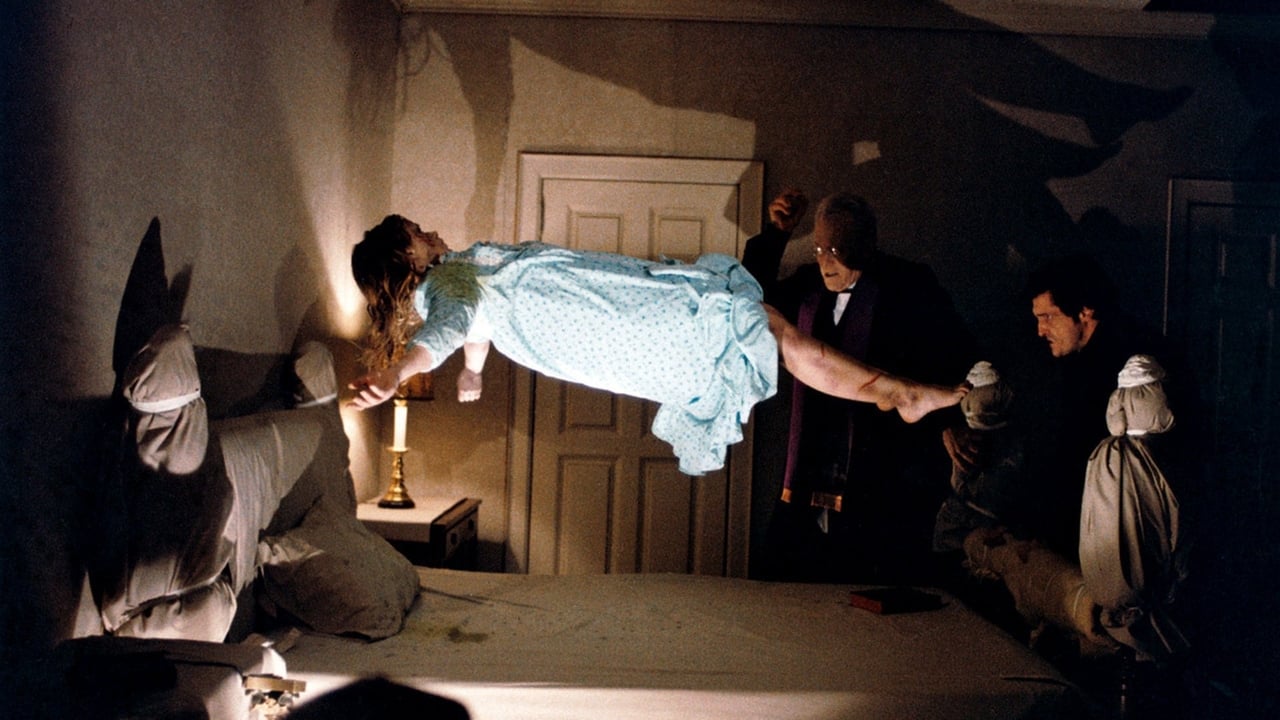
When Max von Sydow finally arrives as Father Merrin—looking ancient despite the actor only being in his 40s at the time—the film shifts into a different gear. The showdown isn't just a battle of special effects; it’s a battle of wills. It’s an old man and a doubting man standing against an ancient spite. The lighting by Owen Roizman in these scenes is legendary—high-contrast, shadow-drenched, and claustrophobic. You can practically see the sulfur in the air.
Practical Magic and Cultural Hysteria
The legacy of The Exorcist is inextricably linked to its production. This was a "cursed" set by all accounts—fires, injuries, and Friedkin’s notorious habit of firing guns or slapping actors to get genuine reactions. While I don’t condone the methods, the results are undeniable. The makeup by Dick Smith remains the gold standard. He didn't just make Linda Blair look like a monster; he made her look like a decaying version of herself.
The sound design is where the movie truly gets under your skin. They used recordings of bees in jars, racing engines, and the legendary Mercedes McCambridge (who voiced the demon after swallowing raw eggs and smoking packs of cigarettes to ruin her vocal cords). It creates a sonic landscape that feels "off" in a way CGI never can.
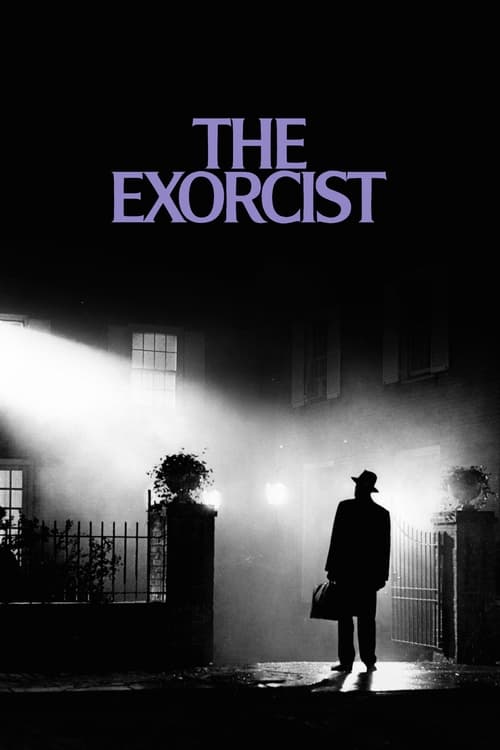
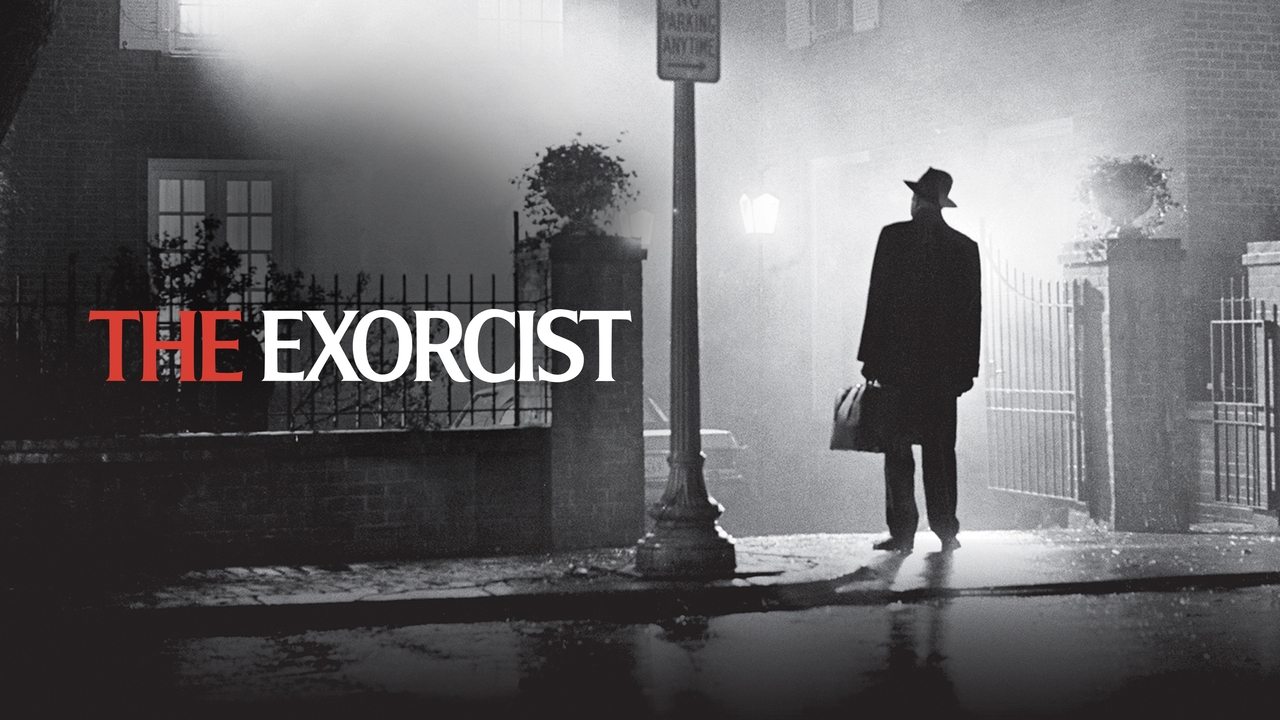
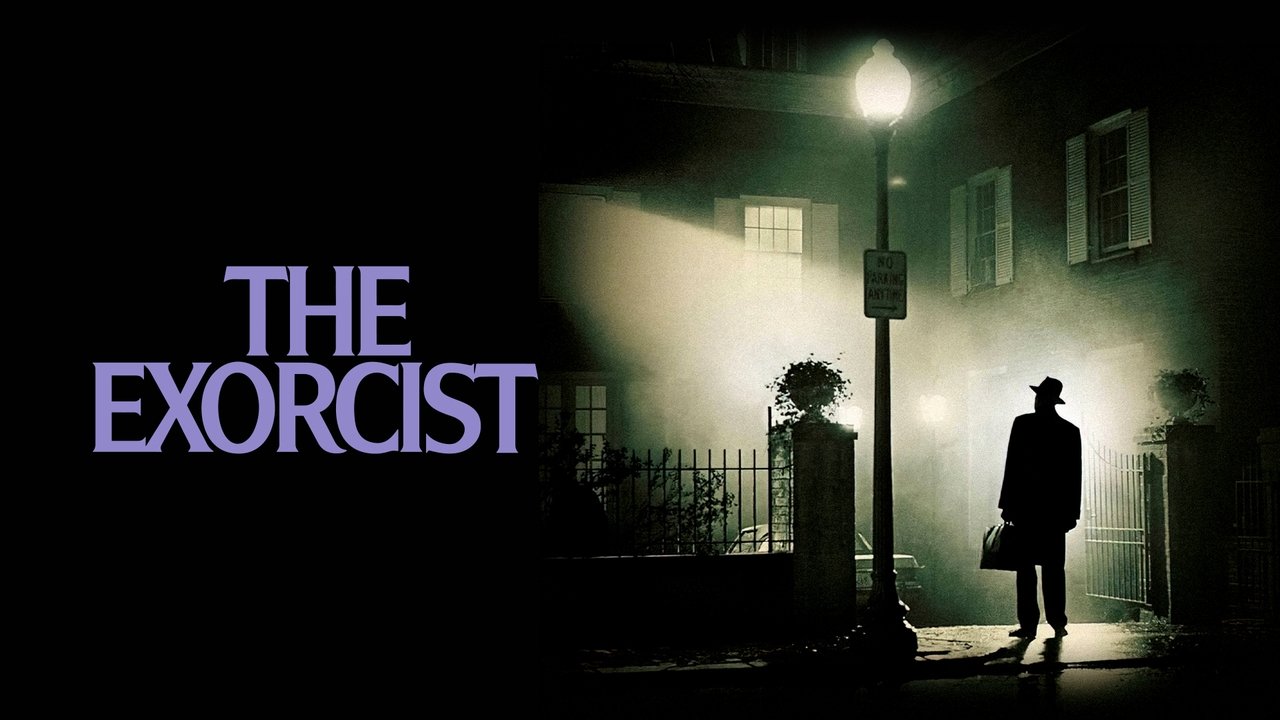
By the time the film hit the home video market in the early 80s, it had already become a myth. I remember seeing that iconic Warner Bros. clamshell case at the local rental shop—the one with the lone figure standing under the streetlamp. It was the "forbidden" tape. Even for kids who grew up on the slasher boom of the 80s, The Exorcist felt different. It didn't feel like "fun" horror; it felt like a dangerous artifact. People reportedly fainted in theaters in 1973, and while that sounds like marketing hyperbole, you watch the film now and you realize why. It’s an assault on the senses and the soul.
The Blockbuster That Changed the Game
We often forget that The Exorcist was a massive commercial phenomenon. It cost $12 million—a huge sum for a horror flick back then—and went on to gross over $440 million. It was the first horror movie ever nominated for the Academy Award for Best Picture. It proved that audiences were hungry for adult, challenging, and deeply unsettling stories. It didn't just break records; it broke the stigma of the genre.
It’s a film about the silence of God and the loudness of evil, yet it ends on a note of profound, albeit tragic, sacrifice. It leaves you feeling drained, like you’ve just survived a fever. Every time the credits roll and that Tubular Bells theme fades out, I find myself needing to turn on every light in the house and check the locks—not because I think a demon is coming, but because Friedkin made me believe, if only for two hours, that the darkness is much closer than we think.
The 122-minute runtime flies by because the tension never slackens. From the dusty prologue in Iraq to the final, rain-slicked steps in Georgetown, it is a perfect piece of machinery. It’s a movie that demands your full attention and rewards it with a lingering sense of unease that no amount of modern jump-scares can replicate. If you've only ever seen the parodies, do yourself a favor: turn off the lights, put away your phone, and let the most famous exorcism in history remind you why we’re afraid of the dark.
Keep Exploring...
-
Jaws
1975
-
The French Connection
1971
-
The Rocky Horror Picture Show
1975
-
Alien
1979
-
Poltergeist
1982
-
The Exorcist: Believer
2023
-
Night of the Living Dead
1968
-
Rosemary's Baby
1968
-
The Texas Chain Saw Massacre
1974
-
Carrie
1976
-
The Omen
1976
-
Eraserhead
1977
-

Halloween
1978
-

Invasion of the Body Snatchers
1978
-
Butch Cassidy and the Sundance Kid
1969
-
The Sting
1973
-

The Towering Inferno
1974
-
The Shining
1980
-
An American Werewolf in London
1981
-

The Thing
1982