The Mad Adventures of Rabbi Jacob
"A rubber-faced riot of mistaken identity."
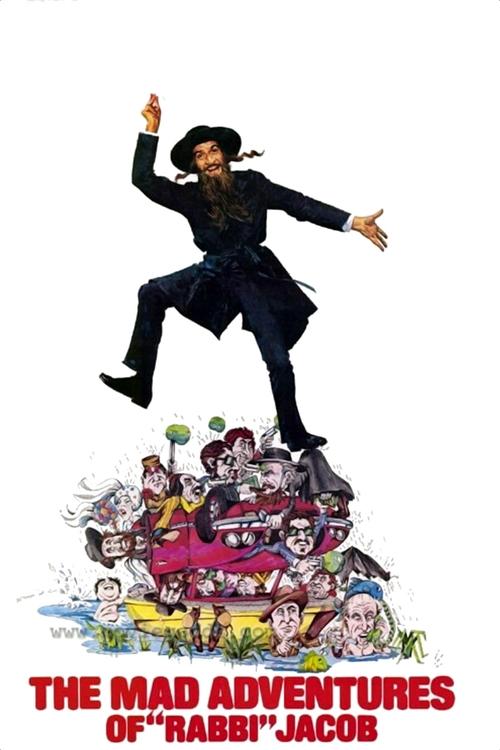
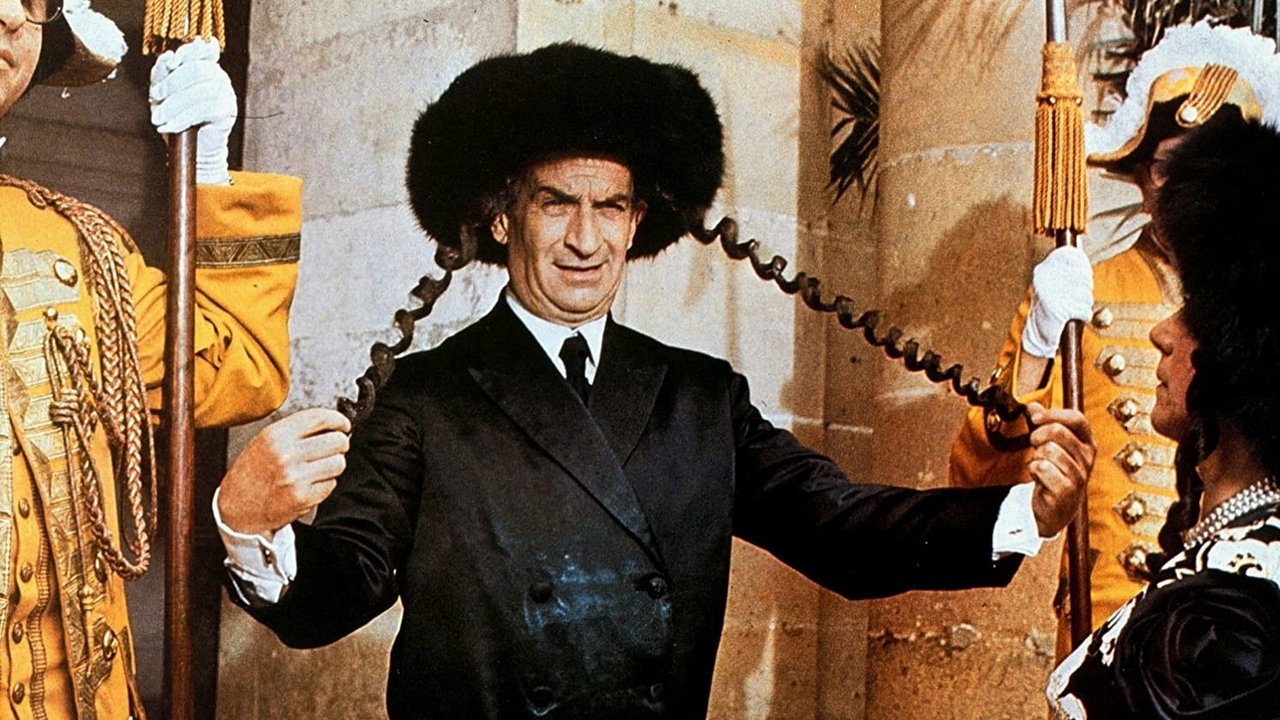
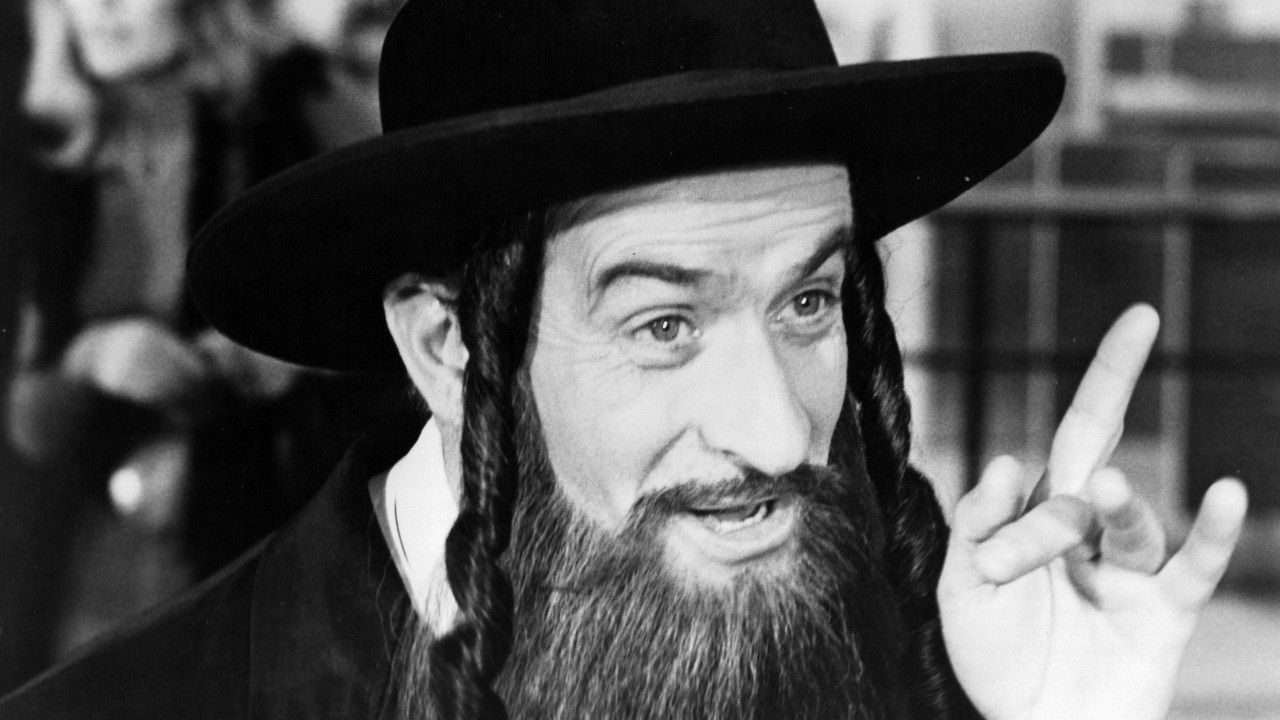
If you’ve never seen Louis de Funès in action, you’ve missed out on one of the most elastic faces in the history of cinema. I’m not talking about subtle, Meryl Streep-level nuance; I’m talking about a man whose facial muscles seem to be controlled by a caffeinated puppeteer. I first encountered The Mad Adventures of Rabbi Jacob on a grainy VHS tape I found in the "International" section of a local rental shop back in the late 80s. The cover featured a man in traditional Hasidic garb looking like he’d just sat on a soldering iron, and I knew I had to see it.
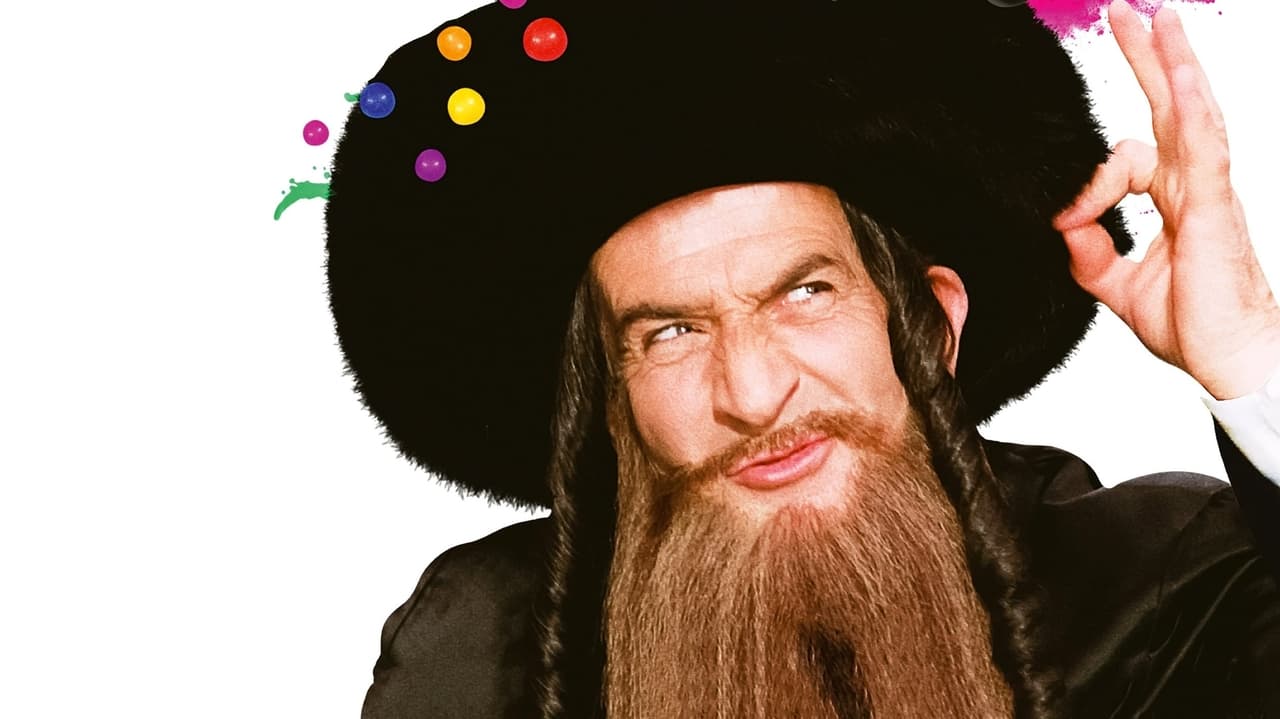
I watched it again recently while nursing a lukewarm cup of Earl Grey and a digestive biscuit, and I can confirm that the film’s energy hasn’t dissipated one bit. It is the cinematic equivalent of a quadruple espresso shot delivered via a slap to the face.
The Human Cartoon
The film stars Louis de Funès as Victor Pivert, a man who is—to put it bluntly—an absolute jerk. He’s a wealthy factory owner who is xenophobic, loud, and incredibly impatient. While racing through the French countryside to his daughter’s wedding, he stumbles into a political kidnapping involving an Arab revolutionary named Slimane (Claude Giraud). Through a series of increasingly absurd escalations, Pivert and Slimane find themselves forced to disguise themselves as rabbis to escape both the police and a group of relentless assassins.
What makes this work isn't just the "fish out of water" trope; it’s the sheer commitment to the bit. Louis de Funès doesn’t just play a bigot; he plays a man who is constantly on the verge of a literal spontaneous combustion. When he is forced to pretend to be the beloved Rabbi Jacob—a man he has never met from a culture he doesn't understand—the comedy of errors hits a fever pitch. There is a scene in a Jewish neighborhood in Paris where Pivert has to fake his way through a blessing, and his frantic improvisations are a masterclass in physical timing. He isn't just making jokes; he is fighting for his life with every twitch of his eyebrow.
A Sticky Situation in the Seventies
One of the most legendary sequences in the film takes place in a bubble gum factory. In an era before CGI could just "paint in" the chaos, director Gérard Oury opted for the real deal. Pivert falls into a massive vat of bright green, viscous gum, and the resulting slapstick is some of the best ever filmed. It’s messy, it’s tactile, and it feels dangerous. You can see de Funès genuinely struggling with the suction of the foam.
I’ve always felt that the 1970s was the peak era for this kind of "high-concept farce." Gérard Oury and his daughter/co-writer Danièle Thompson understood that for a comedy to truly land, the stakes have to feel real even if the situation is ridiculous. The cinematography by Henri Decaë (who, surprisingly, also shot The 400 Blows) gives the film a polished, high-budget feel that elevates it above a standard sitcom. It doesn't look like a cheap comedy; it looks like a grand adventure that happens to be hilarious.
The VHS Legacy and Hidden Depths
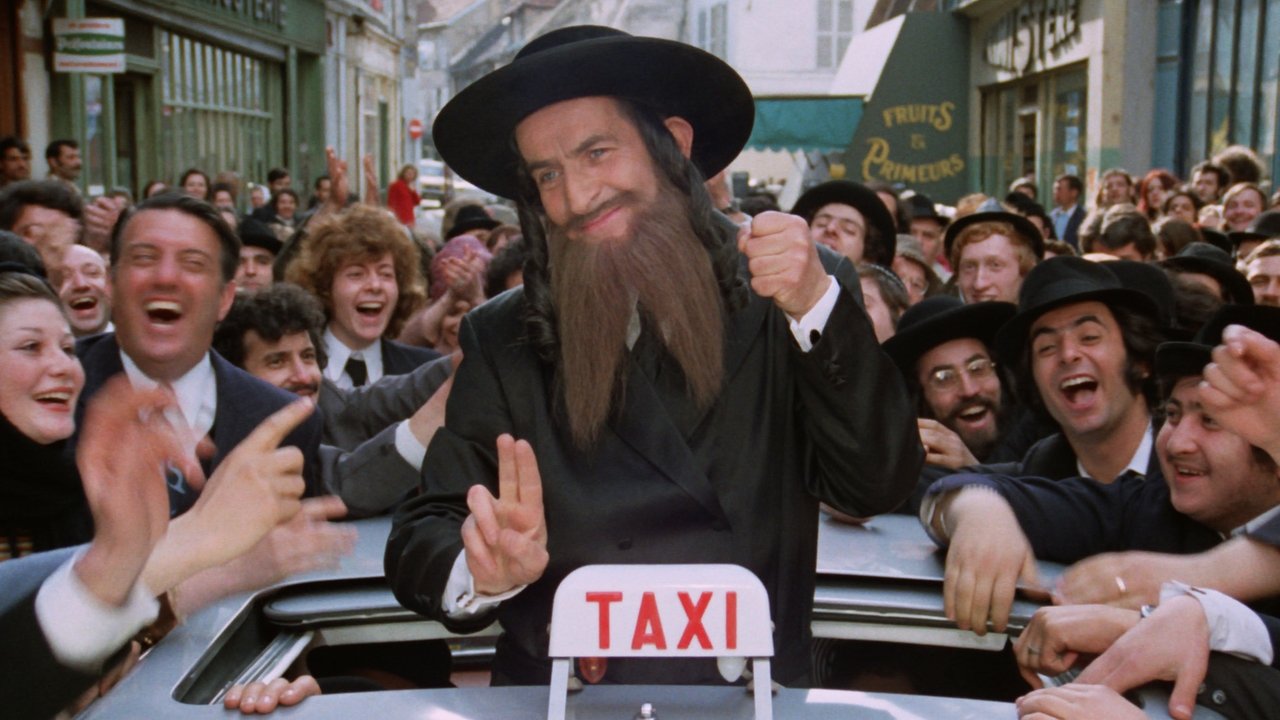
For many of us outside of France, The Mad Adventures of Rabbi Jacob was a "discovery" film. It wasn't something you saw in a massive multiplex; it was something you found because a friend told you about the "dance scene." And oh, that dance scene. Pivert, still in disguise, joins a traditional Hasidic dance in the middle of a street celebration. Watching de Funès—a man who was actually a skilled jazz pianist and had impeccable rhythm—mimic the movements with a mixture of terror and sudden, unexpected grace is pure joy.
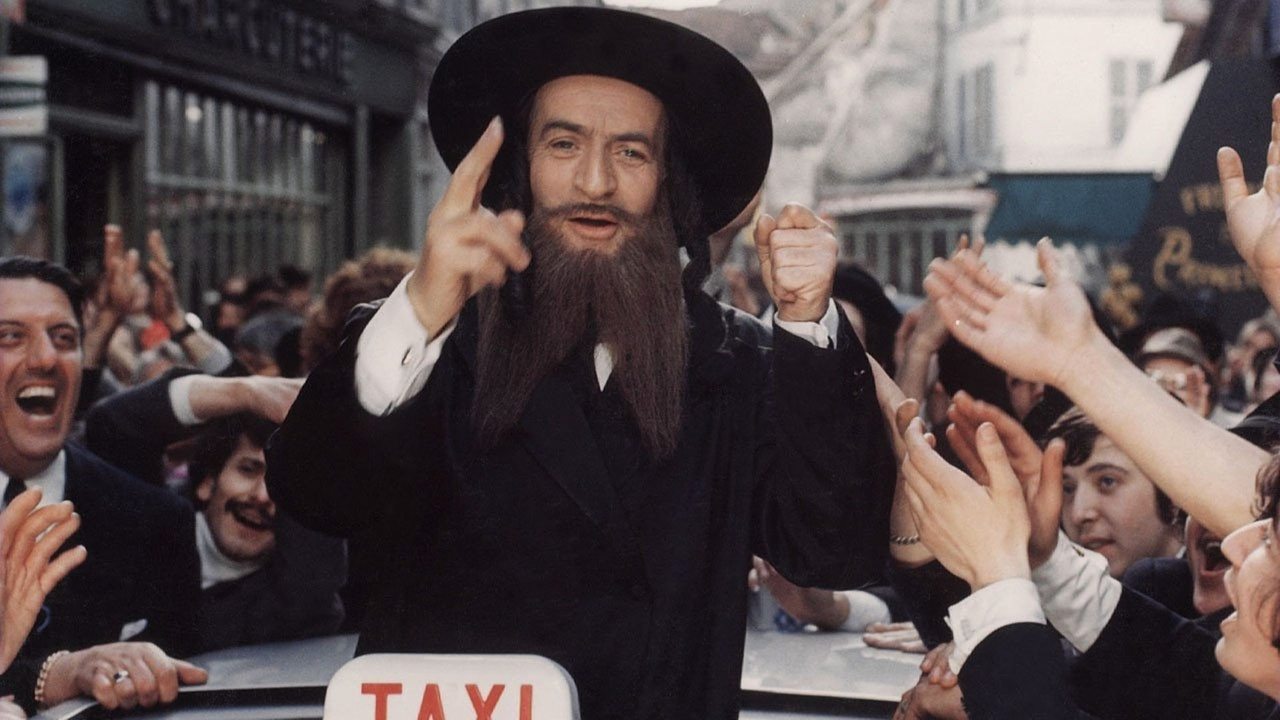
But there’s a reason this film remains a cultural touchstone in France and a cult favorite elsewhere. Beneath the screaming and the green foam, it’s a surprisingly pointed satire on prejudice. Pivert starts the movie as a man who wants nothing to do with "outsiders." By the end, he’s literally hugging his "enemies" to survive. It’s a message of tolerance wrapped in a layer of absolute lunacy. It was actually released during the Yom Kippur War in 1973, which was a bold, borderline suicidal move for a comedy about Jewish-Arab reconciliation, yet it became a massive hit because people needed that laugh.
The film did get a Golden Globe nomination for Best Foreign Language Film, which was a rarity for such a broad comedy. It’s one of those tapes that people would keep in their collection because, unlike a plot-heavy thriller, you can watch it every two years and the jokes still land. You don't need to know French politics to understand a man falling into a giant vat of bubble gum.
The Mad Adventures of Rabbi Jacob is a testament to the power of the "unlikable" protagonist redeemed through sheer exhaustion. It captures Louis de Funès at the absolute zenith of his powers, supported by a cast that knows exactly how to play the "straight man" to his hurricane of a performance. If you want to see how much can be achieved with a great script, zero CGI, and a lead actor with a face made of Silly Putty, track this one down. Just be prepared to have the catchy, klezmer-infused score by Vladimir Cosma stuck in your head for the next three weeks.
Keep Exploring...
-

Don't Look Now... We're Being Shot At!
1966
-
The Wing or the Thigh?
1976
-

Le Gendarme de Saint-Tropez
1964
-

The Party
1980
-
Asterix and Cleopatra
1968
-
The Twelve Tasks of Asterix
1976
-
French Fried Vacation
1978
-
M*A*S*H
1970
-
They Call Me Trinity
1970
-

Bedknobs and Broomsticks
1971
-
Harold and Maude
1971
-
Trinity Is Still My Name
1971
-
Amarcord
1973
-
My Name Is Nobody
1973
-

Watch Out, We're Mad
1974
-
Fantozzi: White Collar Blues
1975
-

Murder by Death
1976
-
Drunken Master
1978
-

French Fried Vacation 2
1979
-

The Cabbage Soup
1981