The Sting
"Confidence is the only currency that never devalues."
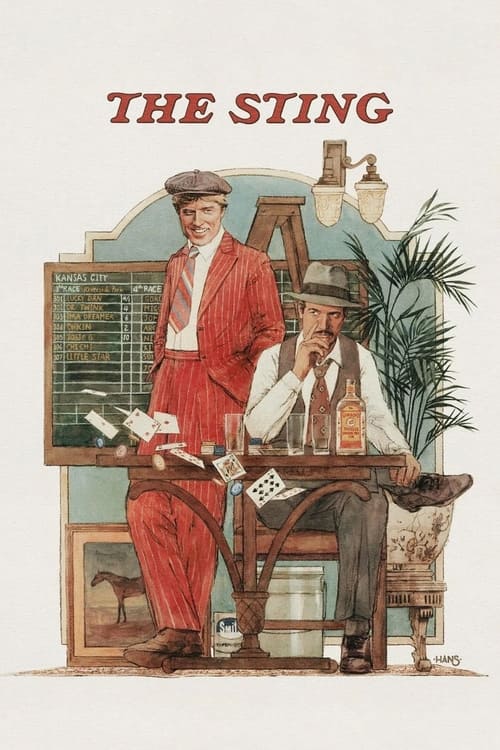
The 1970s was a decade defined by a particular kind of cinematic grime—a layer of soot and cynicism that coated even the most polished Hollywood productions. When The Sting arrived in 1973, it didn't just participate in that aesthetic; it mastered the art of the "prestige grit." While many remember it as a jaunty caper, rewatching it today reveals a much sharper, colder edge. This is a film born from the shadows of the Great Depression, released into the shadows of the Watergate era, and that double-layered desperation is what gives the movie its enduring, heavy-hitting power.
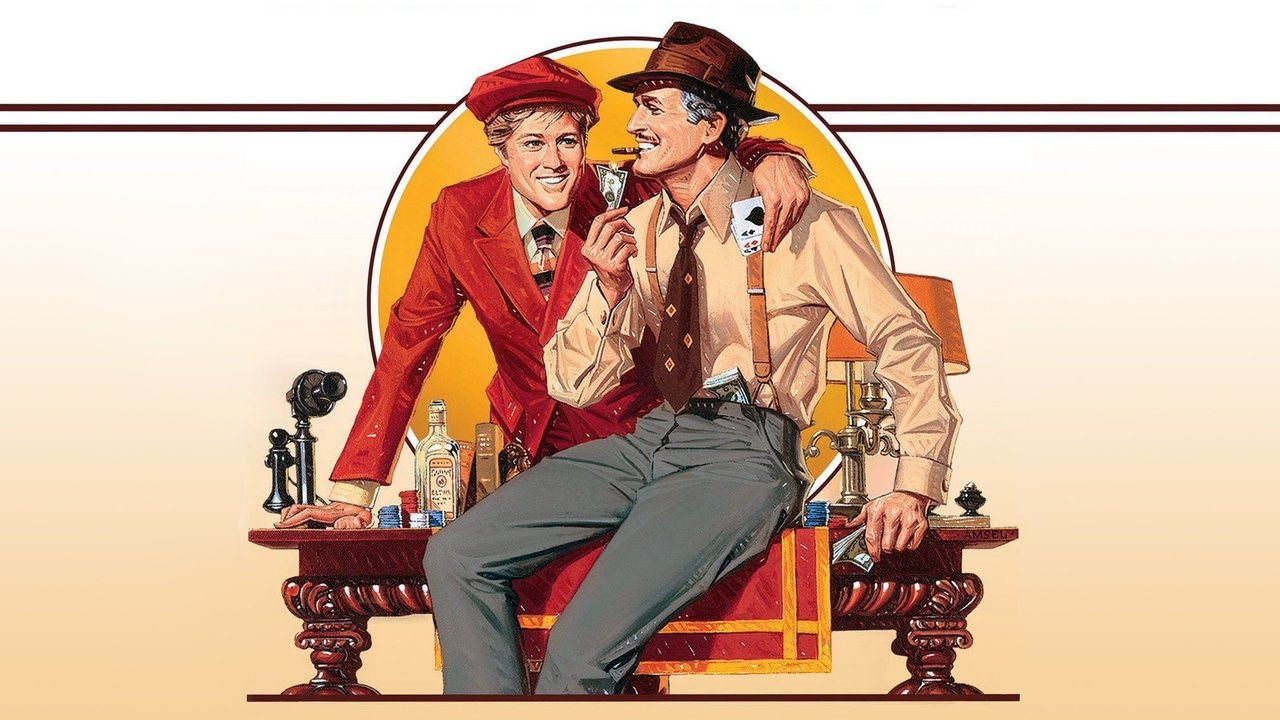
I watched this most recently on a Tuesday afternoon while my neighbor was power-washing his driveway, the rhythmic, aggressive drone outside weirdly syncing with the staccato piano rags of the soundtrack. It served as a reminder that beneath the charm of its lead actors, The Sting is a story about people who are one bad hand away from a shallow grave.
The Grimy High of the Long Con
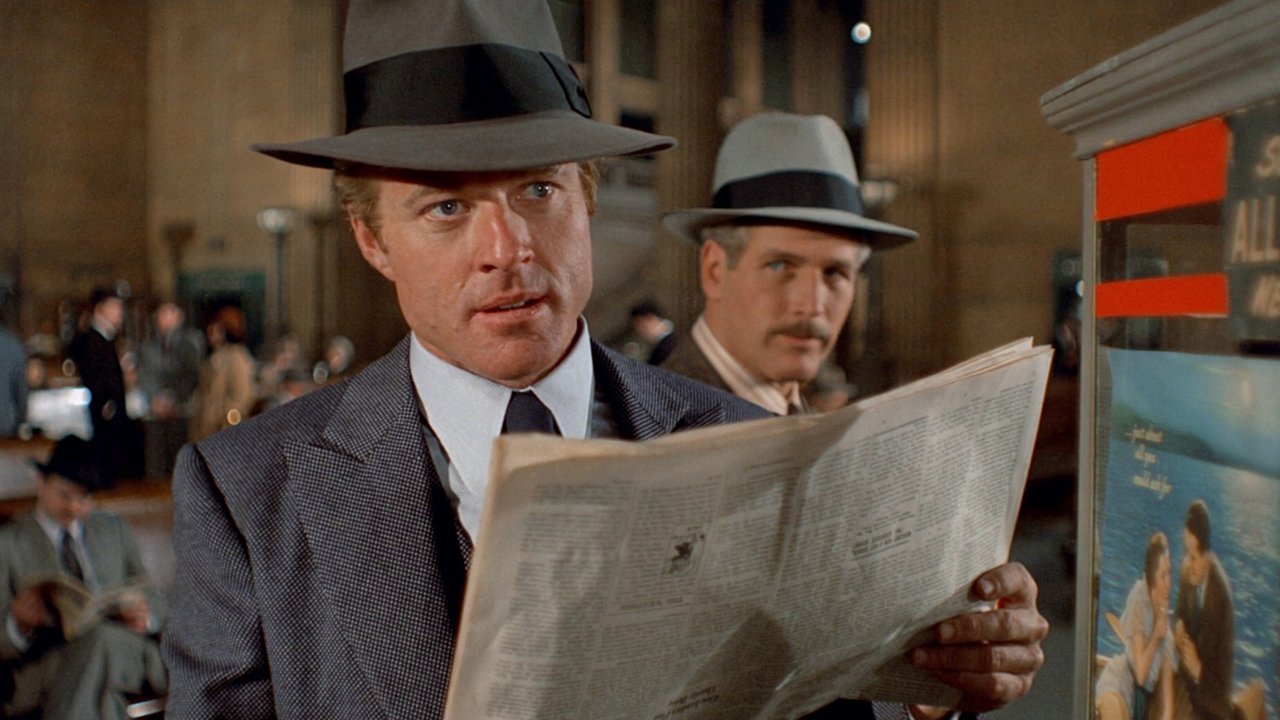
The narrative kicks off not with a joke, but with a cold-blooded execution. When Johnny Hooker—played with a frantic, twitchy energy by Robert Redford—accidentally steals from the wrong bagman, his mentor is murdered in retaliation. This isn't a "fun" heist setup; it’s a survival mission fueled by grief. Robert Redford’s Hooker isn't a polished criminal; he’s a low-rent grifter who spends his winnings as fast as he steals them, looking perpetually like he’s about to jump out of his own skin.
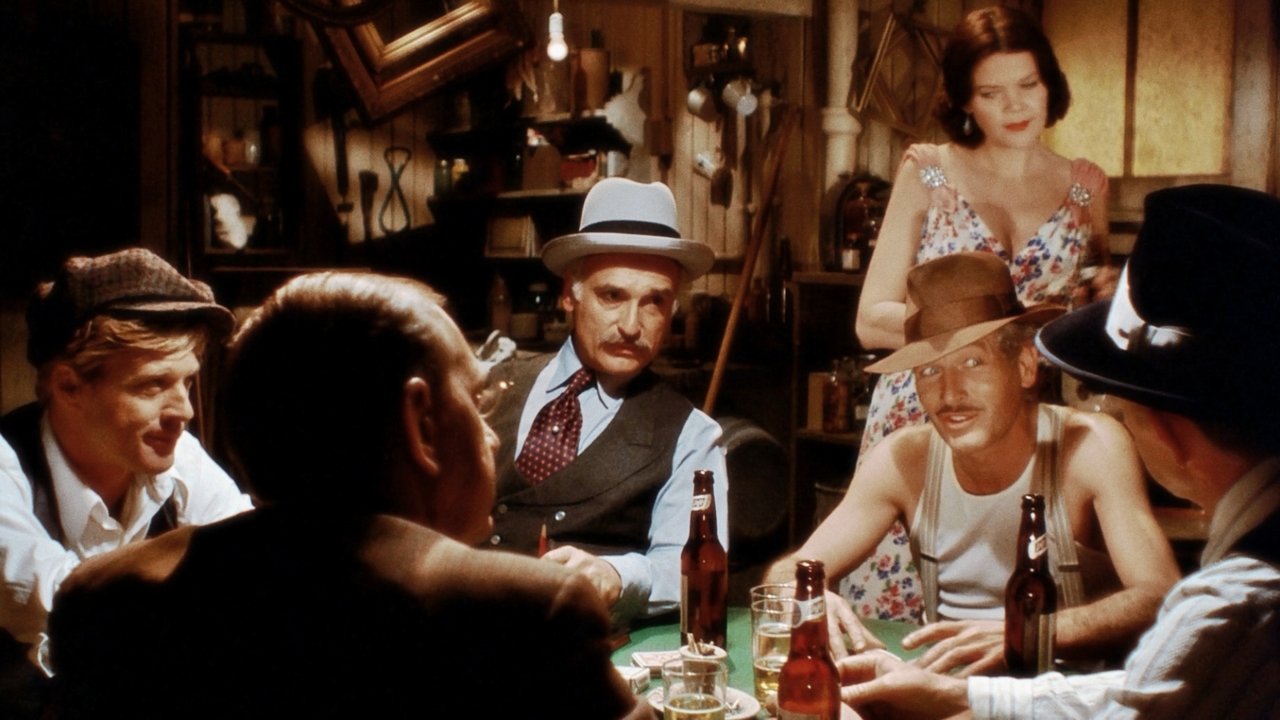
Then enters Henry Gondorff. Paul Newman plays the legendary con man not as a suave mastermind, but as a man hiding from the world in the back of a carousel. When we first meet him, he’s hungover, bloated, and seemingly washed up. The chemistry between Newman and Redford is legendary for a reason, but it isn’t just "buddy movie" warmth. It’s the friction between a man who has lost everything and a kid who has everything to lose. Newman’s smirk is a weapon he uses to hide the fact that he’s bored of his own brilliance.
A Masterclass in Depression-Era Desperation
While the "The Wire" or "The Big Con" is the mechanical heart of the film, the soul belongs to the antagonist. Robert Shaw as Doyle Lonnegan is terrifying because he is so utterly humorless. In a movie filled with charlatans and actors, Lonnegan is the only one who is exactly what he appears to be: a predatory monster. Robert Shaw reportedly had a real-life leg injury during filming, and he incorporated that limp into Lonnegan’s gait, making the character feel like a wounded, cornered wolf that is twice as dangerous because of its pain.
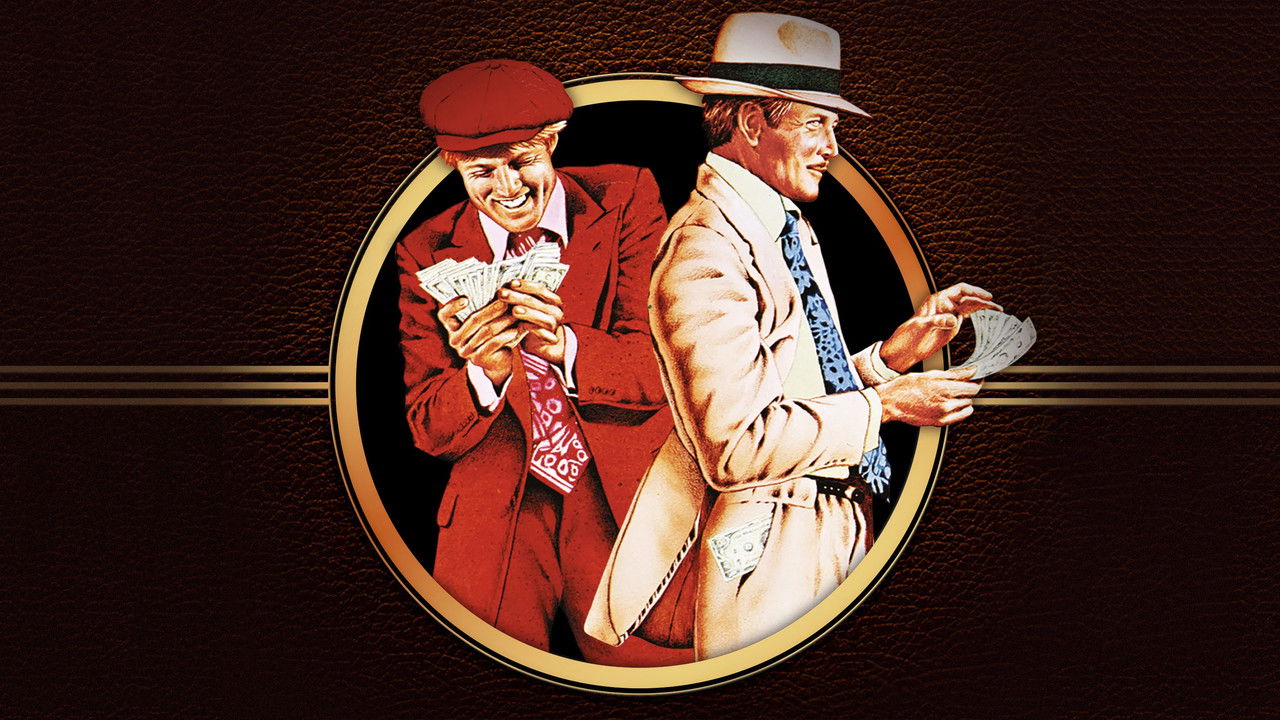
The world these characters inhabit is meticulously realized by director George Roy Hill. He uses old-fashioned "wipe" transitions and title cards that mimic the Saturday Evening Post illustrations of the era, but the production design tells a darker story. The Chicago we see is one of damp alleys, soot-stained brick, and men in cheap suits trying to look like they aren't starving. It captures that 1930s malaise where everyone is looking for a shortcut because the long road is a dead end.
The Blockbuster that Revived the Past
The Sting wasn't just a critical darling; it was a genuine cultural phenomenon, a box office juggernaut that proved "adult" dramas could still dominate the market. Produced on a relatively modest $5.5 million budget, it went on to rake in over $159 million—roughly equivalent to over $900 million today when adjusted for inflation. It stayed in theaters for months, capturing the public’s imagination at a time when they were desperate for a win against "the system," even if that win was just a fictional grift.
The film's impact on the industry was seismic. It sparked a massive revival of Scott Joplin’s ragtime music, with Marvin Hamlisch’s adaptation of "The Entertainer" reaching the Top 10 on the Billboard charts. It’s an odd historical quirk that a 1973 film about 1936 made 1902’s music the sound of the year. Beyond the music, the film was a costume design triumph; Edith Head won her final Oscar for the impeccably tailored suits that helped define the "New Hollywood" look—Redford's suit fits him better than most people's skin.
The Legacy of the Tape
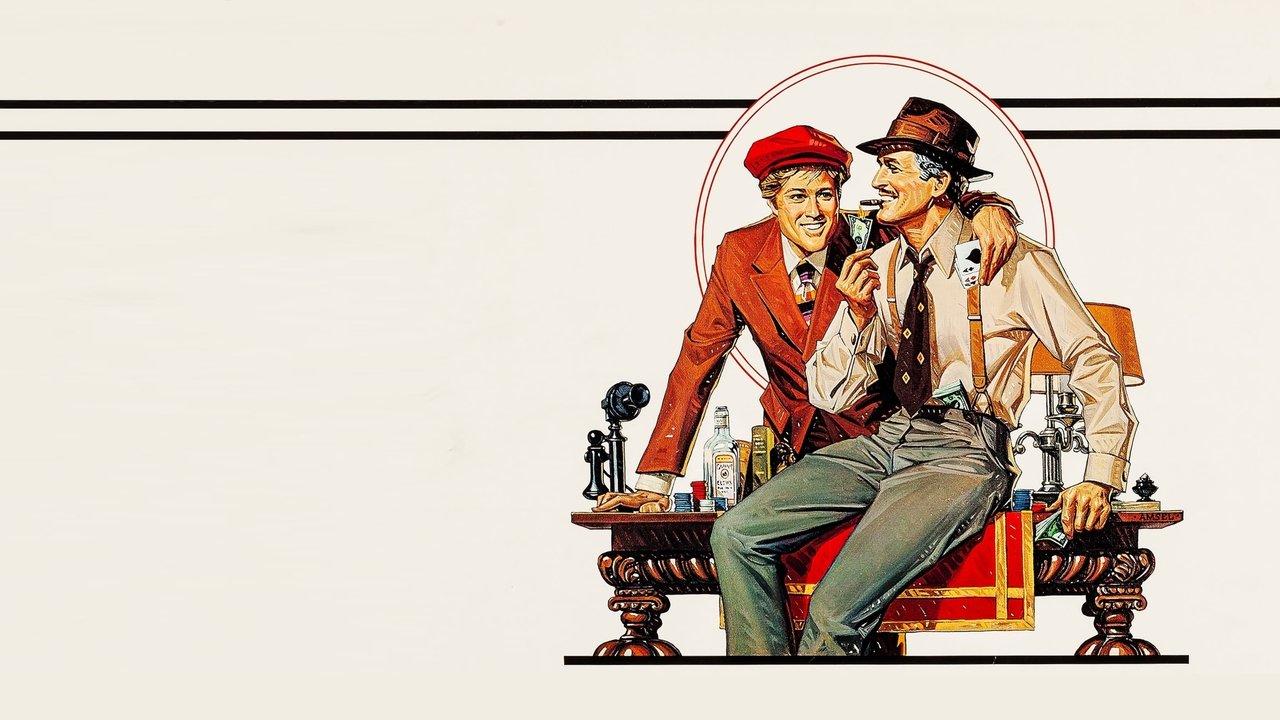
For many of us, The Sting wasn't a theatrical experience but a home video staple. It was one of the cornerstone titles of the MCA Home Video "Universal Classics" library. I remember the specific weight of that oversized VHS clamshell box, the cover art emphasizing the profiles of Newman and Redford like icons on a coin. It was a "safe" rental—the kind of movie you could watch with your grandfather without it being awkward, yet it possessed enough grit to keep a teenager engaged.
Repeated viewings on VHS allowed audiences to deconstruct the con itself. Before the era of internet spoilers, we used the "rewind" button to figure out exactly when the "sting" started. Every time you watch it, you notice another subtle cue—a look Paul Newman gives to the camera, or a slight hesitation from Ray Walston (who is brilliant as the "inside man" J.J. Singleton). The film is a clockwork mechanism that actually rewards you for looking at the gears.
The Sting remains the gold standard for the caper genre because it understands that the "trick" is only half the battle. You have to care about the magicians. By grounding its high-concept con in a world of genuine consequence and Depression-era gloom, it transcends being a mere "fun" movie. It’s a beautifully shot, expertly acted exploration of honor among thieves and the high cost of revenge. It’s a film that asks for your confidence, and it earns every bit of it.
Keep Exploring...
-
Butch Cassidy and the Sundance Kid
1969
-
Crimes and Misdemeanors
1989
-
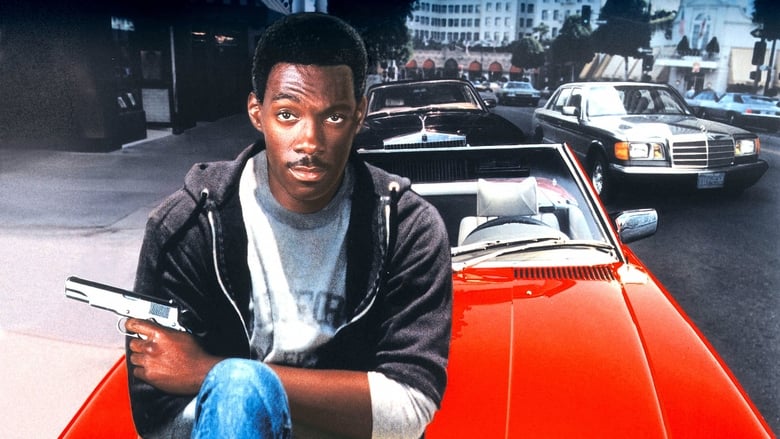
Beverly Hills Cop
1984
-
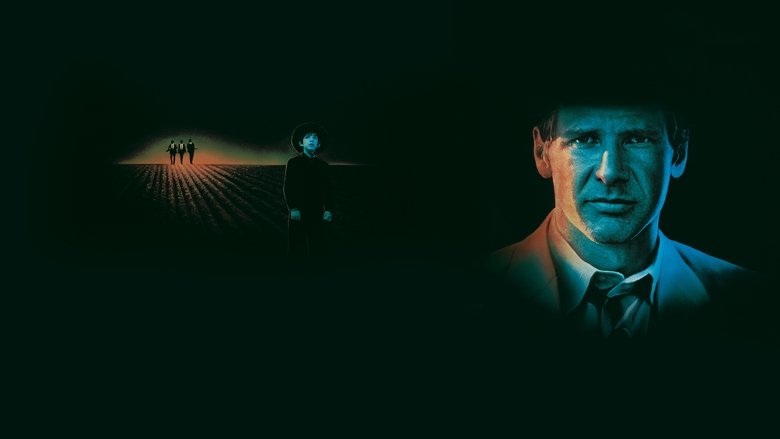
Witness
1985
-
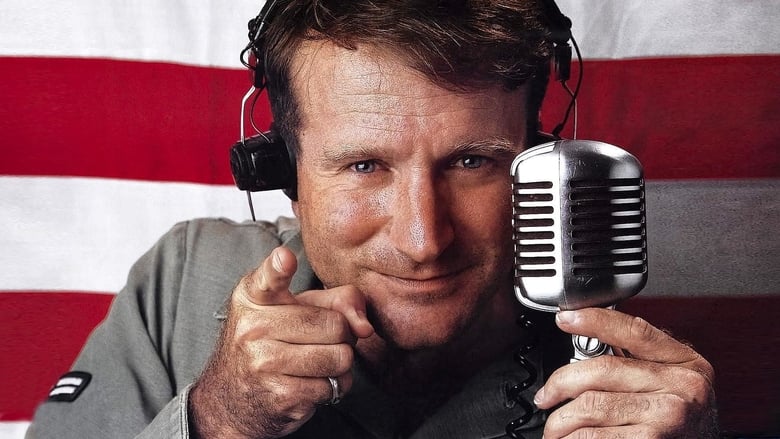
Good Morning, Vietnam
1987
-
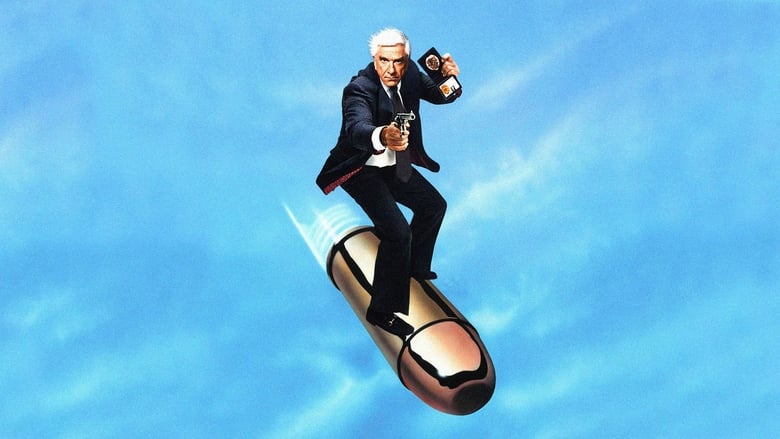
The Naked Gun: From the Files of Police Squad!
1988
-
Cool Hand Luke
1967
-

Serpico
1973
-
Dog Day Afternoon
1975
-

Murder by Death
1976
-
The Godfather
1972
-

Papillon
1973
-
Chinatown
1974
-
The Godfather Part II
1974
-
Marathon Man
1976
-
A Fish Called Wanda
1988
-
Chicago
2002
-
Clue
1985
-

Magnum Force
1973
-
Mean Streets
1973