The Wicker Man
"The sun is out. The fire is ready."
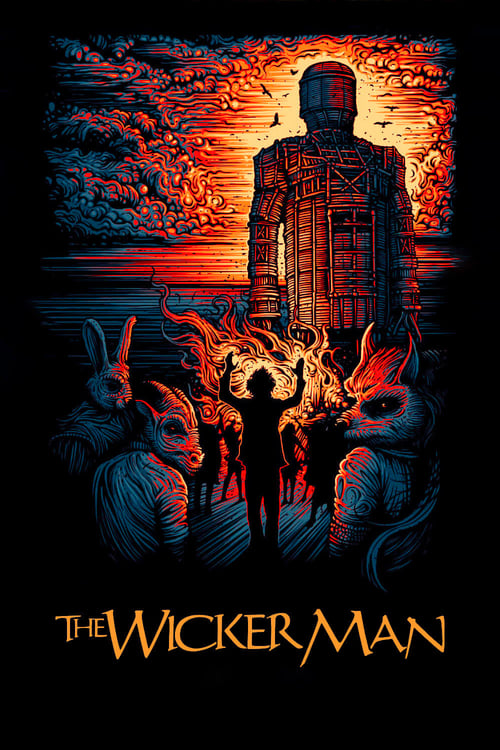
The first time I saw the sun set on Summerisle, I wasn’t prepared for how bright the horror would be. Usually, the genre hides its monsters in the basement or under the bed, relying on the safety of shadows to keep us shivering. But The Wicker Man doesn't care about your comfort. It’s a film that takes place almost entirely in the crisp, taunting light of day, where the nightmare isn’t a ghost or a slasher, but a community of smiling people who simply believe something different than you do.
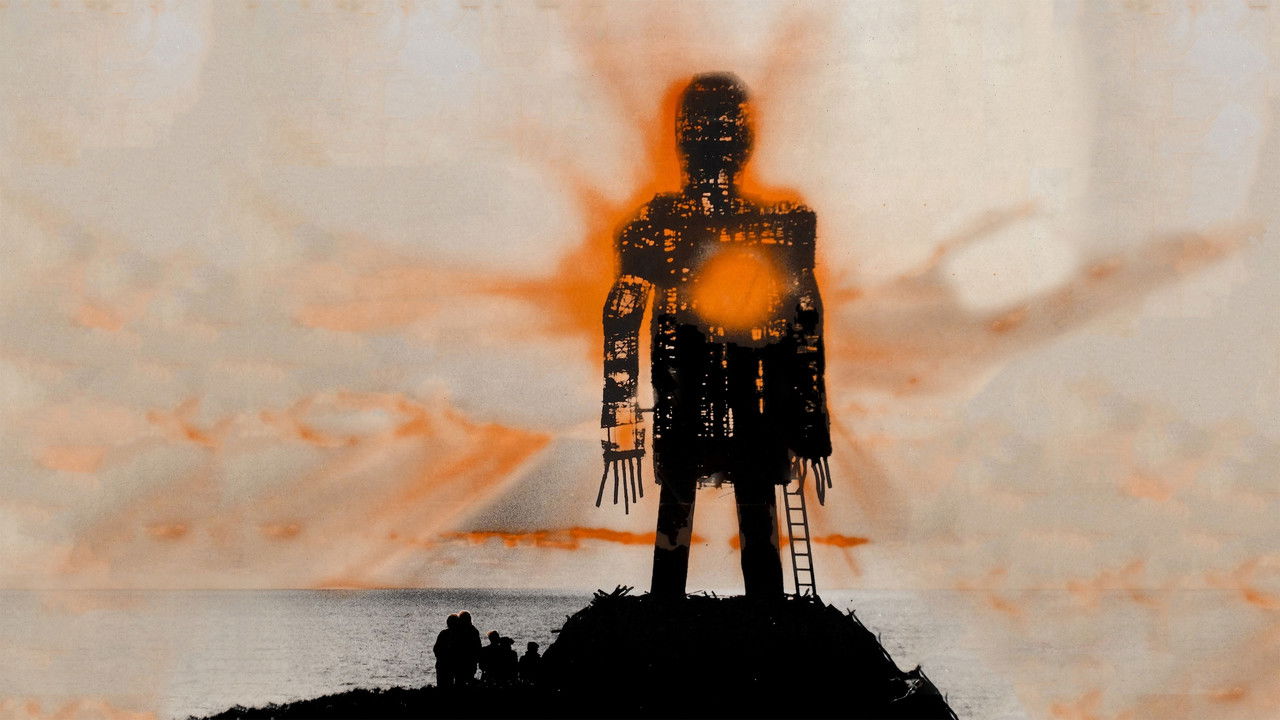
I watched this on a Tuesday afternoon while my neighbor was practicing the recorder next door. The squeaky, off-key notes of "Hot Cross Buns" actually blended perfectly with Paul Giovanni’s eerie folk compositions, making the whole thing feel twice as deranged. It felt right, honestly. This is a movie where the music isn't just background noise; it’s a trap.
A Collision of Two Worlds
The setup is deceptively simple: Edward Woodward, playing the rigidly devout Sergeant Neil Howie, flies a seaplane to a remote Hebridean island to investigate a report of a missing girl. Woodward is spectacular here, imbuing Howie with a prickly, self-righteous indignation that makes him both our protagonist and a deeply frustrating man to root for. He is the Law and the Church, and he expects the islanders to bow to both.
Instead, he finds a village of people who treat the disappearance of a child with the same nonchalance one might treat a lost set of keys. Enter Christopher Lee as Lord Summerisle. This was famously Lee’s favorite role, and you can see why. He sheds the Cape of Dracula (a role he’d grown to loathe by 1973) and replaces it with a yellow turtleneck and a shock of wild hair. He is charismatic, intellectual, and utterly terrifying because he isn't "evil" in the traditional sense—he is a true believer.
When Howie clashes with the locals—including Britt Ekland’s seductive Willow and Diane Cilento’s Miss Rose—the film becomes a fascinating, high-stakes debate between Christian repression and Pagan liberation. Most movies would take a side; this one just lets the two ideologies grind against each other until sparks fly. Most horror movies are afraid of the dark, but this one proves the sun is far more terrifying.
The Beauty of Indie Desperation
What fascinates me about the production is how it nearly didn't exist. This is the definition of an indie gem that survived through sheer willpower. Produced by Peter Snell for British Lion Films, the movie was caught in a corporate nightmare. The studio changed hands during post-production, and the new management hated the film so much they allegedly used the original master negatives as landfill for a nearby motorway.
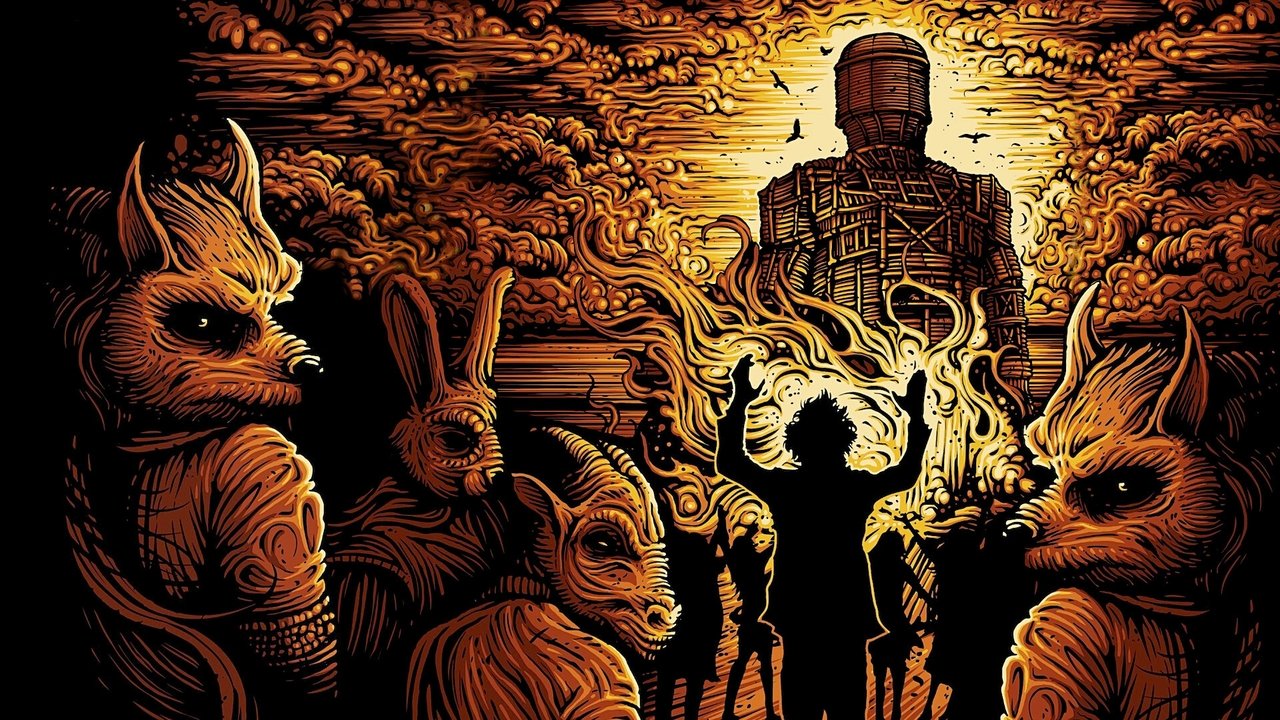
The budget was a measly $810,000, which meant the crew had to get incredibly creative. Despite the film being set during a lush May Day festival, it was actually shot in the dead of a Scottish winter. To hide the fact that the actors were freezing, they had to suck on ice cubes before "Action!" to keep their breath from fogging in the air. The "blossoms" on the trees? Those were bits of pink paper hand-glued to bare branches by a shivering crew. That tactile, desperate energy translates to the screen. It feels grounded and real, which only makes the surreal elements—like the animal-masked processions—feel more intrusive.
The cinematography by Harry Waxman captures the rugged beauty of the Scottish coast with a clarity that feels almost documentary-like. There’s no stylistic fluff here, just a stark presentation of a world that has turned its back on modern society. Even the cast felt the weight of it; Christopher Lee actually worked for no fee just to ensure the film got made, such was his belief in Anthony Shaffer’s brilliant script.
The Inevitable Appointment
As the investigation deepens, the film transitions from a detective procedural into a folk-horror fever dream. We see Ingrid Pitt as a librarian and Roy Boyd as a local, all playing their parts in a grand, theatrical game that Howie is too blinded by his own faith to see. The pacing is a slow-burn—pardon the pun—that leads to what is arguably the most shattering ending in cinema history.
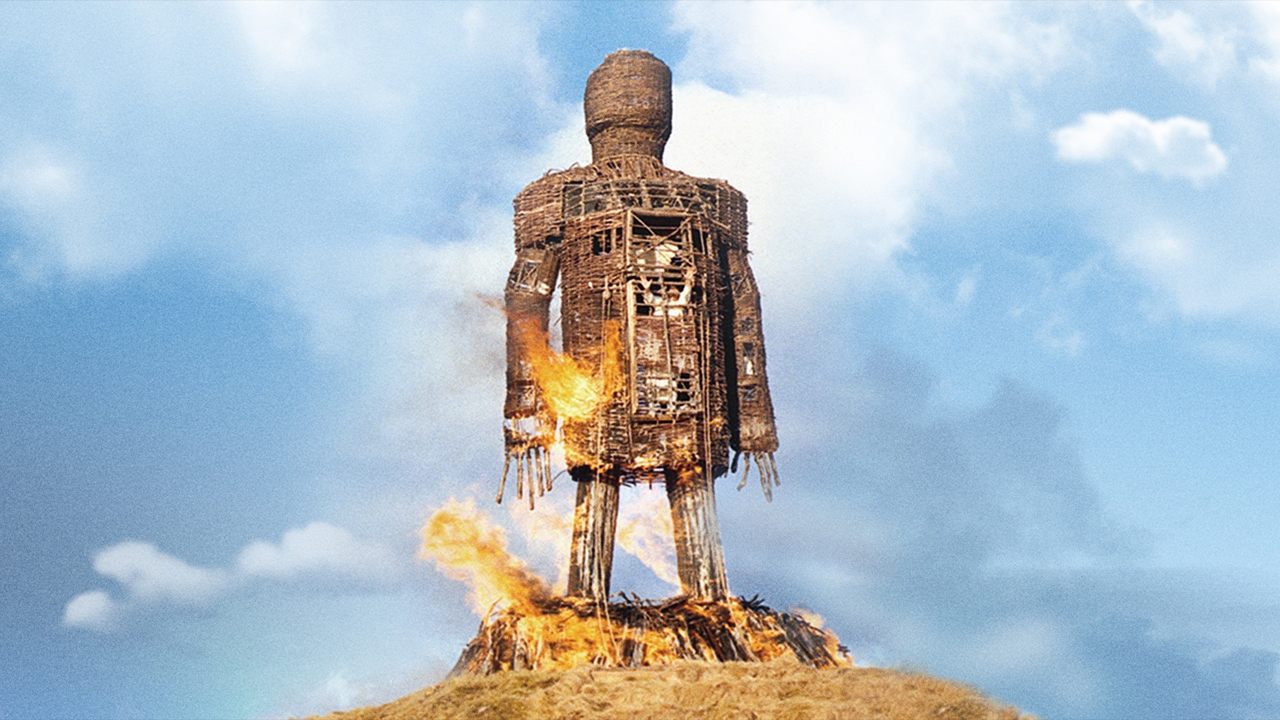
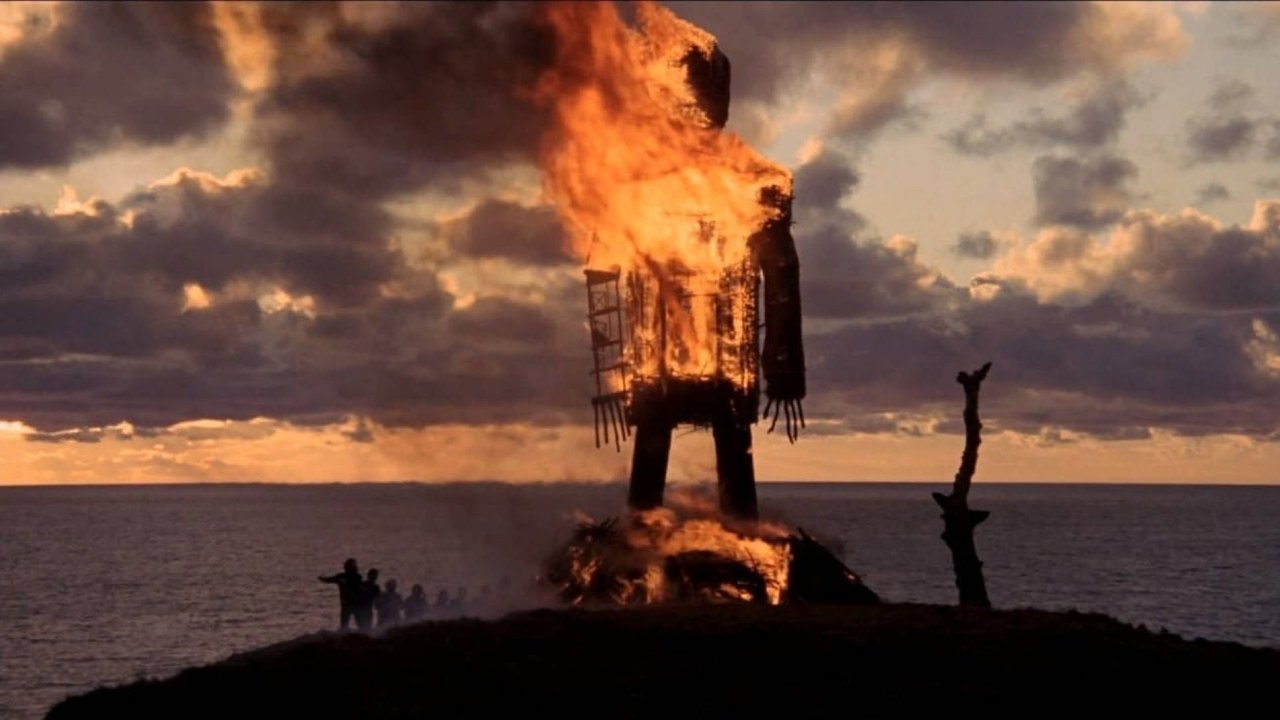
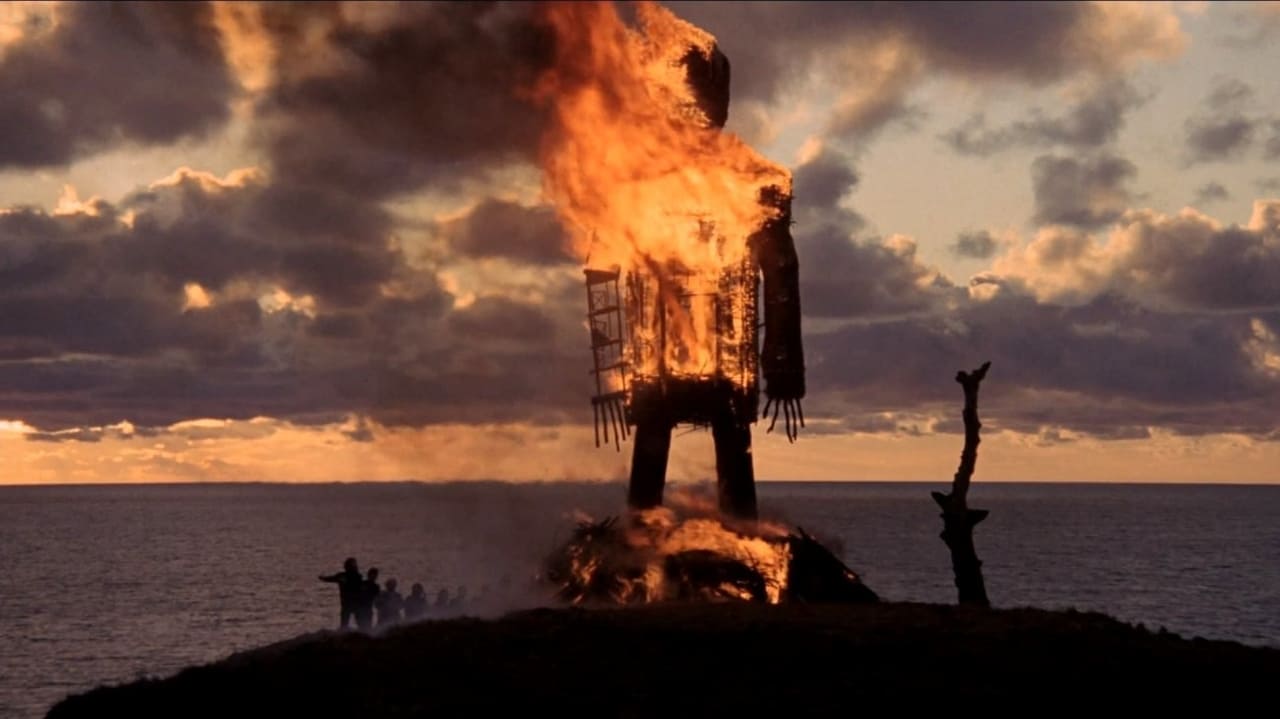
The final ten minutes are a masterclass in dread. There are no jump scares, no monsters jumping out of closets. There is only the realization of a plan coming to fruition. The sight of the Wicker Man itself, a towering, hollow effigy against the setting sun, is an image that burns into your retinas. It’s a moment of pure, unadulterated pagan spectacle that leaves you feeling as hollowed out as the structure itself.
Watching it today, it’s clear that The Wicker Man isn't just a horror movie; it’s a warning about the danger of certainty. Whether it’s Howie’s rigid piousness or the islanders' fanatical devotion to the harvest, the film shows us that when people stop questioning their own beliefs, the "flesh to burn" is usually someone else's.
The film remains a towering achievement of the 1970s, a decade where directors like Robin Hardy were allowed to take massive swings at the audience's psyche. It’s a movie that demands your attention and rewards it with a lingering sense of unease that no amount of modern CGI could ever replicate. If you haven't kept your appointment with Lord Summerisle yet, do yourself a favor and fly out to the island. Just maybe leave your religion at the door—they have plenty of their own to go around.
Keep Exploring...
-

Frenzy
1972
-
Night of the Living Dead
1968
-
The Texas Chain Saw Massacre
1974
-
Carrie
1976
-
Eraserhead
1977
-
Dawn of the Dead
1978
-

Halloween
1978
-

Invasion of the Body Snatchers
1978
-
Peeping Tom
1960
-

Repulsion
1965
-
What Ever Happened to Baby Jane?
1962
-
The Birds
1963
-
Nosferatu the Vampyre
1979
-
Possession
1981
-

The Evil Dead
1981
-

A Nightmare on Elm Street
1984
-

Day of the Dead
1985
-
Rosemary's Baby
1968
-
The Rocky Horror Picture Show
1975
-
The Omen
1976