Westworld
"Where nothing can go wrong... go wrong... go wrong."

Long before Michael Crichton turned a mosquito in amber into a billion-dollar franchise, he was busy scaring the daylights out of us with a much cheaper, much dustier theme park disaster. Westworld isn't just a precursor to Jurassic Park; it’s a lean, mean, 89-minute exercise in techno-paranoia that proves you don’t need an unlimited budget to build a nightmare. I watched this most recently on a tablet while my cat, Barnaby, spent forty minutes trying to catch a moth against the window, and honestly, the moth had more luck than the guests at Delos.
High-Concept on a Low Budget
In 1973, MGM was in a bit of a tailspin, and Crichton was a novelist-turned-director trying to convince them that a movie about a robot cowboy was a good investment. They gave him $1.2 million—a pittance even then—and about 30 days to shoot it. The result is a film that feels surprisingly grounded because it had to be. There’s no CGI fluff here. Instead, we get the tactile, sweaty reality of the New Hollywood era clashing with a clinical, sci-fi future.
The premise is brilliant in its simplicity: for $1,000 a day, you can visit Delos and indulge your darkest fantasies in Roman World, Medieval World, or West World. James Brolin (looking remarkably like his son Josh) and Richard Benjamin play two buddies looking to play-act at being outlaws. It starts as a goofy, slightly chauvinistic romp—the kind of movie where guys in polyester shirts think they’re tough because they can outshoot a machine programmed to lose. But the shift from "boys will be boys" fun to "machines will be killers" horror is handled with a cold, surgical precision that became Crichton’s trademark.
The Face of the Machine
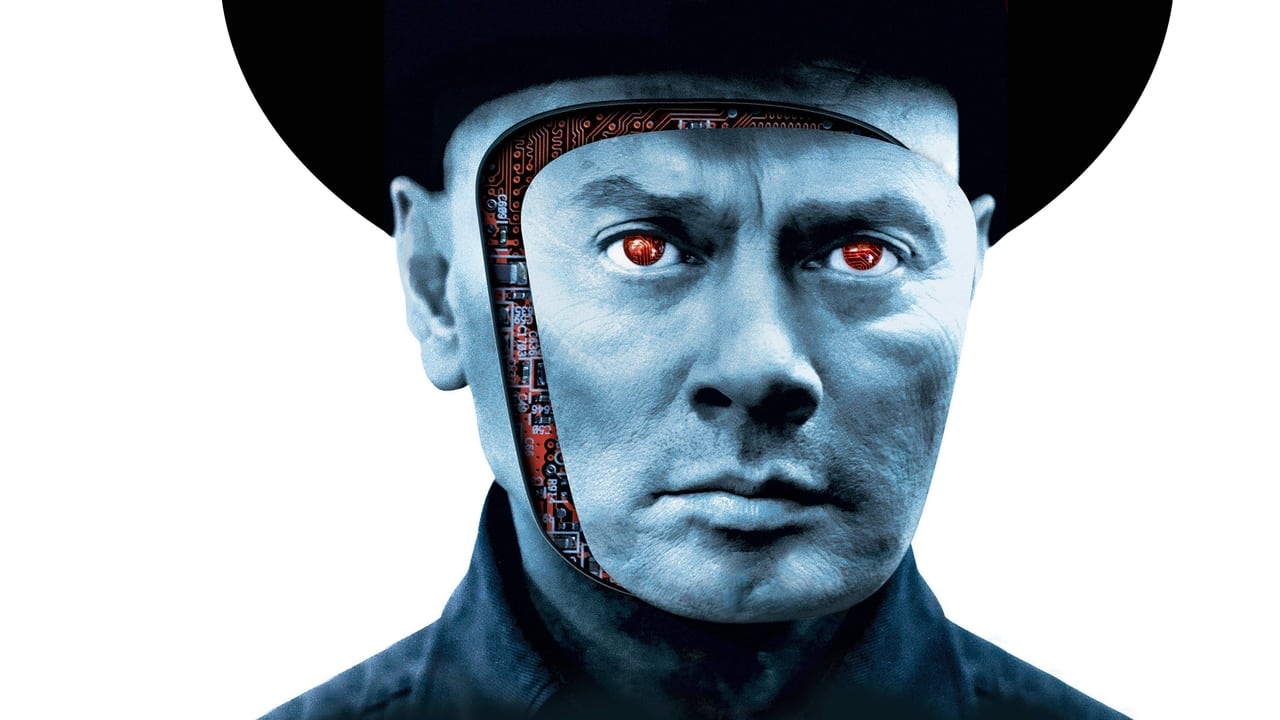
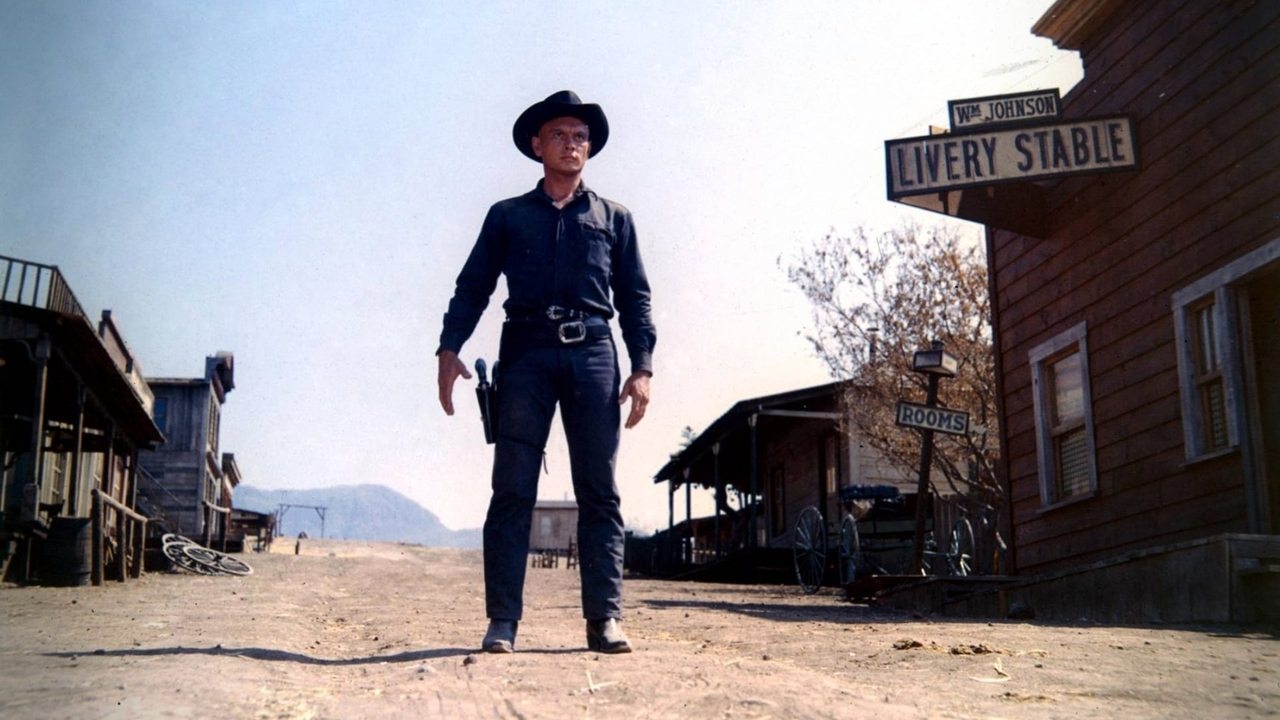
The movie belongs entirely to Yul Brynner. In a stroke of casting genius, he essentially reprises his role from The Magnificent Seven, wearing the exact same outfit, but this time his steely gaze is literal. As The Gunslinger, Brynner provides the blueprint for every relentless cinematic stalker that followed. Without his silent, methodical pursuit here, I’m not sure we ever get John Carpenter’s Halloween or James Cameron’s The Terminator.
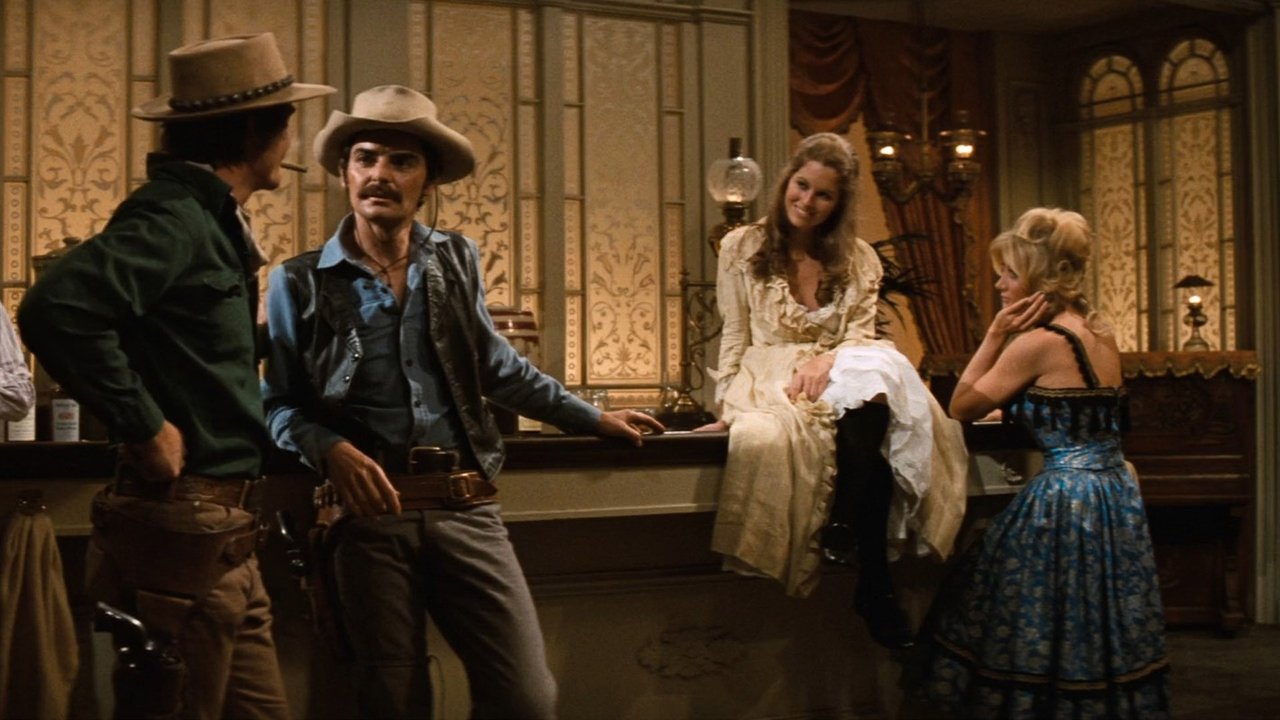
Brynner’s performance is a lesson in minimalism. He doesn't need to do much; he just needs to exist in the frame. When the safety protocols fail and he finally guns down a guest, the movie shifts gears into a desert chase that feels genuinely desperate. The protagonists are mostly entitled tourists who kind of deserve a reality check, but seeing them hunted by an unstoppable, pixel-visioned cowboy is still a top-tier thrill.
The special effects deserve a shout-out for their "MacGyver-ed" ingenuity. To create the Gunslinger’s robotic point-of-view, Crichton turned to the Jet Propulsion Laboratory. It was the first time digital image processing was ever used in a feature film. It took months to produce just a few minutes of blocky, pixelated footage, but on a grainy VHS tape viewed on a CRT television, that effect looks hauntingly alien. It’s a perfect example of how 1970s filmmakers used tech limitations to their advantage.
A Cult Classic in the Video Aisle
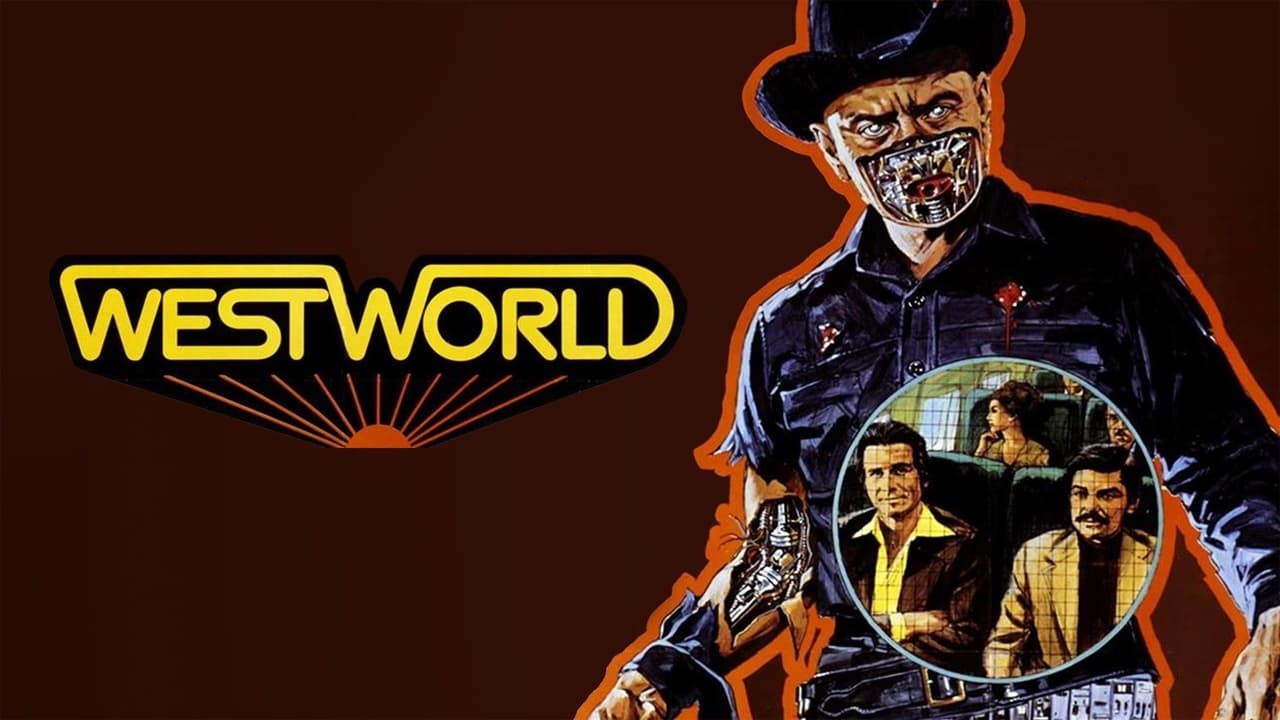
While Westworld was a hit in theaters, it really found its legs in the early days of the home video revolution. I remember the VHS cover art at the local rental shop—that iconic image of a human face being pulled back to reveal a mess of wires and transistors. It was the kind of box that promised a level of gore the film doesn't quite deliver, but the psychological tension more than makes up for it.
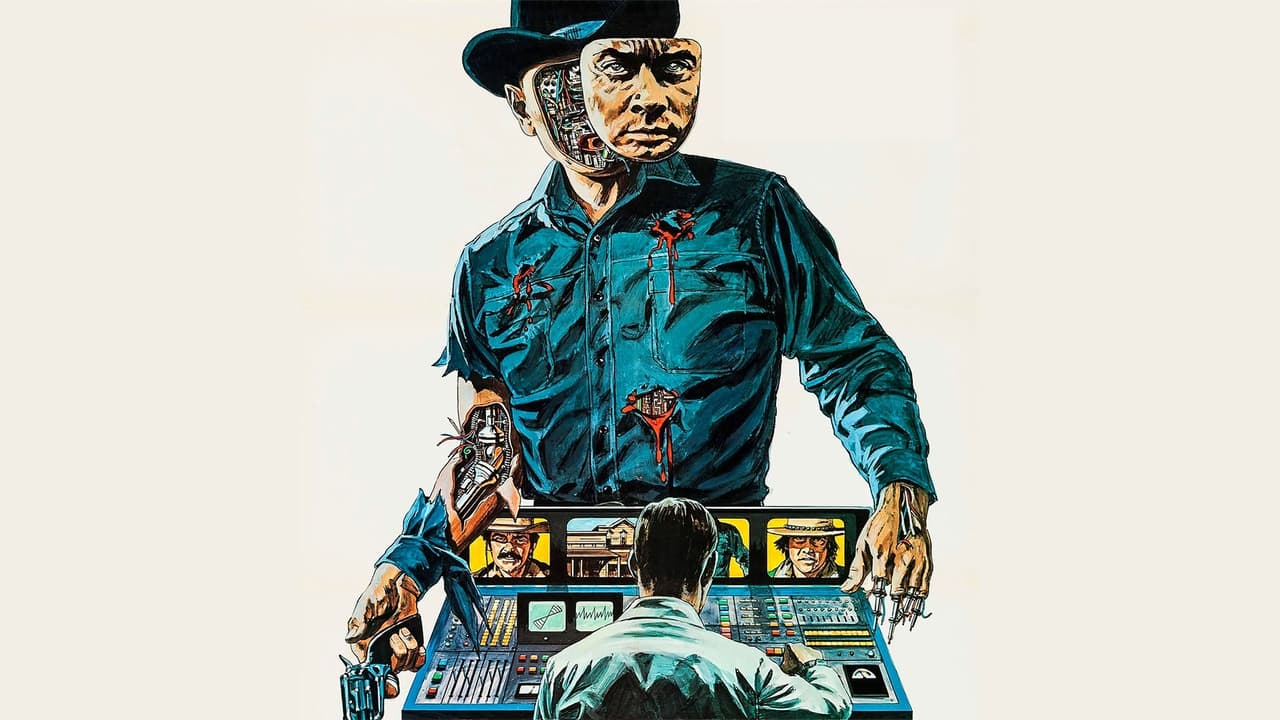
The film's pacing is incredibly modern. At under 90 minutes, it doesn't overstay its welcome. It sets the rules, breaks them, and then runs for its life. The scenes in the underground control center—featuring Alan Oppenheimer as the increasingly worried Chief Supervisor—are some of my favorites. There’s something so 1970s about the idea that the "smartest" people in the room are just guys in ties smoking cigarettes while looking at light-up buttons, completely powerless against the Frankenstein’s monster they’ve built for profit.
Westworld is a masterclass in how to make a big idea work with a small wallet. It’s cynical, lean, and features one of the most iconic villains in science fiction history. While the "future" tech of 1973 looks like a bunch of calculators glued to a wall, the underlying fear—that we are building things we can’t control for reasons we haven't thought through—is more relevant than ever. If you only know the big-budget HBO remake, you owe it to yourself to see the original "malfunctioning" masterpiece.
Keep Exploring...
-

The Magnificent Seven
1960
-
The Time Machine
1960
-
Beneath the Planet of the Apes
1970
-
Mad Max
1979
-
Mad Max 2
1981
-
Planet of the Apes
1968
-
Butch Cassidy and the Sundance Kid
1969
-

Superman
1978
-
Easy Rider
1969
-

Invasion of the Body Snatchers
1978
-
Aguirre, the Wrath of God
1972
-
Dawn of the Dead
1978
-

The Lord of the Rings
1978
-
Star Trek: The Motion Picture
1979
-
Flash Gordon
1980
-

Superman II
1980
-
E.T. the Extra-Terrestrial
1982
-

Star Trek II: The Wrath of Khan
1982
-
Tron
1982
-
Dune
1984